
In the landscape of modern celebrity, the word “brand” is often used loosely to describe any public figure with a social media following. However, when examining what has happened to Dolly Parton today, we are not merely looking at the career of a country music singer; we are analyzing one of the most sophisticated examples of personal brand evolution in the history of global marketing. Dolly Parton has transcended the boundaries of the entertainment industry to become a multi-billion-dollar corporate identity that serves as a masterclass in brand strategy, diversification, and long-term equity management.

The story of Dolly Parton today is a narrative of a “living brand” that has successfully navigated six decades of cultural shifts without losing its core identity. While many of her contemporaries have faded into nostalgia, Parton has utilized a “hub-and-spoke” brand model to expand into theme parks, hospitality, retail, literature, and philanthropy. This evolution provides critical insights for brand strategists and corporate leaders looking to build an enduring legacy.
The Anatomy of the Dolly Parton Brand: Consistency Meets Adaptability
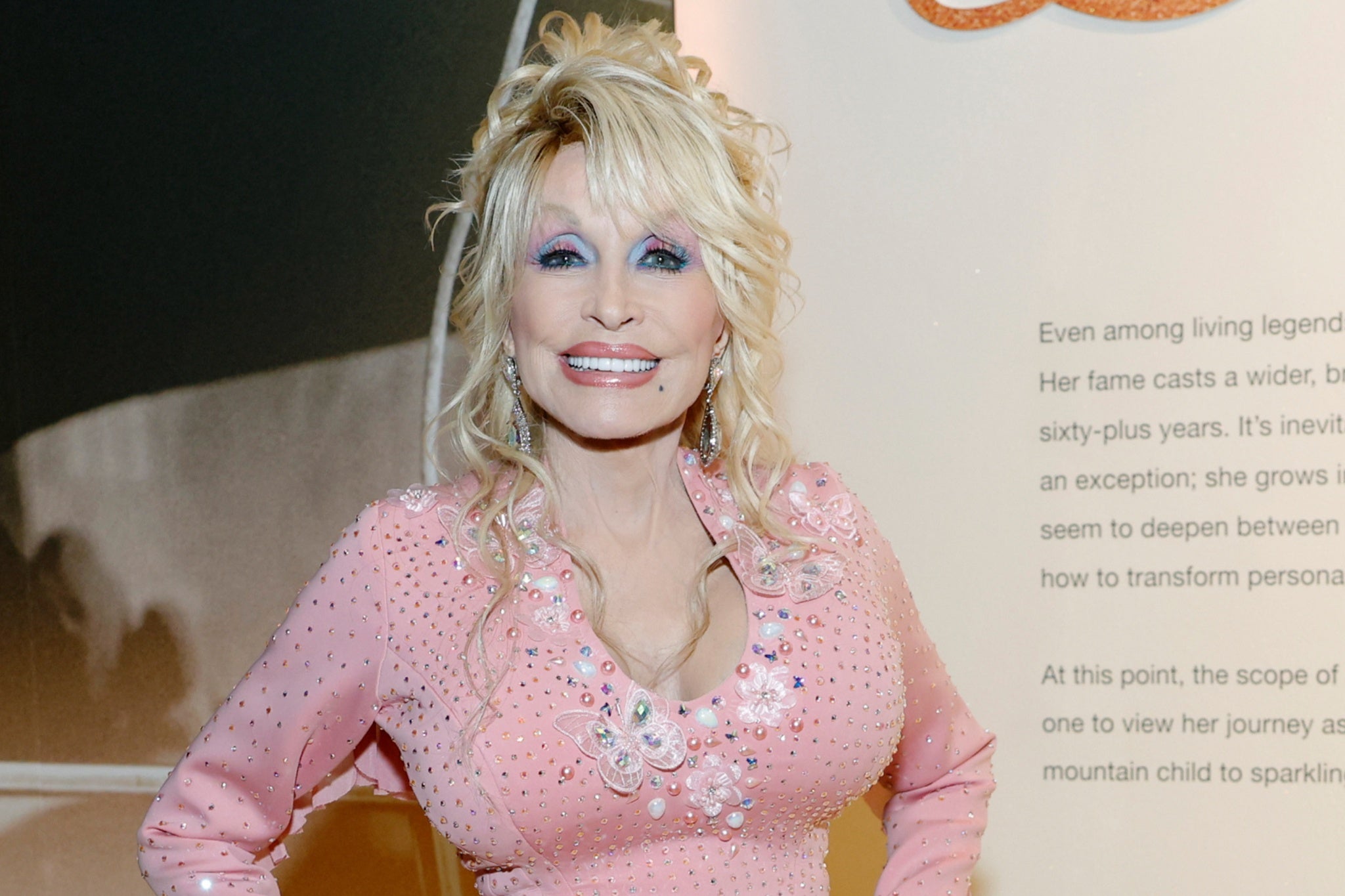
At the heart of the Dolly Parton brand today is a unique tension between a static visual identity and a highly dynamic business strategy. Her “brand manual”—though perhaps unwritten in the traditional corporate sense—is one of the most rigid in the world. The wig, the rhinestones, the heels, and the specific vernacular have remained constant since the late 1960s. This consistency has created a high level of brand recognition that rivals the “Golden Arches” of McDonald’s or the “Swoosh” of Nike.
The Power of Visual Continuity
In brand strategy, visual continuity is the foundation of trust. By maintaining her signature aesthetic, Parton has removed the friction of “rebranding” that often plagues long-term celebrities. When consumers see the Parton silhouette, they immediately associate it with a specific set of values: authenticity, resilience, and approachable glamour. Today, this visual trademark is the cornerstone of her licensing deals, ensuring that whether her name is on a bottle of perfume or a box of cake mix, the consumer experience remains unified.
Authenticity as a Value Proposition
Parton’s brand strategy relies heavily on “the authentic caricature.” She has famously stated, “It costs a lot of money to look this cheap.” This self-awareness is a brilliant branding move. By owning the artifice of her appearance, she eliminates the risk of being perceived as “fake.” In an era where consumers—particularly Millennials and Gen Z—crave transparency, Parton’s honesty about her artifice makes her one of the most trusted figures in the public eye. Today, this trust is her most valuable asset, allowing her to bridge political and social divides that would fracture other brands.
Strategic Diversification: Beyond the Grand Ole Opry
What has happened to Dolly Parton today is a move toward a “platform” business model. Like Disney, Parton has built an ecosystem where her music serves as the intellectual property (IP) that feeds a wide array of revenue-generating verticals. This diversification ensures that the brand is not dependent on a single stream of income, such as record sales or touring.
The Dollywood Ecosystem
The crown jewel of her corporate identity is Dollywood Parks & Resorts. This is not merely a theme park; it is a physical manifestation of her brand story. By situating her primary business asset in the Great Smoky Mountains, she has turned her personal history into a destination. Today, Dollywood is the largest employer in its region, demonstrating how a personal brand can scale into a significant economic engine. The park’s strategy of “family-friendly escapism” mirrors the themes of Parton’s music, creating a seamless brand experience from the ears to the eyes to the physical environment.
Licensing and Retail Expansion
In recent years, the Dolly Parton brand has seen a massive expansion into the consumer packaged goods (CPG) sector. This was not an accidental occurrence but a calculated strategy to increase brand touchpoints.
- Doggy Parton: Her line of pet apparel and accessories leverages the “pet humanization” trend while leaning into her flamboyant aesthetic.
- Duncan Hines Partnership: By entering the baking category, she taps into the “Southern hospitality” pillar of her brand, making her identity a staple in the American kitchen.
- Fragrance and Beauty: Her “Scent from Above” fragrance broke records on home shopping networks, proving that her brand equity translates across demographics and retail formats.
These licensing deals are carefully curated. Each product must align with the “Dollyism” of being high-quality yet accessible, ensuring that the brand is never diluted by low-value associations.
Philanthropy as a Brand Pillar: The Imagination Library and Beyond
One of the most significant developments in the Dolly Parton brand today is the integration of corporate social responsibility (CSR) as a core identity marker. For many corporations, philanthropy is a peripheral activity used for tax incentives or public relations damage control. For Parton, philanthropy is the brand’s heartbeat.
The Imagination Library: A Global Literacy Engine
The Dolly Parton’s Imagination Library, which has gifted over 200 million books to children globally, is perhaps her most effective brand-building tool. By focusing on early childhood literacy, she has moved from “entertainer” to “educator” and “community pillar.” This shift has created an emotional bond with parents and children that transcends music. Today, the brand is associated with the future of the next generation, giving it a level of gravitas that pure entertainment brands lack.
The “Parton Effect” on Crisis Management
During the COVID-19 pandemic, Parton’s $1 million donation to research at Vanderbilt University, which helped fund the Moderna vaccine, became a global news story. This move was a masterstroke in brand positioning. It showcased the brand as agile, science-forward, and altruistic. In the “cancel culture” era, Parton remains virtually uncancelable because her brand has built up an enormous reserve of “goodwill equity.” This illustrates a vital lesson for brands today: consistent, meaningful action is the best defense against reputational risk.
Digital Transformation and Reaching Gen Z
While Parton is a legacy artist, the Parton brand today is a digital powerhouse. Her team has mastered the art of “meme-ifying” her persona without losing its dignity. This has allowed the brand to penetrate younger demographics who may not even be familiar with her 1970s discography.
Social Media Savvy
From the “Dolly Parton Challenge” (which went viral across LinkedIn, Facebook, Instagram, and Tinder) to her savvy use of TikTok, the brand understands the mechanics of digital engagement. Parton does not try to “act young”; instead, she provides content that is universally relatable. Her digital presence focuses on humor, inspiration, and nostalgia, which are the three most shareable categories of content on social media.
The “Rockstar” Pivot
Her recent foray into the rock genre with the album Rockstar serves as a case study in brand repositioning. After her induction into the Rock & Roll Hall of Fame—which she initially declined because she felt she hadn’t “earned it”—she used the opportunity to reinvent herself yet again. This pivot showed a willingness to take risks and an understanding of how to use earned media to fuel a new product launch. By collaborating with younger artists and rock legends alike, she effectively refreshed her brand’s relevance for the 21st century.
The Future of the Parton Corporate Identity: Legacy and Longevity
The question of what happened to Dolly Parton today inevitably leads to the question of what happens tomorrow. Parton has been vocal about her “legacy planning.” She has reportedly spent years organizing her archives, securing her IP, and even discussing the potential for AI and holographic versions of herself to continue performing after she is gone.
Brand Preservation and Intellectual Property
The management of Parton’s catalog and likeness is a lesson in intellectual property protection. She famously refused to give Elvis Presley half of the publishing rights to “I Will Always Love You,” a decision that cost her a massive immediate payout but secured her hundreds of millions in the long run. Today, that spirit of ownership defines her brand. She is not a “hired gun”; she is the CEO of her own identity.
The Transition to an Institutional Brand
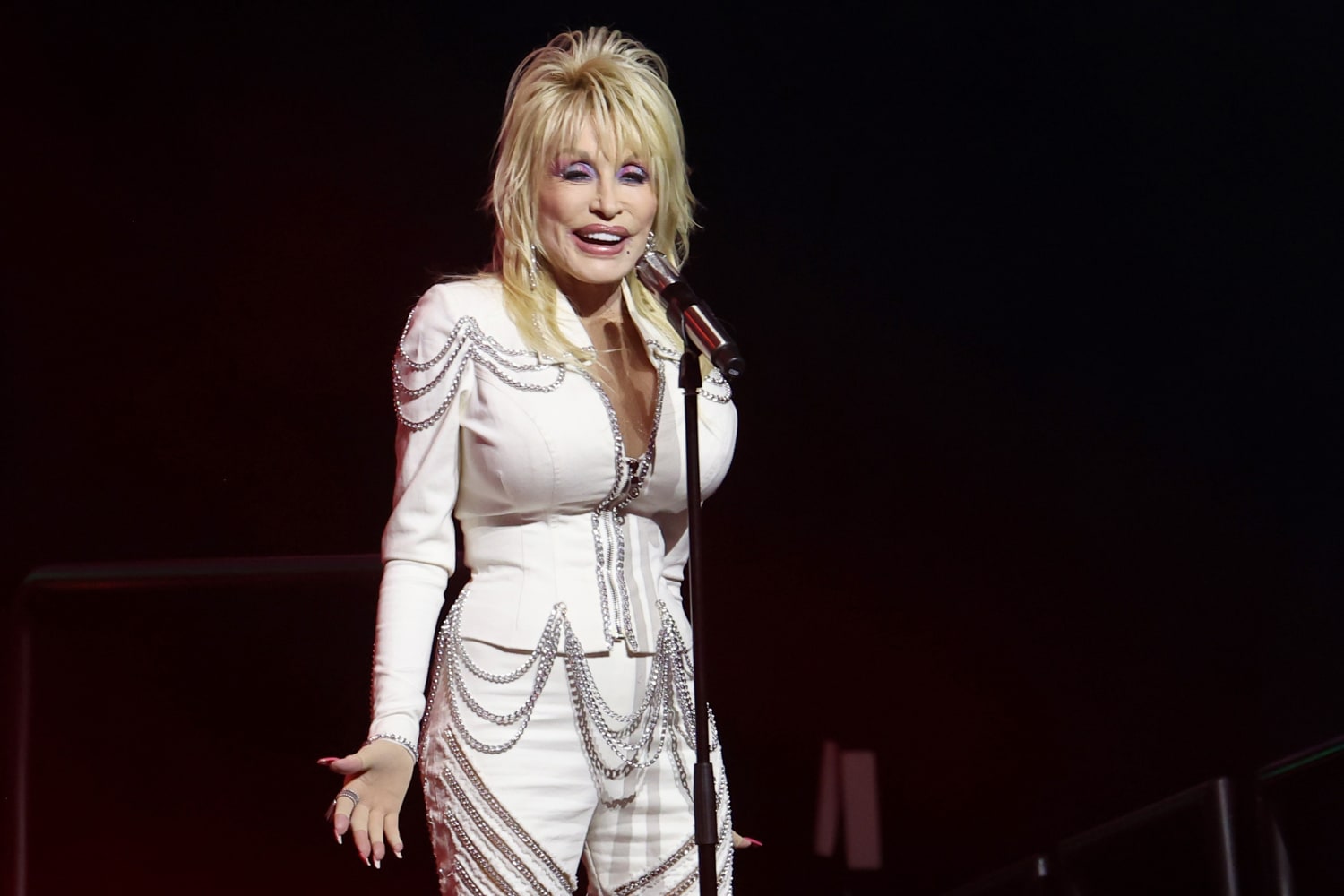
Parton is successfully transitioning from a “person” to an “institution.” Much like the brands of Coco Chanel or Walt Disney, the Parton brand is being built to survive its founder. By codifying her values—hard work, kindness, and self-expression—into her various business ventures, she is ensuring that the Dolly Parton brand will remain a staple of American culture for decades to come.
In conclusion, what has happened to Dolly Parton today is a transformation from a regional star into a global corporate powerhouse. Through a combination of visual consistency, strategic diversification, genuine philanthropy, and digital agility, she has built a brand that is as profitable as it is beloved. For professionals in the world of branding and marketing, the “Parton Model” offers a blueprint for building a brand that is not just a name, but a lasting cultural and economic legacy. Her ability to remain relevant while staying true to her roots proves that in the world of branding, authenticity is not just a buzzword—it is the ultimate competitive advantage.
aViewFromTheCave is a participant in the Amazon Services LLC Associates Program, an affiliate advertising program designed to provide a means for sites to earn advertising fees by advertising and linking to Amazon.com. Amazon, the Amazon logo, AmazonSupply, and the AmazonSupply logo are trademarks of Amazon.com, Inc. or its affiliates. As an Amazon Associate we earn affiliate commissions from qualifying purchases.