
In the landscape of modern media, few characters command the level of brand recognition and emotional equity associated with Detective Elliot Stabler of the Law & Order franchise. For over a decade, Christopher Meloni’s portrayal of the volatile yet dedicated lead in Law & Order: Special Victims Unit (SVU) served as a cornerstone of the NBC brand. However, his sudden departure at the end of Season 12 created a vacuum that remains one of the most significant case studies in television brand management. Understanding what happened to Detective Stabler requires more than a narrative summary; it demands an analysis of contract strategy, talent equity, and the high-stakes world of franchise expansion.

The Anatomy of a Powerhouse Brand: Building the Elliot Stabler Identity
The success of Law & Order: SVU was never merely about the procedural format created by Dick Wolf. It was built upon the chemistry and distinct brand identities of its dual leads: Olivia Benson and Elliot Stabler. While Benson represented the empathetic, moral compass of the series, Stabler’s brand was built on “The Protector” archetype—a man whose intensity and flaws made him a relatable figure for an audience seeking justice in a complex world.
Consistency as the Foundation of Loyalty
From 1999 to 2011, the Stabler brand was defined by unwavering consistency. His character traits—his Catholicism, his protective instincts as a father, and his “street justice” approach—were reinforced in every episode. In brand marketing, consistency is the primary driver of consumer trust. Fans didn’t just watch SVU; they invested in the stability of the Stabler-Benson partnership. This reliability turned a weekly procedural into a multi-billion-dollar cultural touchstone, demonstrating how a well-defined character brand can sustain a corporate entity for decades.
The Archetype of the “Relatable Protector”
Stabler functioned as a specific market differentiator. In a sea of stoic television detectives, his emotional volatility was a feature, not a bug. By positioning Stabler as a man constantly teetering on the edge of professional propriety, the showrunners created a high-engagement brand. Viewers remained “sticky” because they were perpetually invested in his personal redemption and his professional survival. This psychological hook is a classic brand strategy: create an emotional dependency by making the product (the character) feel human and indispensable.
The Sudden Exit: Managing the Brand Crisis
In 2011, the Law & Order brand faced its most significant disruption. Following the Season 12 finale, it was announced that Christopher Meloni would not be returning to the series. For the audience, the exit was jarring and lacked closure. For the producers, it was a masterclass in the difficulties of managing talent equity when contract negotiations reach a stalemate.
Contract Negotiations and the Value of Talent Equity
The departure was fundamentally a business decision. Reports at the time indicated that contract negotiations between Meloni and the network had broken down. In the world of personal branding and corporate identity, this highlights the inherent risk of a brand being overly reliant on a single individual. When an actor’s personal brand value exceeds the budget allocated by the corporate entity, a “brand divorce” becomes inevitable. The studio had to weigh the cost of Meloni’s salary against the projected revenue of a post-Stabler SVU. Ultimately, they gambled that the “Law & Order” mother-brand was strong enough to survive the loss of one of its primary pillars.
The Impact of an Abrupt “Off-Screen” Departure
The narrative choice to have Stabler retire off-screen, following a traumatic shooting in the precinct, was a controversial move in brand storytelling. By not giving the character a “heroic” send-off, the writers risked alienating the “customer base” (the fans). This created a decade-long period of brand dissonance, where the ghost of the Stabler brand haunted the SVU narrative. From a brand strategy perspective, this illustrates the danger of failing to provide a clean transition. When a major component of a brand is removed without a clear replacement or a satisfying conclusion, the remaining brand must work twice as hard to maintain its market position.
The Decade of Absence: Maintaining Brand Relevance in the Dark

For ten years, Elliot Stabler was absent from the screen, yet his brand value did not diminish. If anything, the scarcity of the character increased his “market price” in terms of audience demand. This period demonstrates how nostalgia can be leveraged to maintain a brand’s presence even when the product is no longer on the shelves.
The Power of Nostalgia and Scarcity
During the decade Stabler was gone, SVU continued to thrive, but the “Benson and Stabler” legacy remained a frequent topic of digital discourse. This was not accidental. The franchise occasionally referenced Stabler, keeping the intellectual property (IP) alive in the minds of the viewers. In marketing, this is akin to a “legacy product” that is discontinued but kept in the public consciousness through limited-edition mentions or archival footage. By the time the world reached the late 2010s, the demand for a Stabler return had reached a fever pitch, creating the perfect market conditions for a rebrand.
Fan-Driven Branding and the Digital Archive
The rise of social media and streaming platforms during Stabler’s absence allowed new generations to discover the character. Memes, fan edits, and “best of” compilations functioned as free organic marketing for the Stabler brand. This era proved that once a character brand achieves a certain level of cultural saturation, the audience takes over the role of brand manager. The digital archive ensured that Stabler remained a relevant “influencer” within the crime drama genre, even without a single minute of new footage.
The Return and Rebrand: Law & Order: Organized Crime
In 2021, the franchise executed one of the most successful brand relaunches in television history. The return of Elliot Stabler wasn’t just a guest appearance; it was the launch of a new sub-brand: Law & Order: Organized Crime. This move was a strategic masterstroke in franchise expansion and personal brand evolution.
Evolving a Legacy Brand for a New Era
The Stabler who returned was not the same man who left. The “new” Stabler brand was older, more contemplative, and grieving—following the tragic death of his wife, Kathy Stabler. This pivot allowed the writers to update the character for a modern audience that is more critical of police conduct. By rebranding Stabler as a man seeking reform and dealing with personal trauma, the creators protected the character from becoming an outdated relic. This is a vital lesson in brand strategy: to survive long-term, a brand must evolve its core values to align with contemporary social expectations.
Strategic Integration with the SVU Motherbrand
The launch of Organized Crime utilized a “halo effect” strategy. By heavily featuring crossovers with SVU, NBC ensured that the massive audience of the original show would migrate to the new series. The “Benson/Stabler” reunion was the primary marketing hook, serving as a high-value lead-in that guaranteed high ratings for the premiere. This cross-pollination of brands allowed the franchise to capture both old fans (motivated by nostalgia) and new fans (attracted by the serialized, gritty nature of the new show).
Lessons in Long-Term Brand Management
The trajectory of Detective Stabler from a procedural lead to a vanished icon, and finally to a serialized protagonist, offers several key takeaways for brand managers and corporate strategists.
Protecting Intellectual Property Through Character Development
The Stabler saga proves that characters are more than just plot devices; they are intellectual property assets with measurable financial value. A brand that invests in deep, multi-dimensional character development creates an asset that can be monetized for decades. Even when the “product” (the actor) is unavailable, the “brand” (the character’s history and traits) continues to hold equity that can be cashed in later.
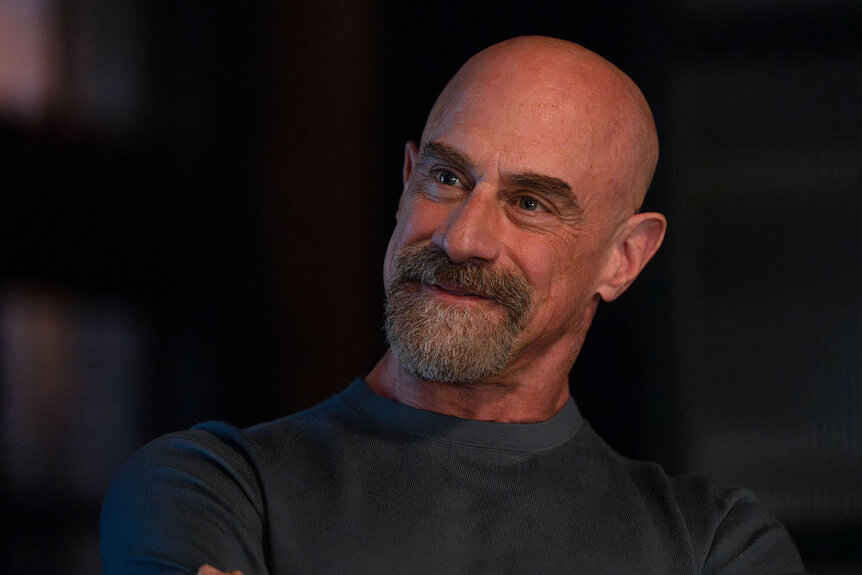
The Symbiotic Relationship Between Actor and Icon
Finally, the situation highlights the delicate balance between personal branding and corporate identity. Christopher Meloni’s personal brand is now inextricably linked to Elliot Stabler, just as the Law & Order brand is linked to him. While this synergy can lead to immense success, it also creates a dependency. Successful brand management in this context requires constant negotiation and a shared vision for the future. The “Organized Crime” era represents a successful realignment of these interests, proving that with the right strategy, even a decade-long hiatus can be turned into a profitable new chapter.
In conclusion, what happened to Detective Stabler was a complex interplay of contract logistics and narrative necessity. However, his journey serves as a powerful reminder that in the world of high-level branding, a well-built identity never truly disappears—it simply waits for the right market conditions to make a triumphant, and highly profitable, return.
aViewFromTheCave is a participant in the Amazon Services LLC Associates Program, an affiliate advertising program designed to provide a means for sites to earn advertising fees by advertising and linking to Amazon.com. Amazon, the Amazon logo, AmazonSupply, and the AmazonSupply logo are trademarks of Amazon.com, Inc. or its affiliates. As an Amazon Associate we earn affiliate commissions from qualifying purchases.