
In the annals of aviation and engineering, the “black box” is the ultimate truth-teller. When a flight goes silent or a system fails, we look to this device to reconstruct the final moments of operation. However, there is a technical irony that has persisted for decades: the black box is not black. It is International Orange—a high-visibility hue designed to be found in the wreckage of a disaster. This physical discrepancy serves as a powerful metaphor for the current state of technology. In an era dominated by artificial intelligence, complex algorithms, and proprietary software, the “black box” has become a symbol of opacity.
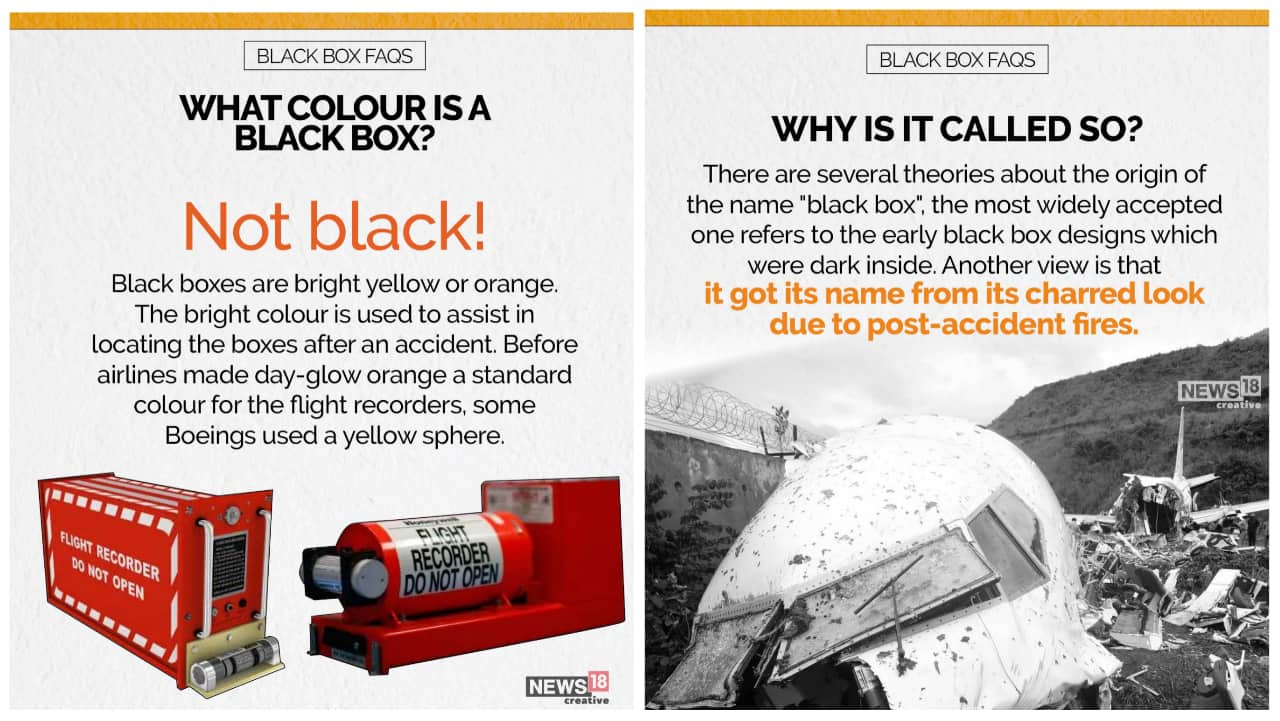
As we push deeper into the age of automation, the question “What colour is a black box?” is no longer a trivia question about flight recorders. It is an inquiry into the transparency, visibility, and accountability of the digital systems that govern our lives. If a system is functionally “black”—meaning its internal logic is hidden from the user—how do we paint it “orange” to ensure it remains safe, auditable, and understood?
The Architecture of Opacity: Why Tech Becomes a Black Box
To understand the colour of modern technology, we must first understand why systems become opaque. In traditional software engineering, logic is deterministic. A programmer writes a series of “if-then” statements; if you input X, the code follows a visible path to produce Y. You can open the file, read the lines of code, and trace the logic. This is a “white box” or “clear box” system.
However, the shift toward machine learning and deep neural networks has fundamentally altered this landscape. Modern AI models do not follow a set of human-written rules. Instead, they ingest massive datasets and “learn” patterns by adjusting billions of internal parameters. By the time a model is fully trained, even the engineers who built it cannot always explain why the system chose one output over another.
The Hidden Layers of Neural Networks
In a deep learning model, data passes through dozens or hundreds of “hidden layers.” Each layer extracts different features, from simple edges in a picture to complex concepts like human emotion. Because these calculations happen in a multi-dimensional mathematical space that exceeds human visualization, the internal process is effectively a black box. The “blackness” here isn’t a design choice; it is a byproduct of complexity. As we demand more powerful AI capable of recognizing nuances in speech, image, and medical data, we inherently sacrifice our ability to see the “colour” of the underlying logic.
Proprietary Obfuscation and “Security by Obscurity”
Beyond the inherent complexity of AI, many black boxes are created intentionally. Corporations often treat their algorithms as trade secrets. Whether it is a social media recommendation engine or a credit scoring model, the “black box” serves as a protective shell for intellectual property. While this benefits the bottom line, it creates a digital environment where the user is subject to decisions they cannot contest or understand. This is the “true black” of the tech world—a space where transparency is sacrificed for competitive advantage.
The Push for Explainable AI (XAI): Painting the Box Orange
Just as the aviation industry realized that a black flight recorder would be impossible to find at the bottom of the ocean, the tech industry is realizing that opaque AI is a liability. This has given rise to a field known as Explainable AI (XAI). The goal of XAI is to “paint the box orange”—to create tools and frameworks that allow humans to inspect, understand, and trust the outputs of complex models.
Techniques in Visibility
Engineers are developing several methods to shine a light into the hidden layers of software:
- Saliency Maps: In computer vision, these highlight exactly which pixels in an image led an AI to its conclusion. If a medical AI identifies a tumor, a saliency map shows the doctor the specific area the model focused on.
- LIME (Local Interpretable Model-agnostic Explanations): This technique creates a simplified, “local” version of a complex model to explain an individual decision. It tells the user, “For this specific case, these three variables were the most important.”
- Counterfactual Explanations: These provide transparency by showing what would need to change to get a different result. For example, “If your income had been $5,000 higher, your loan application would have been approved.”
By integrating these features, developers move away from the “black” of total mystery and toward the “orange” of operational visibility. This isn’t just a technical exercise; it is a requirement for high-stakes industries like healthcare, autonomous driving, and law enforcement, where a “because the computer said so” answer is insufficient.
Cybersecurity and the Paradox of Transparency
In the realm of digital security, the debate over the colour of the black box takes a different turn. There is a long-standing tension between “Security by Design” (transparency) and “Security by Obscurity” (opacity).
Proponents of the black box approach argue that if the internal workings of a security system—such as an encryption algorithm or a firewall’s logic—are hidden, they are harder to exploit. If an attacker cannot see how the lock is built, they cannot easily pick it. However, history has shown that this “black box” approach is often a house of cards. When a vulnerability is eventually found, the lack of public scrutiny means it has likely been exploited for years without detection.
The Power of Open Source
The “International Orange” of the cybersecurity world is open-source software. By making the source code available for anyone to audit, the “black box” is eliminated entirely. This transparency allows a global community of researchers to find and fix bugs before they can be leveraged by malicious actors. In this niche, “orange” means being visible enough to be criticized, which ultimately leads to a more resilient system. The most secure systems in the world, from the Linux kernel to the Signal encryption protocol, are those that have shed their black box status in favour of radical transparency.
Algorithmic Bias and the Need for Auditability
When a black box governs social systems—such as hiring platforms, parole algorithms, or ad-targeting engines—the lack of visibility can lead to systemic bias. If an algorithm is a black box, it can inadvertently learn and amplify human prejudices present in the training data. Because the logic is hidden, these biases remain “dark” until they cause real-world harm.
The Digital Flight Recorder
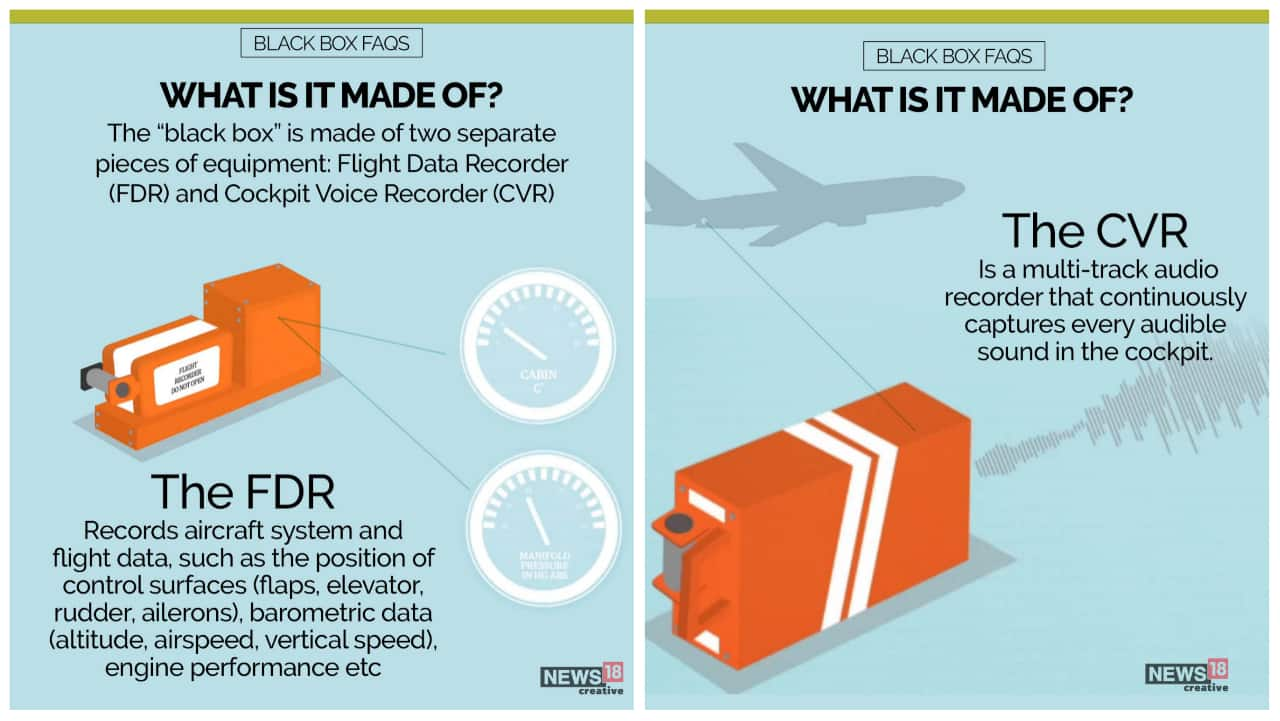
To solve this, many tech ethicists propose a literal interpretation of the black box metaphor: the implementation of “digital flight recorders” for high-impact algorithms. This would involve a standardized logging system that records the inputs, the decision path, and the output of an algorithm without necessarily exposing the trade-secret code itself.
By creating a searchable, auditable trail, we provide a way for regulators and ethics boards to “recover the box” after a systemic failure. If a hiring AI is found to be discriminating against a specific demographic, the audit trail allows investigators to pinpoint whether the issue was in the data, the weighting of variables, or the model’s objective function.

The Future: Towards a “Glass Box” Economy
As we look toward the future of technology, the trend is moving away from the opaque and toward the “glass box.” In a glass box system, transparency is a core feature rather than an afterthought. This shift is being driven by three main factors:
- Regulatory Pressure: Regulations like the EU’s AI Act are beginning to mandate transparency for “high-risk” AI systems. Companies will soon be legally required to explain how their automated systems make decisions.
- User Trust: As consumers become more tech-literate, they are less willing to trust systems that they don’t understand. Transparency is becoming a competitive advantage—a “brand colour” that signals reliability.
- Systemic Stability: As we integrate AI into critical infrastructure (like power grids and financial markets), the “black box” becomes a systemic risk. We need “orange” visibility to prevent cascading failures that no one knows how to stop.
So, what colour is a black box? In its raw, unrefined state, it is black—a void of information that hides complexity and risk. But in its most functional and responsible state, it must be orange. It must be high-visibility, easy to locate when things go wrong, and designed to survive the harshest scrutiny.
The goal of modern technology should not be to build more impenetrable black boxes, but to master the art of painting them. We must ensure that as our systems become more powerful and complex, they also become more legible. Only by turning the black box into an orange one can we ensure that the “truth” within our technology is accessible when we need it most. We don’t need fewer algorithms; we just need to see them more clearly.
aViewFromTheCave is a participant in the Amazon Services LLC Associates Program, an affiliate advertising program designed to provide a means for sites to earn advertising fees by advertising and linking to Amazon.com. Amazon, the Amazon logo, AmazonSupply, and the AmazonSupply logo are trademarks of Amazon.com, Inc. or its affiliates. As an Amazon Associate we earn affiliate commissions from qualifying purchases.