
When an investor asks, “What color is a diamond?” they are rarely looking for a simple aesthetic description. In the high-stakes world of alternative assets and luxury commodities, the color of a diamond is a primary metric of its intrinsic value, liquidity, and long-term appreciation potential. From the icy transparency of a perfect D-grade stone to the astronomical price tags of fancy vivid pinks, color is the silent arbiter of a diamond’s place on the balance sheet.
Understanding the color spectrum of diamonds is essential for any professional looking to diversify their portfolio into hard assets. While the “four Cs”—carat, cut, clarity, and color—work in tandem, color often acts as the most significant volatility factor in pricing. A single grade shift can represent a price variance of thousands, or even millions, of dollars.
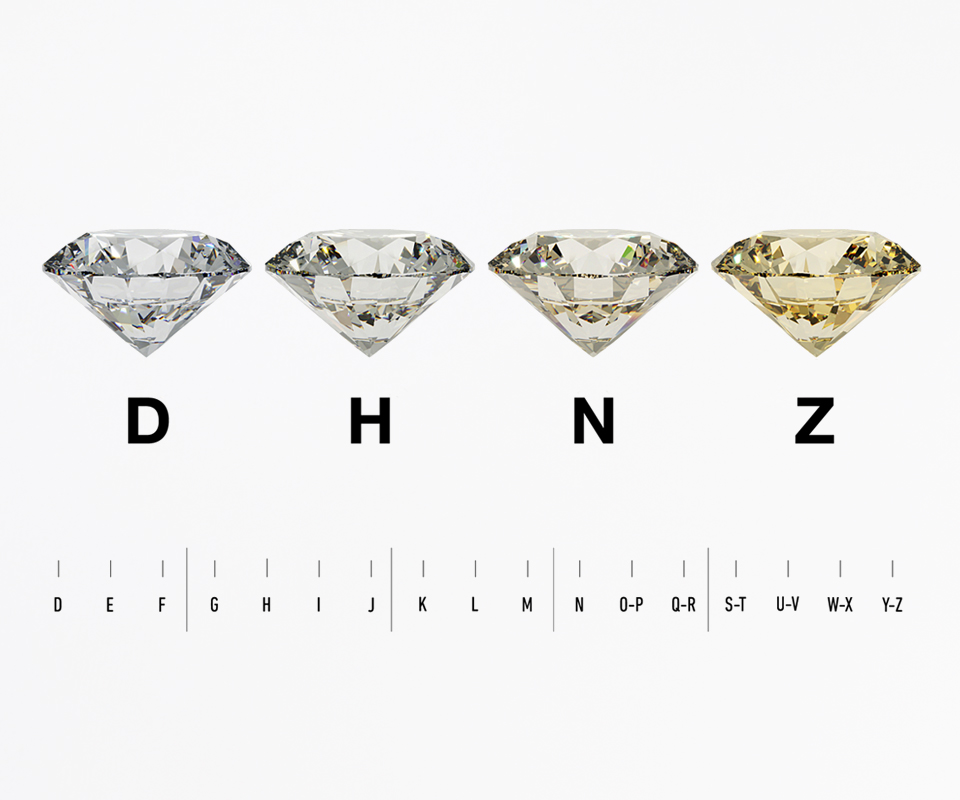
The Colorless Scale: Navigating the D-to-Z Valuation Standard
For the majority of the investment market, the term “color” refers to the absence of it. The Gemological Institute of America (GIA) established the industry-standard D-to-Z scale, which measures the degree of yellowness or brownness in a diamond. For the financial strategist, this scale is a roadmap for risk and reward.
The Investment Grade: D, E, and F
In the realm of capital preservation, the “Colorless” range (D-F) represents the blue-chip stocks of the gemstone world. A ‘D’ grade diamond is chemically pure and structurally perfect, showing no hue whatsoever. These stones are the most rare within the white diamond category and, consequently, command the highest premiums.
From a portfolio perspective, D-color diamonds offer the highest liquidity among white stones. Because they are the gold standard of purity, they are always in demand at international auction houses and among high-net-worth collectors. However, the “buy-in” price is significantly higher, meaning the barrier to entry is steeper for the novice investor.
The Near-Colorless Sweet Spot: G through J
For those focused on maximizing “face value” or looking for better margins in the retail arbitrage market, the “Near-Colorless” range (G-J) is where the most activity occurs. To the untrained eye, a G or H color diamond appears white, but it carries a significantly lower price per carat than a D or E.
In terms of business finance and jewelry trade, these grades offer the highest turnover. They provide the look of luxury without the extreme scarcity premium, making them the “mid-cap” equivalents of the diamond market. Investors often look for “eye-clean” stones in this range that can be flipped in the secondary consumer market for a consistent profit.
The Tints and the “Value Trap”
As the scale moves toward M and beyond, noticeable yellow tints appear. In the traditional investment sense, these are often considered less desirable. However, there is a niche market for “warm” stones. From a strictly financial standpoint, these grades are often high-risk because their resale market is thinner. Unless a stone reaches the “Fancy” classification, a faint yellow tint is generally viewed as a flaw that hampers the asset’s liquidity.
Fancy Color Diamonds: High-Alpha Alternative Assets
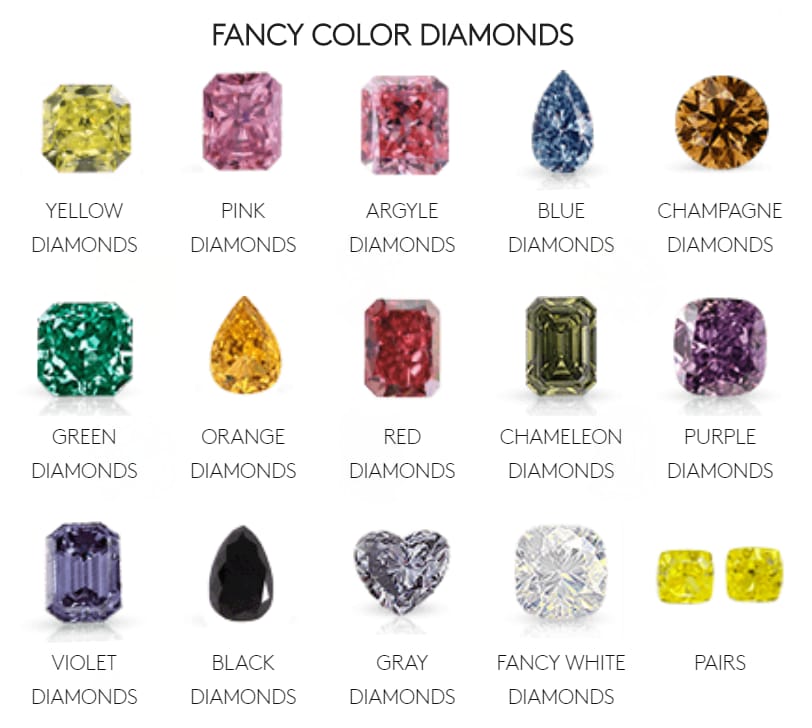
While the white diamond market follows a predictable, albeit slow, appreciation curve, the “Fancy Color” market operates on an entirely different economic plane. When a diamond possesses enough natural saturation to move off the D-to-Z scale, it becomes a “Fancy” diamond. These are the “unicorns” of the investing world.
The Rarity Premium of Pinks and Blues
The economics of fancy colored diamonds are driven by extreme scarcity. For every 10,000 colorless diamonds mined, only one natural colored diamond will be found. This rarity creates a price floor that is remarkably resilient to standard market fluctuations.
Pink, blue, and green diamonds have historically outperformed traditional indices like the S&P 500 in terms of percentage growth over decades. For instance, the closure of the Argyle mine in Australia, which produced the vast majority of the world’s pink diamonds, has created a supply-side shock. With no new supply entering the market, existing pink diamonds have seen their valuations skyrocket, making them a premier hedge against inflation and currency devaluation.
Assessing Saturation and Tone
In the fancy color market, the valuation is less about “purity” and more about “intensity.” A “Fancy Vivid” grade is the pinnacle of the market, representing the most saturated and vibrant hue.
Investors must understand the nuances of:
- Faint/Light: Lower investment potential.
- Fancy/Fancy Intense: The standard for mid-level collectors.
- Fancy Vivid/Fancy Deep: The highest tier of asset appreciation.
The color must be natural; any indication of high-pressure high-temperature (HPHT) treatment to enhance color will immediately disqualify a stone from being a serious investment-grade asset.

The Legend of the Red Diamond
Red diamonds are the most expensive color in the world, with prices often exceeding $1 million per carat. Because there are so few in existence, they rarely enter the open market, usually trading hands in private equity-style deals or high-end auctions. For the ultra-high-net-worth individual, a red diamond is less of a commodity and more of a legacy asset, serving as a concentrated store of wealth that is easily transportable across borders.
Market Liquidity and the Certification Factor
The color of a diamond is only as valuable as the paperwork that proves it. In the business of diamond trading, “subjective color” is a liability. For a diamond’s color to translate into liquid capital, it must be verified by a reputable third-party laboratory.
The Role of the GIA and IGI
Without a GIA (Gemological Institute of America) report, a diamond’s color grade is merely an opinion. For an investor, an uncertified stone is a “non-performing asset.” A GIA certificate provides a standardized language that allows the diamond to be traded globally. If you hold a “D-color, Internally Flawless” stone with a GIA report, a buyer in Hong Kong, London, or New York will recognize that value instantly. This standardization is what transforms a gemstone into a financial instrument.
Fluorescence: The Hidden Color Variable
A critical but often overlooked aspect of diamond color is fluorescence. About 30% of diamonds glow blue (or occasionally other colors) under UV light. In the colorless range (D-F), strong blue fluorescence is often viewed as a negative attribute that can lower the price by 15-25% because it can make the stone appear “oily” or “cloudy.”
Conversely, in the lower color grades (J-M), blue fluorescence can actually increase the value. The blue glow can counteract the yellowish tint, making the diamond appear whiter than its technical grade. Navigating these nuances is where savvy investors find “alpha” by identifying undervalued stones that present better than their technical specifications.
The Lab-Grown Disruption: A Shift in the Value Proposition
The emergence of lab-grown diamonds has fundamentally altered the “Money” aspect of diamond color. Using Chemical Vapor Deposition (CVD) or HPHT methods, labs can now create “D-color” diamonds at a fraction of the cost of mined stones.
Utility vs. Rarity
From a branding and consumer perspective, lab-grown diamonds are a success. However, from an investment and business finance perspective, they represent a different asset class entirely. Lab-grown diamonds do not hold resale value in the same way natural stones do. Because they can be manufactured in unlimited quantities, they lack the “scarcity of color” that drives the value of natural diamonds.
For an investor, the “color” of a lab-grown diamond is a feature of a consumer product, while the “color” of a natural diamond is a feature of a finite resource. It is vital for those entering the market to distinguish between buying for “adornment” and buying for “allocation.” The former is a sinking cost; the latter is a capital investment.
Strategic Asset Allocation: Integrating Diamonds into a Portfolio
Investing in diamonds based on color requires a long-term horizon. Unlike stocks or crypto, diamonds are not high-frequency trading vehicles. They are “silent” assets that offer privacy, portability, and protection against systemic financial collapse.
Diversification Strategies
A balanced gemstone portfolio might include:
- The Core: High-quality colorless diamonds (D-F) for steady growth and high liquidity.
- The Growth Sleeve: Fancy Yellow (Canary) diamonds, which are more affordable than pinks but have a strong and growing market.
- The Speculative Sleeve: Rare Fancy Pinks or Blues for high-risk, high-reward appreciation.
Maintenance and Carrying Costs
When calculating the ROI on diamond color, one must factor in the “carrying costs.” Unlike a dividend-paying stock, a diamond requires secure storage (private vaults), specialized insurance, and periodic re-certification. These costs can eat into the margins if the investor does not select a stone with a color grade rare enough to outperform these expenses.
Exit Strategies
The color of your diamond will dictate your exit strategy. A “Near-Colorless” stone is best sold through consumer-facing platforms or local jewelers. A “Fancy Vivid Blue” requires a relationship with a premier auction house like Sotheby’s or Christie’s. Understanding the end-game before the initial purchase is the hallmark of a professional gemstone investor.
Conclusion: The Financial Reality of the Spectrum
What color is a diamond? To the consumer, it is a matter of beauty. To the investor, it is a complex calculation of rarity, market demand, and chemical purity. Whether you are looking at the stark, cold brilliance of a colorless stone or the vibrant, high-alpha potential of a fancy red, color is the primary driver of value in the diamond market. By mastering the nuances of the color scale and understanding the economic forces behind scarcity, investors can turn these geological wonders into a robust and sparkling component of their financial future.
aViewFromTheCave is a participant in the Amazon Services LLC Associates Program, an affiliate advertising program designed to provide a means for sites to earn advertising fees by advertising and linking to Amazon.com. Amazon, the Amazon logo, AmazonSupply, and the AmazonSupply logo are trademarks of Amazon.com, Inc. or its affiliates. As an Amazon Associate we earn affiliate commissions from qualifying purchases.