
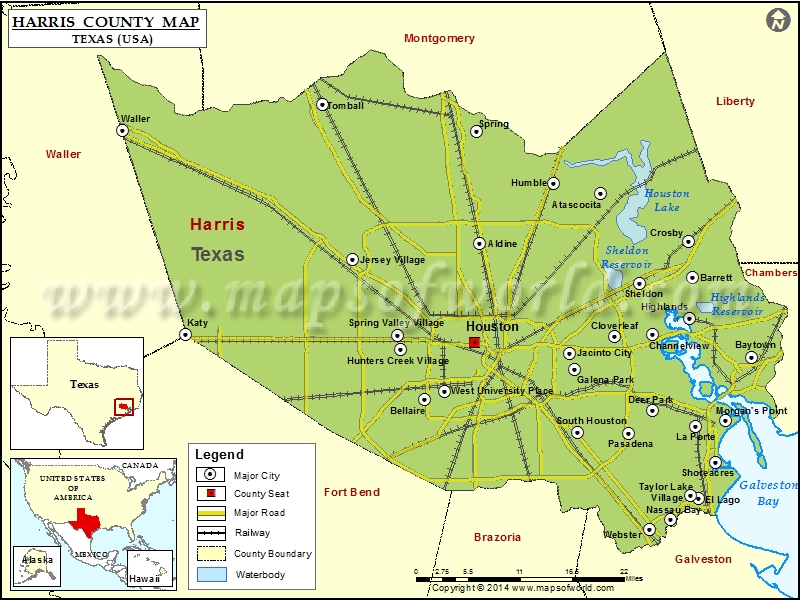
Harris County, Texas, represents one of the most dynamic economic engines in the United States. As the third-most populous county in the nation and the heart of the Houston-The Woodlands-Sugar Land Metropolitan Statistical Area (MSA), it serves as a global gateway for energy, healthcare, aerospace, and international trade. For the astute investor, business owner, or financial strategist, understanding the specific cities within Harris County is more than a lesson in geography—it is an essential exercise in identifying market trends, tax advantages, and growth corridors.
The county is home to over 30 incorporated cities, each offering a distinct fiscal profile. From the massive urban sprawl of Houston to the industrial powerhouses of the ship channel and the affluent residential enclaves of the northern and western reaches, the diversity of Harris County provides a multifaceted landscape for capital allocation.

The Core Economic Hubs: Major Municipalities and Industrial Engines
When analyzing the financial map of Harris County, one must begin with the primary drivers of the regional Gross Domestic Product (GDP). These cities are not merely population centers; they are hubs of industrial activity and corporate headquarters that dictate the flow of capital throughout the Gulf Coast.
Houston: The Global Financial Anchor
As the largest city in Texas and the fourth largest in the country, Houston is the undeniable center of gravity for Harris County. From an investment perspective, Houston is defined by its lack of zoning laws, which offers a unique (and often volatile) flexibility for real estate development. The city’s economy is anchored by the Texas Medical Center—the largest medical complex in the world—and a massive concentration of Fortune 500 companies. For investors, Houston represents a diversified portfolio: high-end commercial real estate in the Uptown/Galleria area, massive logistics opportunities near the Port of Houston, and a thriving tech scene in the Mid-Main and Ion districts.
Pasadena: The Petrochemical Powerhouse
Located southeast of Houston, Pasadena is a critical node in the global energy supply chain. Its financial identity is inextricably linked to the petrochemical industry and the Port of Houston. For industrial real estate investors, Pasadena offers a high-density environment of refineries and support services. The city has historically maintained a resilient economy during national downturns due to the essential nature of its manufacturing and refining output.
Baytown and Deer Park: Refining and Logistics
Extending further into the industrial heartland, Baytown (which spans Harris and Chambers counties) and Deer Park are essential to the county’s tax base. These cities are dominated by heavy industry, specifically energy giants like ExxonMobil and Shell. From a municipal finance perspective, these cities often boast robust infrastructure funded by industrial tax revenues, making them attractive for businesses that require high-capacity utility and transport connectivity.
High-Growth Residential and Commercial Corridors
In the last decade, the capital flow in Harris County has trended heavily toward the suburban peripheries. These cities have transitioned from “bedroom communities” into self-sustaining economic ecosystems with high purchasing power and appreciating property values.
Katy: The Westward Expansion
While the city of Katy itself is relatively small, the “Katy Area” is a massive economic zone extending across Harris, Waller, and Fort Bend counties. The Harris County portion of Katy has seen an explosion in high-end residential development and retail expansion. Financial advisors often point to the Katy Independent School District as a primary driver of real estate value. The area has also become a secondary hub for the energy industry, with the “Energy Corridor” sitting just to the east, making it a prime location for professional services and executive-level housing investments.
Cypress and Tomball: The Northern Growth Vectors
Cypress (largely unincorporated but a major economic district) and the city of Tomball represent the northern frontier of Harris County’s growth. Tomball, in particular, has positioned itself as a business-friendly municipality with a focus on medical services and light manufacturing. The completion of the Grand Parkway (State Highway 99) has unlocked billions in land value in these areas, transforming former agricultural land into master-planned communities and commercial power centers.
Spring and Humble: Connectivity and Commerce
The northern and northeastern portions of the county, including Spring and the city of Humble, benefit immensely from their proximity to George Bush Intercontinental Airport (IAH). Humble serves as a commercial hub for the Northeast Houston submarket, with a strong emphasis on logistics, hospitality, and retail. For investors looking for steady cash flow, the high traffic counts around the airport and the Eastex Freeway (US-59/I-69) offer sustainable opportunities in the service sector.
Boutique Municipalities and Affluence Clusters
Within the dense urban fabric of Harris County lie several “island cities”—incorporated municipalities entirely surrounded by the city of Houston. These enclaves offer some of the highest per-capita incomes and property values in the state.
The Memorial Villages and Bellaire
Cities such as Bunker Hill Village, Hedwig Village, Piney Point Village, and Bellaire are synonymous with wealth preservation. These municipalities have their own police forces, zoning regulations (unlike Houston), and highly restrictive building codes. For the high-net-worth individual, these cities represent “safe haven” real estate investments. The fiscal stability of these small municipalities is exceptional, often maintaining high credit ratings and low debt-to-income ratios due to their premium tax bases.
West University Place and Southside Place
Located near the Texas Medical Center and Rice University, West University Place is consistently ranked as one of the best-run small cities in the country. From a business perspective, the proximity to elite educational institutions and medical researchers creates a high-demand environment for professional office space and boutique retail. The land value in these areas has shown consistent appreciation, even during broader market corrections.
Navigating the Fiscal Landscape: Taxes, Incentives, and Regulation
Understanding what cities are in Harris County is only the first step; the second is understanding the financial mechanics that govern them. Texas is famous for its lack of state income tax, but this necessitates a reliance on property taxes and sales taxes to fund municipal services.
Property Tax and Appraisal Districts
In Harris County, property values are determined by the Harris Central Appraisal District (HCAD). Each city within the county sets its own tax rate, which is added to the county, school district, and community college rates. When calculating the Internal Rate of Return (IRR) on an investment property, one must account for these varying rates. For instance, an industrial property in an unincorporated area might have a lower tax burden than one within the city limits of a major municipality, though it may lack certain city-provided services.
Economic Development Corporations (EDCs)
Many cities within Harris County, such as Tomball, Baytown, and Pasadena, operate active Economic Development Corporations. These entities offer financial incentives, such as tax abatements, infrastructure grants, and job creation credits, to attract corporate relocation and expansion. For a business owner, choosing a city within Harris County often involves a cost-benefit analysis of these incentives versus the logistical advantages of the specific location.
Enterprise Zones and Opportunity Zones
Large swaths of Harris County, particularly in Houston and the eastern industrial cities, are designated as Federal Opportunity Zones. These zones provide significant capital gains tax incentives for long-term investments in economically distressed areas. Identifying which city boundaries align with these zones can result in millions of dollars in tax savings for large-scale development projects.

Strategic Outlook: Future Growth and Capital Allocation
As we look toward the next decade, Harris County’s economic geography continues to evolve. The shift toward a more “energy-transition” focused economy is beginning to impact cities like Baytown and Houston, where investments in hydrogen, carbon capture, and renewables are scaling up.
Investors should keep a close eye on the following trends within the county’s cities:
- Infrastructure Connectivity: Cities located along the Grand Parkway and the newly expanded portions of I-45 and US-290 will continue to see the highest rates of commercial land appreciation.
- Healthcare Decentralization: While the Texas Medical Center remains the heart of the industry, cities like Katy, Humble, and Tomball are seeing a surge in “satellite” medical campuses, creating new opportunities in medical office building (MOB) investments.
- Logistics Dominance: With the continued growth of e-commerce, any city within Harris County with easy access to I-10, I-45, or the Port of Houston is a prime candidate for industrial warehouse and distribution center development.
In summary, Harris County is not a monolithic market. It is a collection of diverse municipalities—from the industrial titans of the Ship Channel to the affluent enclaves of the Inner Loop and the booming suburbs of the North and West. For those looking to build wealth or expand a business, a deep understanding of these cities is the key to unlocking the immense financial potential of the Texas Gulf Coast. Whether you are looking for the high-yield potential of an emerging suburb or the stability of an established urban core, Harris County offers a city that fits your financial strategy.
aViewFromTheCave is a participant in the Amazon Services LLC Associates Program, an affiliate advertising program designed to provide a means for sites to earn advertising fees by advertising and linking to Amazon.com. Amazon, the Amazon logo, AmazonSupply, and the AmazonSupply logo are trademarks of Amazon.com, Inc. or its affiliates. As an Amazon Associate we earn affiliate commissions from qualifying purchases.