
The traditional image of a car battery involves two lead plates submerged in acid, providing a simple jolt of electricity to a starter motor. However, as automotive technology has transitioned from mechanical systems to software-defined vehicles, the question of “what charge car battery” has evolved into a complex discussion about power electronics, microprocessor-driven maintenance, and sophisticated chemical management. Modern charging is no longer just about passing a current through a lead-acid cell; it is an intricate dance of digital protocols and high-efficiency hardware designed to maximize the lifespan of the most critical component in a vehicle’s electrical architecture.
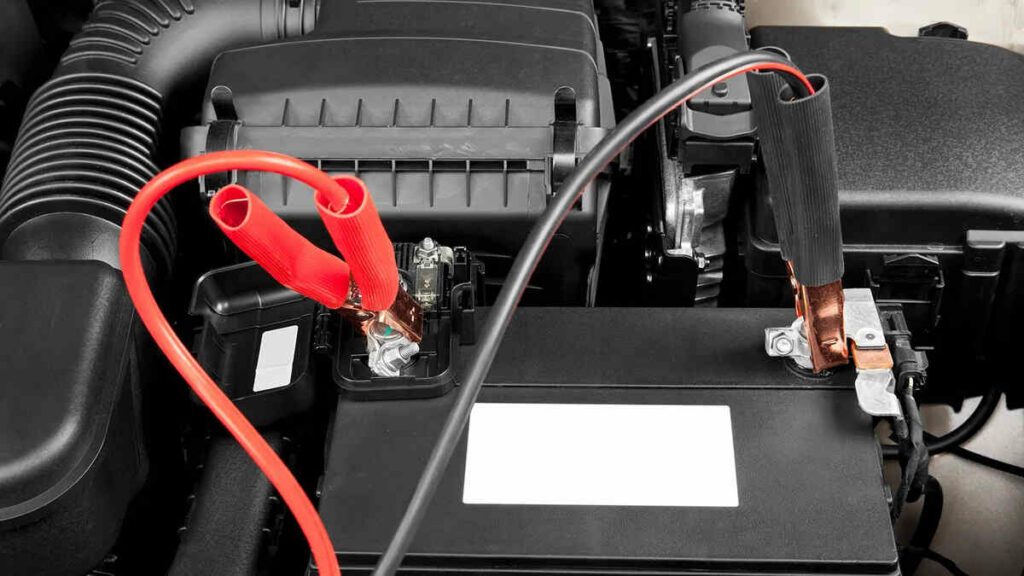
The Evolution of Charging Hardware: From Analog Transformers to Smart Microprocessors
Historically, charging a car battery was a “dumb” process. A basic transformer would convert AC wall power to DC, pushing a constant voltage into the battery regardless of its internal state. This often led to overcharging, electrolyte evaporation, and premature battery failure. Today, the tech landscape has shifted toward intelligent chargers powered by microprocessors and advanced switching power supplies.
Smart Chargers and Microprocessor Control
The current generation of battery chargers functions more like high-end gadgets than simple tools. These devices utilize integrated circuits (ICs) to monitor the battery’s voltage and internal resistance in real-time. By employing pulse-width modulation (PWM), these chargers can adjust the duty cycle of the electricity being delivered. This allows the device to provide a high current when the battery is depleted and taper it down to a “trickle” as the battery approaches its peak capacity. This precision prevents the thermal runaway that was common in older analog units.
The Rise of Gallium Nitride (GaN) Technology
In the realm of high-end automotive gadgets, Gallium Nitride (GaN) is replacing silicon as the primary semiconductor material in power conversion. GaN chargers are significantly more efficient, generating less heat and allowing for much smaller form factors. For the consumer, this means a portable emergency jump-starter or a high-speed charger can now fit in a glovebox while delivering the same power that used to require a unit the size of a briefcase. The efficiency of GaN also ensures that more energy from the outlet actually reaches the battery, reducing power waste and heat stress on the charging components.
Modern Battery Architectures: AGM, Lithium-Ion, and the Role of Software
The technology used to charge a battery is fundamentally dictated by the chemistry inside the “black box.” As vehicles incorporate more tech—from infotainment screens to autonomous driving sensors—the power requirements have moved beyond standard flooded lead-acid batteries.
Understanding AGM and EFB Tech
Absorbent Glass Mat (AGM) and Enhanced Flooded Batteries (EFB) are the current standards for vehicles equipped with stop-start technology. These batteries require a specific charging logic. Because AGM batteries are sealed and use a glass mat separator, they are sensitive to high voltages which can cause “gassing” and permanent damage. Modern smart chargers include dedicated software profiles for AGM batteries, capping the charging voltage (typically around 14.7V) to ensure the internal pressure valves are never compromised.
Lithium-Ion (LiFePO4) and Battery Management Systems (BMS)
The highest tier of automotive battery tech is the Lithium Iron Phosphate (LiFePO4) battery. Frequently found in high-performance cars and as a lightweight replacement for standard units, these batteries cannot be charged with traditional lead-acid equipment. They require a Battery Management System (BMS)—a sophisticated piece of onboard software and hardware that balances the voltage of individual cells.
If you use a “dumb” charger on a lithium battery, you risk a catastrophic failure. A dedicated lithium charger communicates with the BMS or follows a strict constant-current/constant-voltage (CC/CV) protocol. This level of technical oversight ensures that the battery remains stable, even during rapid charging cycles.
Intelligent Charging Protocols: The Multi-Stage Logic
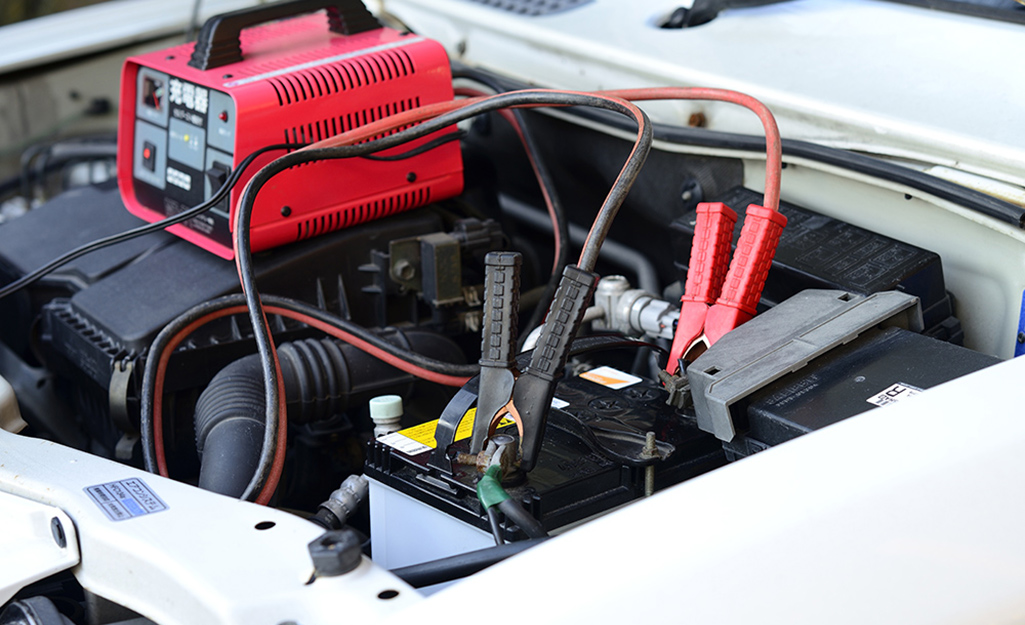
To understand what charges a car battery effectively, one must look at the software-driven “charging curves.” Modern chargers do not simply “on/off” the power; they move through a series of logical stages designed to optimize chemical reactions within the cells.
The 7-Stage Charging Cycle
Many professional-grade tech tools for battery maintenance now utilize a 7-stage or even 9-stage charging process:
- Desulphation: Using high-frequency pulses to break up lead-sulfate crystals that have hardened on the battery plates.
- Soft Start: A gradual introduction of power to protect deeply discharged batteries.
- Bulk Charge: Delivering the maximum current to bring the battery to roughly 80% capacity.
- Absorption: Holding the voltage steady while the current drops, ensuring the battery is saturated.
- Analysis: The charger pauses to monitor the voltage drop; if the voltage falls too quickly, the software flags the battery as defective.
- Recondition: A high-voltage, low-current stage to “equalize” the cells.
- Float/Maintain: Monitoring the battery indefinitely and providing tiny pulses of power to keep it at 100%.
Predictive Maintenance and Thermal Compensation
Temperature is the enemy of battery health. Advanced charging tech now includes thermal sensors that adjust the charging voltage based on ambient temperature. In freezing conditions, the chemical reactions are sluggish, requiring a higher voltage to push the current. In extreme heat, that same voltage would boil the electrolyte. Software-driven thermal compensation ensures that the charger “knows” the environment, adjusting its output dynamically to protect the hardware.
The Digital Ecosystem: IoT and App-Integrated Maintenance
The “Internet of Things” (IoT) has officially reached the garage. The latest trend in battery charging is the integration of wireless connectivity and mobile applications, turning a utility task into a data-driven experience.
Bluetooth and Wi-Fi Enabled Monitoring
Companies like CTEK, NOCO, and Victron Energy have introduced chargers that sync with smartphone apps via Bluetooth. This allows users to monitor the state of charge (SoC), voltage history, and estimated time to completion from their phones. For enthusiasts with multiple vehicles or remote storage, Wi-Fi-enabled chargers can send push notifications if a battery’s health drops below a certain threshold or if a power outage interrupts the charging process.
Cloud-Based Diagnostics
By collecting data on how a battery accepts a charge over time, cloud-based platforms can provide predictive analytics. If the software notices that the “Absorption” phase is taking longer than it did six months ago, it can alert the user that the battery is nearing its end-of-life before the car fails to start. This transition from reactive to proactive maintenance is a hallmark of modern automotive technology.
The Future of Vehicle Power: Bidirectional Charging and AI
As we look toward the future, the concept of charging a car battery is expanding to include the entire grid. We are moving away from a one-way flow of energy toward a bidirectional ecosystem.
Vehicle-to-Load (V2L) and Vehicle-to-Home (V2H)
While this tech is currently most prominent in Electric Vehicles (EVs), the ripple effect is hitting the 12V and 48V systems of internal combustion engine (ICE) cars as well. Bidirectional charging allows the vehicle’s battery to act as a giant power bank. Tech-heavy vehicles are now being designed to power laptops, tools, or even an entire house during a blackout. This requires sophisticated DC-to-AC inverters and complex software handshakes to ensure the vehicle retains enough “start” capacity while serving as an external power source.

AI-Optimized Energy Management
Artificial Intelligence is beginning to play a role in how batteries are managed. AI algorithms can analyze a driver’s habits—knowing that the car is usually parked at 6:00 PM and doesn’t move until 8:00 AM. The charging system can then synchronize with the local energy grid to charge only during off-peak hours when electricity is cheapest and cleanest, all while ensuring the battery is kept at its chemical “sweet spot” (usually between 20% and 80%) for as long as possible to prevent degradation.
The technology behind charging a car battery has moved far beyond the jumper cables of the past. It is now a high-tech field characterized by sophisticated semiconductors, complex software algorithms, and digital connectivity. Whether it’s through the use of GaN hardware for efficiency or IoT apps for remote monitoring, the “charge” in your battery is now managed by a digital brain designed for the 21st century.
aViewFromTheCave is a participant in the Amazon Services LLC Associates Program, an affiliate advertising program designed to provide a means for sites to earn advertising fees by advertising and linking to Amazon.com. Amazon, the Amazon logo, AmazonSupply, and the AmazonSupply logo are trademarks of Amazon.com, Inc. or its affiliates. As an Amazon Associate we earn affiliate commissions from qualifying purchases.