
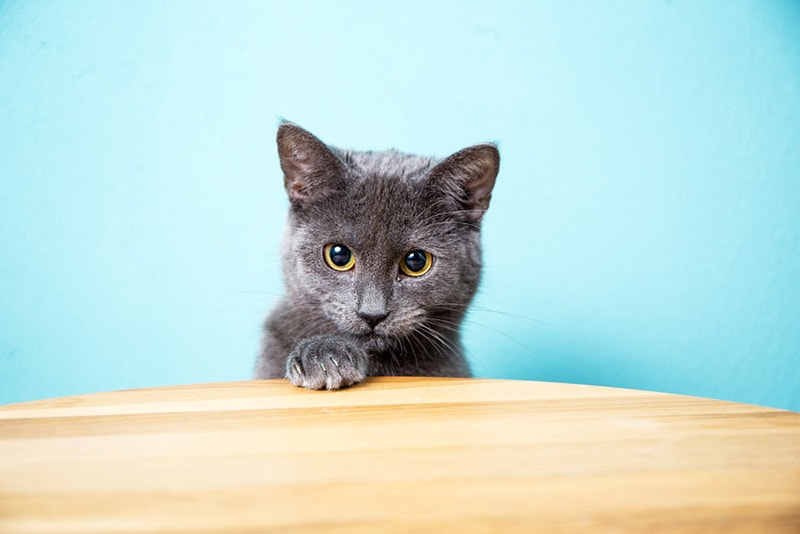
The question “what breed is my grey cat?” was once answered by anecdotal evidence, vet intuition, or leafing through encyclopedias of feline phenotypes. Today, however, the quest to identify a cat’s lineage has moved from the realm of guesswork into the high-tech landscape of artificial intelligence, machine learning, and advanced genomic sequencing. For the owner of a solid grey—or “blue”—feline, the distinction between a Russian Blue, a Chartreux, a British Shorthair, or a domestic shorthair with a dilute coat gene is now a problem solved by data science.
As the pet tech industry continues its rapid expansion, the tools available to consumers have become more sophisticated. We are no longer just looking at a coat color; we are analyzing digital patterns and biological markers to understand the complex history behind the animal on our sofa.
The Rise of Visual Intelligence in Feline Identification
In the current technological ecosystem, computer vision stands as the first line of inquiry for pet owners. If you are asking what breed your grey cat is, chances are you will start with an image. Computer vision, a field of artificial intelligence that trains computers to interpret and understand the visual world, has revolutionized how we categorize domestic animals.
How Convolutional Neural Networks “See” Your Cat
The underlying technology behind most breed identification apps is the Convolutional Neural Network (CNN). These are deep learning algorithms specifically designed for image processing. When you upload a photo of your grey cat, the AI does not simply “look” at the color. It decomposes the image into pixels and analyzes various features: the shape of the muzzle, the distance between the ears, the almond shape of the eyes, and the specific texture of the “blue” fur.
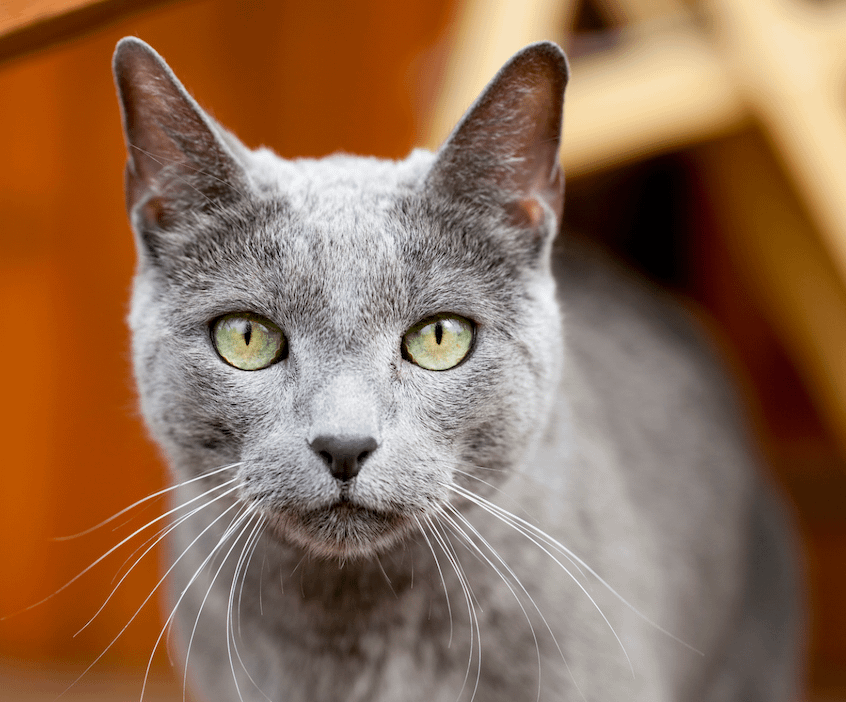
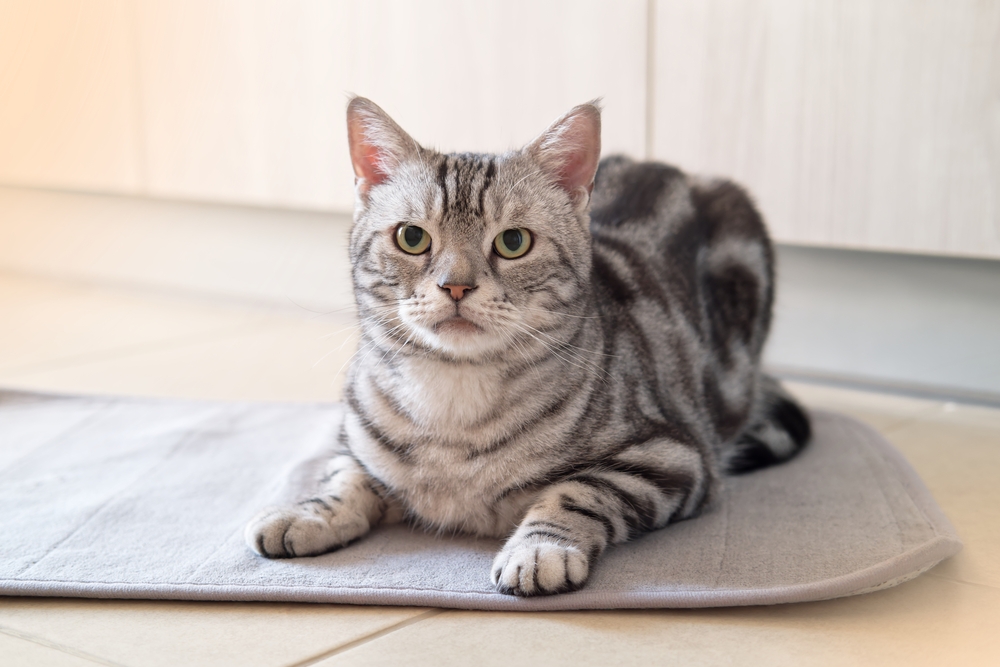
For a Russian Blue, the AI looks for a specific “smiling” expression and a double coat with a silvery sheen. For a British Shorthair, it identifies a more rounded head and denser bone structure. The neural network compares these features against a massive dataset of labeled images. Through a process called feature extraction, the software assigns a probability score to various breeds, providing the user with a data-driven estimate of their cat’s heritage.
Top-Tier Apps and Digital Tools
Several applications have dominated the market by offering high-accuracy visual identification. Tools like Cat Scanner or the integrated visual search capabilities in Google Lens and Apple Photos utilize cloud-based processing to deliver results in seconds. These apps are constantly improving through iterative learning; every time a user confirms or corrects a breed identification, the model becomes more refined.
However, visual tech has its limitations. Because the vast majority of cats are “random-bred” (domestic shorthairs or longhairs), they may express the physical traits of a specific breed without actually sharing its lineage. This is where the transition from visual tech to biological tech becomes essential.
Genomic Sequencing: Decoding the Ancestry Algorithm
When visual AI reaches its limits, pet owners are increasingly turning to Direct-to-Consumer (DTC) genetic testing. This is the “23andMe” for the feline world. If the question is “what breed is my grey cat?” and the visual answer is inconclusive, the genetic answer provides a map of the cat’s actual biological building blocks.
The Technology Behind Cat DNA Kits
Modern cat DNA kits, such as those produced by Basepaws or Wisdom Panel, rely on Single Nucleotide Polymorphism (SNP) genotyping. This technology looks for variations at specific positions in the feline genome. By analyzing thousands of these markers, scientists can compare a cat’s DNA against a reference database of pedigreed breeds.
The technical process involves extracting DNA from a cheek swab, amplifying it using Polymerase Chain Reaction (PCR), and then running it on a specialized chip. The resulting data is then processed through proprietary algorithms that calculate “breed similarity” scores. For a grey cat, this testing can reveal if the “blue” coat is a result of the melanophilin (MLPH) gene mutation inherited from a specific lineage or if it is a spontaneous expression in a mixed-breed population.
Decoding the Ancestry Algorithm and Health Markers
Beyond mere identification, these genetic platforms use machine learning to provide health insights. Many grey breeds are predisposed to certain genetic conditions. For instance, if the DNA test identifies a high percentage of Maine Coon ancestry in a grey longhair, the algorithm may flag a higher risk for Hypertrophic Cardiomyopathy (HCM).
The intersection of ancestry and health tech is a growing niche in the pet industry. By transforming raw genetic data into actionable health reports, these companies are shifting the narrative from “what breed is my cat?” to “how can I use this data to extend my cat’s life?”
IoT and Smart Monitoring for Phenotype-Specific Care
The tech journey does not end once the breed is identified. The modern “smart home” for pets utilizes the Internet of Things (IoT) to provide care that is tailored to the specific needs of certain breeds or phenotypes.
Wearables and Predictive Health Analytics
Once you have identified your grey cat’s breed, you can leverage wearable technology to monitor its health metrics. Devices like the Tractive or Whistle trackers use accelerometers and GPS to monitor activity levels. If your identification process revealed that your cat is a British Shorthair—a breed prone to obesity and sedentary behavior—you can use these apps to set specific activity goals.
Advanced wearables now utilize AI to establish a “baseline” of behavior. If the cat’s activity deviates from this baseline, the system sends an alert to the owner’s smartphone. This predictive analytics approach allows for early intervention in health issues, which is particularly useful for breeds known for hiding pain or illness.
Smart Feeders and Breed-Specific Nutritional Tech
The hardware side of pet tech has also seen a surge in “breed-aware” devices. Smart feeders, such as those developed by SurePetcare, use microchip or RFID technology to ensure that only a specific cat can access certain food. If you own multiple cats and have identified your grey cat as having specific nutritional requirements—perhaps a Chartreux that requires a high-protein diet to maintain its muscular frame—these devices allow for precision feeding in a multi-cat household.
Furthermore, some smart feeders are now integrating with weight scales to track consumption patterns over time, syncing this data with veterinary apps to provide a comprehensive look at the animal’s metabolic health.
The Future of Pet Tech: From Identification to Longevity
We are entering an era where the question “what breed is my grey cat?” is merely the entry point into a sophisticated ecosystem of digital pet management. The future of this niche lies in the integration of various data streams—visual, genetic, and behavioral—to create a “Digital Twin” of the pet.
AI-Driven Veterinary Diagnostics
The next frontier is the integration of consumer-facing identification tools with professional veterinary diagnostic software. Imagine a scenario where the photo you took to identify your cat’s breed is automatically analyzed by an AI for signs of dermatological issues or ocular changes. Companies are already working on “Petface AI” that can detect pain signatures in cats by analyzing facial micromovements.
As datasets grow, the accuracy of these diagnostic tools will improve, allowing for a proactive rather than reactive approach to feline health. The grey cat’s breed identification becomes a metadata tag in a larger health record that lives in the cloud, accessible by both the owner and the vet.
Ethical Considerations and Data Privacy in the Pet Industry
As we embrace these technological advancements, the pet tech industry must also grapple with issues of data privacy and ethics. The genetic data of millions of pets is currently held by private corporations. While this data is invaluable for research into feline longevity and disease prevention, it also raises questions about who owns the biological blueprint of our domestic companions.
Furthermore, as AI identification becomes more prevalent, there is the risk of “algorithm bias” where certain rare breeds or unique mixed-breed variations are misidentified due to lack of representation in the training data. Ensuring diversity in feline datasets is essential for the continued evolution of these tools.
Ultimately, identifying the breed of a grey cat in the modern age is an exercise in data literacy. By utilizing AI-powered visual searches, genetic sequencing, and IoT monitoring, owners can move beyond the surface level of coat color and gain a profound understanding of their pet’s biological identity. This technological shift is not just about satisfying curiosity; it is about leveraging the best of modern software and hardware to ensure our feline companions live healthier, longer, and more understood lives.
aViewFromTheCave is a participant in the Amazon Services LLC Associates Program, an affiliate advertising program designed to provide a means for sites to earn advertising fees by advertising and linking to Amazon.com. Amazon, the Amazon logo, AmazonSupply, and the AmazonSupply logo are trademarks of Amazon.com, Inc. or its affiliates. As an Amazon Associate we earn affiliate commissions from qualifying purchases.