
In an era of unprecedented geopolitical shifts, fluctuating inflation rates, and volatile markets, the definition of “safety” has evolved. For the modern investor, entrepreneur, and high-net-worth individual, a safe country is no longer defined solely by low crime rates or physical security. Instead, safety is increasingly measured by economic resilience, the rule of law, fiscal transparency, and the protection of private property.
When asking “what are the safest countries,” one must look through the lens of capital preservation and institutional integrity. Choosing a jurisdiction for business expansion, asset holding, or residency requires a deep dive into the underlying financial structures that guarantee long-term stability. This guide explores the safest countries in the world from a financial and strategic perspective, identifying the jurisdictions that offer the most robust protections for your wealth and business interests.
The Architecture of Financial Safety: What Defines a Secure Jurisdiction?
To identify the safest countries for money and investment, we must establish a framework of criteria. Financial safety is not an accidental byproduct; it is the result of decades—sometimes centuries—of deliberate policy-making and institutional discipline.
Macroeconomic Stability and Fiscal Discipline
A safe country is one that manages its balance sheet effectively. This includes maintaining a manageable debt-to-GDP ratio, controlled inflation, and a stable currency. Nations with “Triple-A” credit ratings from agencies like Standard & Poor’s or Moody’s represent the pinnacle of this stability. These ratings indicate a low risk of sovereign default, ensuring that the government is capable of meeting its financial obligations even during global downturns.
The Rule of Law and Judicial Independence
For business owners and investors, the legal framework is the ultimate safety net. A safe country possesses a judiciary that is independent of political influence. This ensures that contracts are enforced, intellectual property is protected, and disputes are settled through a predictable, transparent process. Countries following common law or highly evolved civil law systems often provide the highest levels of certainty for commercial transactions.
Regulatory Quality and Transparency
Safety is also found in the quality of financial regulation. The safest countries strike a balance between oversight and economic freedom. They have robust anti-money laundering (AML) frameworks that satisfy international standards (such as those set by the FATF), yet they provide a streamlined environment for legitimate business operations. High levels of transparency reduce the risk of systemic corruption, protecting investors from the hidden “costs” of doing business in less stable regions.
The Gold Standards of Capital Preservation
While many countries offer various degrees of security, a select few have built reputations as the world’s premier “safe havens.” These jurisdictions are the go-to destinations for those looking to shield assets from regional instability and currency devaluation.
Switzerland: The Historic Bastion of Stability
Switzerland remains the gold standard for financial safety. Its policy of armed neutrality has protected it from the ravages of European conflicts for over two centuries. Economically, the Swiss Franc (CHF) is often viewed as the world’s “hardest” currency, frequently appreciating during times of global crisis.
Switzerland’s safety is anchored in its decentralized political system and its tradition of banking excellence. The country offers a highly sophisticated financial ecosystem, making it an ideal hub for wealth management and global asset custody. For the investor, Switzerland represents a hedge against the volatility of the Eurozone and the United States.
Singapore: The Fortified Gateway of Asia
In the East, Singapore stands as a paragon of economic safety. Since its independence, the city-state has transformed into one of the world’s most competitive economies. Singapore’s safety is derived from its draconian adherence to the rule of law and its status as a global fintech and trading hub.
The Monetary Authority of Singapore (MAS) is widely regarded as one of the most competent central banks in the world. For business finance, Singapore offers an attractive tax regime, a lack of capital gains tax, and a strategic location that serves as a bridge between Western capital and Asian growth markets. Its political stability is virtually unmatched, providing a long-term horizon for corporate planning.
Norway: The Sovereign Wealth Powerhouse
Norway offers a unique brand of safety rooted in its immense natural resources and disciplined fiscal management. Through the Government Pension Fund Global—the world’s largest sovereign wealth fund—Norway has built a massive financial cushion that insulates the domestic economy from external shocks.
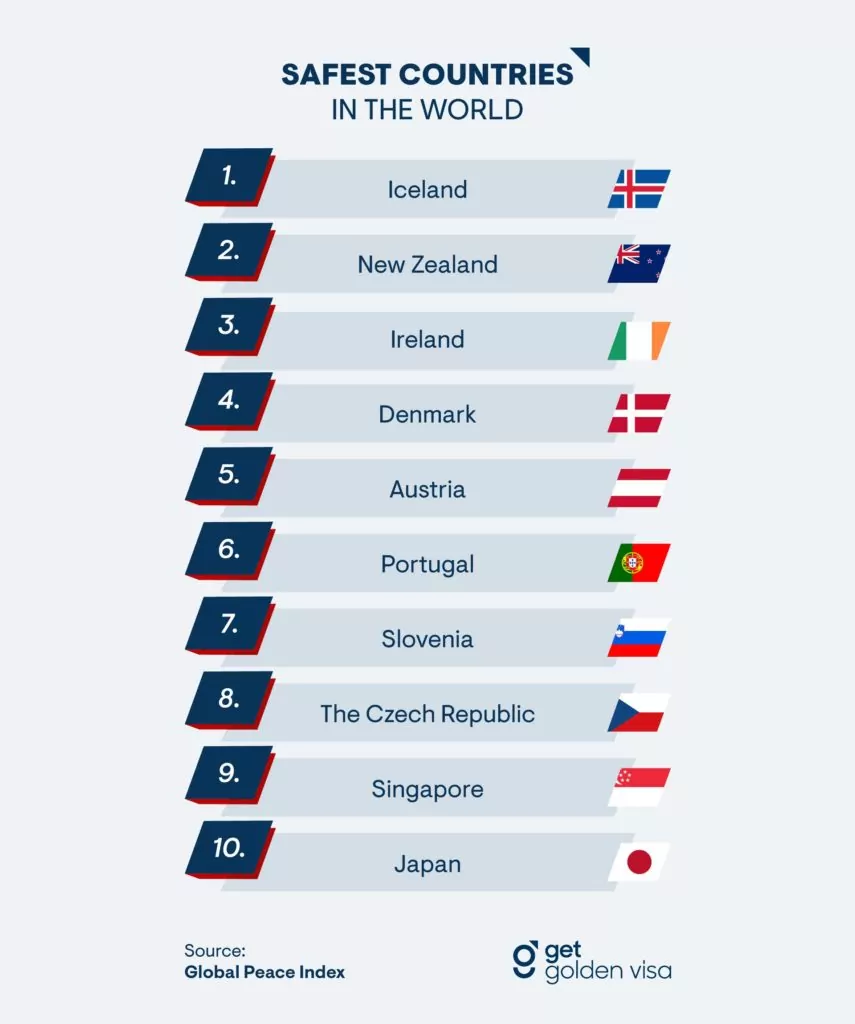
Norway’s safety is bolstered by its high level of social trust and transparent governance. For investors, this translates into a predictable regulatory environment and a high degree of protection for minority shareholders. While it is not a traditional “offshore” hub in the same vein as Switzerland, its fundamental economic strength makes it one of the safest jurisdictions to hold capital in Northern Europe.
Emerging Safe Havens for Business Growth and Digital Assets
As the global economy digitizes, new jurisdictions are emerging as safe havens by offering specialized legal frameworks for technology, entrepreneurship, and modern finance.
The United Arab Emirates (UAE): A Modern Financial Fortress
The UAE, particularly Dubai and Abu Dhabi, has rapidly ascended the ranks of safe countries for business. By creating “special economic zones” like the Dubai International Financial Centre (DIFC) and the Abu Dhabi Global Market (ADGM), the UAE has effectively imported international common law frameworks.
This allows businesses to operate within a legal system that is familiar to Western investors while benefiting from a zero-tax environment (for most sectors) and world-class infrastructure. The UAE’s commitment to diversifying its economy away from oil has led to significant investments in digital security and financial technology, making it an increasingly attractive haven for digital nomads and global entrepreneurs.
Estonia: The Digital Republic
Estonia has redefined safety through the lens of digital infrastructure. As the first country to offer “e-Residency,” Estonia allows global entrepreneurs to establish and manage an EU-based company entirely online. The safety here lies in the “X-Road” infrastructure—a secure, decentralized data exchange layer that ensures the integrity of government and financial records.
From a business finance perspective, Estonia’s unique tax system—where corporate income tax is only paid on distributed profits—allows companies to reinvest 100% of their earnings tax-free. This fosters rapid growth and provides a safe, efficient base for startups looking to access the European Single Market.
Strategic Diversification: The Ultimate Safety Protocol
Understanding “what are the safest countries” is only the first step. For true financial security, the most sophisticated strategy is not to rely on a single jurisdiction, but to engage in geographical diversification.
Asset Protection Through Multiple Jurisdictions
Even the safest country can face unforeseen risks. Therefore, many high-level investors utilize a strategy known as “Flag Theory.” This involves spreading one’s financial “flags” across multiple nations:
- Residency in a country with high quality of life and physical safety.
- Business Incorporation in a jurisdiction with favorable tax laws and robust corporate governance.
- Banking and Asset Custody in a neutral, highly stable financial center.
- Digital Assets stored in jurisdictions with clear, supportive regulatory frameworks for blockchain technology.
The Role of Residency and Citizenship by Investment
In the current climate, many are seeking “safety” through mobility. Countries like Malta, Portugal, and several Caribbean nations offer residency or citizenship programs in exchange for financial investment. These programs provide a “Plan B,” allowing individuals to move their families and their capital to a safer environment on short notice should their home country experience political or economic upheaval. This form of “sovereign diversification” is becoming a standard tool for protecting personal and family wealth.

The Future of Global Financial Security
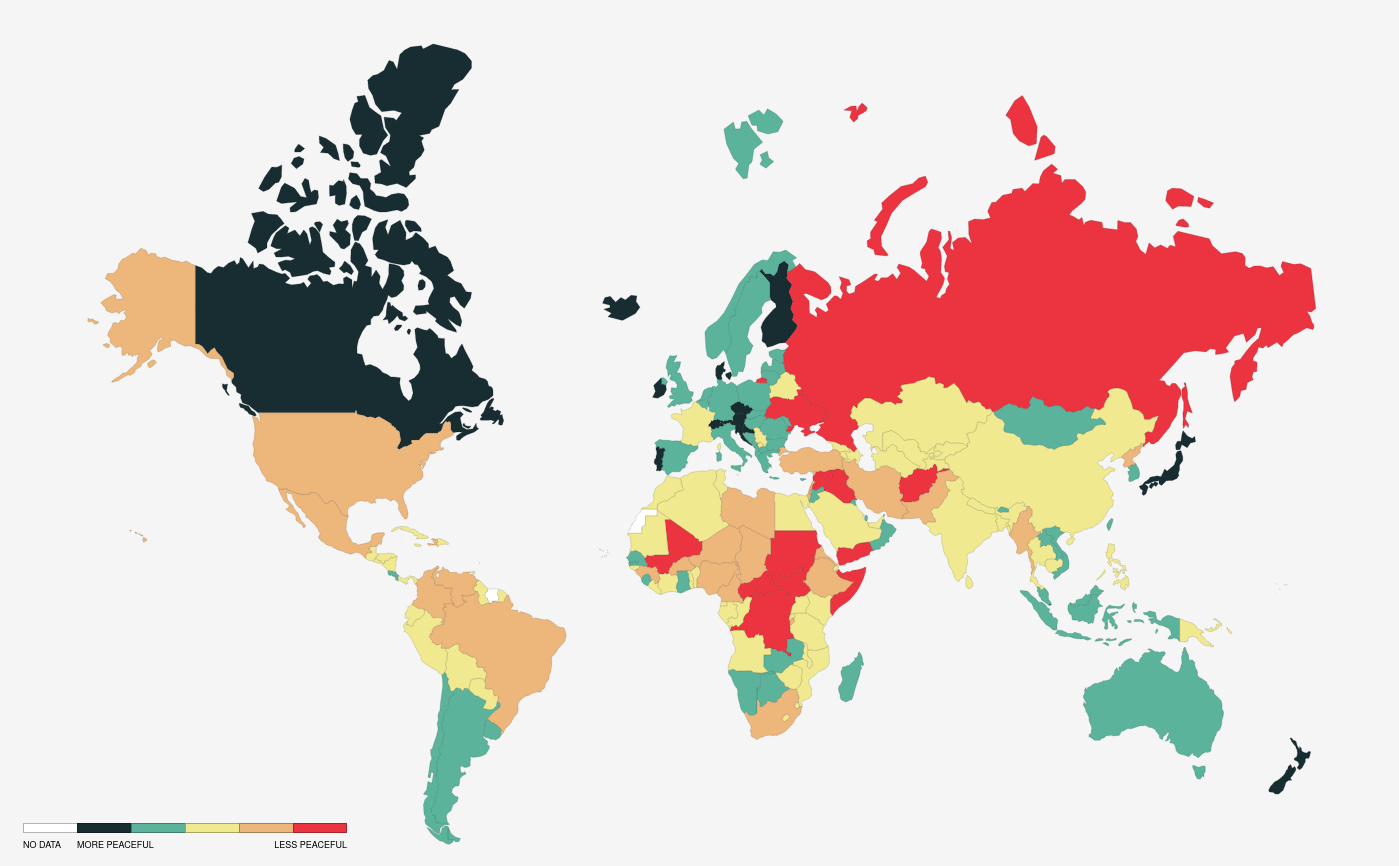
The map of the world’s safest countries is not static. As global debt levels rise and geopolitical tensions reshape trade routes, the jurisdictions that will remain safe are those that prioritize innovation, maintain low debt, and respect the rights of the individual investor.
Safety in the 21st century is found at the intersection of technological advancement and traditional fiscal conservatism. Whether it is the centuries-old reliability of the Swiss banking system or the cutting-edge digital governance of Estonia, the safest countries are those that provide a predictable environment for capital to grow and be protected.
For the proactive investor, the quest to identify these safe havens is a continuous process of monitoring economic data and policy shifts. By positioning assets in jurisdictions that value the rule of law and maintain fiscal integrity, one can navigate the complexities of the modern financial world with confidence. True safety is not merely the absence of risk, but the presence of a robust, transparent, and resilient system designed to withstand the tests of time.
aViewFromTheCave is a participant in the Amazon Services LLC Associates Program, an affiliate advertising program designed to provide a means for sites to earn advertising fees by advertising and linking to Amazon.com. Amazon, the Amazon logo, AmazonSupply, and the AmazonSupply logo are trademarks of Amazon.com, Inc. or its affiliates. As an Amazon Associate we earn affiliate commissions from qualifying purchases.