
In the realm of personal finance and estate planning, the term “terminal illness” carries weight far beyond its medical implications. While a physician views a terminal diagnosis through the lens of pathology and palliative care, a financial advisor or insurance underwriter views it through the lens of liquidity, asset protection, and the accelerated maturation of long-term financial instruments. Understanding what terminal illnesses are from a financial perspective is critical for any robust wealth management strategy, as these conditions trigger specific legal rights, insurance benefits, and tax implications that can either preserve or deplete a family’s net worth.
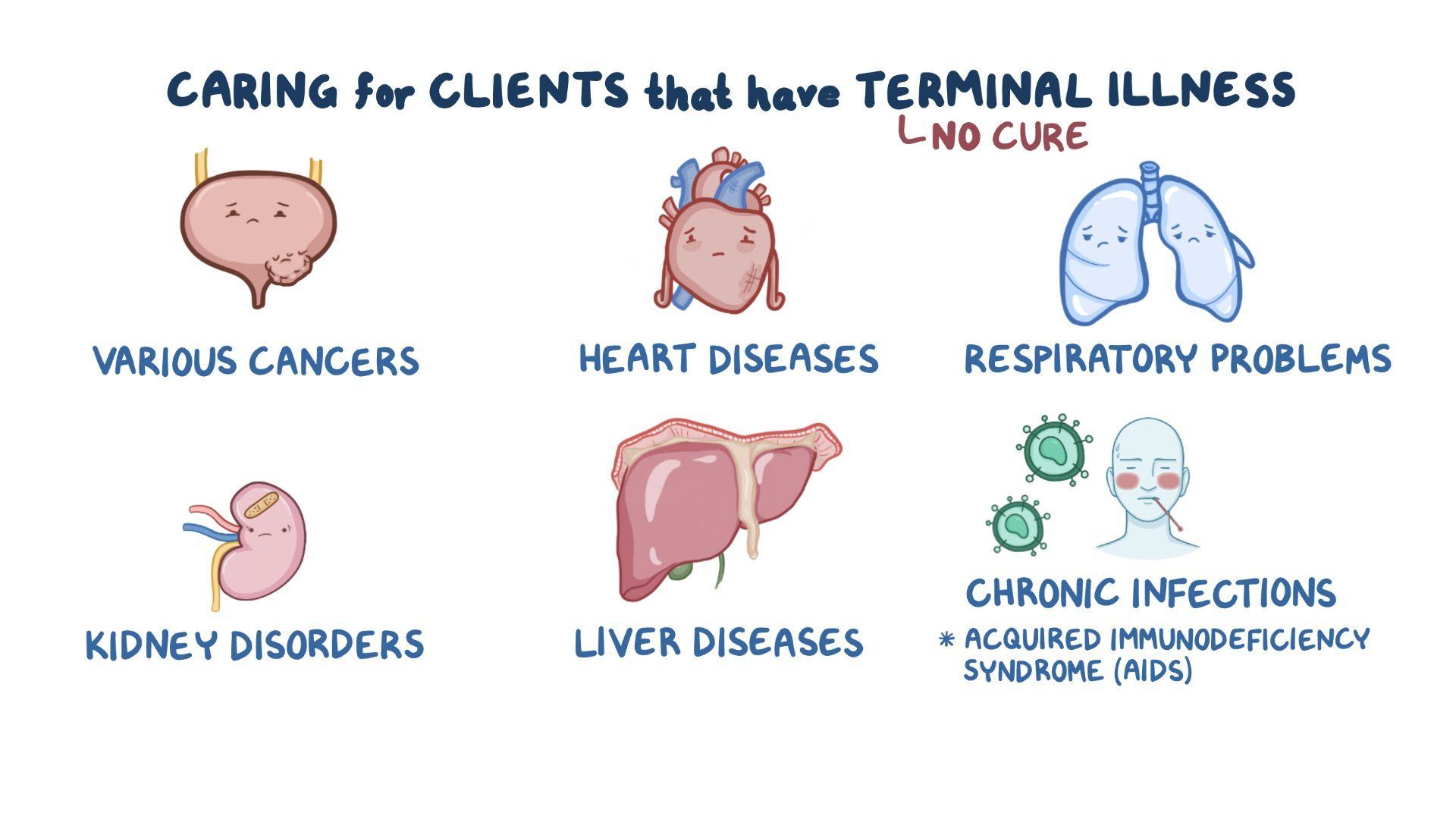
From a financial standpoint, a terminal illness is generally defined as an incurable condition that is expected to result in death within a specific timeframe—usually 12 to 24 months—as certified by a qualified medical professional. This classification acts as a “key” that unlocks various financial doors, ranging from Social Security benefits to the early payout of life insurance policies.
The Insurance Perspective: Defining Terminal Illness for Liquidity
In the insurance industry, terminal illness is a contractual trigger. Most modern life insurance policies include or offer an “Accelerated Death Benefit” (ADB) rider. This feature allows the policyholder to access a significant portion of their death benefit while they are still alive, provided they meet the definition of being terminally ill.
Accelerated Death Benefits and Financial Flexibility
The primary purpose of an ADB is to provide immediate liquidity. When a policyholder is diagnosed with a terminal illness, the financial strain often comes from two directions: the cessation of income and the exponential increase in medical expenses. By accessing 50% to 80% of the death benefit early, the individual can settle outstanding debts, pay for experimental treatments not covered by traditional health insurance, or simply ensure that their family’s lifestyle remains stable during a period of transition.
It is important to note that the internal revenue code often treats these accelerated payments as tax-free, provided the recipient meets the specific legal definition of “terminally ill.” This makes insurance policies one of the most efficient financial tools for managing the end-of-life economic transition.
The Role of Viatical Settlements
For individuals who may not have an ADB rider or who require more liquidity than their policy allows, the “viatical settlement” market serves as a vital financial alternative. In a viatical settlement, a terminally ill person sells their life insurance policy to a third-party investor for a lump sum that is higher than the cash surrender value but lower than the full death benefit.
The investor takes over the premium payments and collects the full benefit upon the seller’s passing. From an investment standpoint, this provides the policyholder with immediate “living benefits,” allowing them to redirect capital into high-priority areas like estate taxes or debt elimination.
The Economic Impact of a Terminal Diagnosis
The financial reality of a terminal illness is often characterized by a “wealth shock.” This is a sudden, significant decrease in net worth due to unforeseen circumstances. Managing this shock requires an understanding of how terminal illnesses interact with one’s earning capacity and capital reserves.
Loss of Earning Capacity and Disability Integration
For many high-earning professionals, the most immediate financial blow of a terminal illness is the loss of future earnings. This is where the intersection of disability insurance and terminal illness definitions becomes crucial. Short-term and long-term disability policies may bridge the gap, but they rarely cover the full scope of lost bonuses, stock options, or retirement contributions.
Financial planning for a terminal illness must involve a “burn rate” analysis—calculating how long existing assets will last under the dual pressure of zero income and high expenditure. In many cases, transitioning from a growth-oriented investment portfolio to a more liquid, conservative allocation is necessary to ensure that funds are available when medical bills arrive.
Skyrocketing Healthcare Costs and Debt Management
Medical debt remains a leading cause of financial insolvency. Terminal illnesses often involve intensive care, specialized medication, and home-care services that can quickly exceed the out-of-pocket maximums of standard health insurance plans.
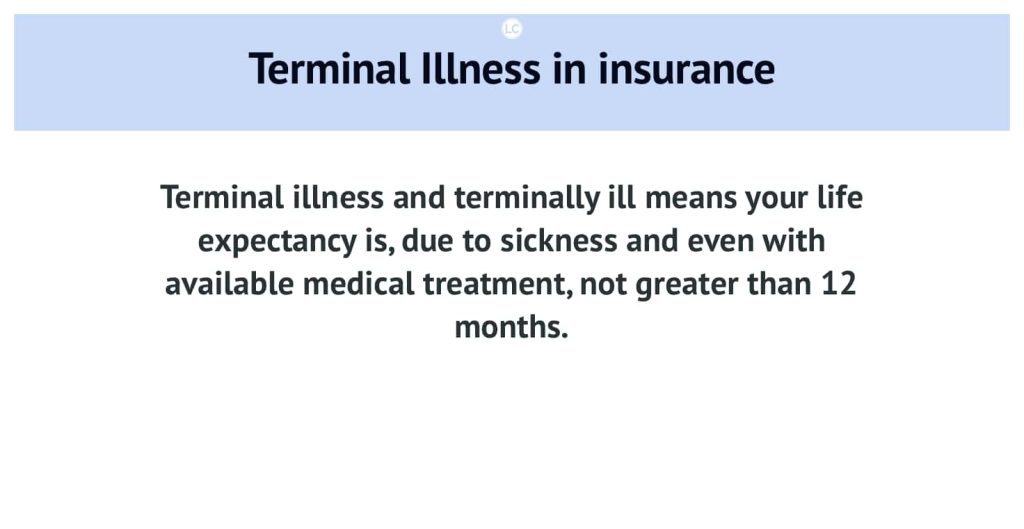
From a business finance perspective, managing these costs involves negotiating with providers and utilizing Health Savings Accounts (HSAs) effectively. Because HSA funds are triple-tax advantaged, using them for terminal illness expenses is one of the most efficient ways to deploy capital. Furthermore, understanding the legalities of which debts are “extinguished” upon death versus which debts are passed to an estate is a vital component of protecting the remaining family assets.
Strategic Financial Planning for End-of-Life
When a diagnosis is confirmed, the focus shifts from wealth accumulation to wealth preservation and efficient transfer. The financial definition of terminal illness provides a window for “crisis planning” that can save an estate thousands in taxes and legal fees.
Estate Planning and Asset Protection
A terminal illness diagnosis should immediately trigger a review of all estate planning documents. This includes the transition of assets into Living Trusts to avoid the costly and public process of probate. In the context of terminal illness, “Step-up in Basis” becomes a critical tax strategy. If an individual holds highly appreciated assets, such as stocks or real estate, holding those assets until death allows the heirs to inherit them at their current market value, effectively wiping out the capital gains tax liability that would have occurred if the assets were sold during the individual’s lifetime.
Succession Planning for Business Owners
For entrepreneurs and small business owners, a terminal illness is a corporate crisis as much as a personal one. The “terminal” status of a key executive can trigger “Buy-Sell Agreements” funded by life insurance. This ensures that the business can continue to operate and that the deceased partner’s family receives a fair market value for their share of the company without draining the business’s operational cash flow.
Without a clear definition of what constitutes a “triggering event” (such as a terminal diagnosis), a business can enter a state of paralysis, leading to a loss of client confidence and a decline in brand equity.
Navigating Government Support and Financial Relief
The government recognizes the unique financial burden of terminal illnesses through specific programs designed to bypass standard bureaucratic delays. These programs are essential for individuals whose private savings or insurance may be insufficient.
Social Security Disability Insurance (SSDI) and Compassionate Allowances
Typically, the application process for Social Security Disability Insurance can take months or even years. However, the Social Security Administration maintains a list of “Compassionate Allowances.” This program identifies diseases and conditions that, by definition, meet the standard for disability.
For those with a terminal illness listed under this program, the approval process is fast-tracked. This provides a reliable, albeit often modest, stream of income that can help cover basic living expenses. Understanding the nuances of these filings is a critical part of financial advocacy for the terminally ill.
Tax Deductions for Medical Expenses
Under current tax law, medical expenses are deductible to the extent that they exceed a certain percentage of the taxpayer’s adjusted gross income (AGI). In the final stages of a terminal illness, these expenses—ranging from nursing care to modifications of a primary residence—can become so substantial that they effectively eliminate the individual’s income tax liability for their final year. A savvy financial strategy involves timing the liquidation of taxable accounts (like traditional IRAs) to coincide with these high medical deductions, allowing for tax-free or low-tax withdrawals.

Conclusion: The Financial Imperative of Understanding Terminal Illness
While the medical definition of a terminal illness focuses on the end of life, the financial definition focuses on the preservation of a legacy. By viewing terminal illness through the lens of insurance triggers, tax strategies, and liquidity events, individuals can navigate an incredibly difficult period with a sense of control and security.
Whether it is through the activation of life insurance riders, the strategic use of viatical settlements, or the rapid restructuring of an estate, the financial tools available today are designed to mitigate the “wealth shock” of a terminal diagnosis. For the investor, the business owner, and the family provider, knowing “what are terminal illnesses” in a financial context is the first step toward ensuring that a lifetime of hard work and saving is protected for the next generation.
aViewFromTheCave is a participant in the Amazon Services LLC Associates Program, an affiliate advertising program designed to provide a means for sites to earn advertising fees by advertising and linking to Amazon.com. Amazon, the Amazon logo, AmazonSupply, and the AmazonSupply logo are trademarks of Amazon.com, Inc. or its affiliates. As an Amazon Associate we earn affiliate commissions from qualifying purchases.