
In the competitive landscape of the quick-service restaurant (QSR) industry, few items occupy as unique a space as Taco Bell’s Cinnamon Twists. To the casual consumer, they are a light, airy, and sweet conclusion to a savory meal. However, from a brand strategy and corporate identity perspective, the Cinnamon Twist is a masterclass in product engineering, cost-efficiency, and sensory branding. Understanding what these snacks are “made of” requires looking beyond the literal ingredient list and into the strategic DNA that has allowed this item to remain a menu staple for decades.
The Engineering of an Iconic Brand Asset
When we examine the anatomy of a successful brand asset, we look for consistency, recognizability, and a unique value proposition. The Cinnamon Twist fulfills all three. While many competitors focus on heavy, dough-based desserts like cookies or pies, Taco Bell opted for a structural anomaly that relies on physics as much as it does on flavor.
From Duros de Harina to Global Staple
The brand history of the Cinnamon Twist is rooted in cultural adaptation—a core pillar of Taco Bell’s marketing strategy. The product is a commercialized version of “duros” (also known as chicharrones de harina), a popular Mexican snack made of puffed wheat. By taking a traditional street food and recontextualizing it for a global fast-food audience, Taco Bell successfully localized a niche product into a mass-market powerhouse. This transition demonstrates the brand’s ability to “curate” cultural elements and transform them into proprietary assets that fit the “Live Mas” ethos.
The Psychology of Texture and Sound in Branding
Branding is not merely a visual exercise; it is a multi-sensory experience. The “crunch” of a Cinnamon Twist is a vital component of Taco Bell’s auditory brand identity. In the world of food science and marketing, the sound a product makes is directly linked to a consumer’s perception of freshness and quality. The Cinnamon Twist is engineered to provide a high-frequency snap that signals lightness. Unlike a dense brownie, the Twist offers a “guilt-free” sensory profile, which encourages add-on purchases at the point of sale. This lightness is a strategic counterweight to the brand’s often heavy, cheese-and-protein-centric main courses.
The Manufacturing Secret: Beyond the Ingredients
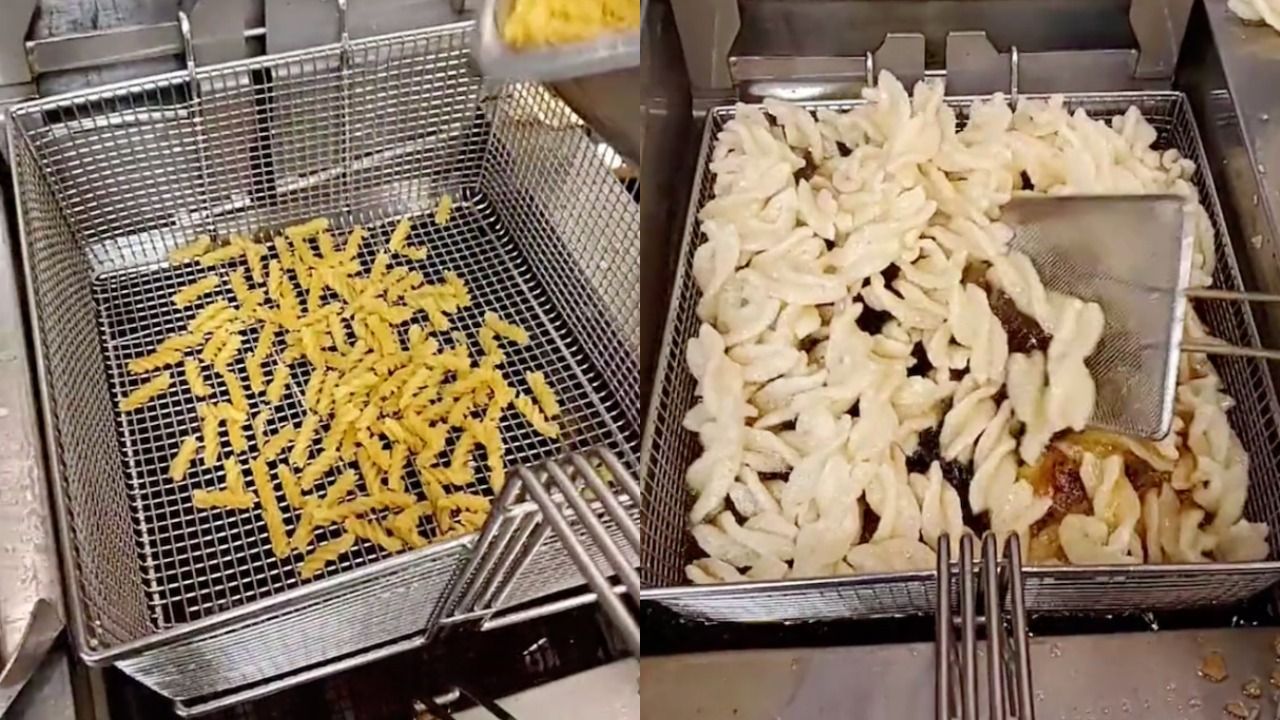
To understand the brand’s operational efficiency, one must look at the literal material composition of the product. Many consumers are surprised to learn that before they are fried, Cinnamon Twists resemble rotini pasta. This is not a coincidence; it is a triumph of supply chain optimization.
The Magic of Thermal Expansion
The base of the Cinnamon Twist is a pellet made primarily of wheat flour, yellow corn meal, rice flour, and salt. These ingredients are extruded into a spiral shape and dried. This “pasta-like” state is incredibly stable, allowing for easy shipping and long shelf lives—key requirements for any global franchise operation.
When these pellets are submerged in high-temperature oil, the moisture trapped within the starch matrix turns to steam instantly. This causes the pellet to expand to nearly four times its original size in a matter of seconds. From a brand management perspective, this “magic” transformation provides a high volume-to-weight ratio. The customer receives a large bag of food that feels substantial, despite being composed mostly of air and light starches. This creates a high “perceived value,” which is the cornerstone of Taco Bell’s brand promise.
Consistency as a Corporate Identity Strategy
For a brand with over 7,000 locations, consistency is the primary challenge. The beauty of the Cinnamon Twist’s composition is that it is almost impossible to get wrong at the store level. The fry time is standardized, and the post-fry application of cinnamon and sugar is a simple mechanical process. By designing a product that is “idiot-proof” in its preparation, Taco Bell ensures that the brand experience is identical whether a customer is in New York or New Delhi. This reliability builds brand trust, a form of equity that is far more valuable than the ingredients themselves.
Cost-Efficiency and the “Value Menu” Brand Architecture
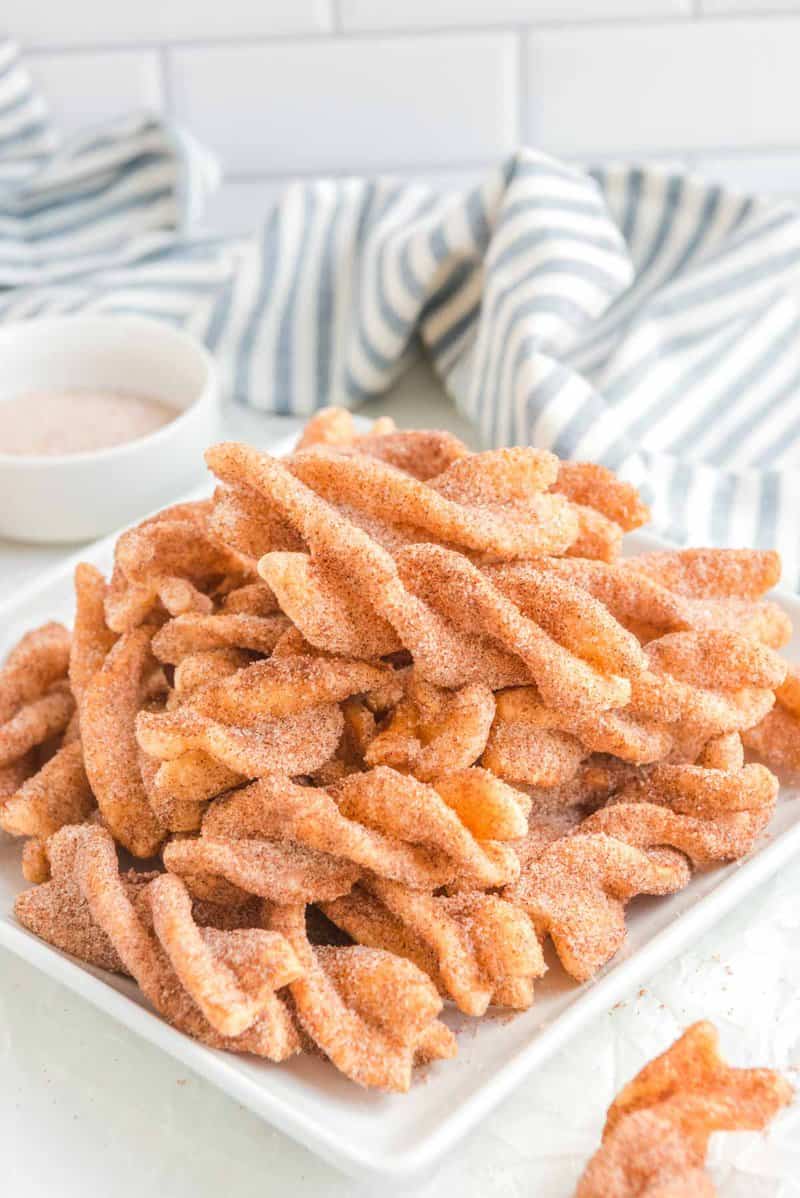
Taco Bell has historically positioned itself as the leader in “value” branding. The Cinnamon Twist is perhaps the most profitable item on their menu when analyzed through the lens of margin strategy.
Maximizing Margins with Low-Cost Inputs
The primary ingredients—wheat, corn, sugar, and cinnamon—are among the most affordable commodities in the global food supply chain. Because the product expands so significantly, the actual weight of the raw material used per serving is remarkably low. This allows the brand to offer the item at a very low price point (often around $1.00 or as part of a “Cravings Box”) while maintaining a profit margin that far exceeds that of beef or dairy-heavy items.
In corporate finance terms, the Cinnamon Twist is a “Cash Cow.” It requires little marketing spend, has low input costs, and generates consistent revenue. This financial stability allows the brand to take riskier bets on limited-time offerings (LTOs) like the Nacho Fries or high-concept collaborations.
The Role of Upselling in the Customer Journey
From a marketing funnel perspective, the Cinnamon Twist serves as the perfect “add-on.” At the drive-thru window, the low price point removes the friction of decision-making. It is an “impulse buy” designed to increase the Average Check Value (ACV). By keeping the ingredient list simple and the cost low, Taco Bell’s brand strategy leverages the “End-Peak Rule”—the psychological tendency for people to judge an experience based on how it ended. A sweet, crunchy finish to a meal leaves the customer with a positive final impression of the brand.
Sensory Branding and Consumer Perception
The Cinnamon Twist is more than the sum of its wheat and sugar parts; it is a vessel for nostalgia and brand loyalty.
The Nostalgia Factor in Brand Loyalty
Many adult consumers today grew up eating Cinnamon Twists. In the world of brand strategy, this is known as “legacy equity.” By keeping the recipe and the experience virtually unchanged for decades, Taco Bell taps into a powerful emotional reservoir. When a consumer eats a Cinnamon Twist, they aren’t just consuming calories; they are engaging in a ritual that links their present self to past positive experiences. This emotional anchoring is what prevents customers from switching to a competitor, even if that competitor offers a “higher quality” dessert.
Maintaining Relevance in a Health-Conscious Market
As consumer trends shift toward transparency and health, Taco Bell has had to defend the “what” of its products. The Cinnamon Twist, despite being a fried dessert, benefits from being vegan-friendly (in most markets). This was not necessarily an intentional design at its inception, but it has become a significant brand advantage in the modern era. By being “accidentally vegan,” the product allows the brand to appeal to a wider demographic without needing to reformulate or invest in expensive plant-based alternatives.
The simplicity of the ingredients—primarily wheat and corn—also plays into the “cleaner label” trend compared to complex, chemically-preserved baked goods found in other fast-food chains. This perceived simplicity reinforces the brand’s image as a “transparent” and “honest” fast-food option.
The Strategic Legacy of a Simple Snack
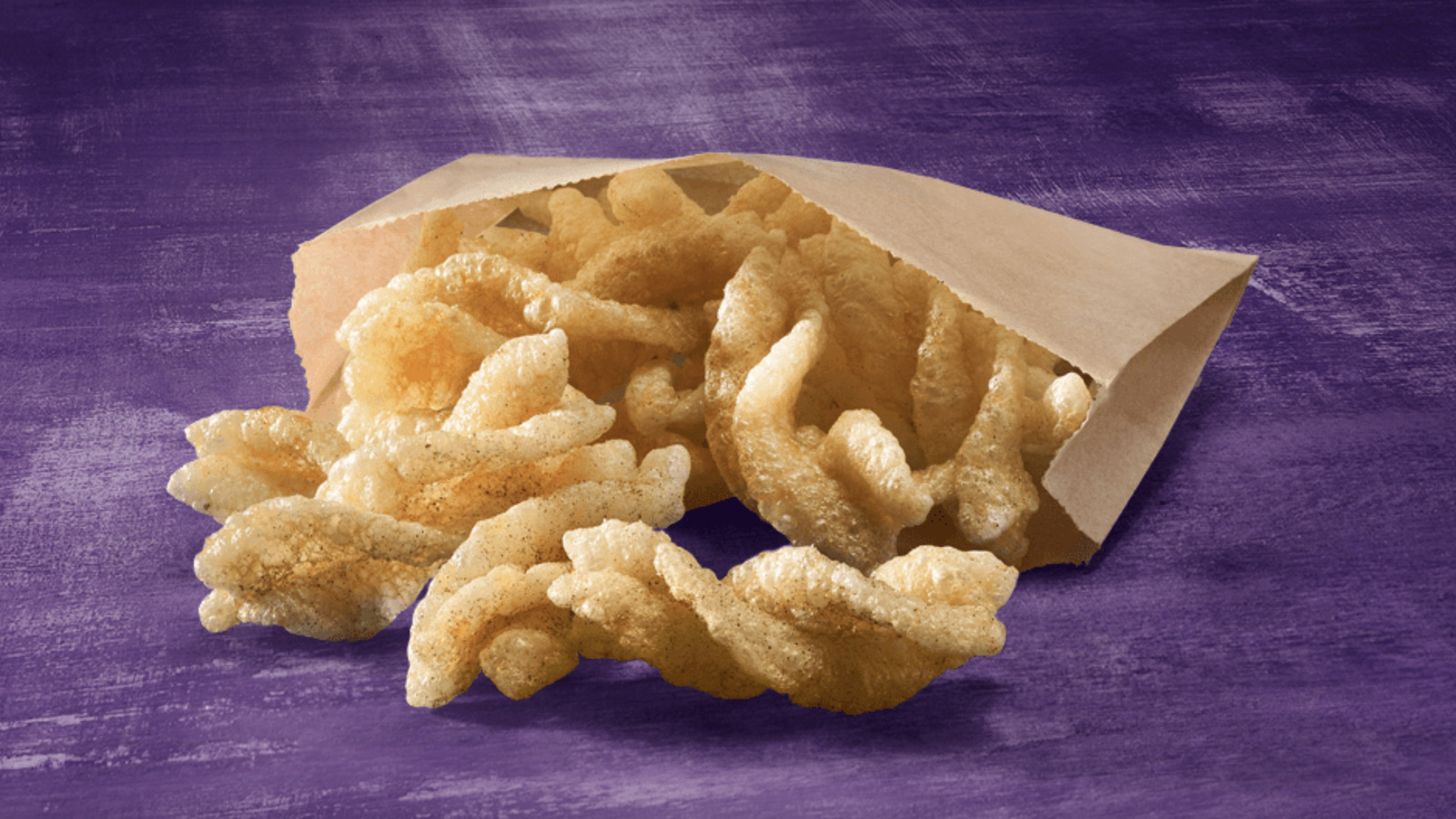
In conclusion, when we ask what Taco Bell’s Cinnamon Twists are made of, we find a complex interplay of starch, sugar, and strategy. They are made of a wheat-based pellet that maximizes supply chain efficiency. They are made of a “puffing” process that creates high perceived value through volume. They are made of a pricing strategy that bolsters corporate margins and an auditory profile that defines the brand’s sensory identity.
Taco Bell’s ability to maintain the Cinnamon Twist as a core menu item for over 40 years is a testament to the power of simple, effective brand engineering. It proves that a brand doesn’t need to reinvent the wheel to stay relevant; it simply needs to find a product that works perfectly within its operational and psychological ecosystem. The Cinnamon Twist is not just a side dish—it is a pillar of the Taco Bell brand architecture, proving that in the world of marketing, sometimes the lightest assets carry the most weight.
aViewFromTheCave is a participant in the Amazon Services LLC Associates Program, an affiliate advertising program designed to provide a means for sites to earn advertising fees by advertising and linking to Amazon.com. Amazon, the Amazon logo, AmazonSupply, and the AmazonSupply logo are trademarks of Amazon.com, Inc. or its affiliates. As an Amazon Associate we earn affiliate commissions from qualifying purchases.