
In the world of high-stakes business, brand strategy is often associated with logos, color palettes, and digital advertising campaigns. However, the most potent element of any brand—whether corporate or personal—is the human interaction that facilitates trust. Your ability to initiate a meaningful dialogue is the cornerstone of your personal brand. When you step into a room or join a digital forum, the words you use to bridge the gap between a stranger and a contact act as the first “touchpoint” of your brand identity.
Mastering conversation starters is not merely about avoiding awkward silence; it is a strategic maneuver designed to position you as an expert, a collaborator, and a person of value. To build a brand that resonates, you must move beyond the mundane and utilize linguistic tools that spark genuine engagement and long-term professional relationships.

The Role of Conversation in Personal Branding
Every interaction you have is a marketing opportunity for your personal brand. Whether you are a CEO, a consultant, or a rising entrepreneur, how you open a conversation dictates the “brand equity” you establish in the first few minutes of an encounter. Social psychologists often cite the “seven-second rule,” suggesting that people form a definitive impression of your competence and trustworthiness almost instantaneously.
Positioning and Value Perception
In branding, positioning is everything. If you start a conversation with a generic, low-energy question, you position yourself as a generic, low-energy brand. Conversely, starting with an insightful query or a unique observation signals that you are a high-value individual who pays attention to detail. This is the difference between a commodity brand and a premium brand. Your conversation starters should reflect the core values of your professional identity—be it innovation, reliability, or creative disruption.
Building Rapport Through Social Proof
Effective conversation starters often lean on the principle of social proof. By referencing shared industry challenges or recent market shifts, you demonstrate that you are “in the know.” This builds immediate rapport because it identifies you as part of the same professional tribe as your interlocutor. A well-placed question about a specific industry trend can do more for your brand than a dozen business cards.
Strategic Starters for Professional Networking Events
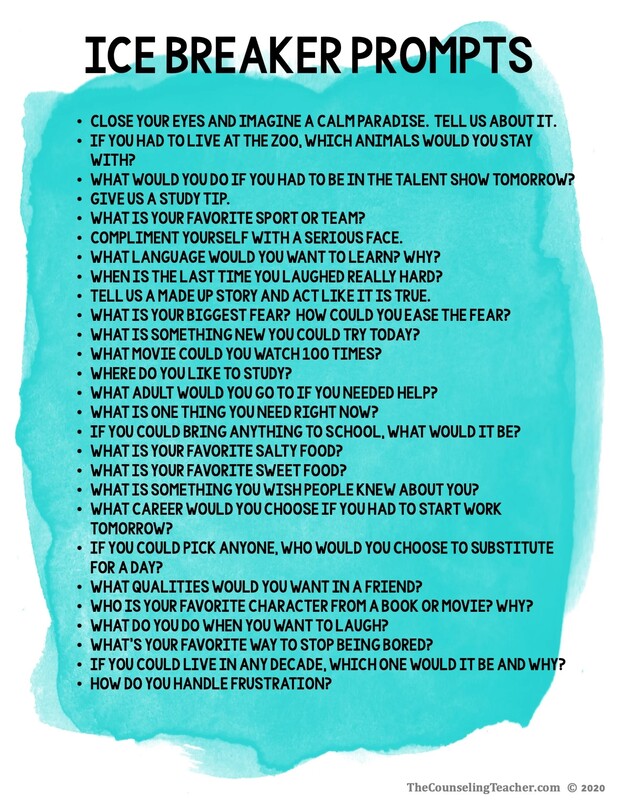
Networking events are the “trade shows” of personal branding. Here, the goal is to filter through the noise and find meaningful connections. The standard “What do you do?” is often a conversational dead-end because it triggers a scripted, rehearsed response. To truly stand out, you must disrupt the script.
The Curiosity-Driven Approach
Instead of asking for a job title, ask about the “why” behind the work. This shifts the focus from a static role to a dynamic narrative.
- “What inspired you to move into [Industry]?”
- “I’ve been following [Company Name]’s recent growth—what has been the most surprising part of that journey for your team?”
- “What is the one project on your desk right now that you’re most excited to solve?”
These questions work because they allow the other person to showcase their passion, which in turn makes them associate those positive feelings with your personal brand.
The Shared Experience Opener
Branding is often about creating a shared story. At a conference or event, you have an immediate shared experience that you can leverage to bypass the awkward introduction phase.
- “The keynote speaker mentioned [Specific Point]—how do you see that impacting your strategy this year?”
- “I noticed you were in the workshop on [Topic]. What was your biggest takeaway regarding [Specific Sub-topic]?”
- “In your opinion, what is the most overrated trend being discussed at this event?”
The last question is particularly powerful for branding. It invites a “hot take,” which reveals the other person’s critical thinking skills and allows you to share your own expertise without appearing arrogant.
The Industry-Specific Query
If you are operating within a niche market, your conversation starters should reflect deep domain expertise. This reinforces your brand as a specialist rather than a generalist.
- “With the recent shift in [Regulation/Market Condition], how is your team pivoting your [Specific Process]?”
- “I’m curious how someone with your background views the intersection of [Trend A] and [Trend B].”
- “What’s a challenge in [Industry] that no one seems to be talking about yet?”
Digital Outreach: Starters for LinkedIn and Cold Networking
In the digital age, your brand often exists as a profile before it exists as a person. When reaching out via LinkedIn or email, your conversation starter is your “subject line” or your “first sentence.” This is where most personal brands fail by being too transactional too quickly.
The Personalization Matrix
Effective digital starters require research. A “cold” brand feels robotic; a “warm” brand feels curated. To initiate a digital conversation that gets a response, you must prove that you have done your homework.
- “I recently read your article on [Topic] and was particularly struck by your point on [Specific Detail]. I’d love to hear how that has evolved since you published it.”
- “I saw that you transitioned from [Company A] to [Company B]. As someone who follows the [Industry] space, I’m curious what motivated that move from a strategic standpoint.”
- “Congratulations on the launch of [Product/Feature]. I’ve been looking at how it addresses [Problem], and it seems like a game-changer for the niche.”
Offering Value Before Asking
In brand strategy, we often talk about “Give, Give, Give, Ask.” Your conversation starter should ideally provide value or recognition before making a request.
- “I came across this study on [Relevant Topic] and immediately thought of your work at [Company]. I thought you might find the data on page five useful.”
- “I’ve been curating a list of experts in [Field] for a project I’m researching, and your name kept coming up. I wanted to reach out and say how much I admire your approach to [Specific Skill].”
By leading with a compliment or a resource, you establish your brand as one of generosity and intelligence.
Beyond the Opening: Sustaining the Brand Narrative
A conversation starter is only the “headline.” To maintain your personal brand throughout the dialogue, you must transition into active listening and strategic storytelling.
Active Listening as a Branding Tool
Most people are waiting for their turn to speak. A high-value brand is a brand that listens. Use “continuers” to keep the conversation flowing and show that you are processing the information. Phrases like “That’s a fascinating perspective on [Topic], tell me more about how that affected your bottom line” or “So, if I understand your strategy correctly, you’re prioritizing [X] over [Y]?” show high-level engagement. This positions your brand as one that is analytical and attentive—traits that are highly sought after in any professional partnership.
The Exit Strategy: Leaving the Brand Intact
How you end a conversation is just as important for your brand as how you start it. You want to leave the door open for future collaboration while maintaining a sense of professional boundaries.
- “I’ve really enjoyed our insights on [Topic]. I want to make sure I catch the next session, but I’d love to continue this on LinkedIn. May I send you an invite?”
- “It’s been great learning about your approach to [Specific Challenge]. If I come across any resources that might help with [Problem discussed], I’ll be sure to send them your way.”
This reinforces your brand as someone who is organized, respectful of time, and helpful.
Redefining “Small Talk” into Strategic Brand Dialogue
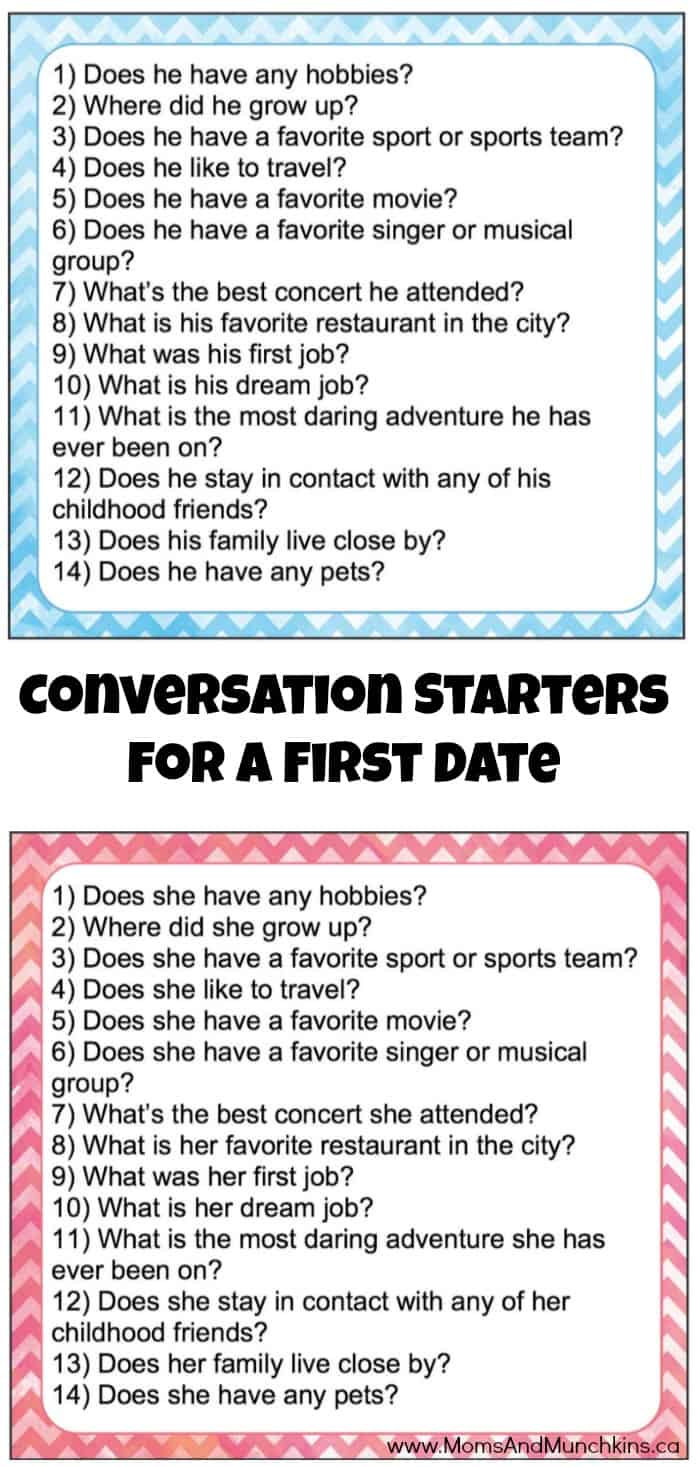
Small talk is often dismissed as trivial, but in the context of brand strategy, it is the foundation of the sales funnel. Every “good” conversation starter is actually a lead generation tool for your personal or corporate identity. By shifting your mindset from “What should I say?” to “How can I demonstrate my brand values through this question?”, you transform every social interaction into a strategic asset.
The best conversation starters are those that align with your authentic self while showing genuine interest in the person standing across from you. Whether you are discussing the latest AI integrations in marketing or the fluctuations of the venture capital market, your goal is to be remembered as the person who asked the right questions. In a world of noise, the brand that listens and inquires with intent is the brand that wins. Over time, these small openings lead to large opportunities, proving that the art of the start is the most important skill in any brand builder’s toolkit.
aViewFromTheCave is a participant in the Amazon Services LLC Associates Program, an affiliate advertising program designed to provide a means for sites to earn advertising fees by advertising and linking to Amazon.com. Amazon, the Amazon logo, AmazonSupply, and the AmazonSupply logo are trademarks of Amazon.com, Inc. or its affiliates. As an Amazon Associate we earn affiliate commissions from qualifying purchases.