
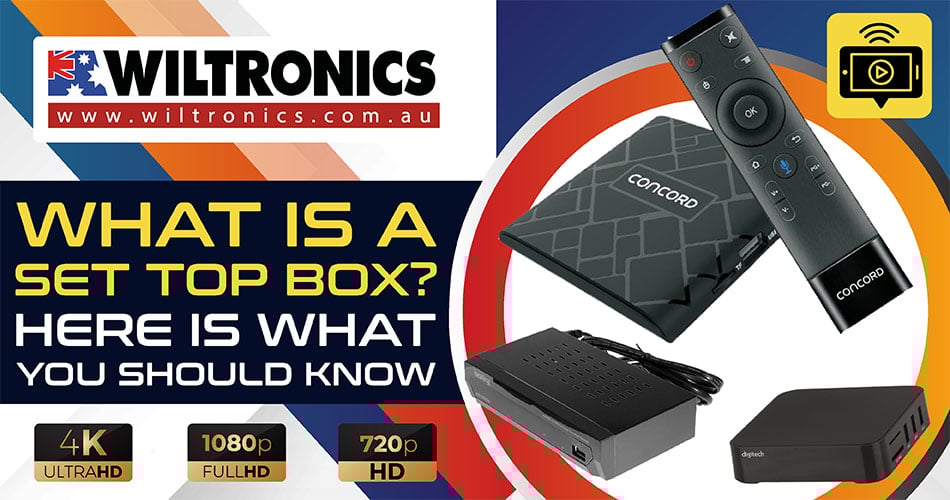
In the landscape of home entertainment, the set-top box (STB) has evolved from a simple signal converter into a sophisticated computing device. While the term “set-top” implies a physical location atop a television set—a relic of the era of bulky cathode-ray tube (CRT) monitors—modern STBs are more likely to be found tucked behind a slim OLED screen or integrated into a sleek home theater rack. At its core, a set-top box is a hardware device that allows a television to receive, decode, and display digital signals. These signals may arrive via cable, satellite, or the internet, transforming a standard display into a portal for high-definition content, interactive applications, and complex digital services.

To understand the modern set-top box, one must look at it as a bridge. It bridges the gap between the raw data transmitted by broadcasters or streaming services and the visual interface used by the consumer. As technology has shifted from analog broadcasting to digital streaming, the STB has undergone a radical transformation, incorporating advanced processors, specialized software ecosystems, and high-speed connectivity to meet the demands of 4K resolution, high dynamic range (HDR) color, and low-latency gaming.
The Evolution of Television Hardware: From Analog to Digital
The history of the set-top box is inextricably linked to the history of television broadcasting itself. In the early days of cable television, sets were often limited in the number of channels they could tune into directly. The first set-top boxes were mechanical or electronic frequency converters that allowed users to access “mid-band” and “super-band” channels that their televisions were not originally designed to receive. These devices were simple tuners, requiring manual dials or rudimentary remote controls.
The 1990s marked a pivotal shift with the advent of digital television. Digital signals allowed for better picture quality, more efficient use of bandwidth, and the introduction of Electronic Program Guides (EPGs). This era saw the rise of the digital set-top box, which functioned as a specialized computer capable of decompressing MPEG-2 video streams. For the first time, these boxes included conditional access systems—smart card slots that allowed providers to encrypt content and manage subscriptions securely.
In the current era, the STB has transitioned into the “Smart” category. The distinction between a cable box and a streaming media player has blurred. Today’s devices are powered by robust operating systems like Android TV, tvOS, and Roku OS. They are no longer passive receivers; they are active computing nodes capable of running third-party applications, managing smart home devices, and utilizing artificial intelligence to suggest content based on viewing habits.
The Shift from Linear to On-Demand
The primary driver of STB evolution has been the shift from linear broadcasting (where the viewer watches a schedule determined by the network) to on-demand consumption. Modern boxes are designed to handle both. While they still tune into live feeds via QAM (Quadrature Amplitude Modulation) or satellite transponders, they prioritize IP-based delivery. This allows for features like “start-over” TV, where a user can jump to the beginning of a live broadcast, and extensive cloud-based Digital Video Recording (DVR) capabilities.
How Set-Top Boxes Work: The Technical Core
To the end-user, a set-top box is a black box with an HDMI output. Internally, however, it is a complex assembly of hardware components and software layers working in unison. The technical architecture of a modern STB involves several key stages: signal reception, demodulation, decryption, and decoding.
Hardware Components and Processing Power
At the heart of every modern set-top box is a System-on-a-Chip (SoC). Unlike traditional PCs that use separate CPUs and GPUs, the STB uses an integrated chip optimized for video processing. Leading manufacturers like Broadcom, Amlogic, and MediaTek design these chips specifically to handle 4K video at 60 frames per second with minimal power consumption.
A high-performance STB requires:
- Central Processing Unit (CPU): Handles the operating system, application logic, and user interface.
- Graphics Processing Unit (GPU): Manages the rendering of the UI, animations, and in some cases, casual gaming.
- Video Processing Unit (VPU): A specialized engine dedicated to hardware-accelerated video decoding (H.264, HEVC/H.265, and AV1).
- RAM and Storage: Essential for buffering high-resolution streams and storing apps.
Signal Demodulation and Decoding
The STB first receives a signal through a physical interface, such as a coaxial cable (DVB-C), a satellite dish (DVB-S2), or an Ethernet port (IPTV). This raw signal is often “modulated,” meaning the data is encoded onto a carrier wave. The tuner and demodulator hardware extract the digital bitstream from this wave.
Once the bitstream is extracted, the device must decode it. Most modern content is compressed to save bandwidth. The box uses specialized codecs—algorithms that shrink video data. High Efficiency Video Coding (HEVC) is currently the industry standard for 4K content, allowing for stunning visuals at manageable bitrates. The box processes these compressed packets and converts them into uncompressed video frames, which are then sent to the TV via the HDMI (High-Definition Multimedia Interface) port.
Middleware and User Experience
The software that runs on the hardware is known as “middleware.” This layer sits between the hardware drivers and the user applications. Middleware manages the EPG, handles software updates over the air (OTA), and ensures that the digital rights management (DRM) protocols are followed. DRM is a critical component of STB tech; it ensures that premium content from providers like Netflix, Disney+, or HBO remains encrypted until it reaches a verified, secure device, preventing unauthorized copying.
Types of Set-Top Boxes in the Modern Ecosystem

The market for set-top boxes is segmented based on how the content is delivered and the level of control the user has over the hardware. Understanding these categories is essential for identifying which device fits a specific technological need.
Cable and Satellite Boxes
These are the traditional devices provided by Multi-System Operators (MSOs). They are often proprietary and leased to the consumer. Technically, they are highly specialized, featuring multiple tuners that allow a user to record one show while watching another. Modern cable boxes are increasingly “hybrid,” using a traditional cable feed for live TV and an internet connection for apps like YouTube or Netflix.
IPTV (Internet Protocol Television) Boxes
IPTV boxes deliver television services over a packet-switched network, such as the internet, rather than through traditional terrestrial, satellite, or cable formats. These boxes are common in fiber-optic deployments. Because the content is delivered via IP, these devices often feel much faster and more interactive than traditional cable boxes, with deeper integration of web-based features.
OTT (Over-The-Top) Streaming Media Players
OTT devices, such as the Apple TV 4K, Nvidia Shield TV, and Amazon Fire TV, have disrupted the traditional STB market. These devices do not require a subscription to a specific cable provider. Instead, they provide a platform where users can download apps for various services. These boxes often feature the most powerful processors in the category, supporting advanced features like Dolby Atmos audio, Dolby Vision HDR, and sophisticated voice-search capabilities.
Hybrid and Free-to-Air (FTA) Boxes
Hybrid boxes combine different reception methods—for example, an antenna input for local over-the-air broadcasts (ATSC 3.0) and an internet connection for streaming services. FTA boxes, on the other hand, are designed to receive unencrypted satellite or terrestrial signals, providing a cost-effective way to access hundreds of channels without a monthly subscription fee.
Key Features and Capabilities of High-End Units
When evaluating the technology within a set-top box, several high-end features distinguish a budget device from a flagship powerhouse. These features directly impact the visual fidelity and the overall fluidity of the user experience.
4K Ultra HD and High Dynamic Range (HDR)
The current gold standard for STBs is the ability to output 4K resolution (3840 x 2160 pixels). However, resolution is only part of the story. High Dynamic Range (HDR) technology, specifically formats like HDR10, HDR10+, and Dolby Vision, allows for a wider range of colors and higher contrast ratios. A high-end STB must have the processing overhead to map these colors accurately to the connected display’s capabilities.
Advanced Connectivity: Wi-Fi 6 and Ethernet
Streaming 4K HDR content requires significant bandwidth, often exceeding 25-50 Mbps for a single stream. To ensure stability, premium STBs now include Wi-Fi 6 (802.11ax) support, which provides better performance in congested environments and higher peak speeds. For the most reliable connection, Gigabit Ethernet remains the preferred choice for enthusiasts, ensuring zero-buffer playback for high-bitrate local files (such as 4K Blu-ray rips).
Artificial Intelligence and Voice Integration
Modern STBs are increasingly utilizing AI for content discovery. Instead of scrolling through endless grids of icons, AI algorithms analyze viewing patterns to surface relevant content across multiple apps. Voice control, powered by localized and cloud-based natural language processing, allows users to search for “action movies starring Tom Cruise” across Netflix, Prime Video, and Hulu simultaneously.
Digital Video Recording (DVR) and Storage
While physical hard drives were once a staple of STBs, the industry is moving toward Cloud DVR. This technology records shows on the provider’s servers rather than the local device. However, some high-end boxes still offer local storage or expandable microSD slots for users who want to store apps, games, or offline media.
The Future of the Set-Top Box: Integration vs. Obsolescence
As Smart TVs become more powerful, many have questioned the continued relevance of the set-top box. Most modern televisions come pre-installed with Netflix, YouTube, and other major streaming apps. However, the STB is far from obsolete for several key reasons.
First, the lifecycle of a television is typically 7 to 10 years, whereas the lifecycle of a set-top box is 2 to 3 years. The hardware inside a TV quickly becomes dated, leading to sluggish interfaces and a lack of updates for new apps. An external STB allows users to upgrade their “brains” without replacing the expensive display panel.
Second, dedicated set-top boxes offer a level of performance that integrated TV chips rarely match. High-end units like the Nvidia Shield TV utilize AI-upscaling, which uses machine learning to make 1080p content look nearly identical to native 4K—a feature rarely found in built-in TV software.
Looking ahead, we can expect the set-top box to evolve into a central hub for the smart home. Future iterations will likely feature deeper integration with IoT (Internet of Things) devices, acting as a “Matter” controller to manage lights, security cameras, and thermostats. We may also see the rise of cloud gaming hubs, where the STB acts as a thin client for services like Xbox Cloud Gaming or GeForce Now, effectively replacing the traditional gaming console for casual players.
In conclusion, a set-top box is much more than a peripheral; it is the command center of the modern digital living room. By combining specialized video processing hardware with versatile software ecosystems, these devices continue to define how we consume media, ensuring that as broadcasting technology advances, our screens are always ready to display the next generation of content.
aViewFromTheCave is a participant in the Amazon Services LLC Associates Program, an affiliate advertising program designed to provide a means for sites to earn advertising fees by advertising and linking to Amazon.com. Amazon, the Amazon logo, AmazonSupply, and the AmazonSupply logo are trademarks of Amazon.com, Inc. or its affiliates. As an Amazon Associate we earn affiliate commissions from qualifying purchases.