
In the modern marketplace, the definition of a “protester” has shifted significantly from the traditional imagery of picket lines and street demonstrations. Within the realms of brand strategy and corporate identity, protesters are now a powerful demographic of stakeholders: the activist consumers. These individuals use their purchasing power, digital presence, and social influence to demand that brands align with their personal values. To understand what these protesters are is to understand the new landscape of brand loyalty, where a product is no longer judged solely on its utility or price, but on the ethics and actions of the entity that produced it.
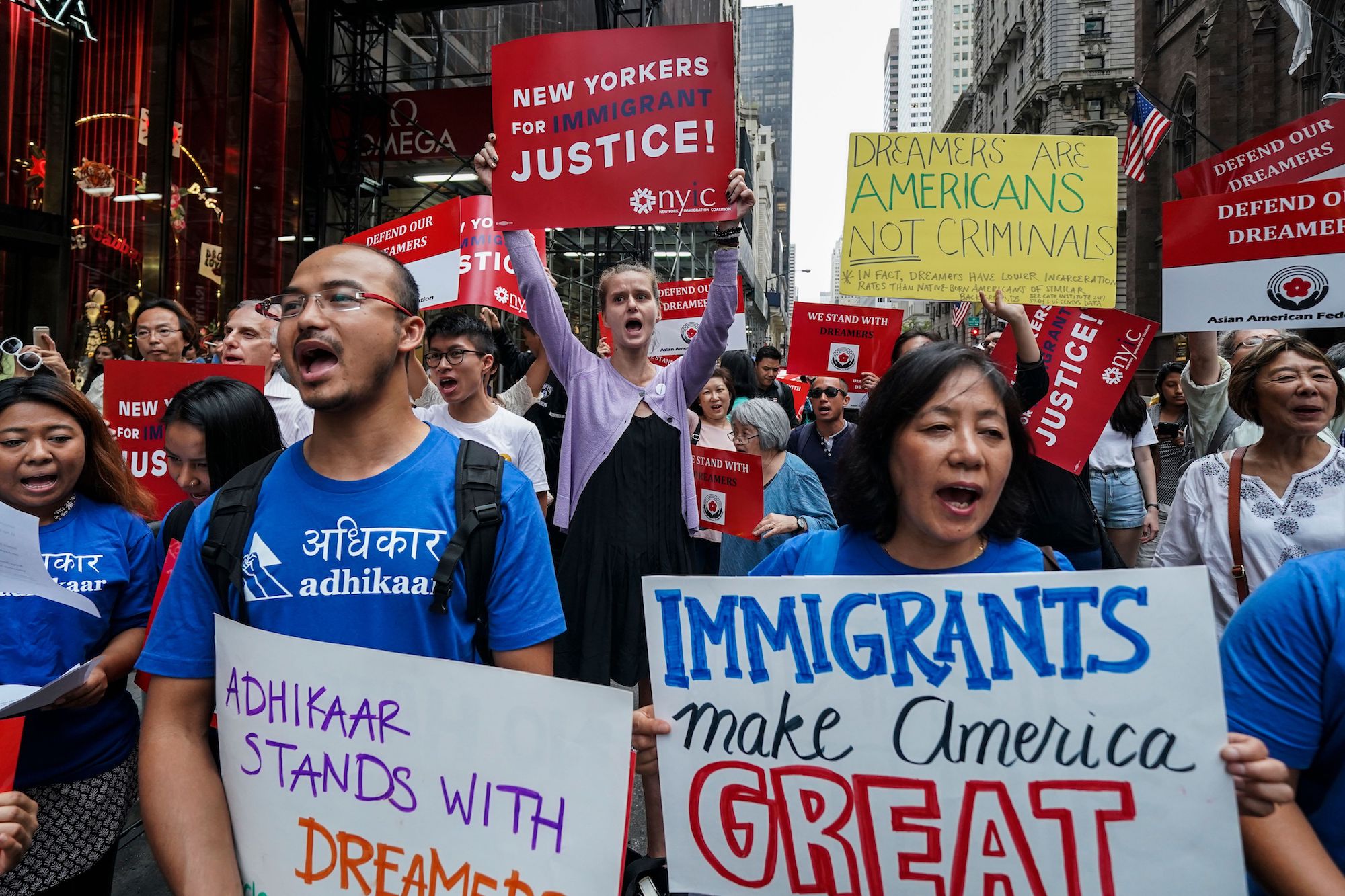
For brand strategists, protesters represent a critical pivot point in corporate identity. They are the ultimate feedback loop, often highlighting the disconnect between a company’s marketing narrative and its operational reality. In an era of radical transparency, the brand protester acts as a self-appointed auditor of corporate social responsibility (CSR), forcing businesses to reconsider their impact on society, the environment, and global culture.
Defining the Modern Brand Protester: More Than Just a Boycott
The modern brand protester is an individual or collective that engages in organized resistance against a company’s policies, messaging, or perceived lack of ethics. Unlike the passive consumers of the 20th century, these participants view every transaction as a moral choice. They do not merely “shop”; they “vote” with their wallets.
The Shift from Passive Consumer to Active Participant
The evolution of the consumer into a brand protester is rooted in the democratization of information. Historically, brands controlled their narratives through one-way communication channels like television, radio, and print media. Consumers were the recipients of information, with little recourse if they disagreed with a company’s internal practices.
Today, the power dynamic has inverted. The “protester” is an active participant in the brand’s story. Through social media platforms, forums, and review sites, a single disgruntled customer can ignite a global conversation. This shift has turned brand management into a two-way dialogue. Protesters are the voices that demand a seat at the table, ensuring that corporate identity is not just a polished façade but a lived experience that resonates with the community.
Digital Vigilantism and the Power of Social Media
Digital activism has redefined the speed and scale at which brand protests occur. “Cancel culture,” while often debated, is essentially a high-speed brand protest. When a brand fails to meet social expectations—whether through an insensitive advertisement, a lack of diversity in leadership, or an ethical breach in the supply chain—the digital protester mobilizes.
Using hashtags, viral threads, and coordinated campaigns, these protesters can significantly impact a brand’s digital footprint. This form of “digital vigilantism” forces brands to be perpetually ready for crisis management. The protester in this context isn’t just someone holding a sign; it is an influencer with a million followers, a disgruntled employee leaking internal memos, or a community of users who collectively decide to move their business to a competitor.
The Strategy Behind Brand Protest: Why Consumers Target Corporate Identity
Why do consumers choose to protest specific brands? The answer lies in the symbolic nature of modern branding. Brands have become proxies for identity. When we wear a certain logo or use a specific software, we are signaling our values to the world. Therefore, when a brand betrays those values, it feels like a personal betrayal to the consumer.
Values Alignment and the “Purpose” Economy
We are currently navigating the “purpose economy,” where a company’s “Why” is as important as its “What.” Brand protesters are essentially looking for an alignment of purpose. If a brand claims to support environmental sustainability but is found to be contributing to significant pollution, the ensuing protest is a reaction to the hypocrisy.
Protesters target corporate identity because the identity is a promise. A protest is a signal that the promise has been broken. For a brand strategist, these protests are invaluable—albeit painful—indicators of where the brand’s perceived value is failing to meet its actual execution. The protester is effectively highlighting the “authenticity gap” that exists within the brand’s strategy.
The Role of Ethical Sourcing and Sustainability
A significant portion of brand protests today centers on the supply chain. Protesters are increasingly concerned with how products are made, who makes them, and at what cost to the planet. This has led to the rise of “fair trade” and “ethical sourcing” as major components of brand identity.
When a brand is targeted by protesters for labor violations or environmental negligence, the damage is often long-term. Protesters in this niche are highly informed; they study ESG (Environmental, Social, and Governance) reports and track corporate lobbying efforts. They understand that a brand’s identity is not just what it says in a Super Bowl commercial, but what it does in its factories thousands of miles away.

Case Studies: When Brand Protests Change Corporate Strategy
To see what brand protesters are in action, one must look at the history of corporate pivots. Many of the most successful brand evolutions of the last decade were born out of the fires of public protest.
High-Profile Boycotts and Their Economic Impact
While many believe that boycotts are merely a temporary PR hurdle, they can have lasting financial consequences. When protesters target a brand, the immediate goal is often to hit the bottom line. However, the secondary goal is to devalue the “brand equity.”
Take, for example, the various protests against major fast-fashion retailers. Continuous pressure from environmental and labor rights protesters has forced these giants to launch “conscious collections” and commit to carbon-neutral goals. The protesters were not just angry customers; they were the catalysts for a complete overhaul of the fast-fashion business model. They successfully reframed “cheap and fast” as “wasteful and exploitative,” forcing the brands to change their identity to survive.
Success Stories of Inclusive Rebranding
Another area where protesters have wielded immense power is in diversity and inclusion. For decades, many legacy brands maintained narrow definitions of beauty and lifestyle. Persistent protests from marginalized communities—demanding better representation in advertising and product development—have led to a revolution in brand strategy.
Brands that once ignored these protesters found themselves losing market share to new, “born-active” brands that prioritized inclusivity from day one. In response, the legacy brands had to undergo massive rebranding efforts. These weren’t just cosmetic changes; they involved changing the fundamental DNA of the brand to be more inclusive. In this case, the protesters acted as a steering committee for the entire industry, pushing it toward a more equitable future.
Navigating the Conflict: How Brands Can Respond to Protesters
For a brand, the emergence of a protest movement can be terrifying. However, the most successful brands don’t just hide from protesters; they engage with them. Understanding what protesters are—and what they want—is the first step in effective crisis management and brand recovery.
Transparency as a Defense Mechanism
The best way to mitigate a brand protest is through radical transparency. Protesters thrive on the “reveal”—the uncovering of a hidden truth. When a brand is proactive about its flaws and honest about its challenges, it robs the protest of its momentum.
If a brand is accused of a lack of diversity, the strategic response is not a defensive press release, but a transparent audit of its current demographics and a concrete, time-bound plan for improvement. By acknowledging the protester’s concerns as valid, the brand can move from a position of conflict to a position of collaboration.
Turning Critique into Community Collaboration
The most sophisticated brand strategies involve turning protesters into partners. This is often seen in the software and tech industries, where “vocal users” (a form of brand protester) demand features or changes. Instead of ignoring the “noise,” smart brands create forums and advisory boards where these critics can provide direct input.
In the consumer goods space, this looks like “co-creation.” If a group of protesters is unhappy with a product’s packaging, a brand can invite those critics to help design a more sustainable version. This turns the protester from an external threat into an internal stakeholder, strengthening the brand’s identity through genuine engagement.

The Future of Brand Accountability in an Era of Radical Transparency
The rise of the brand protester is not a fad; it is a permanent shift in how commerce functions. As Gen Z and Alpha—generations defined by their social consciousness—gain more purchasing power, the scrutiny on brands will only intensify.
What are protesters in the future of branding? They are the ultimate guardians of brand integrity. They ensure that corporate social responsibility is not a department, but a core philosophy. For brands that are willing to listen, protesters provide the roadmap for a more resilient, authentic, and respected corporate identity. For those that refuse to listen, protesters represent the greatest risk to their long-term survival.
In conclusion, a protester is no longer someone outside the system trying to get in; they are an integral part of the brand ecosystem. They challenge brands to be better, to do better, and to mean something more than just a profit margin. By embracing the tension that protesters create, brands can build a more robust and honest identity that stands the test of time in a value-driven world.
aViewFromTheCave is a participant in the Amazon Services LLC Associates Program, an affiliate advertising program designed to provide a means for sites to earn advertising fees by advertising and linking to Amazon.com. Amazon, the Amazon logo, AmazonSupply, and the AmazonSupply logo are trademarks of Amazon.com, Inc. or its affiliates. As an Amazon Associate we earn affiliate commissions from qualifying purchases.