
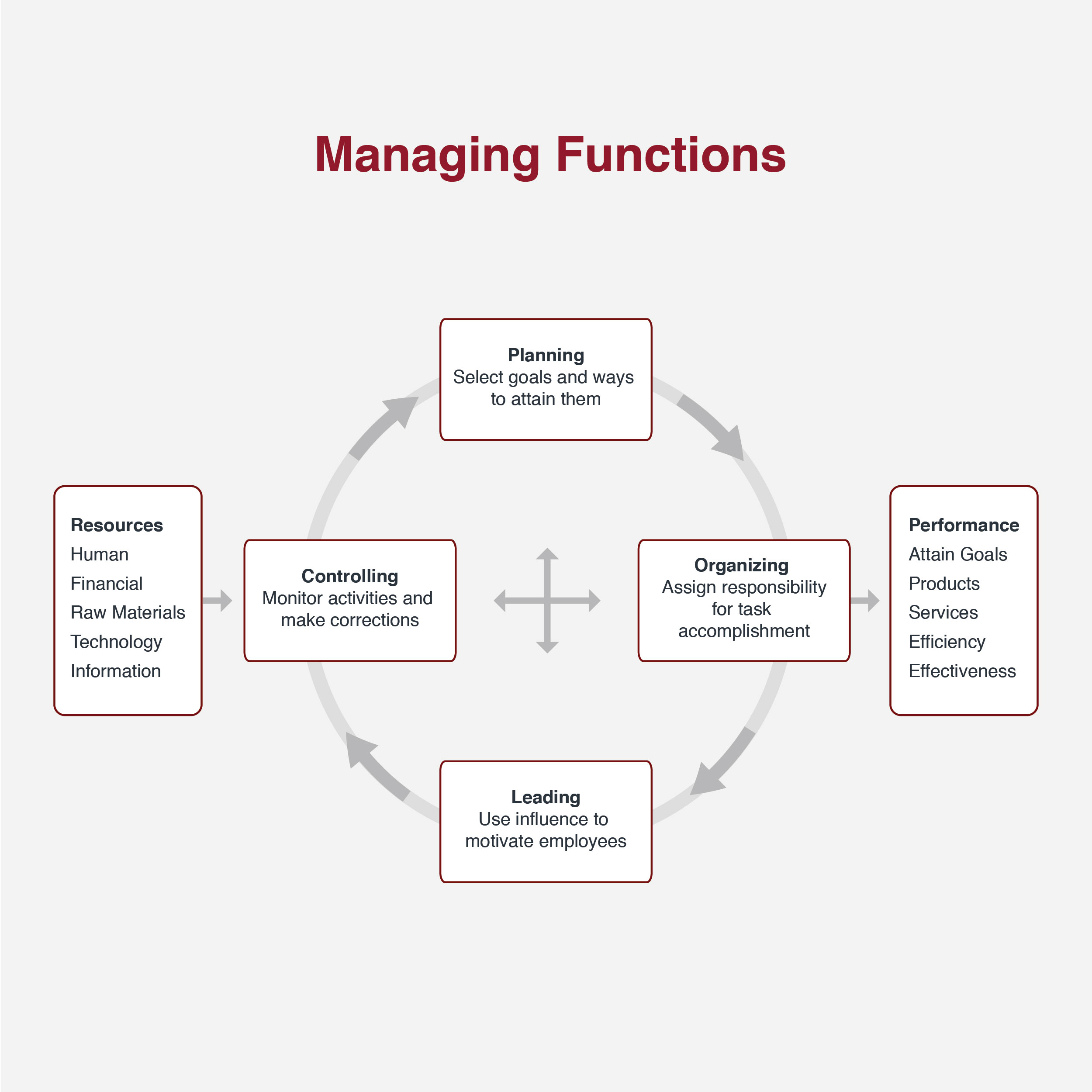
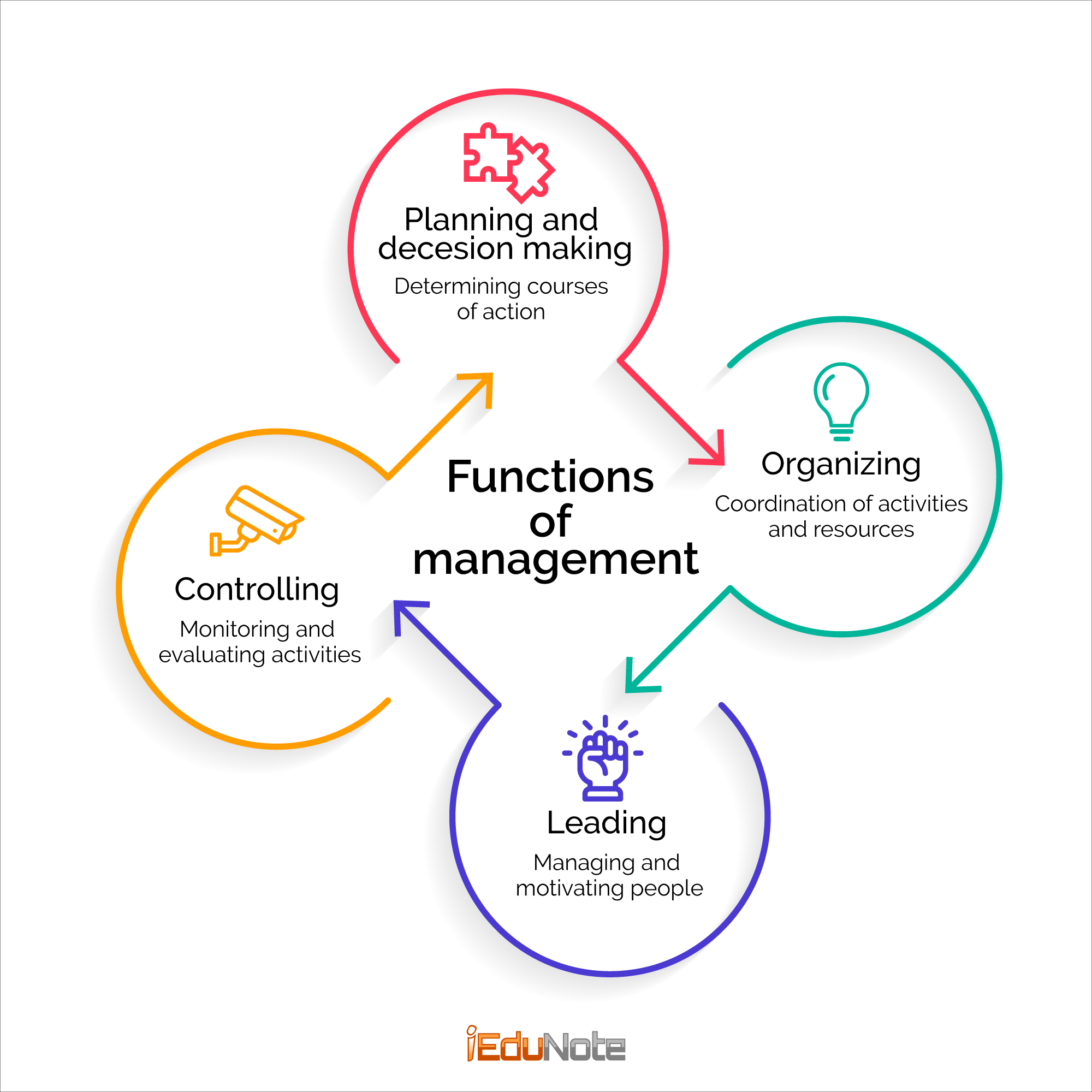
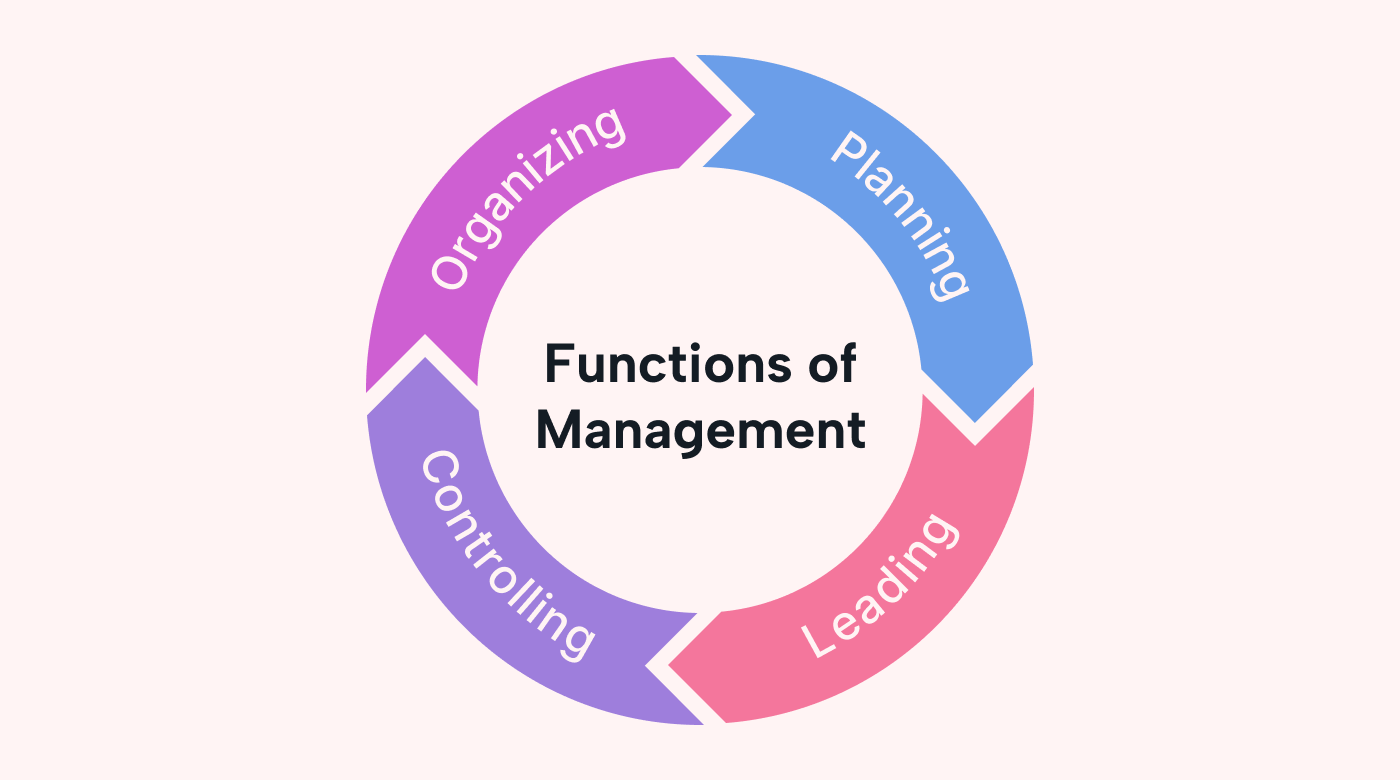
In the world of business finance and corporate operations, the ability to manage resources effectively is the primary differentiator between a thriving enterprise and a failing venture. Whether you are running a high-growth startup, managing a corporate department, or scaling a side hustle into a full-time income stream, understanding the core pillars of management is essential. These pillars, known as the four managerial functions—Planning, Organizing, Leading, and Controlling—serve as the blueprint for any leader seeking to maximize efficiency and drive financial performance.
Originally identified by Henri Fayol in the early 20th century, these functions have evolved to meet the demands of the modern, data-driven economy. In a landscape where capital is fluid and market conditions change in an instant, these functions provide a structured framework to ensure that every dollar spent and every hour worked contributes to the bottom line.
The Foundation of Financial Success: Planning for Growth
Planning is the first and most critical function of management. It involves setting objectives and determining the best course of action to achieve them. In the context of business finance, planning is not merely about setting vague goals; it is about strategic mapping that aligns resource allocation with long-term profitability.
Strategic Financial Goals
The planning process begins with the identification of specific, measurable, achievable, relevant, and time-bound (SMART) goals. For a business focused on financial health, these objectives might include increasing annual recurring revenue (ARR) by 20%, reducing operational overhead by 15%, or achieving a specific return on investment (ROI) for a new product line.
Without a robust plan, a business operates in a reactive state, responding to market fluctuations without a clear direction. Strategic planning allows a manager to look ahead, identifying potential market shifts and positioning the company to capitalize on them. This foresight is vital for securing investment and maintaining investor confidence, as it demonstrates a disciplined approach to capital management.
Forecasting and Resource Allocation
A significant subset of the planning function is financial forecasting. This involves analyzing historical data and market trends to predict future revenue and expenses. Accurate forecasting allows managers to make informed decisions about hiring, inventory purchases, and R&D spending.
Effective planning also requires meticulous resource allocation. In any business, capital is a finite resource. Managers must decide how to distribute this capital across various departments—marketing, operations, technology—to ensure the highest possible yield. This involves assessing the opportunity cost of every decision: if we invest $100,000 in a new marketing campaign, what are we sacrificing in terms of product development or debt reduction? By prioritizing high-impact activities during the planning phase, managers protect the company’s liquidity and ensure sustainable growth.
Organizing for Efficiency and Profitability
Once a plan is in place, the second function—organizing—comes into play. Organizing is the process of arranging resources and tasks to achieve the goals set during the planning phase. In the realm of business finance, this function focuses on creating a structure that minimizes waste and maximizes output.
Structuring the Financial Framework
Organizing involves defining the organizational structure of the company. This includes creating departments, establishing chains of command, and delegating authority. From a financial perspective, a well-organized company has clear accountability for every budget line item.
For instance, a company might be organized by function (marketing, finance, sales) or by product line. Each structure has different financial implications. A functional structure may allow for greater specialization and economies of scale, while a product-based structure might allow for faster response times to market demands. The manager’s role is to determine which organizational design will yield the best financial results and ensure that information flows efficiently between these units.
Optimizing Capital and Labor
Organizing also extends to the management of human capital and physical assets. This means ensuring that the right people are in the right roles and that they have the tools necessary to succeed. In a “Money” context, this relates to labor cost management. Over-hiring can lead to a high burn rate, while under-hiring can lead to missed revenue opportunities and employee burnout.
Furthermore, organizing physical resources—such as office space, software licenses, and manufacturing equipment—requires a keen eye for cost-efficiency. Managers must evaluate whether to “lease vs. buy” or “outsource vs. build” based on the long-term impact on the balance sheet. By organizing these elements effectively, managers reduce friction within the business, allowing capital to circulate more productively.
Leading with Financial Insight
Leading is the third managerial function, and it is arguably the most dynamic. It involves influencing and motivating employees to perform their tasks effectively. While planning and organizing are about the “mechanics” of business, leading is about the “people.” However, effective leadership is deeply intertwined with the financial health of the organization.
Motivating for Performance
A leader must align the individual goals of employees with the financial goals of the business. This is often achieved through incentive structures, such as performance bonuses, profit-sharing, or equity grants. By creating a direct link between an employee’s output and their financial reward, managers can drive productivity and foster a culture of ownership.
In the modern business environment, leadership also involves managing a diverse workforce that may include remote employees, freelancers, and full-time staff. Leading these groups effectively requires clear communication of the company’s vision and the financial stakes involved. When employees understand how their work contributes to the company’s profitability, they are more likely to be engaged and committed to the organization’s success.
Communication and Corporate Culture
Leading also entails the management of corporate culture. A culture that prioritizes fiscal responsibility and innovation can be a significant competitive advantage. For example, a leader who encourages “frugal innovation”—achieving more with less—can significantly impact the company’s bottom line over time.
Transparency is another key component of leading in a financially focused organization. Sharing high-level financial health metrics with the team can build trust and provide a sense of urgency. When the leadership demonstrates a commitment to transparency and ethical financial practices, it sets a standard for the entire organization, reducing the risk of fraud and ensuring that all team members are working toward common financial objectives.
Controlling: Protecting the Bottom Line
The final function of management is controlling. This is the process of monitoring performance, comparing it against the goals set during the planning phase, and taking corrective action when necessary. In business finance, controlling is the safeguard that ensures the company stays on budget and on track for profitability.
Establishing Performance Standards
The controlling process begins with the establishment of performance standards, often in the form of Key Performance Indicators (KPIs). For a finance-focused manager, these might include:
- Net Profit Margin: The percentage of revenue left after all expenses are paid.
- Customer Acquisition Cost (CAC): How much it costs to win a new customer.
- Burn Rate: The rate at which a company spends its capital before generating positive cash flow.
- Debt-to-Equity Ratio: A measure of the company’s financial leverage.
By setting these benchmarks, managers have a clear metric for success. Without these standards, “performance” becomes subjective, and financial leaks can go unnoticed for months.
Auditing and Adjusting for ROI
Controlling involves regular financial audits and performance reviews. This is where the manager looks at the “actuals” versus the “budget.” If a department is consistently overspending without a corresponding increase in output, the controlling function dictates that the manager must investigate and intervene.
Corrective action might involve cutting costs, reallocating funds to more profitable channels, or refining operational processes. For example, if a specific marketing channel has a high CAC and a low lifetime value (LTV), the controlling function would lead a manager to pull funding from that channel and reinvest it elsewhere.
This feedback loop is essential for long-term sustainability. It allows the business to be agile, pivoting when data shows that the current path is not financially viable. In essence, controlling closes the circle of management, providing the data necessary to inform the next round of planning.
Conclusion: The Synergy of Management Functions
While we discuss these four functions—Planning, Organizing, Leading, and Controlling—as separate entities, they are in reality deeply interconnected. A failure in one function often leads to a failure in the others. For example, poor planning makes effective organizing impossible; without a clear plan, resources are scattered. Similarly, even the most inspiring leader will fail if there are no controlling mechanisms in place to monitor the company’s financial health.
For the modern professional, whether you are managing a personal investment portfolio or a multi-million dollar corporation, these functions provide a timeless strategy for success. By applying these principles with a focus on financial rigor, managers can navigate the complexities of the market, optimize their resources, and build a resilient, profitable enterprise. Mastering the four managerial functions is not just about management theory; it is about the practical, disciplined pursuit of financial excellence.
aViewFromTheCave is a participant in the Amazon Services LLC Associates Program, an affiliate advertising program designed to provide a means for sites to earn advertising fees by advertising and linking to Amazon.com. Amazon, the Amazon logo, AmazonSupply, and the AmazonSupply logo are trademarks of Amazon.com, Inc. or its affiliates. As an Amazon Associate we earn affiliate commissions from qualifying purchases.