
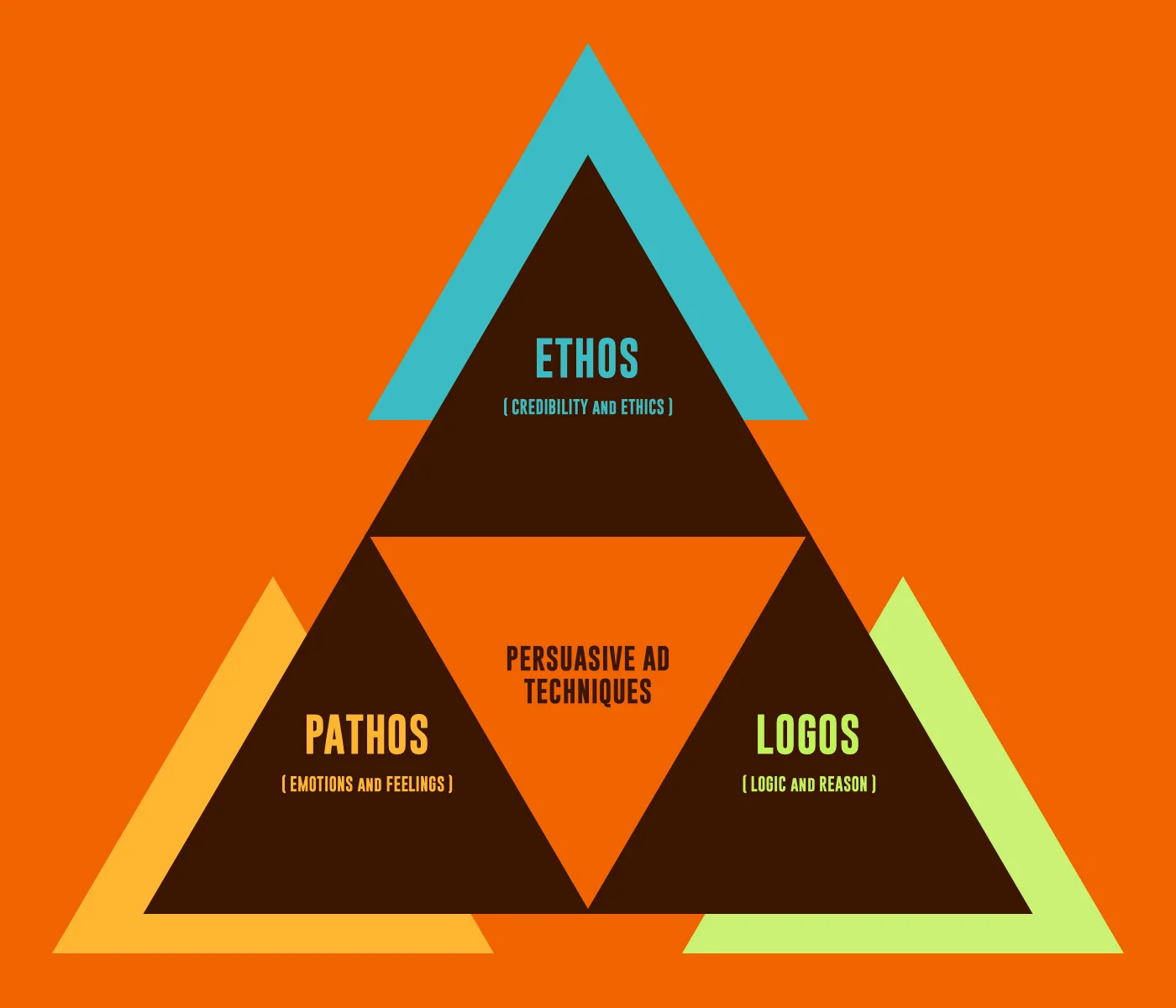
In the sphere of high-stakes brand strategy and corporate identity, the written word serves as the primary conduit for trust. While a visual logo or a catchy slogan may capture initial attention, it is the underlying “ethos” of the writing that sustains a consumer’s loyalty. Derived from the Greek word for “character,” ethos is one of the three pillars of Aristotelian persuasion, alongside logos (logic) and pathos (emotion). In modern branding, ethos is the strategic cultivation of credibility and authority through voice, tone, and content.
To understand ethos in writing is to understand how a brand establishes its right to be heard. It is not enough for a business to provide a solution; it must demonstrate that it is an ethical, expert, and reliable source of that solution. This article explores the multifaceted role of ethos in professional writing and how it serves as the backbone of sustainable brand equity.

Understanding Ethos as the Foundation of Brand Identity
In the context of branding, ethos represents the “personality” and “integrity” of the brand as expressed through its communications. When a consumer reads a blog post, an annual report, or a marketing email, they are subconsciously evaluating the speaker. They are asking: Is this brand competent? Do they share my values? Can I trust their promises?
The Distinction Between Authority and Credibility
Ethos is often misinterpreted as simple expertise, but it is actually a composite of two distinct elements: authority and credibility. Authority is the “right” to speak on a topic, often backed by certifications, years in the industry, or proprietary data. Credibility, however, is the “perceived honesty” of the speaker.
A brand can have high authority but low credibility if its writing feels cold, clinical, or deceptive. Conversely, a startup might have high credibility through transparent communication but low authority due to its lack of history. Effective brand writing balances both, using professional language to assert authority while maintaining a humanized tone to build credibility.
Ethos as a Filter for Brand Values
Modern consumers—particularly Millennials and Gen Z—are increasingly driven by value-alignment. They do not just buy products; they buy into the brand’s worldview. Ethos in writing allows a brand to signal its values without being overly didactic. By choosing specific terminologies, highlighting social responsibility initiatives, and maintaining a consistent ethical stance in all copy, a brand creates a moral compass that guides its audience.
Strategies for Developing Ethos in Corporate Communications
For a corporation, ethos is a collective asset. It is the “corporate voice” that must remain consistent across thousands of touchpoints. Developing this ethos requires a disciplined approach to tone, vocabulary, and transparency.
The Role of Professional Tone and Register
The tone of a brand’s writing acts as its social attire. Just as a CEO would not wear beachwear to a board meeting, a financial institution should not use overly casual slang in a technical white paper. Selecting the appropriate “register”—the level of formality—is the first step in establishing ethos.
Professionalism in writing does not necessarily mean “dry” or “boring.” Rather, it means showing respect for the reader’s time and intelligence. Precise language, the avoidance of hyperbole, and the use of well-structured arguments signal to the reader that the brand is a serious entity capable of delivering on its promises.
Consistency as a Trust Factor
Inconsistency is the fastest way to erode ethos. If a brand’s social media is irreverent and humorous, but its customer service emails are rigid and bureaucratic, the consumer experiences “brand dissonance.” This creates a sense of phoniness. To build strong ethos, the writing style must be codified in a Brand Voice Guide. This ensures that every writer, from the social media manager to the technical documentation lead, contributes to a single, unified persona.
Leveraging Social Proof and Intellectual Capital
One of the most effective ways to bake ethos into writing is through the strategic inclusion of “intellectual capital.” This includes original research, case studies, and expert insights. When a brand produces deep-dive articles that solve complex problems for their audience, they are performing their ethos. They are proving their worth rather than just claiming it. Including testimonials and mentions of industry partnerships further bolsters this character by showing that other respected entities trust the brand.

Ethos in Personal Branding: Selling Expertise Through Voice
In the era of the “solopreneur” and the “thought-leader,” personal branding has become inseparable from professional success. Here, ethos is even more critical because the brand is the person. The writing must be an authentic reflection of the individual’s expertise and character.
Transparency and the “Vulnerability Paradox”
In personal branding, ethos is often strengthened by admitting limitations or sharing the “behind-the-scenes” struggles of a business. This is known as the vulnerability paradox: by showing a certain level of transparency, the writer becomes more relatable and, paradoxically, more authoritative. It proves they are not hiding behind a corporate mask. However, this must be balanced carefully. Too much vulnerability can undermine the perception of competence, while too little can make the writer seem unreachable or robotic.
Establishing the “Why” Before the “How”
Personal branding ethos is built on purpose. When writing for a personal brand—whether on LinkedIn, a personal blog, or a newsletter—the writer must clearly communicate their “why.” Why do they care about this industry? What is their mission? By grounding their writing in a clear purpose, they move from being a mere service provider to being a leader. This mission-driven writing creates a magnetic ethos that attracts like-minded clients and collaborators.
The Power of Niche Specialization
Nothing kills ethos faster than trying to be everything to everyone. In personal branding, authority is built through specialization. A writer who claims to be an expert in “all things marketing” has a weaker ethos than one who specializes in “Ethical SaaS Growth Marketing.” The narrower the focus, the higher the perceived expertise. This specificity should be reflected in the vocabulary and the complexity of the topics discussed in their writing.
Integrating Ethos into Marketing and Design
While this discussion focuses on writing, ethos is a multidisciplinary effort. The text must work in harmony with the design and marketing strategy to create a cohesive brand identity.
Aligning Voice with Visual Identity
The ethos established in writing can be easily undermined by poor design. If a brand’s copy is sophisticated and high-end, but its website design is cluttered and uses low-quality stock imagery, the ethos is compromised. Strategic brand writing works best when it is integrated into a “visual-verbal” identity. The typography, color palette, and layout should reinforce the character established by the words. For example, a brand focused on “security and stability” (like a cybersecurity firm) should use sturdy, sans-serif fonts and a structured layout to complement its authoritative writing style.
Ethical Marketing and the Avoidance of “Dark Patterns”
Ethos is closely tied to ethics. In marketing writing, this means avoiding “dark patterns”—manipulative copy techniques designed to trick users into taking actions they didn’t intend to. This includes misleading headlines (clickbait), hidden costs, or high-pressure “scarcity” tactics that are not based in reality. While these tactics might yield short-term conversions, they destroy long-term ethos. Brands that prioritize their ethos will choose “honest marketing,” which relies on clear value propositions and respectful engagement.
The Long-Term Impact of Ethos on Consumer Perception
Building ethos is a marathon, not a sprint. It is a cumulative effect of every sentence ever published under a brand’s name. Over time, a strong ethos transitions into “Brand Equity,” a tangible asset that allows a company to charge premium prices and weather potential PR crises.
Resilience in Times of Crisis
When a brand with a strong, well-established ethos makes a mistake, the public is generally more forgiving. This is because the brand has built up a “trust surplus.” Their history of honest, authoritative, and value-driven writing serves as evidence that the mistake was an outlier, not a reflection of their true character. Conversely, a brand with a weak ethos will find that even minor errors are scrutinized as evidence of systemic incompetence or dishonesty.
The Future of Ethos in an AI-Driven World
As AI-generated content becomes more prevalent, human-driven ethos will become more valuable. In a sea of generic, synthesized text, the unique “fingerprint” of a brand’s character will be its greatest differentiator. Writing that displays genuine insight, lived experience, and ethical conviction will stand out. For brand strategists, the challenge of the next decade will be to ensure that even as they use new tools to scale their content, the core ethos of their writing remains authentic and unmistakable.
In conclusion, ethos in writing is not a mere rhetorical device; it is a strategic necessity. For any brand or professional looking to dominate their market, the cultivation of authority and credibility through the written word is the most effective way to build a lasting legacy. By focusing on consistency, transparency, and deep expertise, a brand can move beyond being a provider of goods and services to becoming a trusted voice in its industry.
aViewFromTheCave is a participant in the Amazon Services LLC Associates Program, an affiliate advertising program designed to provide a means for sites to earn advertising fees by advertising and linking to Amazon.com. Amazon, the Amazon logo, AmazonSupply, and the AmazonSupply logo are trademarks of Amazon.com, Inc. or its affiliates. As an Amazon Associate we earn affiliate commissions from qualifying purchases.