
In the hyper-competitive landscape of modern marketing, brands often struggle with a common paradox: the need to produce a high volume of content while maintaining a singular, recognizable voice. Without a structured approach, digital presence becomes fragmented, leaving audiences confused about what the brand actually stands for. This is where content pillars become indispensable. A content pillar is a set of three to five core themes or topics that a brand consistently communicates. They act as the structural integrity of a brand’s messaging strategy, ensuring that every piece of content—whether it is a 280-character social post or a 2,000-word white paper—aligns with the overarching brand identity.
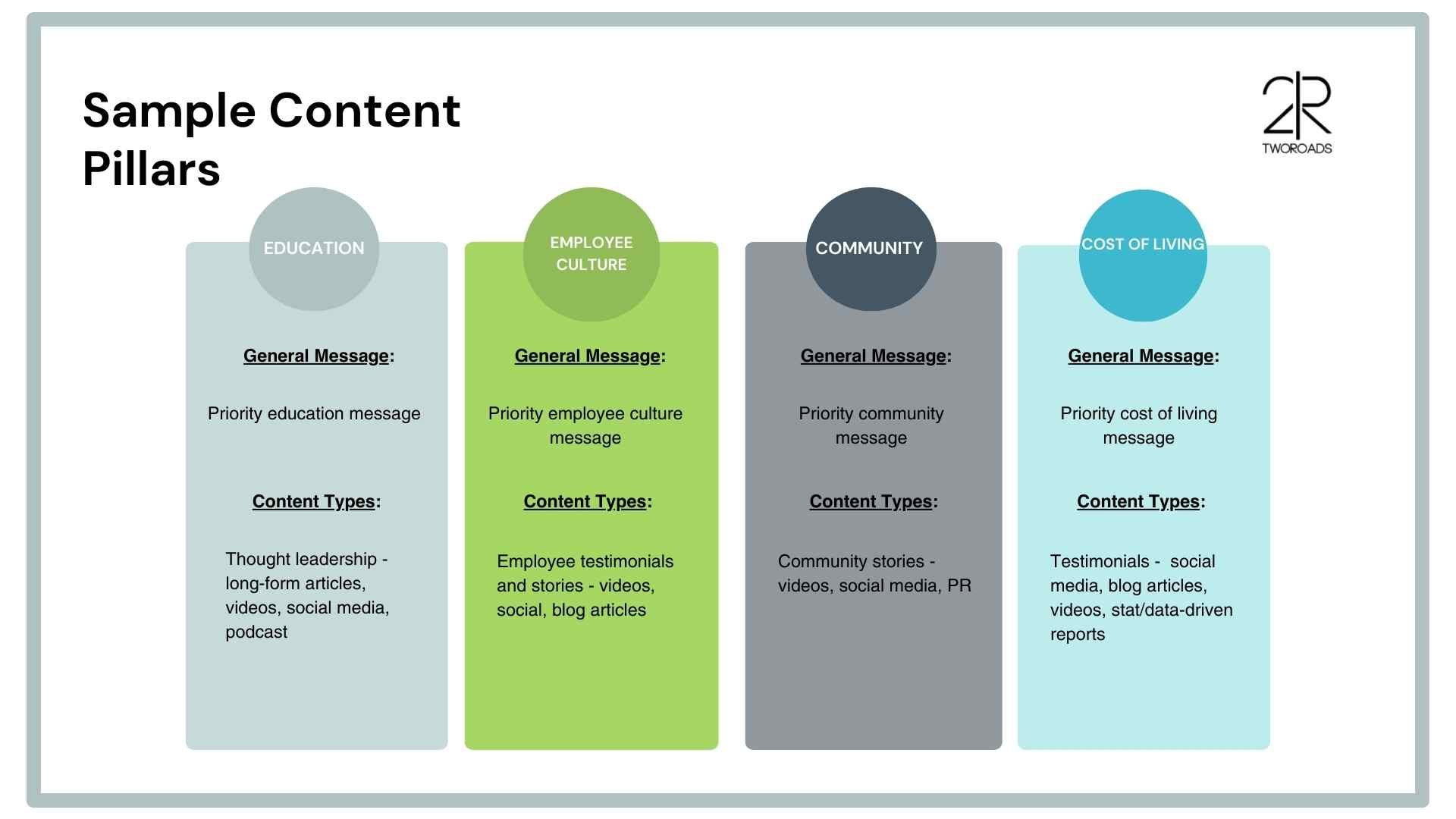
By defining these pillars, organizations move away from reactive “shooting from the hip” content creation and toward a deliberate brand strategy. These pillars are not merely keywords for search engines; they are the intellectual and emotional touchpoints that define a brand’s authority and market position.
The Architecture of Brand Messaging: Why Pillars Matter
Content pillars serve as the bridge between a brand’s abstract mission statement and its daily consumer interactions. In brand strategy, consistency is the primary driver of trust. When a brand oscillates between disconnected topics, it fails to build a coherent narrative. Content pillars solve this by providing a framework that ensures the brand remains relevant and focused.
Establishing Brand Authority and Expertise
One of the most significant advantages of content pillars is the ability to carve out a niche of authority. In any given industry, a brand cannot be everything to everyone. By selecting specific pillars, a brand signals to its audience exactly where its expertise lies. For instance, a sustainable fashion brand might choose “Ethical Manufacturing,” “Minimalist Lifestyle,” and “Innovative Textiles” as its pillars. By consistently producing content within these three buckets, the brand reinforces its status as a thought leader in those specific areas, making it the go-to resource for consumers interested in those values.
Streamlining the Creative Process
From an operational standpoint, content pillars reduce the friction of the creative process. Marketing teams often face “blank page syndrome,” where the lack of constraints leads to indecision. Pillars provide a “sandbox” for creativity. When a social media manager knows they must post content related to a specific pillar, the brainstorming process becomes targeted. This efficiency allows for a higher quality of output because the team is refining a specific narrative rather than starting from scratch every week.
Enhancing Brand Recall Through Repetition
Consumer psychology suggests that it takes multiple touchpoints before a brand is recognized and trusted. Content pillars facilitate this by creating a repetitive but fresh experience. By revisiting the same core themes from different angles, a brand reinforces its identity in the consumer’s mind. Over time, the audience begins to associate the brand with those specific pillars, creating a mental shortcut that is essential for long-term brand equity.
Identifying Your Brand’s Unique Content Pillars
Identifying the right pillars requires a deep dive into both the brand’s internal identity and the external needs of the marketplace. Selecting pillars that are too broad leads to a diluted brand, while selecting pillars that are too narrow can limit growth and content variety. The goal is to find the “sweet spot” where brand purpose, audience interest, and market opportunity intersect.
Aligning with Brand Mission and Values
The first step in defining pillars is revisiting the brand’s core mission. If the mission is to “democratize high-end technology,” the pillars must reflect accessibility, innovation, and education. Each pillar should be a direct extension of a brand value. If a company claims to value transparency but lacks a content pillar that addresses internal processes or industry challenges, there is a strategic disconnect. Pillars should be the tangible manifestation of the brand’s “Why.”
Analyzing Audience Pain Points and Desires
A brand is not what the company says it is, but what the consumer perceives it to be. Therefore, content pillars must be grounded in the reality of the audience’s life. Market research, social listening, and customer feedback are vital here. What are the frequent questions customers ask? What challenges are they trying to solve? By building pillars around these pain points, the brand ensures its content is inherently valuable. For a personal brand in the leadership space, pillars might include “Emotional Intelligence,” “Remote Team Management,” and “Strategic Decision Making”—topics that directly address the daily hurdles of their target demographic.
Evaluating the Competitive Landscape

To differentiate a brand, one must understand the pillars utilized by competitors. If every corporate identity in a specific sector is focusing on “Price” and “Efficiency,” a brand can stand out by choosing pillars like “Community Impact” or “Design Aesthetics.” This differentiation is key to brand positioning. The pillars should reflect not just what the brand does, but how it does it differently than anyone else in the market.
Implementing Pillars Across Your Brand Channels
Once the pillars are established, the challenge shifts to execution. A brand strategy is only as good as its implementation. Content pillars must be integrated into every facet of the brand’s digital and physical presence to ensure a unified identity.
Creating a Content Matrix
A content matrix is a practical tool used to map out how each pillar will be represented across different formats. For example, Pillar A might be explored through a deep-dive blog post on Mondays, a quick-tip infographic on Instagram on Tuesdays, and a guest interview on a podcast on Fridays. This multi-channel approach ensures that the brand message reaches the audience regardless of their preferred medium, while the core pillar keeps the messaging consistent.
Balancing the “Pillar Mix”
In brand management, it is important to maintain a healthy balance between the chosen pillars. If a brand has four pillars but 90% of its content focuses on only one, the brand identity becomes lopsided. A strategic calendar should ensure that each pillar receives adequate attention over a monthly or quarterly cycle. This variety prevents audience fatigue and ensures that the brand’s full value proposition is being communicated.
Adapting Pillars for Personal vs. Corporate Branding
While the logic remains the same, the application of pillars differs slightly between personal and corporate brands. In personal branding, pillars often include a “human” element—such as personal growth or lifestyle—alongside professional expertise. This humanizes the brand and builds a deeper connection with the audience. In corporate branding, pillars are usually more focused on industry leadership, product innovation, and corporate social responsibility. However, both must remain authentic to the underlying identity to be effective.
The Long-term Impact of Content Pillars on Brand Equity
Content pillars are not a short-term marketing tactic; they are a long-term investment in brand equity. As the digital landscape becomes more crowded, the brands that survive are those that have a clear, consistent, and authoritative voice.
Building Lasting Trust and Credibility
Trust is the currency of the modern economy. When a brand consistently delivers high-quality insights and stories within its defined pillars, it builds a “trust reservoir.” Consumers begin to rely on the brand as a credible source of information. This credibility is vital during times of crisis or market shifts. A brand with established pillars has a solid foundation to fall back on, whereas a brand with a scattered identity can easily be swept away by changing trends.
Improving Search Engine Visibility Through Topical Authority
From a technical perspective, content pillars are the bedrock of what SEO experts call “topical authority.” Search engines like Google favor websites that demonstrate deep knowledge in specific areas. By organizing content around clear pillars, a brand creates a web of interconnected information that signals expertise to search algorithms. This increases organic visibility, making it easier for potential customers to find the brand when they are searching for solutions within those specific pillars.

Cultivating a Loyal Brand Community
Finally, content pillars allow a brand to build a community of like-minded individuals. When a brand’s pillars resonate with the values and interests of its audience, it fosters a sense of belonging. People don’t just buy products; they join movements and align themselves with identities. By consistently championing specific themes, a brand attracts a dedicated following that feels seen and understood. This community becomes the brand’s greatest asset, providing word-of-mouth marketing and long-term loyalty that no advertisement can buy.
In summary, content pillars are the strategic guardrails that keep a brand on track. They provide the clarity needed for internal teams to execute flawlessly and the consistency needed for external audiences to build trust. In an era of infinite content, the brands that win are the ones that know exactly what they stand for—and have the pillars to prove it.
aViewFromTheCave is a participant in the Amazon Services LLC Associates Program, an affiliate advertising program designed to provide a means for sites to earn advertising fees by advertising and linking to Amazon.com. Amazon, the Amazon logo, AmazonSupply, and the AmazonSupply logo are trademarks of Amazon.com, Inc. or its affiliates. As an Amazon Associate we earn affiliate commissions from qualifying purchases.