
In the world of fast-moving consumer goods (FMCG), few products have achieved the level of near-total market dominance and brand recognition as Angostura bitters. While most casual consumers recognize the small, paper-wrapped bottle with the oversized label as a staple of the modern cocktail bar, from a strategic branding perspective, Angostura is much more than a botanical infusion. It is a masterclass in brand heritage, intellectual property protection, and the “moat” strategy that keeps a single product indispensable across centuries.
To understand what Angostura bitters are is to understand how a brand can transition from a 19th-century medicinal tonic to an essential global commodity. By analyzing its corporate identity, its unique packaging psychology, and its status as a “generic trademark” of the mixology world, we can uncover the blueprint for building a brand that resists disruption and maintains its premium positioning regardless of market fluctuations.
The Heritage of the Yellow Cap: Building a Century-Old Identity
The foundation of the Angostura brand is its deep historical roots, dating back to 1824. Founded by Dr. Johann Siegert in the town of Angostura (now Ciudad Bolívar), Venezuela, the product was originally developed as a medicinal remedy for stomach ailments among soldiers. However, the brand’s true genius lay in its ability to pivot. As the product traveled with sailors and merchants, it evolved from a medicine cabinet essential to a culinary and bar staple.
The Origin Story as a Brand Asset
In modern marketing, “storytelling” is often a manufactured exercise. For Angostura, the story is authentic and forms a core part of its brand equity. The Siegert family moved the operation to Trinidad in 1875, where the House of Angostura remains to this day. This geographical identity is central to the brand. By tethering the product to a specific family legacy and a Caribbean heritage, the brand creates a sense of “terroir” and authenticity that newer, artisanal competitors struggle to replicate. Consumers aren’t just buying a bittering agent; they are buying 200 years of history that has been passed down through generations of the Siegert family.
The “Happy Accident” of the Oversized Label
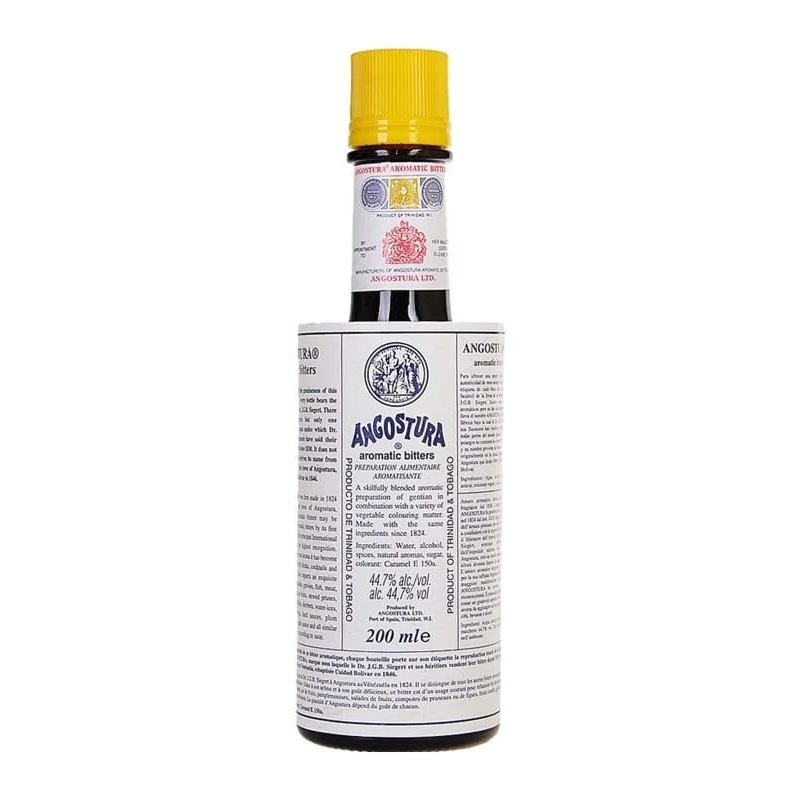
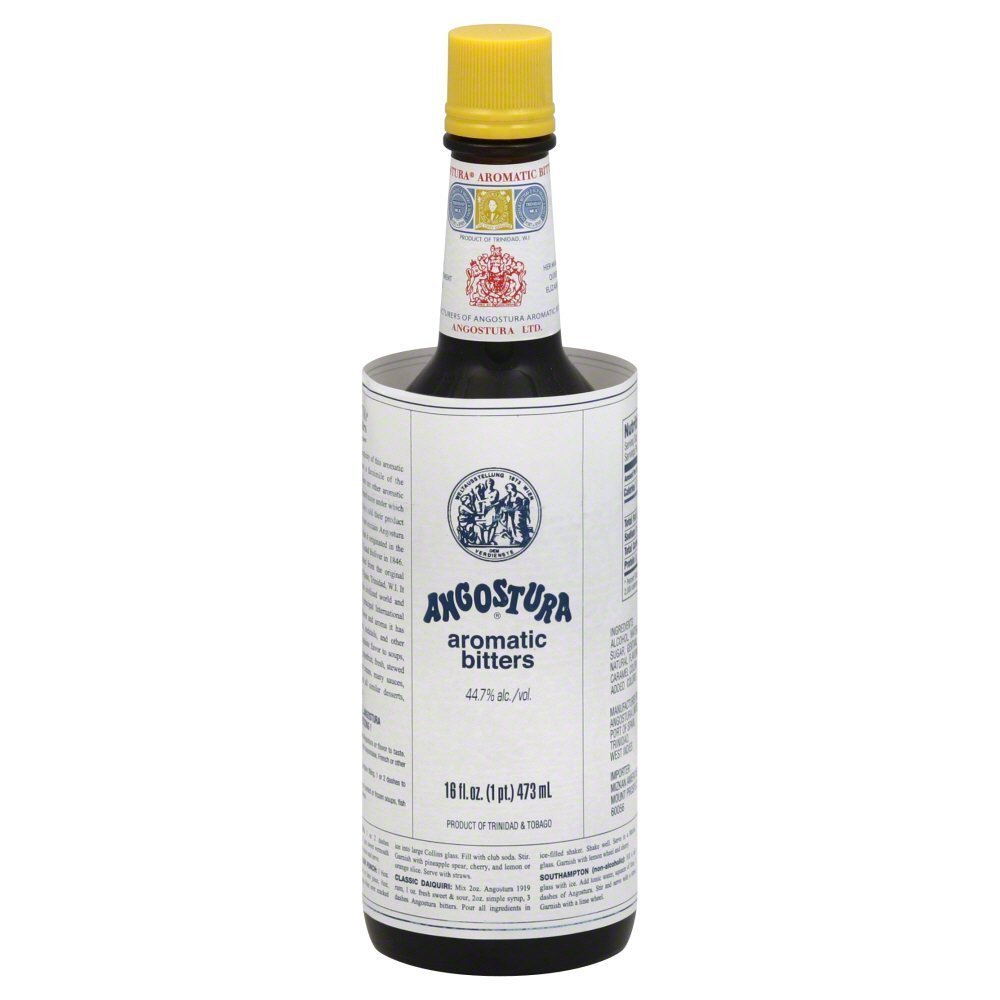
Perhaps the most recognizable element of the Angostura brand is its packaging anomaly: the label that is significantly larger than the bottle. According to brand lore, the mistake happened when one brother ordered the bottles and another ordered the labels without coordinating the dimensions. By the time they realized the error, it was too late to change them before a major competition. They entered the product as-is, and while they didn’t win the competition, a judge noted the distinctive look.
From a brand strategy perspective, keeping this mistake was a stroke of genius. The oversized label has become a “distinctive brand asset” (DBA). In a sea of uniform glass bottles, the crumpled, protruding white paper of an Angostura bottle is immediately identifiable from across a room. This visual quirk serves as a “shortcut” for the consumer’s brain, providing instant brand recall. It proves that brand perfection isn’t always about symmetry; it’s about being memorable.
Protecting the Secret: The Intellectual Property Powerhouse
What truly defines Angostura bitters is the air of mystery surrounding its production. In an era where “radical transparency” is a common marketing trend, Angostura doubles down on the “secret formula” strategy. This is not just a marketing gimmick; it is a calculated corporate identity play that protects the brand’s market share.
Maintaining Exclusivity through Mystery
The recipe for Angostura bitters is one of the most closely guarded secrets in the corporate world, often compared to the formula for Coca-Cola or the KFC spice blend. It is rumored that only five people at any given time know the full list of ingredients and the proportions of the botanical blend. This secrecy creates a powerful brand narrative of exclusivity and quality control.
By keeping the formula hidden, Angostura prevents the “commoditization” of its product. If everyone knew exactly what went into the bottle, dozens of white-label versions would flood the market at a lower price point. Instead, the “secret” acts as a barrier to entry for competitors. Even if a rival chemist creates a similar flavor profile, they can never claim to be the “original,” because the original remains an enigma.
The Psychology of the Untouchable Recipe
The brand uses this secrecy to fuel consumer perception of value. In the mind of the consumer—and the professional bartender—the mystery implies a level of complexity that cannot be replicated. This is a classic “Brand Moat.” When a recipe is perceived as being ancient and immutable, it gains a “sacred” status. This makes the brand more resilient to trends. While “craft” bitters brands might come and go with various flavor profiles (orange, chocolate, celery), Angostura remains the baseline because it is perceived as the one true, untouchable standard.
Market Saturation and the “Standard Bearer” Strategy
In brand management, the ultimate goal is often to become the “category king”—the product that defines the entire sector. Angostura has achieved something even more elusive: it has become an “ingredient brand” that is mandatory for the success of other products (in this case, cocktails like the Old Fashioned or the Manhattan).
Becoming the Generic Trademark of the Bar World
When a recipe calls for “bitters,” nine times out of ten, the creator is assuming the use of Angostura. This is a form of brand “entrenchment.” Much like Kleenex or Xerox, the brand name often stands in for the product category itself. However, unlike those brands which have struggled with trademark erosion, Angostura has maintained its premium trademark status by being the sole producer of its specific aromatic profile.
This “standard bearer” status is reinforced through strategic education. The House of Angostura invests heavily in the “Global Cocktail Challenge,” a competition that engages the professional bartending community. By positioning themselves at the center of the industry’s education and talent development, they ensure that the next generation of influencers (bartenders) continues to view Angostura as the essential tool of their trade.
Strategic Partnerships and Global Distribution
Angostura’s brand strength is also a result of its formidable distribution network. Available in over 170 countries, the brand has achieved a level of ubiquity that few spirits-adjacent products can match. This is not just about logistics; it’s about brand reliability. A traveler in a bar in Tokyo, London, or New York expects an Old Fashioned to taste exactly the same. Angostura provides the “flavor consistency” that allows global hospitality brands to maintain their own standards. This B2B (business-to-business) reliability is a massive component of their corporate success.
Branding Beyond the Bottle: Diversification and Legacy
While the aromatic bitters are the flagship, the brand has successfully leveraged its equity to expand into other categories. This diversification is a lesson in how to extend a brand without diluting its core identity.
From Medicinal Tonic to Culinary Staple
One of Angostura’s most successful brand pivots has been its push into the culinary world. By marketing the bitters as a “flavor enhancer” for soups, stews, and desserts, they have expanded their addressable market from the bar stool to the kitchen pantry. This move is supported by the brand’s history; remember, it started as a digestive aid. By reclaiming its space in the wellness and culinary sectors, the brand insulates itself from any potential downturns in the alcohol industry. The “dash” of Angostura is marketed as a “salt and pepper for the bar,” a positioning that makes it feel like a fundamental necessity rather than a luxury add-on.
The Future of the Angostura Global Brand
As the House of Angostura moves into its third century, its brand strategy remains focused on “heritage innovation.” They have expanded their product line to include orange bitters and a range of premium rums, all of which benefit from the “halo effect” of the original bitters bottle. When consumers see the House of Angostura logo on a bottle of rum, they immediately transfer the trust, history, and quality associated with the bitters to the new spirit.
In conclusion, “What are Angostura bitters?” is a question with two answers. Ingredients-wise, they are a complex infusion of herbs and spices. But from a business perspective, they are an iconic brand that has survived wars, economic depressions, and changing consumer tastes by leaning into its unique visual identity, protecting its intellectual property with vigor, and maintaining a “standard bearer” position in the global market. Angostura is a living reminder that in a world of constant change, a brand that stays true to its “secret sauce”—literally and figuratively—can become timeless.
aViewFromTheCave is a participant in the Amazon Services LLC Associates Program, an affiliate advertising program designed to provide a means for sites to earn advertising fees by advertising and linking to Amazon.com. Amazon, the Amazon logo, AmazonSupply, and the AmazonSupply logo are trademarks of Amazon.com, Inc. or its affiliates. As an Amazon Associate we earn affiliate commissions from qualifying purchases.