
In the realm of modern engineering, few biological subjects offer as much untapped potential as the dolphin. From the depths of acoustic physics to the cutting edge of artificial intelligence, these marine mammals serve as a foundational blueprint for some of our most sophisticated technological breakthroughs. When we examine the dolphin through the lens of the tech industry, we discover a convergence of natural evolution and digital innovation.
Innovations in Bio-Acoustics and Signal Processing
The acoustic capabilities of dolphins have long been the gold standard for naval architects and software engineers specializing in signal processing. While human-made sonar systems have existed for decades, they are only recently beginning to approach the efficiency and clarity found in biological systems.
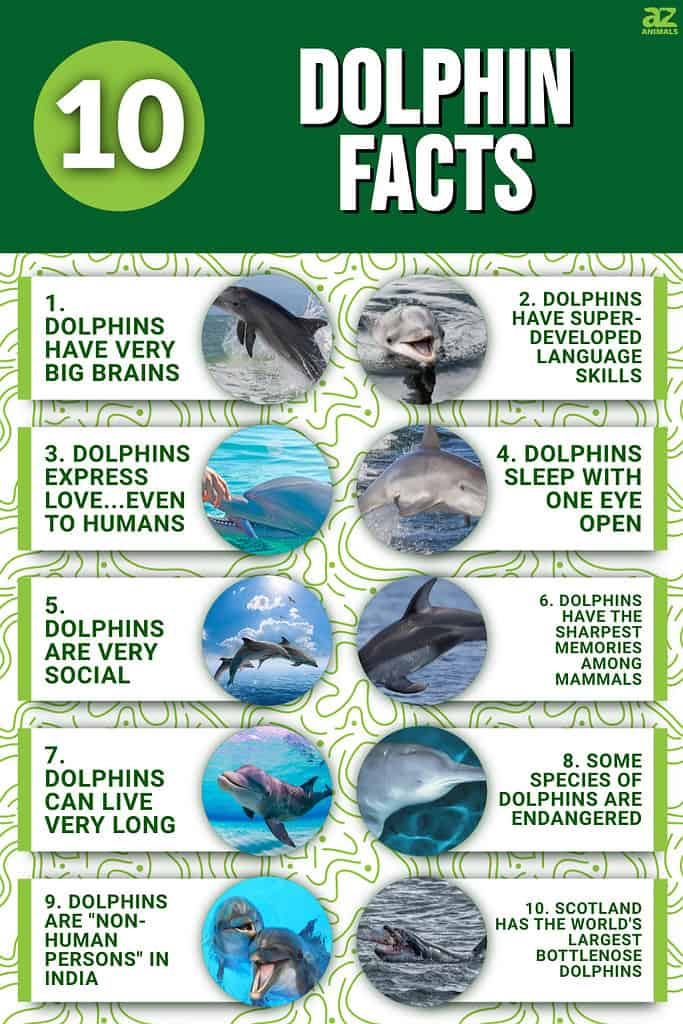
1. The Superiority of Wideband Sonar Mimicry
One of the most compelling facts about dolphins is their ability to utilize “wideband” sonar, a technique that human engineers are currently striving to perfect for autonomous underwater vehicles (AUVs). Unlike traditional narrow-band sonar, which sends out pings on a limited frequency, dolphins emit clicks that cover a vast spectrum of frequencies simultaneously. This allows them to distinguish between a solid object and a hollow one, or even identify different types of metals from a distance. Tech firms are currently integrating this wideband approach into “Synthetic Aperture Sonar” (SAS) to create high-resolution 3D maps of the ocean floor, drastically improving the accuracy of deep-sea mining and wreckage recovery.
2. Algorithmic Noise Filtering and Signal-to-Noise Ratios
Dolphins possess an innate ability to filter out background noise in chaotic environments, such as crashing waves or shifting sands. In the world of digital communication, this is known as managing the signal-to-noise ratio (SNR). Engineers are studying the dolphin’s auditory cortex to develop more robust noise-canceling algorithms for IoT (Internet of Things) devices used in industrial settings. By mimicking the way a dolphin’s brain processes sound—prioritizing specific echoes while suppressing ambient interference—software developers are creating more reliable communication protocols for underwater sensor networks that must operate in “noisy” oceanic conditions.
3. Bio-Inspired Cryptography and Stealth Communication
In military technology, the way dolphins communicate is being analyzed to develop “low probability of intercept” (LPI) signals. Because dolphin vocalizations are complex and can be masked within the natural acoustic signature of the ocean, researchers are developing encryption methods that mimic these biological sounds. By hiding digital data packets within synthesized dolphin “whistles,” security experts can transmit sensitive information through the water without alerting sophisticated surveillance systems that are tuned to look for artificial, rhythmic pulses.
Mechanical Engineering and the Future of Propulsion
Beyond their cognitive and acoustic abilities, the physical architecture of the dolphin has provided a masterclass in fluid dynamics and materials science. As we move toward a future of carbon-neutral shipping and high-efficiency robotics, the dolphin remains a primary source of inspiration for mechanical optimization.
4. Soft Robotics and the Science of Compliant Surfaces
One of the most interesting facts about dolphin physiology is the structure of their skin, which is both pliable and micro-textured to reduce turbulence. This has led to a burgeoning field in tech known as “soft robotics.” Traditional drones and underwater craft are often rigid, leading to high drag and energy waste. However, by using compliant materials that mimic dolphin skin—which deforms slightly to absorb the energy of swirling water—engineers are creating a new generation of “bio-morphic” hull coatings. These coatings allow vessels to move through the water with up to 20% less resistance, a technological leap that could save the global shipping industry billions in fuel costs.
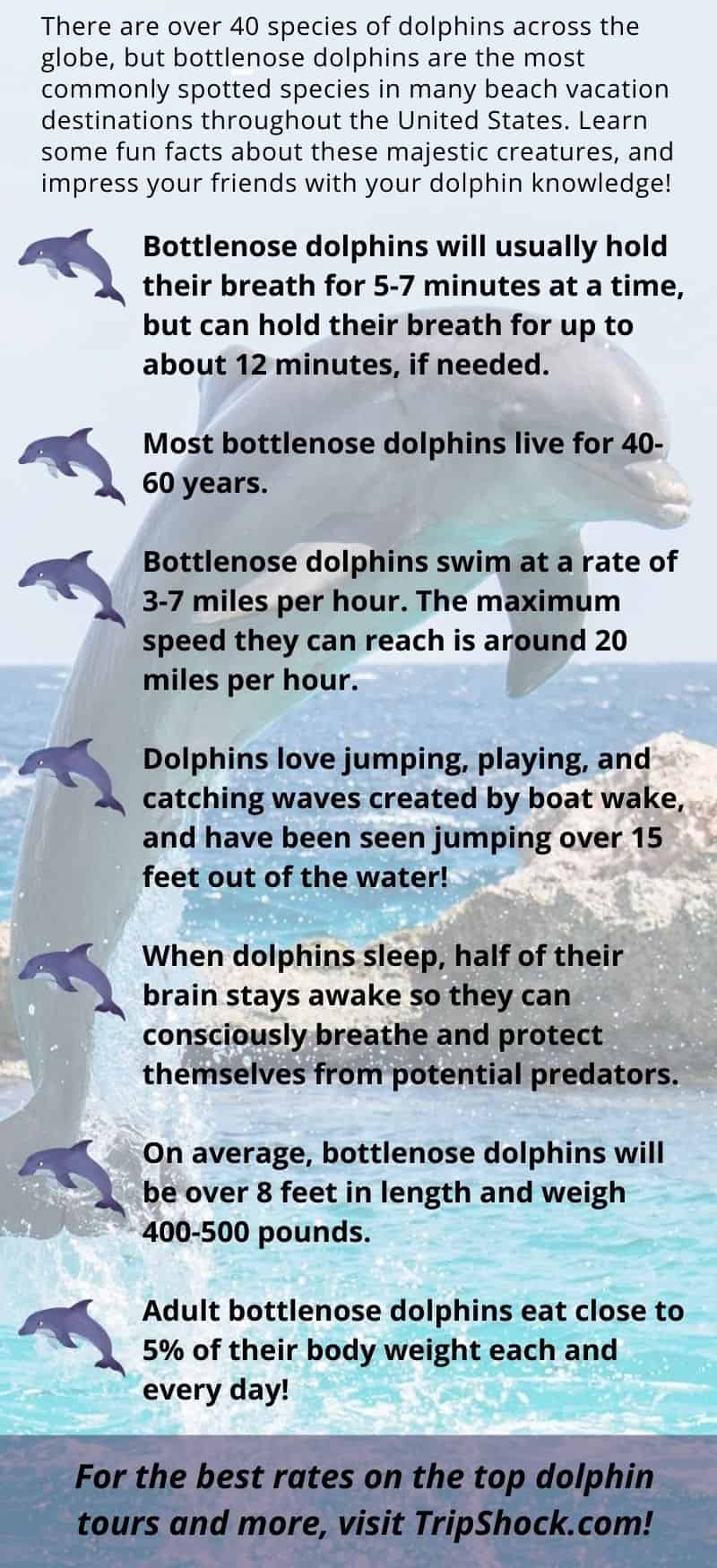
5. Oscillatory Mechanics and High-Efficiency Propulsion
The “dolphin kick” is not just a biological movement; it is a marvel of oscillatory mechanics. Unlike the rotational propellers used by most modern ships, which cause cavitation and noise pollution, a dolphin’s fluke moves in a vertical oscillation that generates immense thrust with minimal energy loss. Tech startups in the marine propulsion space are now testing “flapping-wing” thrusters for cargo ships. These systems utilize the same hydrodynamic principles as a dolphin’s tail, providing a more sustainable and silent alternative to traditional screws, which is particularly vital for avoiding the disruption of marine ecosystems.
6. Hydrodynamic Modeling and Digital Twins
To study these movements, the tech industry has had to develop incredibly complex “Digital Twins”—virtual replicas of dolphins used in high-fidelity simulations. These simulations require massive computational power to model fluid-structure interaction (FSI). The data derived from these digital dolphins is being used to optimize the aerodynamics of everything from wind turbine blades to the fuselages of high-speed aircraft. The fact that a dolphin can maintain high speeds while using very little oxygen has forced computational fluid dynamics (CFD) engineers to rethink how we manage boundary layer separation in modern transport tech.
Software Engineering and Data-Driven Insights
The influence of the dolphin extends into the very software we use daily. Whether it is through specific applications named in their honor or the high-level algorithms inspired by their social structures, the digital footprint of the dolphin is massive.
7. The Dolphin Emulator: A Landmark in Optimization
In the niche of software development, the name “Dolphin” is synonymous with one of the most successful open-source projects in history: the Dolphin Emulator. While the software mimics the hardware of gaming consoles, its development history is a testament to the power of community-driven code optimization. The project has pushed the boundaries of Just-In-Time (JIT) compilation and hardware acceleration. It serves as a case study for software engineers on how to achieve high-performance emulation across different CPU architectures, proving that even in the virtual world, the “Dolphin” represents agility and technical excellence.
8. Swarm Intelligence and Distributed Computing
Dolphins are known for their highly coordinated hunting strategies, which rely on a form of decentralized intelligence. In tech, this is categorized as “Swarm Intelligence” (SI). Developers are currently writing “Pod-based” algorithms for distributed computing and autonomous drone swarms. Instead of a single central server controlling every move, each “node” (or drone) follows simple rules based on the proximity and behavior of its neighbors, much like a pod of dolphins. This results in a more resilient and flexible network, capable of performing complex tasks like search-and-rescue or large-scale environmental monitoring without the risk of a single point of failure.
The Intersection of AI and Marine Cognitive Science
Perhaps the most exciting frontier in dolphin-related technology is the use of Artificial Intelligence to bridge the gap between human and non-human intelligence.
9. Machine Learning and the Decoding of “Phonetic” Clicks
The CETI Project (Cetacean Translation Initiative) is currently using advanced machine learning—specifically Transformer models similar to those that power Large Language Models (LLMs)—to decode dolphin communication. For years, scientists were overwhelmed by the sheer volume of acoustic data, but AI can now identify patterns, syntax, and “codas” that were previously invisible to human researchers. This is a massive tech fact: we are using the same neural networks that power our chatbots to potentially “talk” to another species. This research is pushing the boundaries of Natural Language Processing (NLP) and forcing developers to create models that can handle non-human, multi-dimensional data structures.

10. The Internet of Underwater Things (IoUT) and Edge Computing
Finally, dolphins are becoming an integral part of the “Internet of Underwater Things.” Using non-invasive, wearable bio-sensors, researchers are turning dolphins into “mobile edge-computing nodes.” These sensors collect data on water temperature, salinity, and pH levels as the dolphins move through the ocean. The data is processed locally on the device (Edge Computing) and then uploaded to the cloud via satellite when the dolphin surfaces. This technology provides climate scientists with a granular view of the ocean’s health that static sensors or satellites simply cannot match. It represents a total integration of biological life and digital infrastructure.
Through these ten facts, it becomes clear that the dolphin is more than just a subject of biological interest; it is a cornerstone of modern technological inspiration. As AI continues to evolve and our need for efficient, sustainable engineering grows, the lessons we learn from these marine “technologists” will only become more vital. The future of tech is not just in silicon and code, but in our ability to decode and replicate the millions of years of optimization found in the natural world.
aViewFromTheCave is a participant in the Amazon Services LLC Associates Program, an affiliate advertising program designed to provide a means for sites to earn advertising fees by advertising and linking to Amazon.com. Amazon, the Amazon logo, AmazonSupply, and the AmazonSupply logo are trademarks of Amazon.com, Inc. or its affiliates. As an Amazon Associate we earn affiliate commissions from qualifying purchases.