
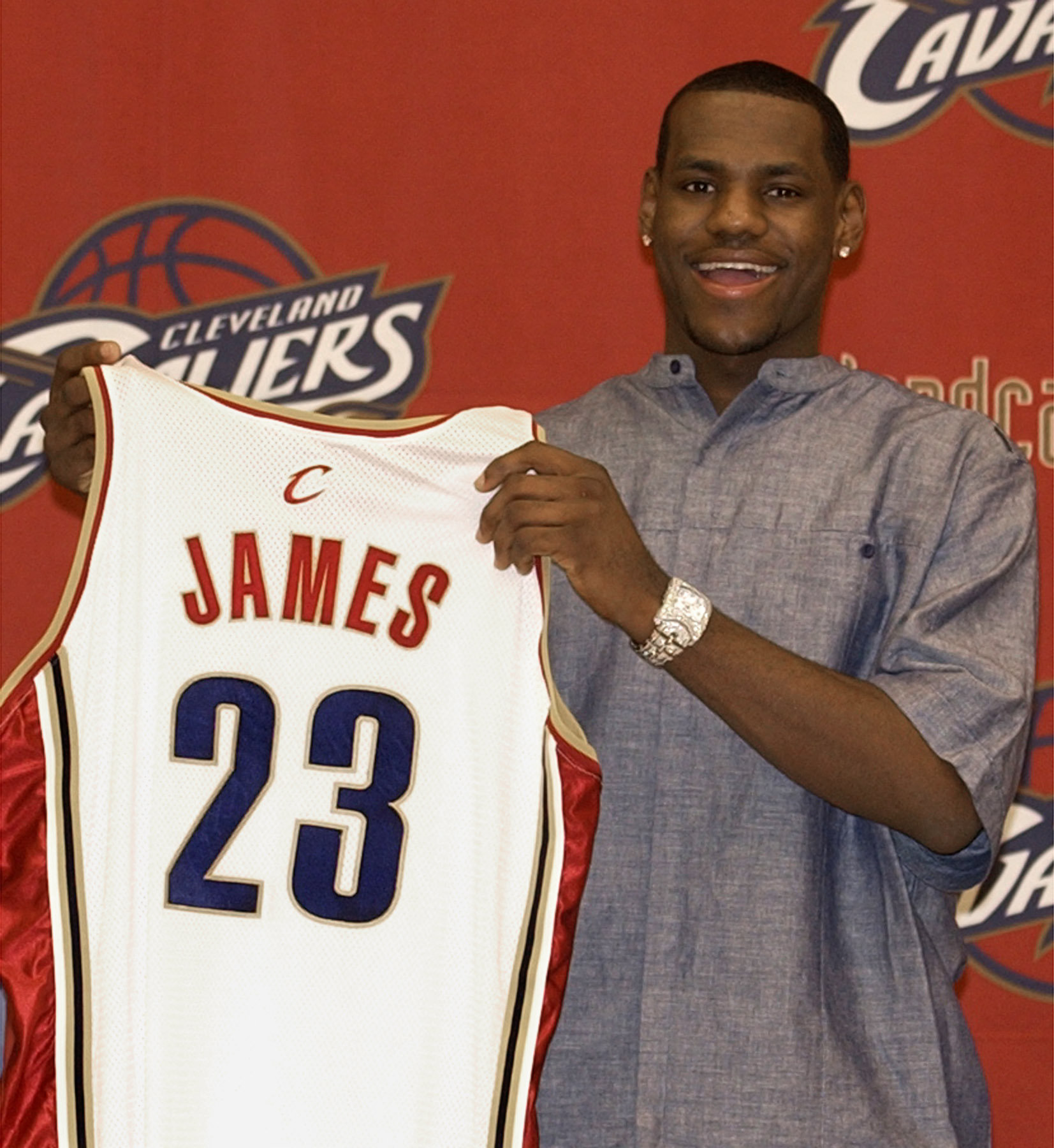
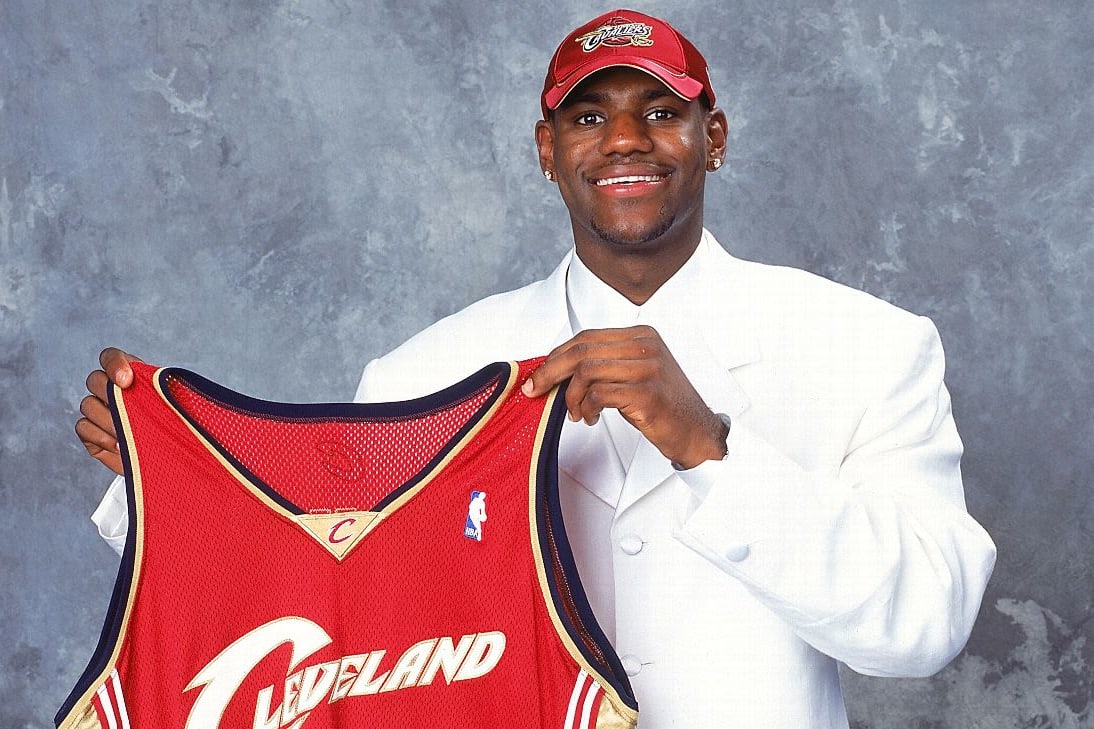
When the Cleveland Cavaliers selected LeBron James with the first overall pick in the 2003 NBA Draft, he was just 18 years old. This chronological detail is more than a mere sports trivia point; it represents the starting gun for one of the most sophisticated personal branding journeys in modern history. At 18, while most of his peers were preparing for freshman orientations at universities, LeBron James was signing a $90 million endorsement deal with Nike and assuming the mantle of “The Chosen One.”
For brand strategists and marketing professionals, LeBron’s entry into the professional sphere at such a young age provides a masterclass in how to build, maintain, and evolve a high-equity brand. By entering the league as a teenager, James had the unique opportunity to cultivate a narrative of longevity and “pre-ordained greatness” that few athletes or public figures could ever hope to replicate.
The 18-Year-Old Phenomenon: Establishing the “Chosen One” Identity
The brand of “King James” did not begin in the NBA; it was meticulously seeded during his high school years at St. Vincent-St. Mary. However, the draft at age 18 served as the official corporate launch of the brand. In the world of marketing, timing is everything, and the 2003 draft provided the perfect cultural inflection point.
High School Hype as Market Validation
Before he ever stepped onto a professional court, LeBron James was already a household name. His games were televised on ESPN, and he graced the cover of Sports Illustrated with the headline “The Chosen One.” This pre-draft phase acted as a massive market validation period. For a brand to succeed, it needs a value proposition. LeBron’s proposition was simple yet bold: he was the successor to Michael Jordan.
By being drafted at 18, he leaned into the “prodigy” archetype. In branding, the prodigy story is incredibly compelling because it suggests an innate, almost divine talent that bypasses traditional developmental steps. This narrative allowed his team to command premium prices for his endorsements before he had played a single second of professional basketball.
The Nike Contract: A Corporate Endorsement of Potential
The $90 million Nike contract signed just before the draft is one of the most significant brand partnerships in history. At 18, LeBron was a high-risk, high-reward asset. Nike wasn’t just buying a basketball player; they were investing in a brand identity that they could shape from the ground up.
This partnership demonstrated the power of early-stage brand alignment. By securing LeBron at 18, Nike ensured that his entire professional journey—every triumph, every failure, and every milestone—would be inextricably linked to the “Swoosh.” This early alignment is a strategy used by major corporations to “capture” the consumer or the talent before they reach peak market value, thereby maximizing the long-term return on investment.
Building a Business Empire from the Draft Onward
One of the most remarkable aspects of LeBron James’s brand is that he refused to be just a “client.” From the age of 18, he demonstrated an intuitive understanding of corporate identity and ownership. While many young athletes delegate their entire financial lives to traditional agencies, LeBron took a radically different path that redefined personal branding in the digital age.
The Shift from Athlete to Mogul
Shortly after being drafted, LeBron made the controversial decision to fire his veteran agent and install his childhood friends—Maverick Carter, Rich Paul, and Randy Mims—into key leadership positions. This led to the formation of LRMR Management. From a branding perspective, this was a move toward “vertical integration.”
By controlling the management, the marketing, and the creative output of his brand, LeBron ensured a level of message consistency that is rare in the sports world. This move signaled to the corporate world that LeBron was not just an endorser; he was a business partner. This shifted his brand perception from “talented kid” to “strategic entrepreneur,” a pivot that has allowed him to build a billion-dollar empire while still active in his primary career.
Controlling the Narrative: The Power of Media Ownership
As his career progressed, LeBron’s brand strategy evolved to include media ownership. The founding of Uninterrupted and The SpringHill Company allowed him to bypass traditional media gatekeepers.

When LeBron was drafted at 18, he was subject to the narratives created by sports journalists and analysts. By his mid-20s, he realized that the most valuable asset any brand can own is its narrative. Through his production companies, he began creating content that reflected his values, his journey, and his perspective. This “direct-to-consumer” brand approach has become the blueprint for modern celebrities and influencers, proving that at any age, the person who owns the platform owns the brand.
The Strategic Evolution of “King James”
A brand that stays static will eventually become obsolete. The genius of the LeBron James brand lies in its ability to evolve through different life stages while maintaining its core pillars: excellence, community, and empowerment. Being drafted at 18 gave him a twenty-year runway to execute this evolution.
Consistency as a Brand Pillar
Despite changing teams and facing various career hurdles, the “King James” brand has remained remarkably consistent. This consistency is built on his physical durability and his unwavering commitment to his craft. In branding, reliability is a form of equity. Just as a consumer expects a specific level of quality from a luxury brand like Apple or Mercedes-Benz, the public expects a specific level of performance from LeBron.
His age at the draft allowed him to build a “statistical fortress.” Every year he played reinforced the brand’s message of “Greatness.” For modern brands, this is a lesson in the importance of the “long game.” Short-term wins are valuable, but enduring brand power comes from year-over-year consistency.
Leveraging Longevity for Market Dominance
LeBron is now in a phase of his career where his brand represents “The Elder Statesman” or “The Icon.” The fact that he was drafted at 18 means he has been in the public eye for two decades. This longevity creates a multi-generational brand appeal.
Parents who watched him as a rookie are now watching him with their children. This allows his brand to tap into nostalgia while remaining relevant to Gen Z and Gen Alpha. From a brand strategy standpoint, this is the “Disney effect”—the ability to remain a constant presence in a consumer’s life from childhood through adulthood.
Lessons in Personal Branding from the LeBron James Playbook
The story of LeBron’s draft age is ultimately a story of potential realized through strategic management. For professionals looking to build their own personal brands or corporate identities, his journey offers several high-value takeaways.
Vision Beyond the Court
From day one, LeBron’s brand was about more than basketball. His “I Promise” school and his outspokenness on social and political issues have added layers of depth to his public persona. He transitioned from a “sports brand” to a “lifestyle and values brand.”
Modern consumers, particularly Millennials and Gen Z, gravitate toward brands that have a “Purpose.” By integrating social impact into his brand early on, LeBron created a deeper emotional connection with his audience. He proved that a brand can be both commercially successful and socially conscious, provided the commitment is authentic and sustained.
Authentic Community Impact
The “LeBron James” brand is deeply rooted in his hometown of Akron, Ohio. This “origin story” is a critical component of his brand authenticity. No matter how global his reach becomes, he consistently anchors his identity in his roots.
In branding, authenticity is the antidote to skepticism. By staying true to his community, LeBron ensured that his brand felt “real” even as he reached astronomical levels of wealth and fame. This teaches us that a brand should never forget its “Why.” Your origin story is not just a piece of history; it is the foundation of your brand’s trust with its audience.
In conclusion, the question of what age LeBron James was drafted is the starting point for an incredible case study in brand architecture. At 18, he was a prospect; today, he is a global institution. His journey highlights the importance of early narrative control, strategic partnerships, and the courage to evolve. Whether you are an individual professional or a corporate leader, the principles used to build the “King James” empire—consistency, ownership, and purpose—are the keys to enduring brand success.
aViewFromTheCave is a participant in the Amazon Services LLC Associates Program, an affiliate advertising program designed to provide a means for sites to earn advertising fees by advertising and linking to Amazon.com. Amazon, the Amazon logo, AmazonSupply, and the AmazonSupply logo are trademarks of Amazon.com, Inc. or its affiliates. As an Amazon Associate we earn affiliate commissions from qualifying purchases.