
The convergence of biological science and wearable technology has transformed the way we approach physical fitness. What was once a matter of manual pulse-counting is now a sophisticated data-driven endeavor, facilitated by high-precision sensors, complex algorithms, and real-time cloud analytics. For the modern athlete, biohacker, or tech enthusiast, understanding what constitutes a “good” heart rate during exercise is no longer just about feeling the burn—it is about optimizing data points to achieve peak performance and long-term health longevity.
The Evolution of Biometric Wearables and Heart Rate Accuracy
At the core of the discussion regarding heart rate metrics is the hardware used to capture the data. The technology has evolved from medical-grade electrocardiograms (ECG) found in clinical settings to the Photoplethysmography (PPG) sensors found in nearly every smartwatch and fitness tracker on the market today.
Optical Heart Rate (OHR) vs. Electrocardiography (ECG)
To understand your workout data, you must understand how it is gathered. Most consumer-grade wrist-worn devices use PPG technology. This works by shining green LED lights into the skin and measuring the light reflected back. Because blood absorbs green light, the sensor can detect the fluctuations in blood volume with each heartbeat.
While PPG technology has become remarkably sophisticated, it faces technical challenges known as “noise.” This noise is caused by arm movement, skin tone, and even ambient temperature. Conversely, chest strap monitors utilize ECG technology, which measures the actual electrical signals generated by the heart’s contraction. For high-intensity interval training (HIIT) or activities involving significant wrist movement (like CrossFit or rowing), the tech community generally recognizes the ECG chest strap as the gold standard for low-latency, high-accuracy data. However, the gap is closing as AI-driven filtering improves wrist-based accuracy.
The Role of AI in Filtering Signal Noise
The software layer of a fitness tracker is just as critical as the hardware. Modern wearables utilize machine learning algorithms to filter out “motion artifacts.” When you are running, your arm’s movement creates a rhythmic signal that a basic sensor might mistake for a heartbeat. Advanced software uses accelerometers to track movement patterns and subtract that frequency from the optical sensor’s data. This digital signal processing (DSP) is what allows a device to provide a “good” heart rate reading even in suboptimal conditions.
Understanding Target Zones Through Data Analytics
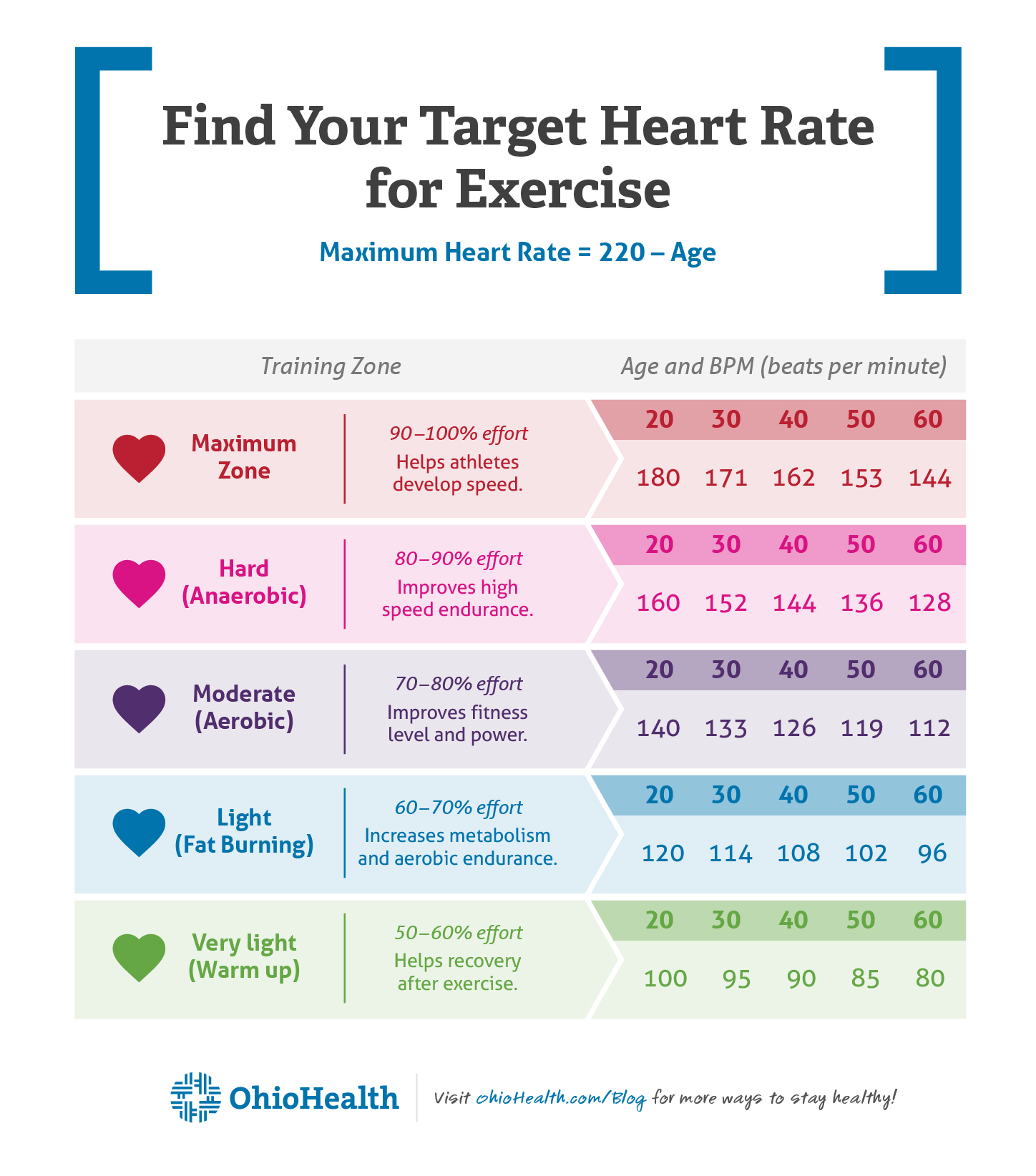
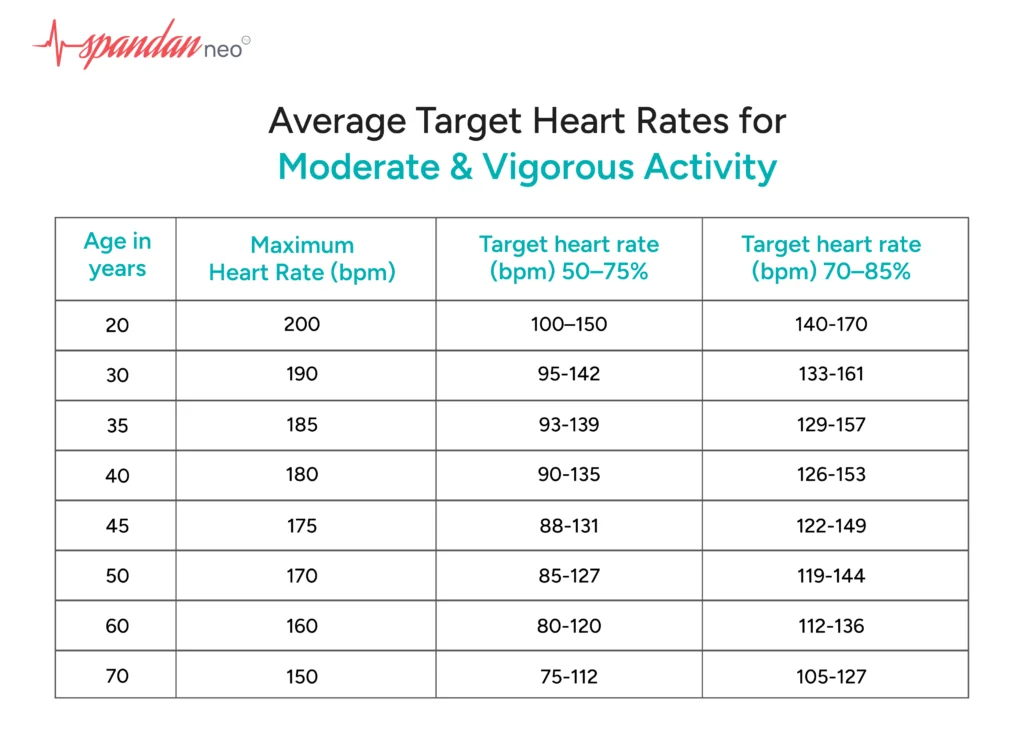
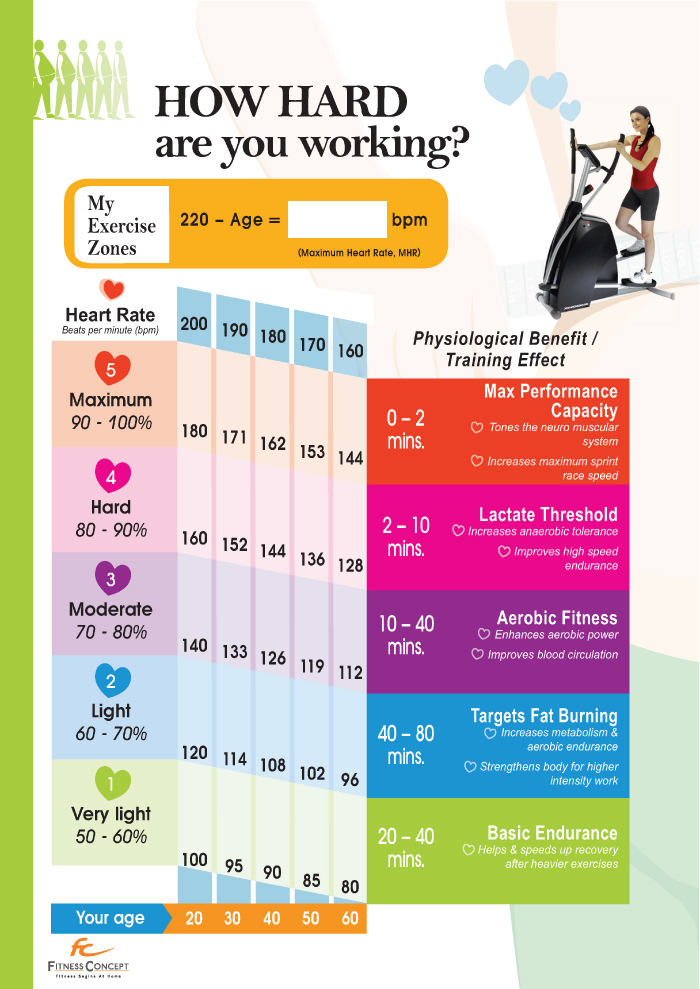
A “good” heart rate is not a static number; it is a moving target defined by your physiological ceiling and your specific training objectives. In the realm of fitness tech, these are categorized into “Heart Rate Zones,” typically ranging from Zone 1 to Zone 5. These zones are calculated as a percentage of your Maximal Heart Rate (MHR).
Calculating the Aerobic and Anaerobic Thresholds
The most common algorithm used by software to determine these zones is the Tanaka formula or the simpler (though often less accurate) 220-minus-age formula. However, high-end fitness platforms now allow for “Auto-Detection” of functional thresholds.
- Zone 2 (Aerobic Base): This is often cited by endurance tech experts as the “sweet spot” for longevity. It typically falls between 60% and 70% of MHR. In this zone, the body primarily utilizes fat oxidation. Wearable apps track “Time in Zone” to ensure users are building a cardiovascular foundation without overtaxing the nervous system.
- Zone 4 (Threshold): This is where the tech indicates you are at your anaerobic threshold. Here, the body produces lactic acid faster than it can clear it. Monitoring this zone is crucial for athletes looking to improve their “engine” or VO2 Max.
- Zone 5 (VO2 Max): This is 90% to 100% of MHR. Tech-enabled coaching platforms warn users to spend limited time here, as the recovery cost is high.
Heart Rate Variability (HRV) as a Performance Metric
Beyond the beats per minute (BPM) during a workout, the tech world has pivoted toward Heart Rate Variability (HRV) as the ultimate metric of readiness. HRV measures the variation in time between each heartbeat (the R-R interval). A “good” heart rate during a workout is relative to your HRV data from the previous night.
If your wearable tech indicates a low HRV, it suggests your autonomic nervous system is under stress. In this technical context, a “good” heart rate for that day might be a lower, recovery-focused BPM rather than a high-intensity peak. This proactive data analysis prevents overtraining and injury by aligning workout intensity with biological readiness.
Integrating Heart Rate Data into the Digital Health Ecosystem
The data collected during a workout does not exist in a vacuum. The power of modern fitness tech lies in its ability to integrate with broader digital ecosystems, turning raw BPM numbers into actionable health insights.
API Integration and Cross-Platform Health Syncing
For the data-conscious user, a workout heart rate is just one variable in a larger equation. Through APIs (Application Programming Interfaces), heart rate data from a Garmin or Apple Watch can be instantly synced with platforms like Strava, MyFitnessPal, or TrainingPeaks.
This synchronization allows for the calculation of “Training Load” and “Relative Effort.” For example, if your heart rate was sustained at 160 BPM for 45 minutes, the software calculates a stress score. By comparing this to your historical data, the cloud-based analytics can predict when you will be fully recovered. This level of digital oversight ensures that every “good” heart rate session contributes to a long-term upward trend in fitness rather than plateauing.
Gamification and Real-Time Feedback Loops
One of the most significant psychological shifts driven by tech is the gamification of heart rate data. Systems like OrangeTheory or the Apple Watch “Rings” use real-time haptic and visual feedback to keep users within their target heart rate zones. When your watch vibrates to tell you that you’ve entered the “Orange Zone,” it is utilizing real-time data processing to influence human behavior. This feedback loop ensures that users maintain a “good” heart rate—one that is high enough to elicit physiological change but low enough to remain safe.
Future Trends in Cardiac Monitoring Technology
As we look toward the future of fitness technology, the definition of a “good” heart rate will become even more personalized through the use of predictive modeling and new sensor modalities.
Non-Invasive Continuous Monitoring
We are seeing a shift from “on-demand” heart rate tracking to continuous, ambient monitoring. New technologies, such as “smart fabric” and “hearables” (biometric sensors in earbuds), offer even more accurate ways to track heart rate during movement. Ear-based sensors, in particular, are gaining traction in the tech community because the thin skin and high vascularity of the ear canal allow for clinical-grade PPG readings that are less susceptible to the motion artifacts that plague wrist-based devices.
Machine Learning and Predictive Cardiac Health
The next frontier is the use of machine learning to predict cardiac events before they happen. By analyzing millions of data points across global user bases, tech companies are developing models that can detect arrhythmias or signs of cardiovascular strain that a human might miss.
In this context, a “good” heart rate is one that follows a predictable, healthy recovery curve. Tech is now focusing heavily on “Heart Rate Recovery” (HRR)—how quickly your BPM drops in the two minutes following a workout. A sharp decline is a digital marker of a strong, efficient heart, while a slow decline can be flagged by the software as a potential health risk, prompting the user to seek professional medical advice.
The tech-driven approach to fitness has moved us beyond the era of guesswork. A “good” heart rate is no longer a generic number on a chart at the gym; it is a personalized, data-validated metric that accounts for your age, recovery status, hardware accuracy, and long-term goals. By leveraging the power of modern wearables and analytical software, we can fine-tune our physical output with the precision of a high-performance machine.
aViewFromTheCave is a participant in the Amazon Services LLC Associates Program, an affiliate advertising program designed to provide a means for sites to earn advertising fees by advertising and linking to Amazon.com. Amazon, the Amazon logo, AmazonSupply, and the AmazonSupply logo are trademarks of Amazon.com, Inc. or its affiliates. As an Amazon Associate we earn affiliate commissions from qualifying purchases.