
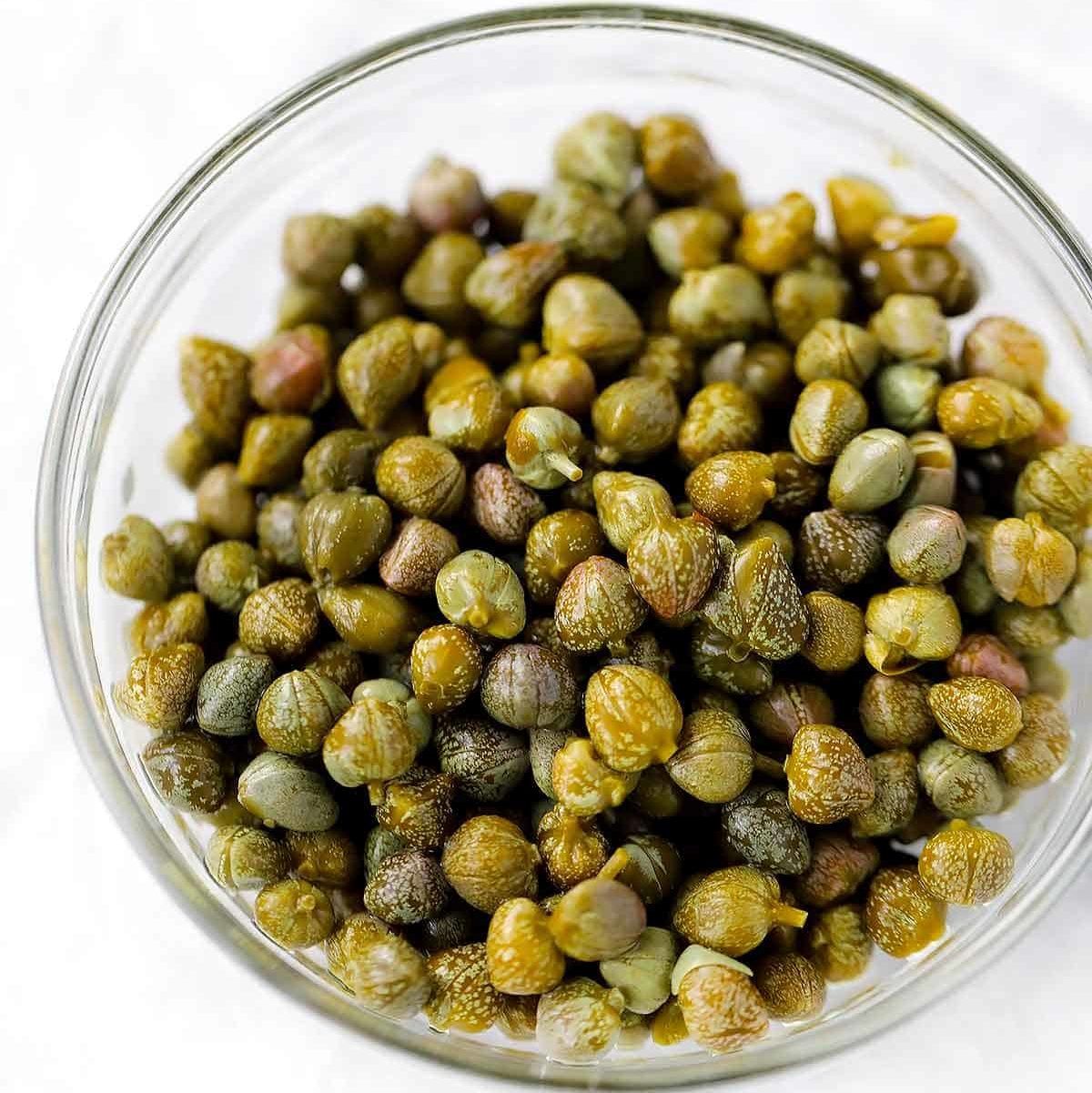
In the rapidly evolving landscape of retail technology, the term “caper” has undergone a significant transformation. While traditionally associated with a small, pickled flower bud used in Mediterranean cuisine, in the context of modern innovation, a “Caper food” experience refers to the integration of cutting-edge artificial intelligence and automated systems within the grocery sector. This shift represents a broader movement toward “smart” retail, where the physical act of selecting food is augmented by computer vision, sensor fusion, and real-time data analytics.
As the boundary between digital and physical shopping continues to blur, understanding the technology behind Caper—specifically Caper AI, now a cornerstone of the Instacart platform—is essential for grasping the future of food distribution and consumer behavior. This technology isn’t just about making shopping faster; it’s about redefining the entire ecosystem of how food is tracked, sold, and experienced.
Understanding the Caper Ecosystem: Beyond the Brine
The emergence of Caper AI marked a pivotal moment in food-tech history. Founded as a startup focused on autonomous retail, Caper sought to solve the most persistent pain point in grocery shopping: the checkout line. Unlike fully autonomous stores that require thousands of ceiling-mounted cameras and complex infrastructure (such as Amazon Go), Caper focused on the shopping cart itself.
The Evolution of Autonomous Shopping
The transition to autonomous food shopping has been a decade-long journey. Initially, retailers relied on self-checkout kiosks, which shifted the labor of scanning from the employee to the customer. However, this did little to enhance the user experience and often led to friction due to weight errors and interface glitches. Caper’s technology introduced a “plug-and-play” solution that required no renovation of the store’s physical layout. By embedding the technology into the cart, the “food” being selected is identified the moment it enters the basket.
Hardware Meets Software: The Anatomy of a Smart Cart
A Caper-enabled cart is a sophisticated piece of hardware equipped with several high-resolution cameras, sensitive weight scales, and a powerful onboard processor. These components work in unison to perform what is known as “edge computing.” Instead of sending every image to a central server for processing, the cart identifies the food item locally and instantly. This allows for a seamless interaction where the customer sees their running total update in real-time on a mounted touchscreen.
The Intelligence Behind the Interaction: How AI Sees Your Food
The core of the Caper food experience lies in its ability to recognize thousands of different Stock Keeping Units (SKUs) with near-perfect accuracy. This is a monumental task given the visual variability of food products—ranging from identical-looking cereal boxes to irregularly shaped produce like bananas or avocados.
Computer Vision and Object Recognition
At the heart of the system is computer vision. When a customer places an item into the cart, the internal cameras capture multiple angles of the product. The AI is trained on massive datasets to recognize packaging, logos, and even the subtle differences in texture of fresh produce. This is particularly challenging in the “food” category because perishables do not have standard barcodes in the same way packaged goods do. Caper’s AI uses deep learning algorithms to identify a Gala apple versus a Honeycrisp apple without requiring the customer to manually enter a code.
The Role of Weight Sensors and Deep Learning
To ensure accuracy and prevent shrink (theft or loss), the technology utilizes sensor fusion. The cart doesn’t just rely on what it “sees”; it also measures what it “feels.” Precision scales at the bottom of the basket cross-reference the weight of the added item against its visual identification. If a customer adds a heavy steak but the camera sees a light bag of lettuce, the system immediately flags the discrepancy. This multi-layered approach ensures that the integrity of the transaction remains high, even in a high-volume retail environment.
Redefining the Consumer Journey in Food Retail
The primary goal of Caper’s technology is to create a frictionless environment. In the traditional model, a customer must touch every piece of food three times: once to put it in the cart, once to place it on the conveyor belt, and once to put it in a bag. Tech-enabled carts reduce this to a single motion.
Eliminating the Checkout Bottleneck
The most immediate benefit of the Caper food experience is the elimination of the checkout line. Once a shopper is finished, they can simply exit the store through a designated lane. Their payment method, pre-loaded via an app or swiped on the cart, is charged automatically. This “grab and go” capability is a significant competitive advantage for brick-and-mortar retailers trying to compete with the convenience of online delivery services.
Real-Time Personalization and Digital Incentives
Beyond speed, the technology offers a level of personalization previously impossible in physical stores. Because the cart knows exactly what food is being purchased in real-time, it can act as a digital concierge. For example, if a customer places a box of pasta in the cart, the screen might display a promotion for a specific brand of marinara sauce or suggest a recipe. This contextual marketing creates a bridge between the retailer’s digital inventory and the customer’s physical journey, driving higher basket values and improving customer satisfaction.
The Economic and Operational Impact on Grocery Brands
For grocery brands and retailers, the “Caper food” model is not just a novelty; it is a strategic tool for operational efficiency and data collection. The food industry has traditionally operated on thin margins, and technology offers a way to optimize those margins through data-driven insights.
Data-Driven Inventory Management
Traditional inventory management relies on periodic audits and point-of-sale data. Caper technology provides a more granular view. It tracks not only what was bought, but how long it took the customer to decide and what items were put back on the shelf. This “path-to-purchase” data is invaluable for food brands looking to understand consumer behavior. Retailers can use this information to optimize shelf placement and manage stock levels of perishables more effectively, reducing food waste and ensuring that high-demand items are always available.
Enhancing Labor ROI through Automation
By automating the checkout process, retailers can reallocate their human capital to more value-added roles. Instead of standing behind a register, employees can focus on restocking, assisting customers with complex queries, or managing the “click-and-collect” orders that have become a staple of modern food retail. This shift doesn’t necessarily mean a reduction in workforce, but rather a more intelligent deployment of labor that enhances the overall store atmosphere.

The Future Landscape: AI, Food, and the Path to Ubiquity
As we look toward the future, the integration of AI into food retail will only deepen. The acquisition of Caper by Instacart was a clear signal that the industry is betting on a hybrid future where the physical and digital are inseparable. We are moving toward an era of “Ambient Commerce,” where the technology is so integrated into the environment that it becomes invisible.
The next generation of food-tech will likely involve even more advanced features, such as dietary filters that highlight gluten-free or keto-friendly items on the cart’s screen as you walk past them, or integration with smart home devices to sync shopping lists in real-time. The concept of “what’s a caper food” will continue to evolve, moving away from the ingredient and toward a comprehensive, tech-driven lifestyle.
In conclusion, the intersection of technology and food through platforms like Caper is more than a trend; it is a fundamental shift in how we interact with the basic necessities of life. By leveraging AI to remove friction, personalize the experience, and optimize operations, the food industry is setting a new standard for the entire retail world. The smart cart is merely the beginning of a journey toward a more efficient, data-rich, and consumer-centric food future.
aViewFromTheCave is a participant in the Amazon Services LLC Associates Program, an affiliate advertising program designed to provide a means for sites to earn advertising fees by advertising and linking to Amazon.com. Amazon, the Amazon logo, AmazonSupply, and the AmazonSupply logo are trademarks of Amazon.com, Inc. or its affiliates. As an Amazon Associate we earn affiliate commissions from qualifying purchases.