
To the casual observer, William Shakespeare was a playwright, a poet, and an actor. To the modern brand strategist, however, he was the architect of the most enduring personal brand in human history. What William Shakespeare did went far beyond the composition of iambic pentameter; he engineered a system of narrative resonance, verbal identity, and market positioning that has allowed his “brand” to remain at the peak of global cultural market share for over four centuries.
In an era where brand longevity is often measured in decades, the Shakespearean model offers profound insights into how narrative can be leveraged to create an indestructible corporate or personal identity. By examining his work through the lens of modern brand strategy, we can decode the mechanics of how he captured the human imagination and secured a monopoly on the literary market.
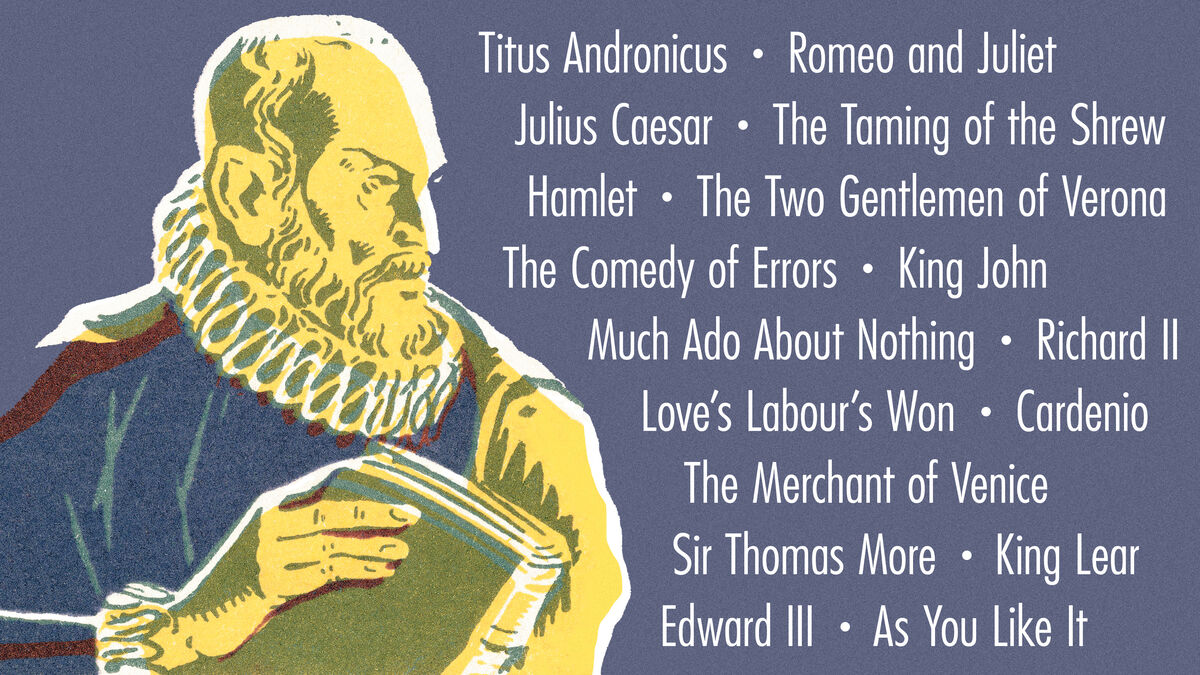
The Architecture of an Enduring Narrative
At the core of every successful brand lies a compelling narrative. What Shakespeare mastered was the ability to take complex human emotions and distill them into universal archetypes. In branding, we call this “Emotional Positioning.” Shakespeare did not just tell stories; he created frameworks that allowed every member of his audience to see their own struggles, ambitions, and failures reflected on stage.
Universal Archetypes in Modern Positioning
Modern brands like Apple, Nike, and Disney rely heavily on archetypal storytelling—the Rebel, the Hero, the Creator. Shakespeare pioneered this at scale. By codifying characters like the tragic hero (Hamlet), the star-crossed lovers (Romeo and Juliet), and the Machiavellian villain (Iago), he created a library of brand personas that are still the gold standard today.
From a strategic standpoint, Shakespeare understood that a brand must be relatable to be successful. He bridged the gap between the “Groundlings” (the low-income audience) and the nobility by weaving high-stakes political drama with visceral, relatable human conflict. This dual-layered communication strategy is exactly what premium brands attempt when they aim for mass-market appeal without losing their “luxury” or high-status sheen.
The Power of the “Signature” Style
A brand is often defined by its distinctive assets—the “Swoosh” of Nike or the “Golden Arches” of McDonald’s. For Shakespeare, his distinctive asset was his verbal identity. He didn’t just use the English language; he re-engineered it to suit his brand’s needs. By introducing over 1,700 words into the English lexicon, he ensured that the very medium of communication was infused with his influence. When a brand creates its own vocabulary (think of Starbucks’ “Tall, Grande, Venti” or Apple’s “Retina Display”), it creates a proprietary environment that competitors cannot easily replicate. Shakespeare’s linguistic innovation was the ultimate “moat” around his intellectual property.
Strategic Consistency and the Creation of Value
Consistency is the bedrock of brand trust. What William Shakespeare did exceptionally well was maintain a high standard of “product delivery” while diversifying his portfolio. Whether he was writing a history, a comedy, or a tragedy, the “brand promise” remained the same: psychological depth, linguistic brilliance, and structural integrity.
Diversification Without Dilution
One of the greatest risks in brand strategy is “brand stretching”—moving into a new category and losing the core essence of the identity. Shakespeare managed to dominate multiple “genres” simultaneously. He moved from the lightheartedness of A Midsummer Night’s Dream to the dark, political intrigue of Macbeth without ever losing his audience.
This was possible because his “Core Values”—humanity, wit, and existential inquiry—remained constant across all “product lines.” For a modern corporation, this serves as a lesson in how to expand into new markets. As long as the core value proposition is intact, the brand can inhabit various forms. Shakespeare’s ability to be both a populist entertainer and a high-brow philosopher allowed him to own the entire spectrum of the theatrical market.
Building Community Through Shared Experience
The Globe Theatre was more than a venue; it was a brand touchpoint. Shakespeare understood the importance of the “User Experience” (UX). By designing plays that required the audience’s imagination—frequently acknowledged in his prologues—he turned passive observers into active participants in the brand story.
In modern marketing, we call this “community building” or “co-creation.” When an audience feels like they are part of the story, their loyalty increases exponentially. Shakespeare utilized the physical space of the Globe to foster a sense of shared reality, ensuring that “attending a Shakespeare play” was a distinct, prestigious, and socially reinforcing experience.
Intellectual Property and the Evolution of Authority

In the 16th and 17th centuries, intellectual property laws were non-existent in the way we understand them today. Piracy was rampant, and “bad actors” frequently published unauthorized, garbled versions of plays (known as “Bad Quartos”). What Shakespeare and his colleagues did to combat this was a masterstroke of brand protection and legacy management.
The “First Folio” as a Brand Bible
Seven years after Shakespeare’s death, his colleagues John Heminge and Henry Condell published the First Folio. This was the first time his plays were collected into a single, authoritative volume. From a brand perspective, this was the creation of a “Brand Bible.”
By standardizing the texts, they eliminated the “counterfeit” versions and established a definitive “Official Brand.” This move shifted Shakespeare from a contemporary playwright to an immortal institution. It was a strategic consolidation of assets that ensured the brand’s integrity would survive the passage of time. Without the First Folio, the Shakespeare brand would likely have fragmented and faded into obscurity, much like many of his contemporaries.
Controlling the Narrative Post-Mortem
Shakespeare also understood the power of the “Founder Myth.” Very little is known about his private life, which has allowed the brand to remain flexible and open to interpretation. In branding, a certain level of mystery can be a powerful asset. It allows the audience to project their own values onto the brand.
Because the “Shakespeare” identity is tied more to the work than the individual’s mundane daily life, the brand has been able to adapt to every era—from the Victorian age to the digital 21st century. He successfully separated the “Product” from the “Person,” a transition that many modern founders struggle to achieve, often leading to the brand’s decline once the founder exits.
Lessons for Modern Personal Branding
What William Shakespeare did provides a blueprint for anyone looking to build a high-impact personal brand in the digital age. His journey from a provincial background to the height of London’s cultural elite was a result of meticulous craft and strategic positioning.
Mastering Language as a Competitive Moat
In the modern attention economy, the ability to communicate with precision and flair is a massive competitive advantage. Shakespeare’s focus on his “verbal identity” allowed him to stand out in a crowded market of playwrights.
For a modern professional or brand, this means developing a unique “Voice.” Whether it’s through a specific tone in social media copy, a unique perspective in thought leadership, or a proprietary framework for solving problems, having a distinct “language” makes a brand unforgettable. Shakespeare didn’t just participate in the conversation; he defined the terms of the conversation.
Adapting to the Medium
Shakespeare was a master of the “Medium.” He knew exactly how to write for the limitations and strengths of the Elizabethan stage. He used soliloquies to provide “Internal Data” to the audience, a technique that compensated for the lack of close-up shots available in modern film.
In a modern context, this translates to “Platform-Native Content.” Just as Shakespeare optimized his plays for the Globe, a modern brand must optimize its narrative for the platform it inhabits—whether that is the short-form visual storytelling of Instagram, the deep-dive analysis of a white paper, or the conversational intimacy of a podcast. Shakespeare’s work was always “native” to its environment, which maximized its impact.
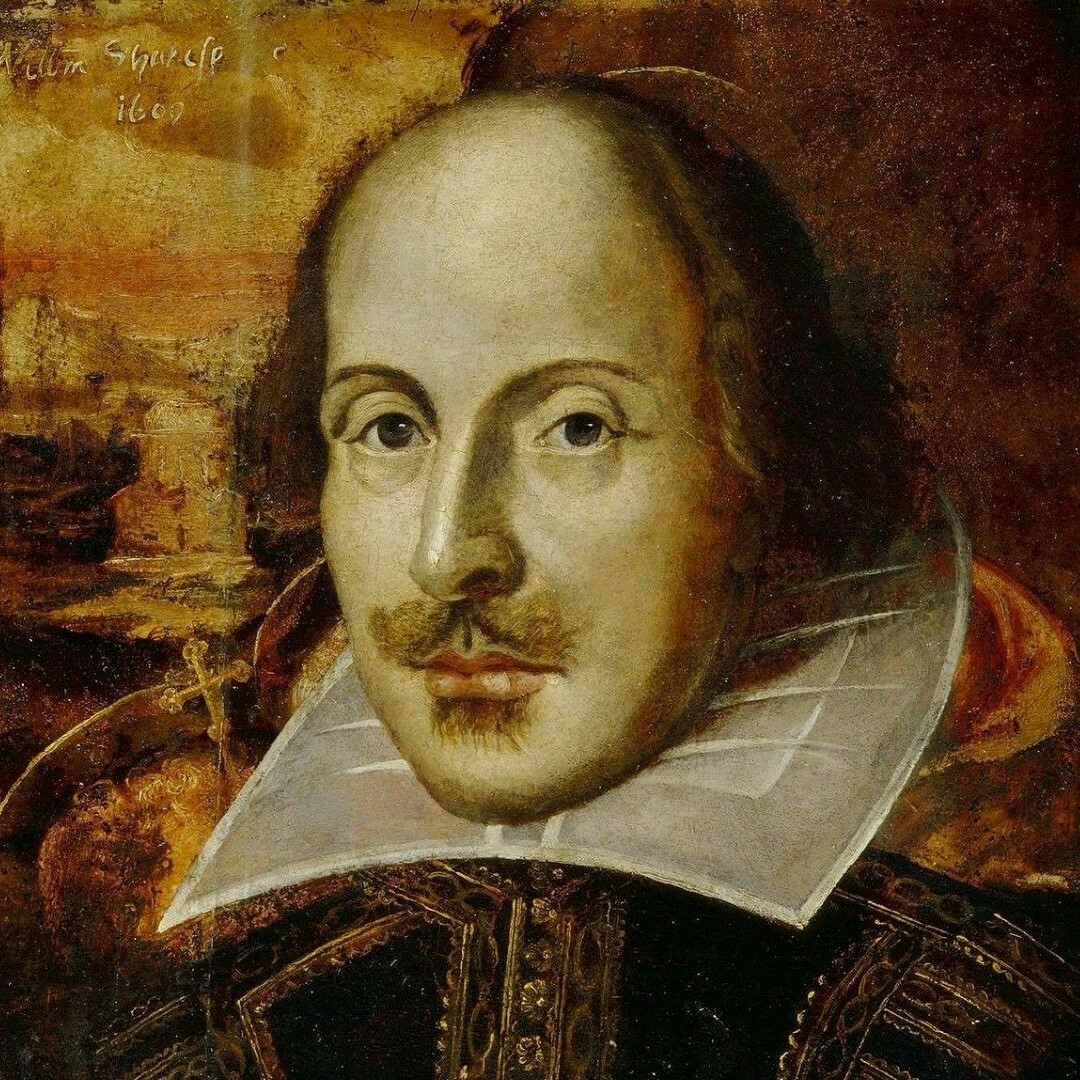
The Shakespearean Legacy as a Market Leader
Ultimately, what William Shakespeare did was create a “Blue Ocean” in a “Red Ocean” market. While his contemporaries were fighting over tired tropes and sensationalist plots, Shakespeare moved into the “Blue Ocean” of deep psychological realism and linguistic innovation. He created a category of one.
Today, the Shakespeare brand generates billions in revenue globally—through tourism (Stratford-upon-Avon), publishing, film adaptations, and education. He is the ultimate example of a “Legacy Brand.” By focusing on universal truths, maintaining a rigorous standard of quality, and protecting his narrative through authoritative consolidation, he achieved a level of brand equity that is unlikely to ever be matched.
For the modern strategist, the lesson is clear: A brand is not merely a logo or a name. A brand is a story that people choose to inhabit. Shakespeare didn’t just write plays; he built a world. And in that world, he ensured that his name would be synonymous with the very best that human expression has to offer. That is the power of brand strategy at its most profound level.
aViewFromTheCave is a participant in the Amazon Services LLC Associates Program, an affiliate advertising program designed to provide a means for sites to earn advertising fees by advertising and linking to Amazon.com. Amazon, the Amazon logo, AmazonSupply, and the AmazonSupply logo are trademarks of Amazon.com, Inc. or its affiliates. As an Amazon Associate we earn affiliate commissions from qualifying purchases.