
In the lexicon of modern technology, the term “viral infection” has transitioned from the biological realm into the core of digital security and software architecture. While a biological virus seeks a host to replicate and spread, a digital viral infection operates on remarkably similar principles, albeit through lines of code rather than genetic material. In the current landscape of hyper-connectivity, understanding what a viral infection looks like in a digital context is not merely a matter of technical curiosity—it is a fundamental requirement for protecting personal data, corporate assets, and global infrastructure.

A digital viral infection refers to the unauthorized insertion of self-replicating code into a computer system or network. This code is designed to alter the way a computer operates, often with malicious intent, such as stealing data, corrupting files, or using the host machine to launch attacks on other systems. As we move deeper into the era of artificial intelligence and the Internet of Things (IoT), the complexity of these infections has scaled exponentially, moving far beyond the simple “ILOVEYOU” scripts of the past.
The Anatomy of a Digital Pathogen: How Infections Function
To understand a viral infection in the tech space, one must first dismantle the mechanics of how these entities behave once they breach a perimeter. Unlike other forms of malware that may remain static, a true virus is defined by its ability to attach itself to a legitimate program or document. When the infected host program is executed, the viral code is triggered, often before the actual program runs.
The Self-Replicating Mechanism
The hallmark of a viral infection is its replication engine. Once the malicious payload is active, it searches the system for other executable files (.exe), script files, or even boot sectors. It then copies itself into these files. In a network environment, this replication isn’t limited to a single machine; the infection seeks out shared drives, internal servers, and connected devices to ensure its survival even if the original host is cleaned. This behavior mimics the “R-naught” factor in epidemiology, where the goal of the pathogen is to infect as many new hosts as possible before the primary host becomes non-functional.
From File Infectors to Macro Viruses
Digital infections come in various strains. Traditional “File Infectors” target executable files, while “Macro Viruses” embed themselves within the macro languages of productivity software like Microsoft Word or Excel. The latter remains particularly dangerous because they leverage the trust users have in standard document formats. When a user opens a spreadsheet containing an infected macro, the virus can gain the same permissions as the user, potentially wiping hard drives or emailing copies of itself to the user’s entire contact list.
The Evolution of Malware: Beyond the Simple Virus
While the term “virus” is often used as a catch-all for any cyber threat, the modern landscape of digital infections has branched into more sophisticated categories. Each of these represents a different evolutionary path of the digital pathogen, designed to bypass modern security measures.
Ransomware: The Global Digital Epidemic
Perhaps the most devastating form of modern viral infection is ransomware. Strains like WannaCry and NotPetya demonstrated how quickly a self-spreading “worm” could paralyze global shipping, healthcare, and manufacturing. Unlike a virus that simply deletes data, ransomware encrypts it, holding the decryption key hostage in exchange for cryptocurrency. The “viral” component here is the lateral movement; once one computer in an office is infected, the malware scans the local area network (LAN) to infect every other reachable machine within minutes.
Trojan Horses and Stealthy Backdoors
A Trojan horse differs from a standard virus in that it does not replicate itself, but it is no less infectious in terms of impact. It disguises itself as legitimate software—a PDF reader, a system update, or a free utility. Once installed, it creates a “backdoor,” allowing remote attackers to infect the system with additional payloads. This creates a multi-stage infection process where the initial breach is just the entry point for a wider, more persistent threat.
Polymorphic and Metamorphic Code
To evade antivirus software, modern infections have developed the ability to change their own code. Polymorphic code uses encryption to change its appearance each time it replicates, while the underlying function remains the same. Metamorphic code goes a step further, rewriting its own logical structure with every new infection. This makes “signature-based” detection—where antivirus looks for a specific string of code—virtually useless, as no two copies of the virus look identical to the scanner.
Vectors of Infection: How Systems Become Compromised
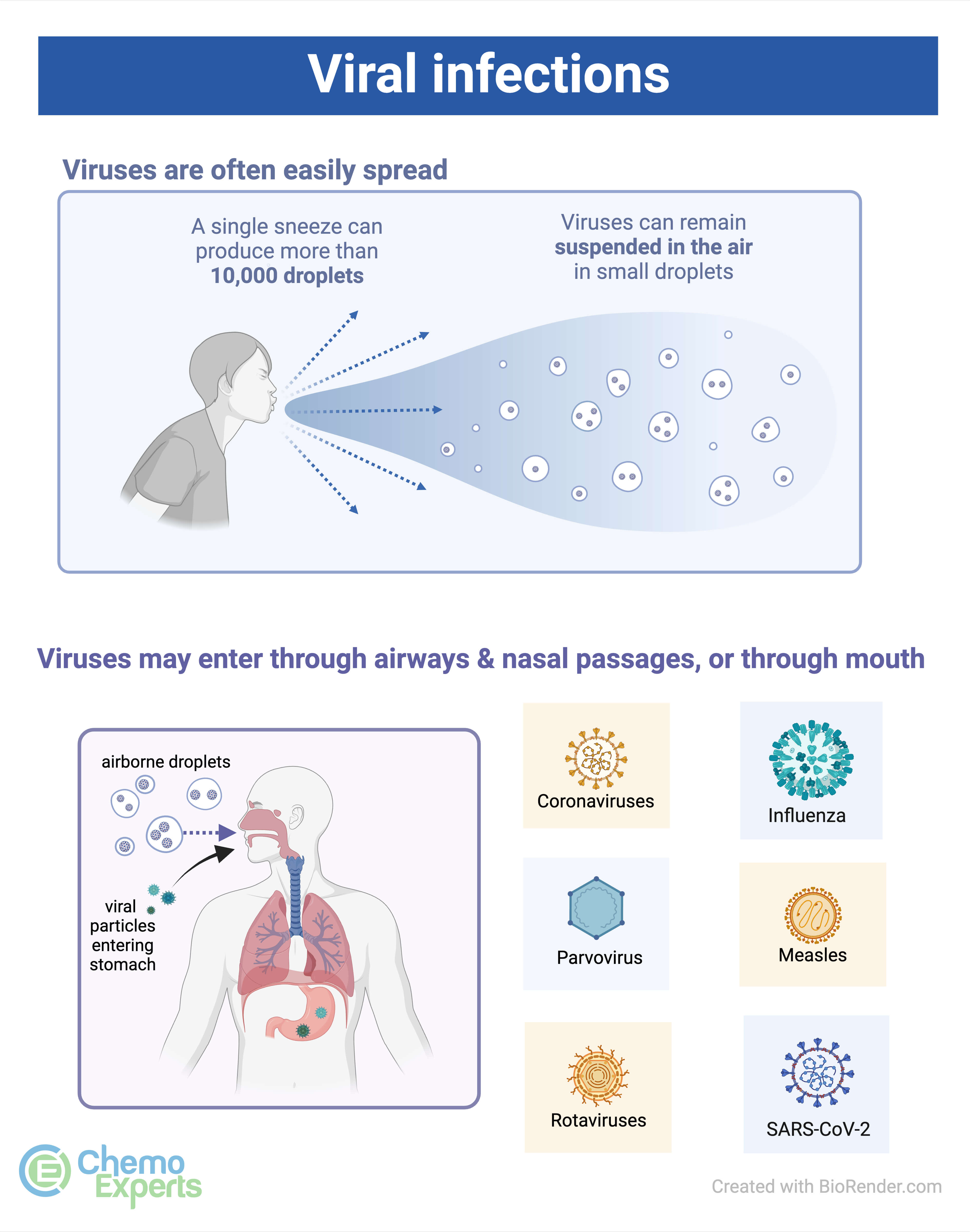
The “how” of a viral infection is often as important as the “what.” In the tech world, the transmission of a digital pathogen occurs through specific vectors, many of which exploit the intersection of human psychology and technical vulnerability.
Social Engineering: The Human Vector
The most common way a viral infection enters a secure environment is through social engineering, specifically phishing. By crafting an email that appears to come from a trusted source, attackers trick users into clicking a link or downloading an attachment that houses the viral payload. Despite the advancement of firewall technology, the “human firewall” remains the most susceptible to breach. A single click by an employee can bypass millions of dollars in cybersecurity investments.
Zero-Day Vulnerabilities and Drive-by Downloads
More advanced infections utilize “Zero-Day” vulnerabilities—security flaws in software that are unknown to the vendor. When a user visits a compromised website, an “exploit kit” can automatically detect these vulnerabilities in the user’s browser and inject code without the user ever clicking “download.” This is known as a drive-by download, and it represents a high-level viral infection that requires no user interaction beyond simply browsing the web.
The Vulnerability of Interconnected Devices (IoT)
The rise of the Internet of Things has created a massive new surface area for digital infections. Smart thermostats, industrial sensors, and even connected medical devices often lack the robust security protocols found in laptops or servers. A viral infection in an IoT network can turn a fleet of smart devices into a “botnet,” which can then be used to launch massive Distributed Denial of Service (DDoS) attacks or to act as a bridge into more secure corporate networks.
Defense Mechanisms: Building Digital Immunity
As the nature of viral infections becomes more complex, the tech industry has had to evolve its defense strategies. Moving away from reactive measures, the focus has shifted toward proactive “digital immunity.”
The Shift to Behavioral Detection and AI
Traditional antivirus software is no longer sufficient to stop modern, mutating infections. Today’s Endpoint Detection and Response (EDR) tools utilize Artificial Intelligence (AI) and Machine Learning (ML) to monitor behavior rather than code signatures. If a process starts encrypting files at an unusual rate or attempts to communicate with a known malicious command-and-control server, the AI recognizes this behavior as “viral” and isolates the process immediately, regardless of whether it has seen that specific code before.
Zero-Trust Architecture
The concept of “Zero Trust” is a fundamental shift in how we prevent the spread of digital infections. In a traditional network, once you were “inside,” you were trusted. In a Zero-Trust model, the network assumes that every user and every device is a potential carrier of an infection. Access is granted on a “least-privilege” basis, and continuous authentication is required. This drastically limits the “blast radius” of a viral infection, ensuring that even if one segment of the network is compromised, the pathogen cannot spread laterally to other sensitive areas.
Resilience through Redundancy and Air-Gapping
For critical infrastructure, the best defense against a viral infection is physical or logical isolation. “Air-gapping” involves keeping a computer or network completely disconnected from the public internet. Furthermore, robust backup strategies—specifically those that follow the 3-2-1 rule (three copies of data, on two different media, with one copy offsite and offline)—ensure that even if a viral infection like ransomware takes hold, the organization can restore its systems without paying a ransom or losing data permanently.

The Future of Digital Viral Infections
Looking forward, the battle against digital infections will likely be fought in the realm of automated systems. We are entering an era of “AI vs. AI,” where malicious viral code is generated by automated systems to find and exploit vulnerabilities faster than human developers can patch them. Conversely, defensive AI will be tasked with “self-healing” networks that can detect an infection, quarantine the affected sector, and patch the vulnerability in real-time.
Quantum computing also presents a double-edged sword. While it promises to break current encryption standards—potentially making every current digital infection more dangerous—it also offers the possibility of quantum-resistant cryptography, which would provide a new level of “digital DNA” protection that is virtually immune to traditional viral tampering.
In conclusion, a viral infection in the technology sector is a dynamic, evolving threat that mirrors the complexity of biological pathogens. From the early days of simple self-replicating scripts to the modern era of AI-driven ransomware and IoT botnets, the goal of these digital entities remains the same: to exploit, replicate, and survive. For individuals and organizations alike, the key to navigating this landscape lies in a combination of sophisticated technical defenses, a culture of security awareness, and a “Zero Trust” approach to the digital world. By understanding the nature of the infection, we can better build the systems required to stay immune in an increasingly connected age.
aViewFromTheCave is a participant in the Amazon Services LLC Associates Program, an affiliate advertising program designed to provide a means for sites to earn advertising fees by advertising and linking to Amazon.com. Amazon, the Amazon logo, AmazonSupply, and the AmazonSupply logo are trademarks of Amazon.com, Inc. or its affiliates. As an Amazon Associate we earn affiliate commissions from qualifying purchases.