
In the landscape of modern medicine, the classification of chronic conditions has traditionally been a clinical exercise. However, as healthcare migrates into the digital sphere, the question of “which type of diabetes is worse” has shifted from a purely physiological debate to one of technological complexity and data management. When we examine Type 1 and Type 2 diabetes through the lens of software engineering, hardware reliability, and artificial intelligence, the “severity” of the condition is often measured by the difficulty of building a functional digital ecosystem around the patient.
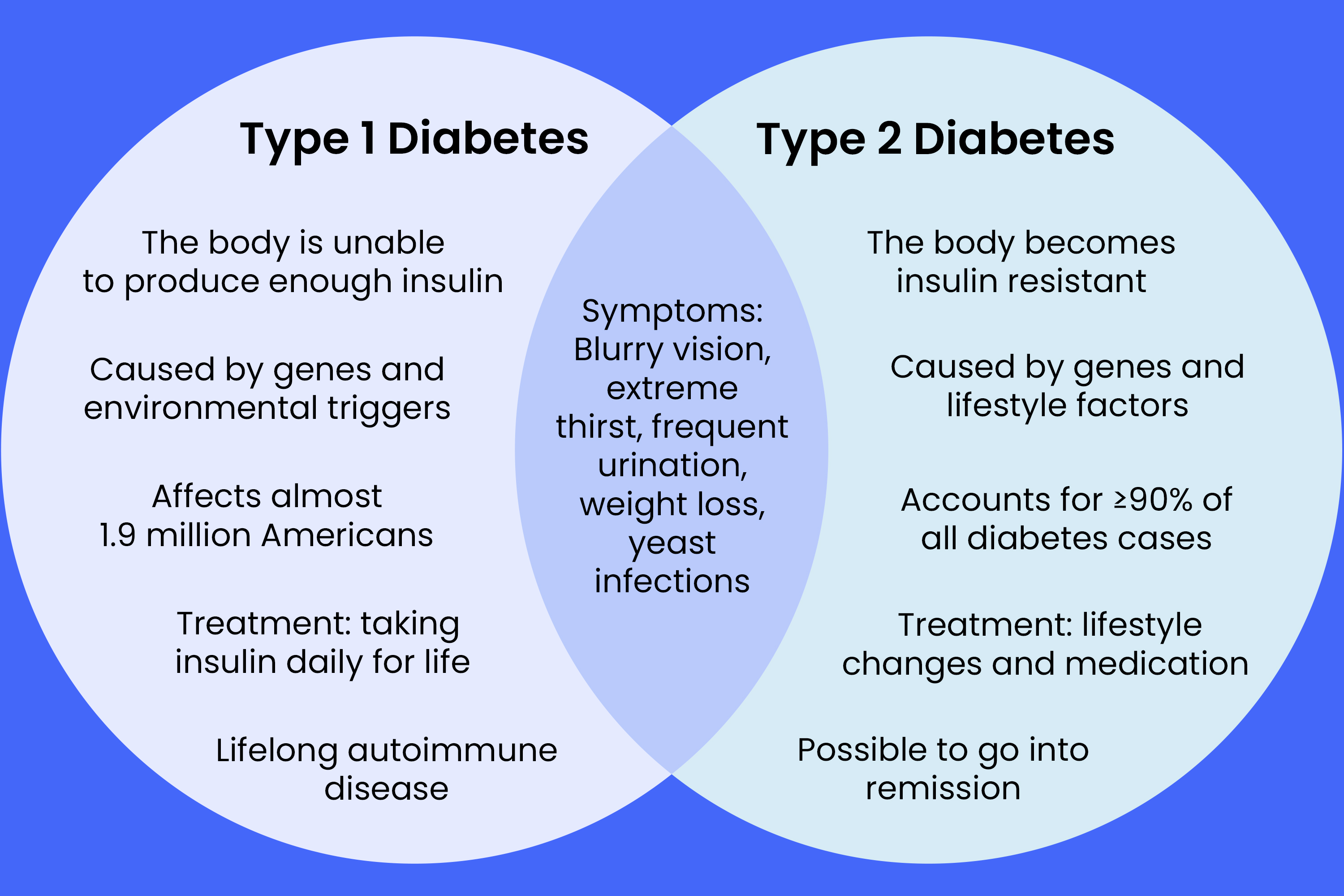
For engineers, data scientists, and MedTech developers, Type 1 and Type 2 diabetes represent two distinct classes of technological challenges. One requires high-frequency, low-latency intervention systems, while the other demands massive-scale behavioral data and predictive analytics. To understand which is “worse” from a tech perspective, we must analyze the friction points within their respective management platforms.
The Algorithmic Burden: Type 1 Diabetes and the Closed-Loop Challenge
Type 1 diabetes is often viewed as the more “technologically demanding” variant. Because the body produces no insulin, the patient becomes a manual component in a high-stakes biochemical feedback loop. From a software perspective, this is a real-time system failure that requires a constant stream of high-fidelity data to correct.
The Complexity of the “Artificial Pancreas”
The pinnacle of Type 1 technology is the Automated Insulin Delivery (AID) system, often called the “artificial pancreas.” These systems combine a Continuous Glucose Monitor (CGM) with an insulin pump, bridged by a control algorithm. The tech challenge here is immense: the algorithm must predict blood glucose fluctuations based on insulin-on-board (IOB), carbohydrate intake, and physical activity.
In this context, Type 1 is “worse” because the margin for error in the code is near zero. A software bug or a sensor calibration error doesn’t just result in a poor user experience; it can lead to immediate, life-threatening hypoglycemia. This puts Type 1 at the forefront of high-assurance software development, requiring rigorous testing and failsafe mechanisms that far exceed standard consumer app requirements.
The DIY Loop and Open-Source Innovation
The “worse” nature of Type 1 technological management led to one of the most significant grassroots movements in tech history: the #WeAreNotWaiting movement. Frustrated by the slow pace of commercial innovation, developers built their own open-source closed-loop systems (like OpenAPS and AndroidAPS). This highlighted a unique tech “pain point”—the “walled garden” of medical device manufacturers. For years, the lack of API access to glucose data made Type 1 a nightmare for integration, forcing the tech community to innovate through reverse engineering and hardware hacking.
The Scaling Crisis: Type 2 Diabetes and the Challenge of Big Data
If Type 1 is a high-frequency control problem, Type 2 diabetes is a “Big Data” and behavioral engineering problem. With hundreds of millions of people affected globally, the technological “worse” factor here lies in the sheer volume of data and the difficulty of creating scalable interventions.
Behavioral Engineering and UX Design
For Type 2 management, the primary tech tools are mobile health (mHealth) platforms, smart scales, and connected fitness trackers. The challenge is not just tracking data, but using UX design and behavioral economics to drive clinical outcomes. From a software design perspective, Type 2 is often “worse” because it involves human psychology—the least predictable variable in any system.
Developers must build apps that maintain long-term user engagement to prevent complications. This requires sophisticated “nudging” algorithms, gamification, and personalized insights. While a Type 1 patient is tethered to their tech for survival, a Type 2 patient must be incentivized to use it, making user retention the ultimate metric of success.
Managing the Data Deluge
Type 2 diabetes tech focuses heavily on metabolic health and the integration of diverse data sets—sleep, heart rate, nutrition, and glycemic response. The “worse” aspect for tech companies here is the interoperability crisis. Consolidating data from an Apple Watch, a MyFitnessPal log, and a physician’s EMR (Electronic Medical Record) remains a significant technical hurdle. The lack of standardized data protocols means that building a unified “health dashboard” for Type 2 patients is an ongoing battle against fragmented ecosystems.
Hardware Reliability and the Sensor Accuracy Gap
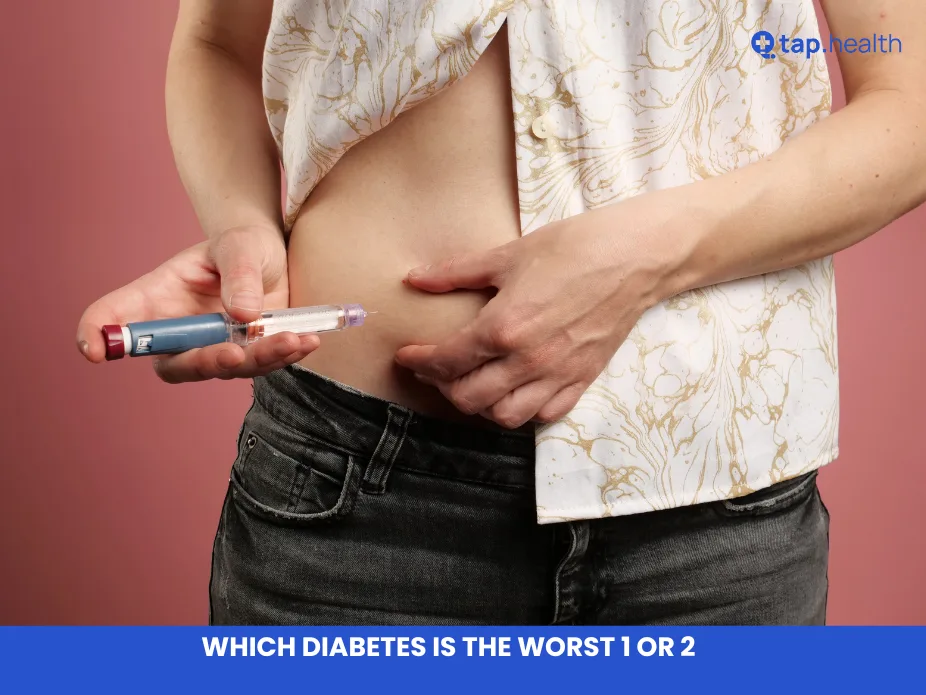
Regardless of the type, both conditions rely on hardware that is perpetually battling the limitations of interstitial fluid chemistry. However, the “worse” type of diabetes in terms of hardware dependency remains Type 1, due to the critical nature of the sensor-to-pump communication.
The Latency Problem in CGM Technology
Continuous Glucose Monitors (CGMs) do not measure blood glucose directly; they measure interstitial fluid. This introduces a 5-to-15-minute lag in data. In software terms, this is “stale data,” and it is the bane of automated systems. For a Type 1 patient, this latency makes the “closed-loop” tech inherently reactive rather than proactive. Solving this through predictive AI—using historical data to “guess” where the glucose will be in 20 minutes—is one of the most intense areas of MedTech R&D.
Hardware Durability and the Internet of Medical Things (IoMT)
Wearable tech for diabetes must be waterproof, shock-resistant, and aesthetically discreet. The “worse” type from a manufacturing standpoint is often seen as Type 1 because the devices (pumps and sensors) are permanent fixtures on the body. This requires high-level industrial design and battery optimization. The transition to the Internet of Medical Things (IoMT) also introduces the “worse” kind of tech risk: cybersecurity. A hacked insulin pump is a lethal weapon, making the security architecture of these devices as critical as their medical function.
The Rise of AI: Bridging the “Worse” Variables
As we move toward 2025 and beyond, Artificial Intelligence is beginning to flatten the differences between the types, addressing the specific “worse” aspects of each through sophisticated machine learning models.
Predictive Analytics for Precision Medicine
For Type 1, AI is being used to move from reactive dosing to predictive dosing. By analyzing patterns in exercise and stress, AI can adjust insulin delivery before the blood sugar even begins to rise. This effectively mitigates the “worse” risks of hypoglycemia. For Type 2, AI is being used for “precision nutrition.” Platforms can now analyze a user’s microbiome and past glycemic responses to predict exactly how a specific meal (e.g., a sushi roll vs. a slice of pizza) will affect their levels.
Large Language Models (LLMs) in Patient Support
One of the “worse” parts of any chronic condition is the cognitive load—the constant mental math and decision-making. We are now seeing the integration of LLMs as “health co-pilots.” These tools can ingest vast amounts of device data and provide natural language insights, such as, “Your glucose was high last night because your evening activity was lower than your average Tuesday.” By lowering the barrier to data interpretation, tech is finally starting to address the “worse” psychological burdens of both Type 1 and Type 2.
Digital Security and the Ethical Minefield
When discussing which type of diabetes is “worse” in the digital age, we must address the vulnerability of patient data. Both types of diabetes tech produce some of the most sensitive biometric data imaginable.
The Risk of Data Commodification
Type 2 diabetes tech is particularly vulnerable to data commodification. Because many Type 2 management apps are consumer-grade rather than medical-grade, the privacy protections may be thinner. This data is highly valuable to insurance companies and pharmaceutical marketers. The “worse” tech outcome for a patient is their biometric data being used to increase their premiums or target them with predatory health claims.
The Criticality of Device Security
For Type 1, the digital security concern is more visceral. As pumps and CGMs become more connected—using Bluetooth to communicate with smartphones and the cloud—the attack surface grows. The “worse” type of security failure is the unauthorized access to a device’s control system. Ensuring end-to-end encryption and robust authentication in low-power wearable devices is a significant technical challenge that the industry is still perfecting.
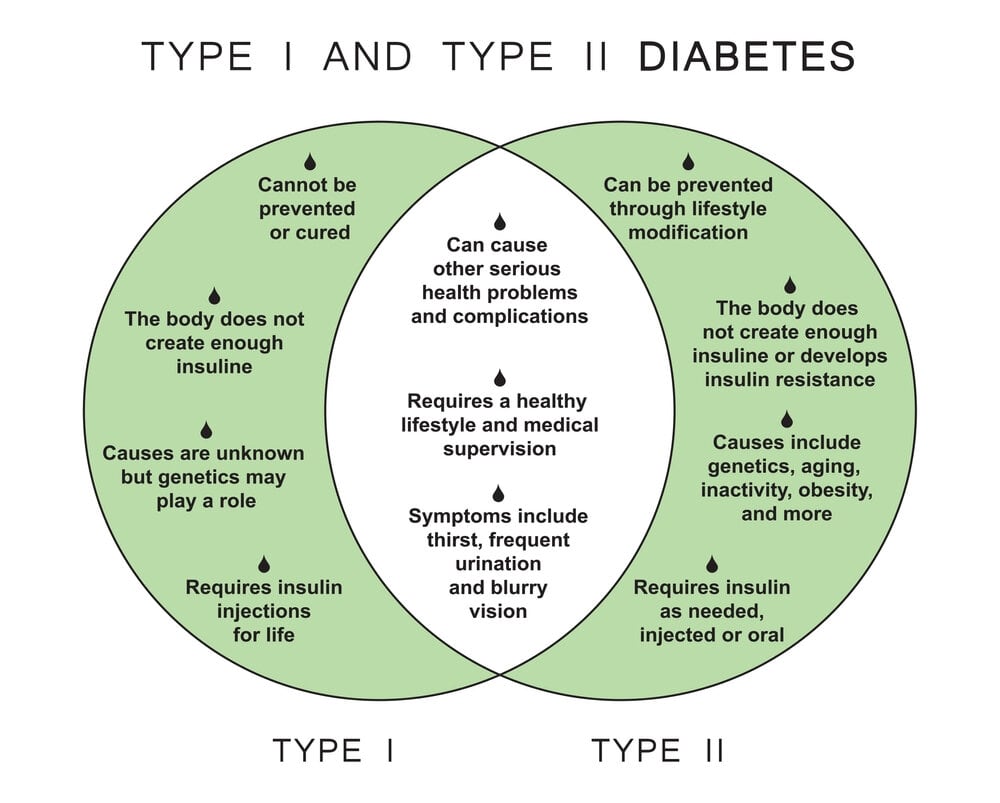
Final Analysis: The Tech Burden Comparison
In the final analysis, “which type of diabetes is worse” depends on whether you are measuring by the severity of the system failure or the difficulty of the system’s scale.
- Type 1 is “worse” from a Real-Time Systems and Reliability perspective. It requires a high-fidelity, life-sustaining loop where software failure is not an option. It is the pinnacle of critical MedTech.
- Type 2 is “worse” from a Data Interoperability and Behavioral Scaling perspective. It requires managing the noise of millions of data points and solving the human engagement puzzle across a massive, diverse population.
Ultimately, the goal of modern technology is to make both types “better” by removing the manual burden of management. As sensors become more accurate, algorithms more predictive, and hardware more invisible, the distinction between the “types” will matter less than the quality of the digital ecosystem supporting the patient. The “worse” diabetes is simply the one that lacks the integrated, intelligent technology required to manage it effectively.
aViewFromTheCave is a participant in the Amazon Services LLC Associates Program, an affiliate advertising program designed to provide a means for sites to earn advertising fees by advertising and linking to Amazon.com. Amazon, the Amazon logo, AmazonSupply, and the AmazonSupply logo are trademarks of Amazon.com, Inc. or its affiliates. As an Amazon Associate we earn affiliate commissions from qualifying purchases.