
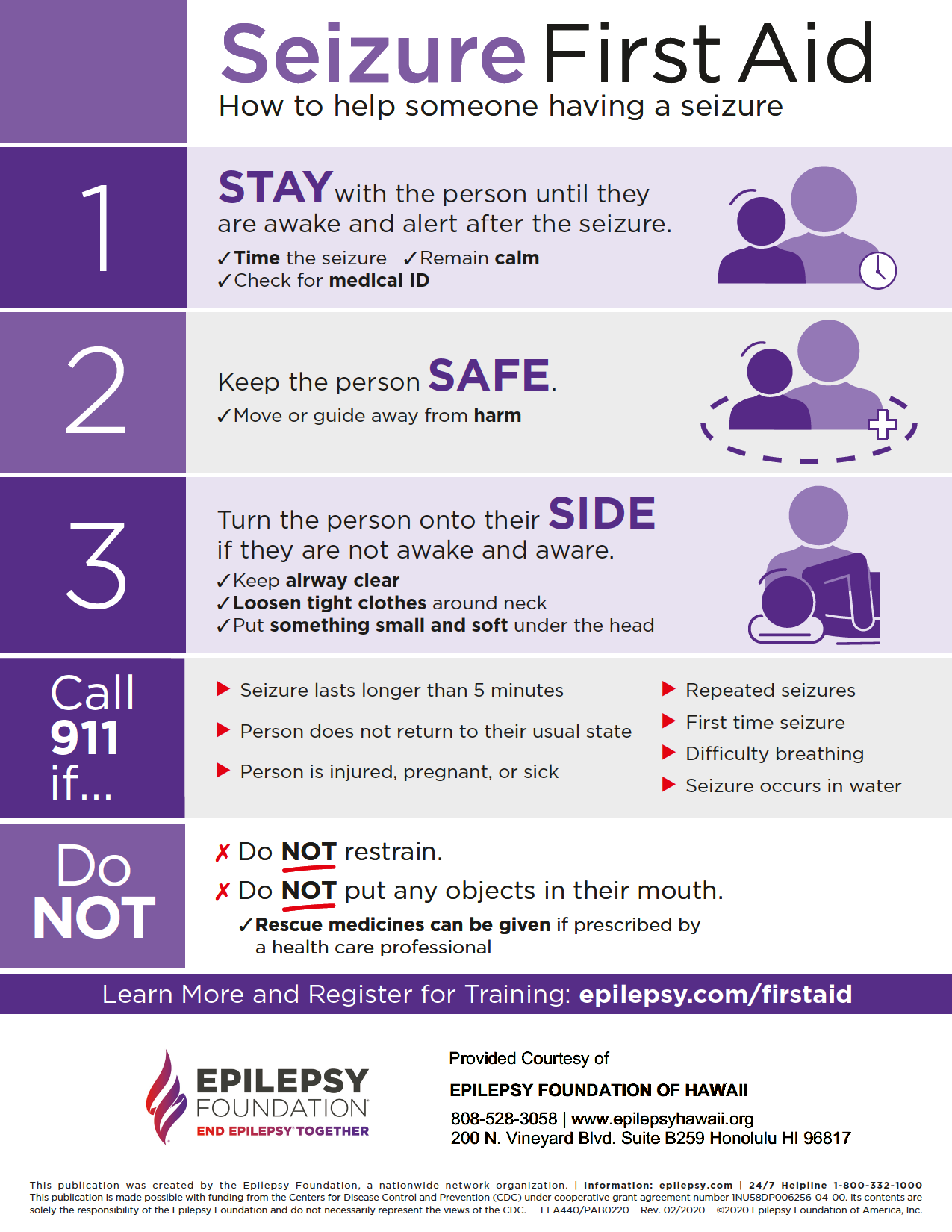
The traditional protocol for responding to a seizure has long been centered on manual first aid: clear the area, time the event, and ensure the individual is safe. However, the intersection of neurology and high-tech innovation is fundamentally altering this landscape. In the modern era, “what to do” is increasingly defined by how we leverage a sophisticated ecosystem of wearables, artificial intelligence, and cloud-integrated emergency protocols. As we move away from reactive care toward a proactive, tech-enabled framework, understanding the digital tools at our disposal becomes as critical as knowing basic first aid.
The Hardware of First Response: Wearable Biosensors and Detection
In the tech sector, the first line of defense during a neurological event is the hardware worn by the user. For years, seizure detection was confined to the clinical setting via bulky Electroencephalogram (EEG) machines. Today, the focus has shifted to consumer and medical-grade wearables that utilize a variety of sensors to identify the onset of a seizure in real-time.
Accelerometry and Gyroscopic Motion Sensing
Most modern smartwatches and dedicated seizure-detection devices rely heavily on 3-axis accelerometers and gyroscopes. These sensors monitor the intensity, frequency, and pattern of limb movements. When someone experiences a tonic-clonic seizure, the device identifies the specific rhythmic shaking that differs from everyday activities like brushing teeth or running. The technical challenge here lies in “false positive” mitigation—ensuring that a vigorous activity doesn’t trigger an emergency response sequence.
Electrodermal Activity (EDA) and Heart Rate Variability (HRV)
Beyond motion, high-end HealthTech devices now measure Electrodermal Activity (EDA). This involves tracking the electrical characteristics of the skin, which change based on the activity of the sympathetic nervous system. During many types of seizures, there is a significant surge in autonomic arousal. By combining EDA data with Heart Rate Variability (HRV) monitored through Photoplethysmography (PPG) sensors, these gadgets can detect seizures that involve little to no physical movement, such as absence seizures or focal impaired awareness seizures. This multi-modal approach significantly increases the sensitivity and specificity of the detection.
Algorithmic Intelligence: Processing Neurological Signals
Detection is only the first step; the intelligence lies in the software. The “what to do” phase is now governed by complex machine learning models that sit either on the device (edge computing) or in the cloud. These algorithms are trained on vast datasets of neurological events to distinguish a seizure from a “normal” physiological spike.
Machine Learning and Pattern Recognition
Modern seizure-tech platforms utilize Deep Learning and Convolutional Neural Networks (CNNs) to analyze raw data streams. These models are designed to recognize the “signature” of a seizure. For developers and tech innovators, the goal is to create a personalized baseline for every user. Because every individual’s neurological profile is unique, AI tools now allow for “user-in-the-loop” calibration, where the system learns the specific movement and physiological patterns of the wearer over time, reducing the margin of error and improving the speed of intervention.
Predictive Analytics and the “Aura” Detection
The most exciting trend in neurological tech is the shift from detection to prediction. Many individuals with epilepsy experience an “aura” before a seizure begins. Researchers are currently developing AI models that can identify subtle physiological changes—undetectable to the human senses—that occur minutes before a clinical seizure manifests. By providing a “pre-seizure alert,” the technology allows the user to move to a safe location or take preemptive medication, effectively changing the “what to do” protocol from emergency response to preemptive safety.
The Protocol: Digital Workflows for Emergency Intervention
When a seizure is detected by a device, a digital workflow is triggered. This automated sequence is designed to bridge the gap between the onset of the event and the arrival of human assistance. In a tech-centric environment, the response protocol is a synchronized ballet of IoT (Internet of Things) actions.
Automated Alerts and Geolocation
The primary function of a seizure-monitoring app is the immediate dispatch of alerts. Using GPS and cellular connectivity, the device can send an SMS or automated voice call to a pre-defined list of emergency contacts. This alert typically includes a high-accuracy map link of the individual’s current location. In more integrated smart homes, this trigger can also unlock smart locks for emergency responders and turn on smart lighting to guide them to the individual.
Real-Time Data Streaming for First Responders
A significant advancement in “what to do” involves the transmission of real-time health data to paramedics or hospital staff. While the seizure is occurring, the wearable can stream heart rate, oxygen saturation, and duration data to a cloud dashboard. This allows medical professionals to view the telemetry of the event before they even reach the patient, facilitating more accurate triage and immediate administration of the correct rescue medications.
Digital Logs and the Post-Ictal Phase
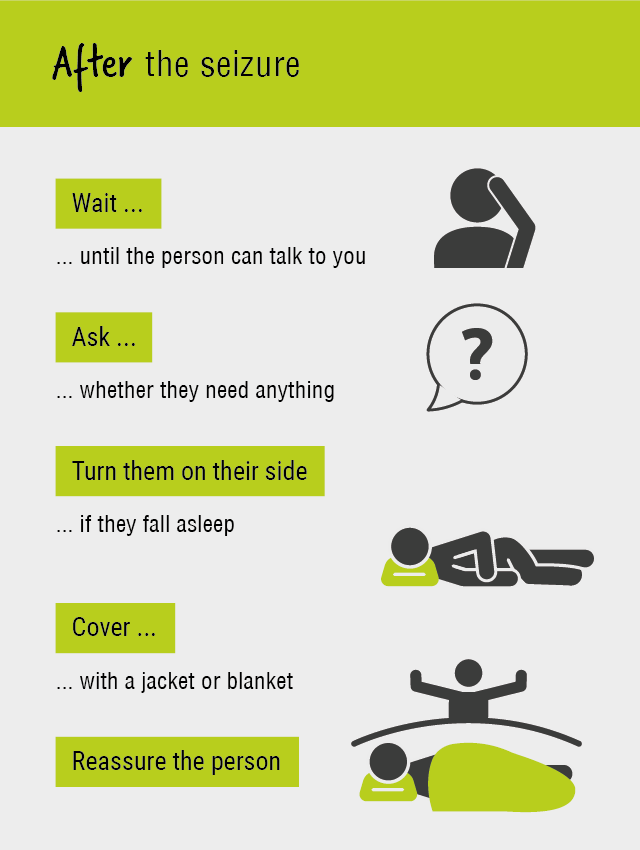
The “post-ictal” phase (the period immediately following a seizure) is often a time of confusion and memory loss. Tech solutions address this by automatically generating a digital seizure diary. This log records the exact start time, duration, and physiological intensity of the event. For neurologists, this data is invaluable for medication adjustment and long-term treatment planning, replacing the often-unreliable manual logs kept by patients or caregivers.
Data Interoperability and the Future of Patient Care
For technology to truly revolutionize seizure response, the data cannot exist in a vacuum. The concept of “Data Interoperability” is central to the next generation of MedTech. This involves the seamless sharing of information between consumer wearables, electronic health records (EHR), and emergency services platforms.
FHIR Standards and Health Cloud Integration
Developers are increasingly adopting the Fast Healthcare Interoperability Resources (FHIR) standard. This allows a seizure alert generated on a consumer smartwatch to be instantly ingested by a hospital’s patient management system. When the data is centralized, AI can analyze trends across thousands of patients, leading to better public health insights and more robust detection algorithms.
The Role of Edge Computing in Critical Reliability
One of the major hurdles in seizure tech is the “latency” of the cloud. If a device relies on a remote server to process a seizure alert, a poor internet connection could be catastrophic. The industry is moving toward “Edge AI,” where the heavy lifting of the machine learning model happens locally on the wearable’s processor. This ensures that the detection and local alarm occur instantly, regardless of connectivity, while the cloud is used only for the secondary task of notifying external contacts.
Cybersecurity and Ethical Challenges in Neurological Devices
As we integrate more technology into the management of seizures, we face significant challenges regarding digital security and data privacy. When a device is responsible for life-saving interventions, the stakes for cybersecurity are incredibly high.
Protecting the “Neural Data”
The data collected by seizure-monitoring devices is among the most sensitive personal information imaginable. It is a digital reflection of an individual’s brain and nervous system activity. As such, these systems must utilize end-to-end encryption and robust authentication protocols. There is an ongoing debate in the tech community about who owns this “neural data”—the patient, the device manufacturer, or the healthcare provider.
The Risk of Device Interference
In an interconnected world, the threat of “med-jacking” (medical device hijacking) is a theoretical but serious concern. If an attacker were to interfere with a seizure-detection system, they could suppress alerts or trigger false alarms, creating physical danger. Ensuring the integrity of the firmware and the security of the communication protocols (such as Bluetooth Low Energy) is a top priority for engineers in this space.

The Digital Divide in HealthTech
Finally, there is the ethical question of access. As the “what to do” protocol becomes increasingly reliant on high-end gadgets and subscription-based AI services, there is a risk that life-saving technology will only be available to those with the financial means to afford it. The tech industry must work toward universal design and affordable hardware to ensure that the benefits of seizure-detection innovation reach every demographic.
In conclusion, responding to a seizure in the 21st century is no longer just a manual task; it is a technological one. By integrating sophisticated biosensors, predictive AI, and automated emergency workflows, we are creating a safety net that is faster, smarter, and more reliable than ever before. As hardware continues to shrink and software becomes more intelligent, the digital response to neurological events will become an invisible but omnipresent guardian for millions of people worldwide.
aViewFromTheCave is a participant in the Amazon Services LLC Associates Program, an affiliate advertising program designed to provide a means for sites to earn advertising fees by advertising and linking to Amazon.com. Amazon, the Amazon logo, AmazonSupply, and the AmazonSupply logo are trademarks of Amazon.com, Inc. or its affiliates. As an Amazon Associate we earn affiliate commissions from qualifying purchases.