
In the hyper-competitive landscape of modern marketing, brands often struggle to maintain a coherent identity while simultaneously scaling their reach. They chase trends, pivot sporadically, and frequently lose the “soul” of their original value proposition. However, a masterclass in brand strategy exists in an unlikely place: the classic television sitcom. When we ask “what sitcom” defines a generation, we are not just talking about entertainment; we are talking about the most successful examples of long-term brand management in cultural history.
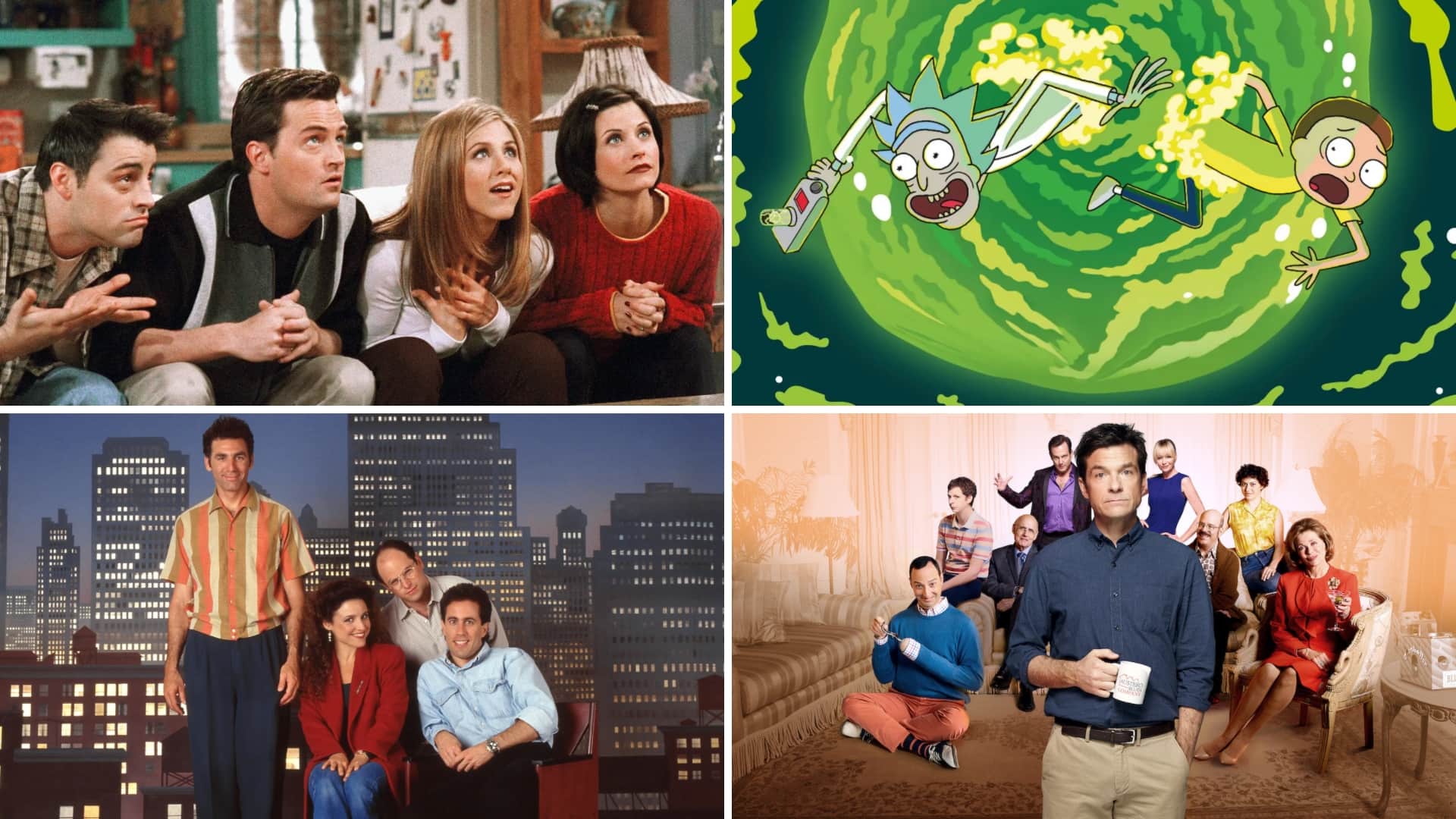
From the enduring legacy of Friends to the structural brilliance of Seinfeld, sitcoms are built on the same pillars that sustain world-class corporate identities: character consistency, world-building, and a unique emotional resonance. By treating a brand as a long-running series rather than a one-off advertisement, strategists can unlock new levels of audience loyalty and market endurance.
The Archetypal Foundation: Why Consistency is King
The primary reason sitcoms succeed over multiple seasons—and decades of syndication—is the unwavering consistency of their characters. In branding, this translates to the “Brand Persona.” Just as a viewer knows exactly how a specific character will react to a crisis, a consumer should know exactly how a brand will “behave” in any given market scenario.
The Power of Predictability in Persona
Predictability is often viewed negatively in creative circles, but in brand strategy, it is the bedrock of trust. In a sitcom, if a character acts “out of character,” the audience feels a sense of betrayal; the internal logic of the show is broken. Brands face the same risk. When a luxury brand suddenly adopts the “snarky” social media tone of a fast-food chain, it creates cognitive dissonance.
Successful brands identify their archetype early—be it The Hero (Nike), The Sage (Google), or The Everyman (Target)—and they stick to it. This consistency allows the audience to form a psychological contract with the brand. They know what they are buying into, and more importantly, they know how the brand makes them feel. This emotional reliability is what transforms a one-time purchaser into a lifelong advocate.
Humanizing the Brand Through Character Flaws
One of the most profound lessons from the sitcom world is that perfection is boring. The most beloved sitcom characters are defined by their flaws—clumsiness, social awkwardness, or vanity. In modern branding, the move toward “radical transparency” mirrors this.
A brand that admits its mistakes or leans into its unique quirks becomes more relatable. This is the “What Sitcom” effect: the realization that consumers do not want a cold, corporate monolith; they want a character they can root for. By showcasing the human elements of a brand—its challenges, its people, and its evolution—companies can build a more authentic connection that transcends simple transactions.
World-Building: Creating a Resident Brand Experience
Great sitcoms are defined as much by their settings as by their scripts. Whether it is a coffee shop in Greenwich Village or a bar in Boston, these “sets” become characters in their own right. For a brand, world-building is the process of creating a cohesive ecosystem where every touchpoint feels like it belongs to the same universe.
The “Third Place” and Consumer Sanctuary
In brand strategy, the concept of the “Third Place” (a term often associated with Starbucks) refers to a social environment that is neither home nor work. Sitcoms mastered this decades ago. These shows provide a digital or televised sanctuary where viewers feel they belong.
Brands can replicate this by focusing on “Experience Design.” This isn’t just about the physical retail space; it’s about the digital environment, the packaging, and even the tone of customer service. When a customer interacts with your brand, are they entering a world that feels familiar and welcoming? A cohesive brand world reduces friction and increases the “dwell time” of a consumer within your ecosystem.
Environmental Branding and Sensory Anchors
Sitcoms use recurring visual and auditory cues to anchor the audience. The specific transition music, the layout of a living room, or even a character’s signature outfit serve as brand assets. Corporate identity should function the same way.

Strategic branding requires identifying your “sensory anchors”—the specific colors, fonts, and sounds that trigger immediate recognition. When these elements are applied consistently across all platforms, from a mobile app to a billboard, they create a sense of permanence. This environmental branding ensures that no matter where the consumer encounters the brand, they immediately know “what show” they are watching.
The Catchphrase Effect: Mastering Strategic Repetition
If you think of the most successful sitcoms, you can likely recite their catchphrases instantly. These are not just jokes; they are verbal logos. In the world of branding, these are your slogans and value propositions. The goal is to achieve “linguistic ownership” of a specific concept or phrase.
Slogans as Verbal Landmarks
A catchphrase in a sitcom serves as a payoff for the audience—a moment of recognition that reinforces the character’s identity. In brand strategy, a slogan should do the same. It should distill the brand’s entire philosophy into a few memorable words.
However, the lesson from sitcoms is that repetition must be earned. A catchphrase works because it is rooted in the character’s actions. Similarly, a brand’s slogan only carries weight if the company’s actions consistently back it up. If “Think Different” had been the slogan for a company producing derivative, uninspired hardware, it would have failed. The slogan must be a reflection of the brand’s “plot.”
Distilling Complexity into Memorability
Sitcoms excel at taking complex human relationships and distilling them into 22-minute arcs with clear resolutions. Brands must do the same with their messaging. In an era of information overload, the “What Sitcom” approach suggests that simplicity is the ultimate sophistication.
Brand strategists should focus on the “A-plot”—the primary value you provide—and ensure it is never buried by “B-plots” or “C-plots” (secondary features or corporate noise). By maintaining a clear, repetitive, and simple narrative, you ensure that your brand remains top-of-mind when the consumer is ready to make a decision.
Navigating the Series Finale: Brand Evolution and Legacy
Every sitcom eventually faces the challenge of staying relevant as the world changes. Some “jump the shark,” losing their way by introducing desperate gimmicks, while others evolve gracefully. Brands face this exact trajectory. To maintain a corporate identity over decades, a brand must know how to update its “production values” without changing its “core cast.”
Managing the Brand Pivot Without “Jumping the Shark”
“Jumping the shark” occurs when a brand makes a move that is so inconsistent with its core identity that it loses the trust of its audience. This often happens during a rebrand or a pivot into a new market. To avoid this, brand managers must conduct a “DNA audit.”
Before making a major strategic shift, ask: Does this move honor the pilot episode? In other words, does it align with the founding principles of the brand? Evolution is necessary, but it should feel like a character arc—a natural progression based on growth—rather than a forced reboot that ignores everything that came before.
The Syndication Strategy: Building an Evergreen Brand
The ultimate goal of any brand is to reach the “syndication” stage—where the brand identity is so strong that it becomes evergreen. This is the stage where the brand no longer has to introduce itself; it is a part of the cultural fabric.
Achieving this requires a focus on “Legacy Branding.” This involves protecting the core assets of the brand while allowing the superficial elements (like advertising styles or social media platforms) to modernize. An evergreen brand like Coca-Cola or Disney functions much like a classic sitcom in syndication; it is always “on,” it is always familiar, and it continues to find new audiences because its core themes—happiness, magic, connection—are universal.
In conclusion, the question of “what sitcom” provides the best blueprint for a brand depends on the specific goals of the organization. Are you a “Cheers” brand, focused on community and the “place where everybody knows your name”? Or are you a “Seinfeld” brand, focused on the unique, often overlooked details of the consumer experience? Regardless of the specific show, the underlying strategy remains the same: define your characters, build your world, repeat your message, and evolve with integrity. By applying these lessons from the world of scripted television, brand strategists can move beyond temporary campaigns and build identities that resonate for a lifetime.
aViewFromTheCave is a participant in the Amazon Services LLC Associates Program, an affiliate advertising program designed to provide a means for sites to earn advertising fees by advertising and linking to Amazon.com. Amazon, the Amazon logo, AmazonSupply, and the AmazonSupply logo are trademarks of Amazon.com, Inc. or its affiliates. As an Amazon Associate we earn affiliate commissions from qualifying purchases.