
In the modern professional landscape, a resume is far more than a chronological list of previous employment. It is the cornerstone of your personal brand—a strategic marketing document designed to communicate your unique value proposition to a specific audience. When you ask what should be included in a resume, you are essentially asking how to package your professional identity into a compelling narrative that resonates with decision-makers.
A successful resume acts as a brand guide. It defines who you are, what you have accomplished, and, most importantly, what problems you are equipped to solve for a potential employer. To stand out in a saturated market, your resume must move beyond the “what” of your history and focus on the “how” and “why” of your professional impact.
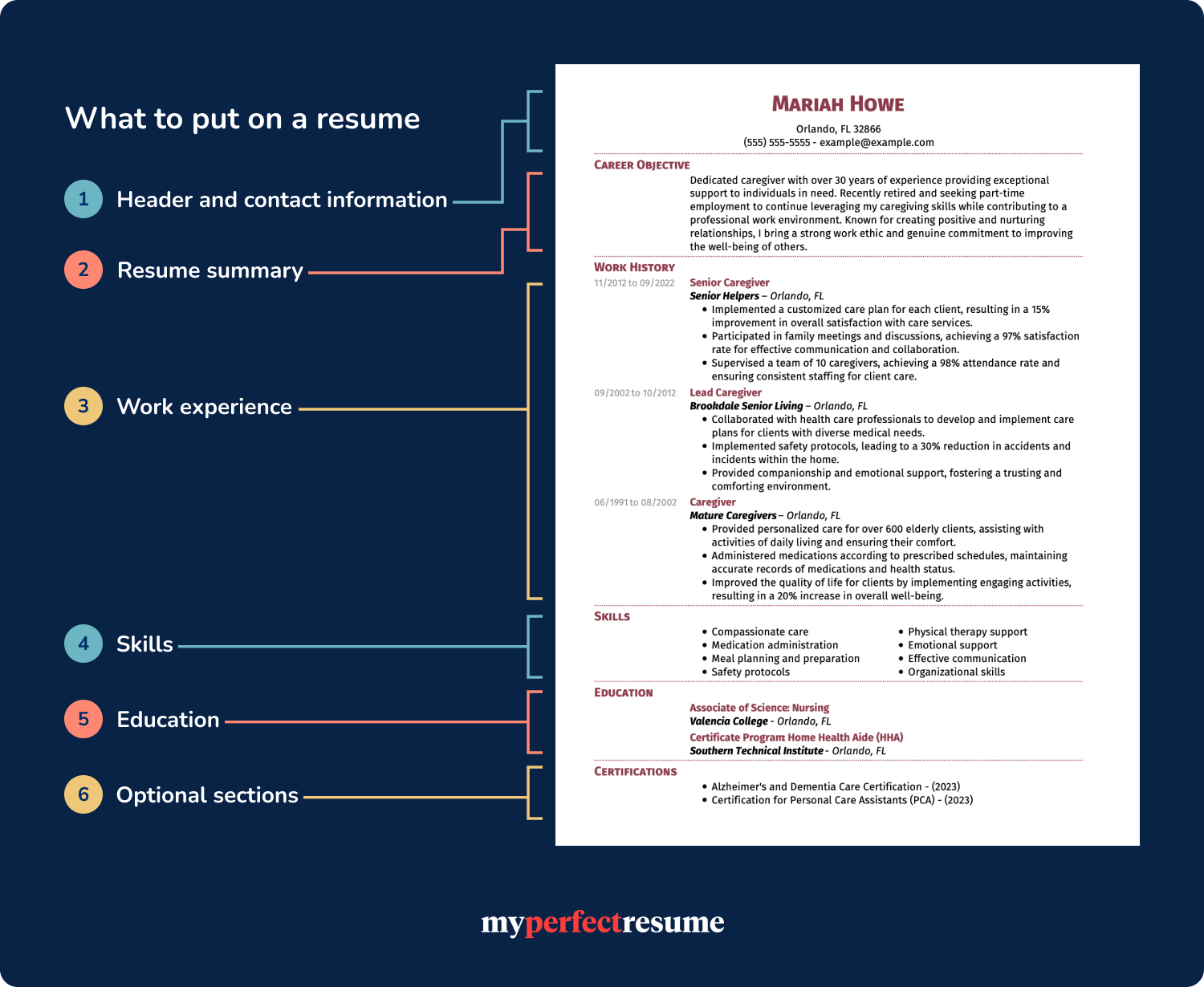
The Strategy of Personal Branding: Your Resume as a Marketing Asset
Before listing your first job title, you must approach your resume through the lens of brand strategy. Every brand has a target audience, and for your resume, that audience consists of two distinct entities: Applicant Tracking Systems (ATS) and human hiring managers. Balancing the needs of both is the first step in effective brand positioning.
Defining Your Unique Value Proposition (UVP)
Your UVP is the core message of your brand. It answers the question: “Why should we hire you instead of fifty other qualified candidates?” When deciding what to include, prioritize information that supports this UVP. If you are a project manager known for rescuing failing initiatives, your resume should highlight “turnaround leadership” as a primary brand attribute. Every bullet point should then serve as evidence for this claim.
Audience Analysis and Market Alignment
A brand that tries to appeal to everyone appeals to no one. One of the most critical elements to include in your resume is industry-specific terminology and keywords. This is not just for the sake of the ATS; it signals to the hiring manager that you speak the language of the industry. Reviewing job descriptions to identify recurring themes allows you to align your personal brand with the current market demand. This “market-fit” strategy ensures that your resume feels like a solution to the employer’s specific pain points.
Core Elements of the Brand Narrative
A strong brand narrative requires a logical flow that guides the reader from your current identity to your past achievements. The structural elements you choose to include serve as the chapters of your professional story.
The Professional Summary: Your Brand’s Elevator Pitch
The traditional “Objective” statement is a relic of the past because it focuses on what the candidate wants. Modern personal branding focuses on what the candidate offers. A Professional Summary should be a high-impact paragraph or a set of bulleted “Core Competencies” that sits at the top of the page. This is your headline. It should include your professional title, your years of experience in relevant fields, and a high-level snapshot of your greatest achievements. Think of this as the “About” section of a brand website—it must be concise, punchy, and value-driven.
Skills Clusters: Brand Attributes and Technical Stack
Rather than a disorganized list of every software you have ever opened, categorize your skills into clusters. This helps the reader quickly scan your “product features.” Include a mix of:
- Hard Skills: Technical proficiencies, certifications, and industry-specific tools.
- Soft Skills (Reimagined): Instead of using clichéd terms like “team player,” use “Cross-functional Leadership” or “Stakeholder Management.”
- Transferable Skills: Attributes that apply across different roles, such as “Process Optimization” or “Strategic Planning.”
By organizing these into logical groups, you present a brand that is organized and self-aware of its strengths.
Quantifying Impact: Using Data-Driven Proof Points
In branding, claims are meaningless without proof. A brand that claims to be “the fastest” must provide data to back it up. Similarly, a resume that claims you are “highly productive” needs metrics. The “Experience” section of your resume is where you provide the case studies that validate your personal brand.
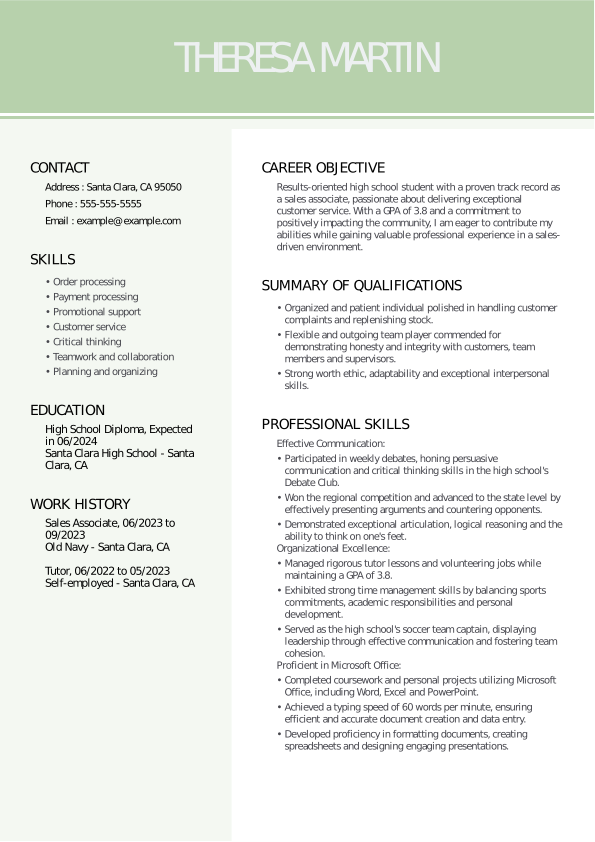
The STAR Method: Situation, Task, Action, Result
To make your experience section compelling, move away from listing responsibilities. Responsibilities describe the job; achievements describe the candidate. Use the STAR method to structure your bullet points. By focusing on the “Result,” you provide the “ROI” (Return on Investment) that a company can expect if they “purchase” your services.
For example, instead of saying “Managed a marketing budget,” a brand-focused resume would say: “Optimized a $500k annual marketing budget, reducing cost-per-acquisition by 15% while increasing lead volume by 25% over 12 months.”
The Power of Strong Verbs
The language you include in your resume dictates the “tone of voice” of your brand. Use active, high-energy verbs to start every bullet point. Terms like “Spearheaded,” “Engineered,” “Orchestrated,” and “Accelerated” convey a sense of agency and leadership. These words transform you from a passive participant in your career to an active driver of professional success.
Visual Identity and Brand Aesthetics
The design of your resume is the “visual identity” of your personal brand. Just as a premium brand uses clean lines and intentional whitespace to convey quality, your resume’s layout tells a story before the recruiter reads a single word.
Consistency and Typography
Consistency is the hallmark of professional branding. Ensure that your fonts, heading sizes, and date formats are uniform throughout the document. Choose professional, modern typefaces that are legible both on-screen and in print. Sans-serif fonts often feel more modern and tech-forward, while serif fonts can convey a sense of tradition and authority.
Hierarchy and Scannability
Recruiters typically spend less than ten seconds on an initial resume scan. Therefore, your “Brand Architecture” must utilize a clear visual hierarchy. Use bolding for job titles and companies, and ensure there is enough whitespace between sections to prevent the “wall of text” effect. A well-designed resume suggests that the candidate is organized, detail-oriented, and understands the importance of communication—all vital brand traits.
The Role of Color and Creativity
Depending on your industry, a small touch of color can help differentiate your brand. In creative fields like marketing or design, a more visually distinct resume may be appropriate. However, for corporate roles in finance or law, a minimalist, high-contrast black-and-white design is often the most effective brand choice. The goal is for the design to support the content, not distract from it.
Future-Proofing Your Personal Brand
A resume is not a static document; it is an evolving representation of your professional growth. To maintain a strong personal brand, you must consider what to include to show that you are forward-thinking and continuously evolving.
Continuous Learning and “Upskilling”
Include a dedicated section for “Professional Development” or “Certifications.” In a rapidly changing economy, a brand that demonstrates agility is highly valuable. Whether it is a certification in AI tools, a project management professional (PMP) designation, or a niche technical bootcamp, these additions signal that your brand is current and future-ready.
Social Proof and Digital Integration
In the digital age, your resume is often the entry point to a wider brand ecosystem. Including a link to a professional portfolio, a GitHub repository, or a polished LinkedIn profile is essential. This allows the hiring manager to find “social proof” for the claims made on your resume. Your LinkedIn profile should act as an extension of your resume, offering more depth and a broader look at your professional network and endorsements.
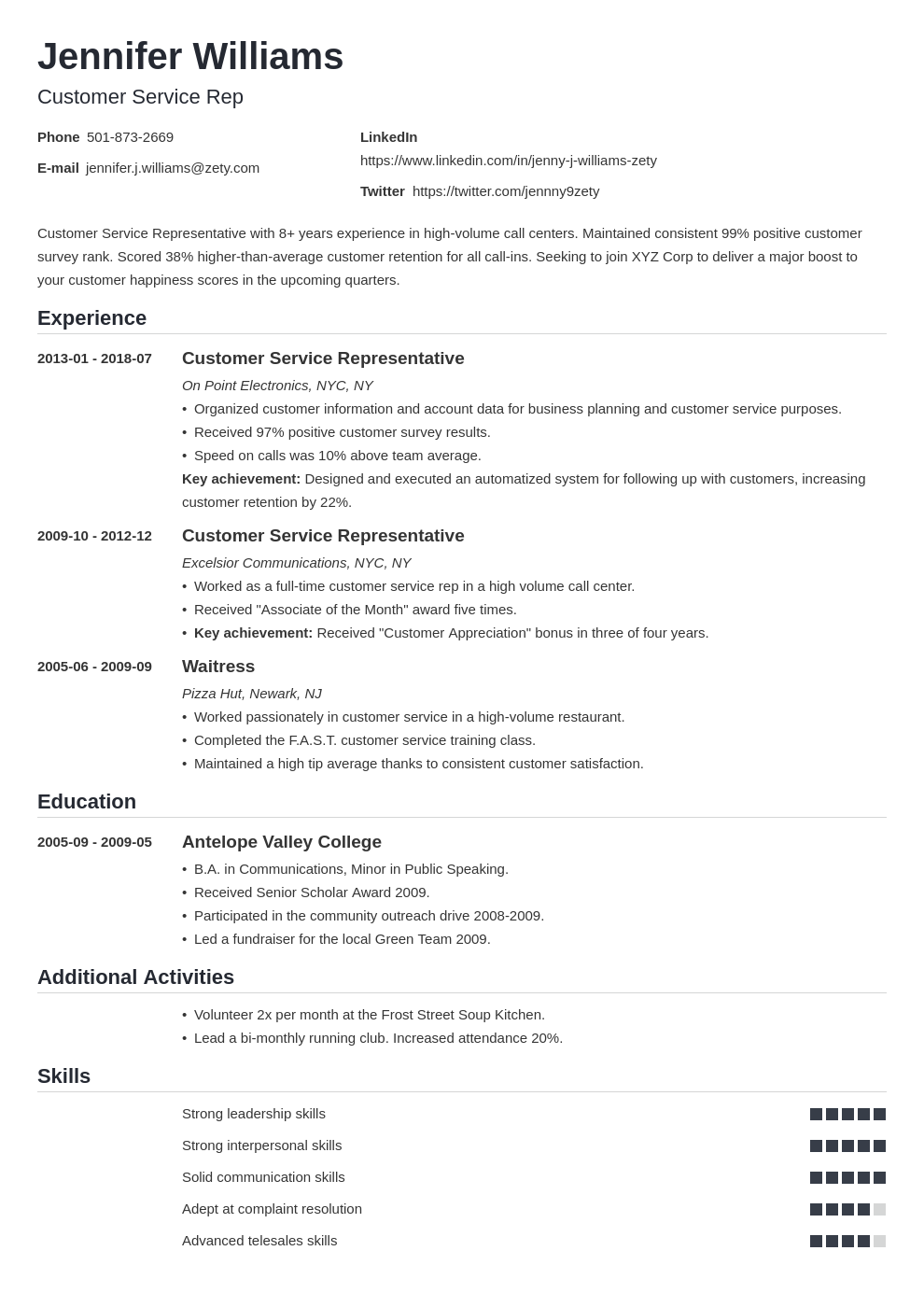
Tailoring as a Brand Strategy
The final thing to include in your resume is “relevance.” Every time you apply for a role, you should perform a “brand audit” on your resume. Remove outdated or irrelevant experiences that dilute your current message. If you are applying for a leadership role, remove the granular technical details of your entry-level positions to make room for more leadership-focused achievements. This ensures that your brand remains focused and potent.
By viewing your resume through the lens of brand strategy, you transform it from a dry historical record into a dynamic marketing tool. Including the right mix of UVP, quantified achievements, and intentional design ensures that your personal brand is not just seen, but remembered.
aViewFromTheCave is a participant in the Amazon Services LLC Associates Program, an affiliate advertising program designed to provide a means for sites to earn advertising fees by advertising and linking to Amazon.com. Amazon, the Amazon logo, AmazonSupply, and the AmazonSupply logo are trademarks of Amazon.com, Inc. or its affiliates. As an Amazon Associate we earn affiliate commissions from qualifying purchases.