
In the landscape of modern healthcare, the definition of “curable” has evolved from a simple medical prognosis to a complex data-driven outcome enabled by rapid advancements in technology. When we ask which sexually transmitted diseases (STDs) are curable, we are essentially looking at a map of bacterial, parasitic, and fungal infections that can be eradicated through precise therapeutic interventions. However, the efficacy of these cures in the 21st century is increasingly dependent on high-tech diagnostic tools, software-driven screening processes, and the digital infrastructure that connects patients to care.
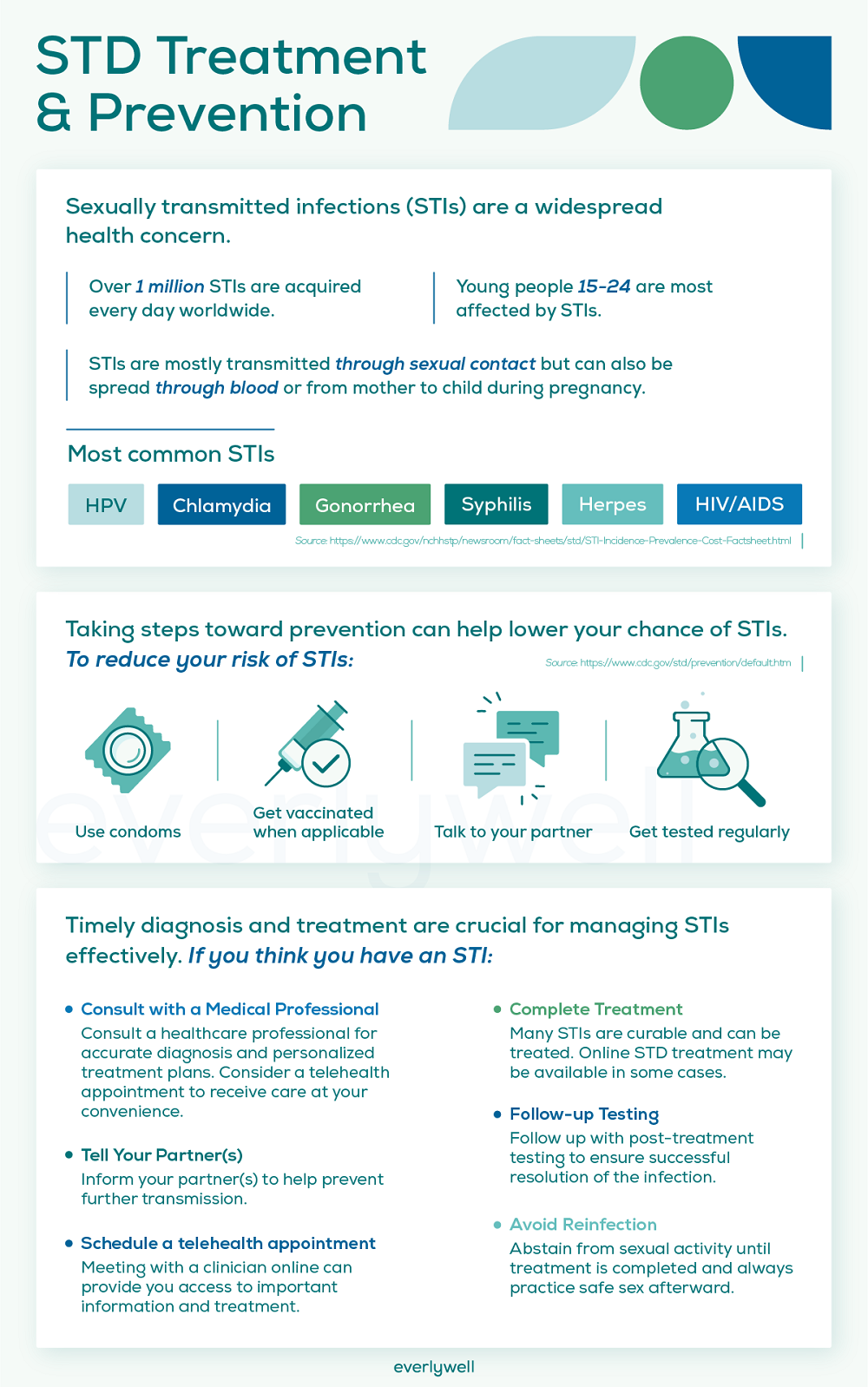
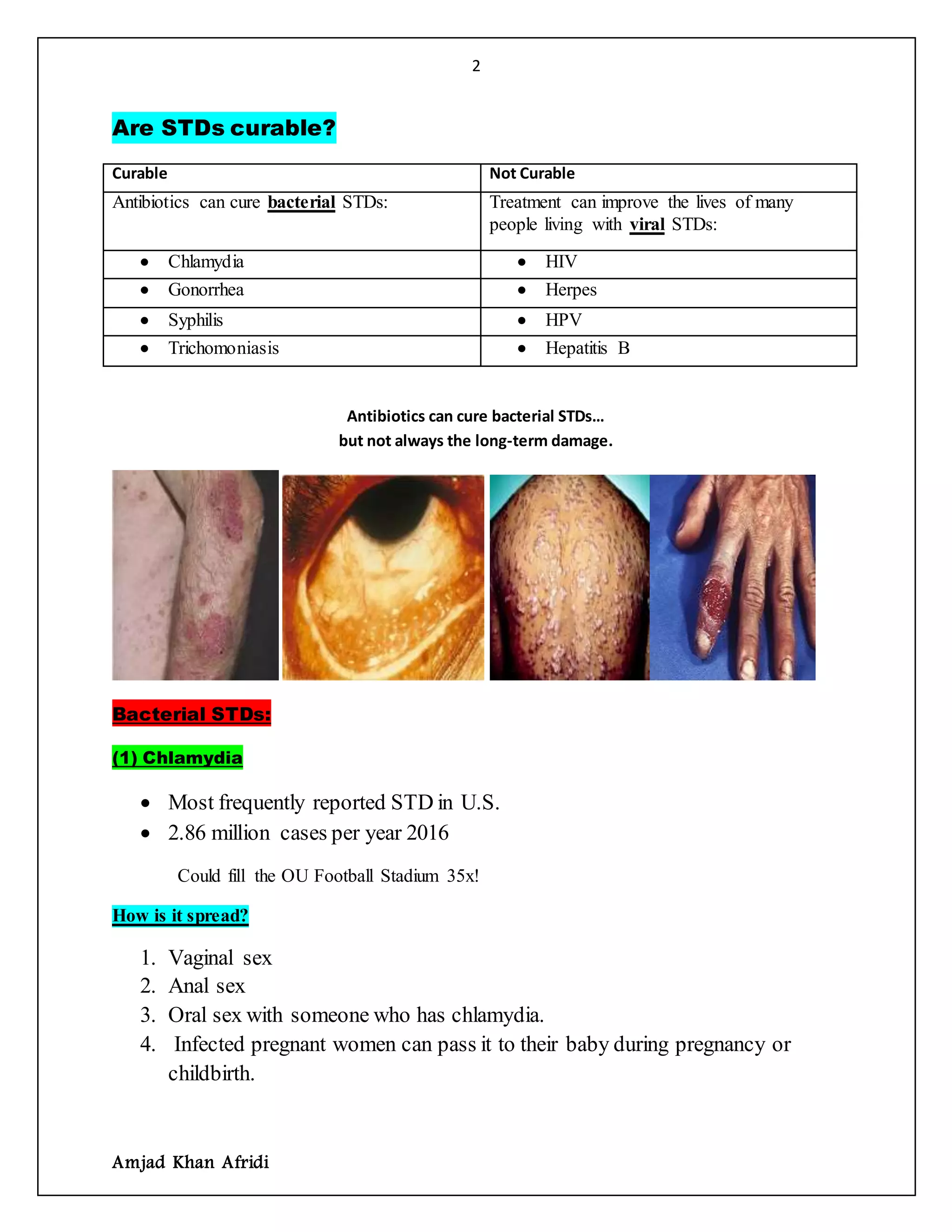
Traditionally, the medical community categorizes STDs into two camps: those caused by bacteria, parasites, or fungi (which are generally curable) and those caused by viruses (which are typically manageable but not always curable). Diseases such as syphilis, chlamydia, gonorrhea, and trichomoniasis fall into the curable category. Yet, the tech industry is the silent engine driving the success rates of these cures. Through the integration of Artificial Intelligence (AI), Point-of-Care Testing (POCT) hardware, and encrypted health data platforms, the tech sector is transforming how we identify, treat, and eventually eliminate these infections.
The Evolution of Diagnostic Software in Identifying Curable Infections
The first step in curing any disease is accurate identification. In the realm of sexual health, the “wait-and-see” approach of previous decades has been replaced by high-throughput diagnostic software that can identify pathogens with near-perfect sensitivity.
Rapid Point-of-Care Testing (POCT) Platforms
Modern diagnostic tech has moved out of the massive centralized lab and into the palm of the hand. New POCT devices utilize microfluidic “lab-on-a-chip” technology combined with proprietary software to deliver results in under 30 minutes. For curable STDs like chlamydia and gonorrhea, this speed is revolutionary. The software powering these devices uses nucleic acid amplification tests (NAATs), which were once complex manual procedures but are now automated processes. By digitizing the molecular analysis, tech platforms minimize human error and ensure that a patient receives a prescription before they even leave the clinic, significantly reducing the “loss to follow-up” rate.
Artificial Intelligence in Microscopic Analysis
AI and machine learning are now being deployed to identify syphilis and other infections that require visual confirmation under a microscope. Traditional microscopy is labor-intensive and prone to subjective interpretation. Modern tech solutions utilize computer vision—a subset of AI—to scan samples for the Treponema pallidum bacterium. These algorithms are trained on millions of images, allowing them to detect patterns invisible to the human eye. This ensures that the cure—usually a course of penicillin—is administered based on high-fidelity digital confirmation rather than an educated guess.
Breakthroughs in Biotechnology: Engineering Digital Cures
The term “curable” is not a static label. As bacteria evolve, the technology used to combat them must also advance. This is particularly evident in the fight against “superbugs” or antibiotic-resistant strains of gonorrhea.
Algorithmic Drug Discovery for Antibiotic Resistance
The tech industry is playing a critical role in maintaining the “curable” status of diseases that are becoming resistant to traditional medicine. AI-driven drug discovery platforms, such as those utilizing deep learning, can simulate billions of chemical interactions to find new antibiotic candidates. By using predictive modeling, researchers can identify which molecular structures will successfully penetrate the cell walls of resistant bacteria. This digital-first approach to pharmacology ensures that even as pathogens shift, our technological arsenal for curing them stays one step ahead.
CRISPR and the Future of Viral Eradication
While viral STDs like Herpes (HSV) and HIV are currently classified as incurable, the tech-heavy field of gene editing—specifically CRISPR-Cas9—is working to move them into the curable column. CRISPR functions like a biological “find and replace” software tool, allowing scientists to cut out segments of viral DNA from a host’s genome. This technology is heavily reliant on bioinformatics software that maps the human genome and predicts the “off-target” effects of genetic interventions. As these software tools become more sophisticated, the possibility of a permanent technological cure for currently “incurable” viral STDs moves closer to reality.
Digital Health Platforms and the Information Gap
A cure is only effective if the patient can access it. In the digital age, the “tech stack” of sexual health includes telemedicine, secure messaging, and blockchain-based record keeping.
Telemedicine and Asynchronous Care
The stigma surrounding sexual health often prevents individuals from seeking the cures they need. Tech-enabled telemedicine platforms have bypassed this barrier by offering asynchronous care. Users can input symptoms into an app, upload photos for algorithmic assessment, and receive a diagnosis from a remote physician. This software-driven ecosystem democratizes access to cures for syphilis, chlamydia, and other infections, particularly in “medical deserts” where physical clinics are scarce. The integration of electronic health records (EHR) ensures that this data is seamlessly shared with pharmacies for immediate treatment.
Blockchain for Secure Health Data Transmission
Privacy is the primary concern for patients seeking STD treatment. The application of blockchain technology in health informatics provides a solution. By using decentralized ledgers, health tech companies can ensure that a patient’s diagnostic data and treatment history are immutable and accessible only by authorized parties. This security encourages more frequent testing. When people feel their data is digitally “locked,” they are more likely to utilize the tech tools that lead to a cure, thereby lowering the overall community transmission rate.
The Hardware of Healing: Advanced Gadgets in Sexual Health
Beyond the software, the physical hardware used in the detection and treatment of STDs has seen a technological renaissance.
Smart Lab-on-a-Chip Technology
The miniaturization of laboratory equipment has led to the creation of “smart” diagnostic kits that connect to smartphones via Bluetooth. These gadgets use electrochemical sensors to detect the DNA of pathogens. For a disease like trichomoniasis, which is easily cured with a single dose of medication but often goes undiagnosed due to lack of symptoms, these consumer-facing gadgets are game-changers. They transform the smartphone into a diagnostic hub, empowering users with clinical-grade data in a domestic setting.
Wearables and Preventive Biometrics
While not a “cure” in the biological sense, the next frontier in sexual health tech is the use of wearables to monitor physiological changes that may indicate an underlying infection. Advanced sensors in smartwatches and rings are being tested for their ability to detect subtle changes in body temperature and heart rate variability that correlate with inflammatory responses to STDs. This “pre-diagnostic” tech alerts the user to seek a definitive digital test, catching curable infections in their earliest, most treatable stages.

Data Analytics: Mapping the Path to Eradication
On a macro level, big data analytics are being used to track the prevalence of curable STDs across global populations. Public health agencies utilize geospatial mapping software to identify “hotspots” of infection. By analyzing anonymized data from pharmacies and clinics, these platforms can predict where an outbreak of syphilis or gonorrhea is likely to occur next.
This predictive tech allows for the strategic deployment of resources—such as mobile testing units and automated medication dispensers—to the areas that need them most. In this way, technology does not just cure the individual; it works toward “curing” the population by breaking the chains of transmission through data-driven intervention.
The convergence of software, hardware, and data science has redefined the quest to identify and treat curable STDs. We are moving away from a world of reactive medicine and into an era of proactive, tech-enabled wellness. As AI continues to refine our diagnostic accuracy and blockchain secures our most sensitive information, the list of “curable” diseases will only grow, supported by a digital infrastructure designed to eliminate the biological threats of the past. In the intersection of technology and biology, the cure is no longer just a pill; it is a sophisticated, end-to-end digital solution.
aViewFromTheCave is a participant in the Amazon Services LLC Associates Program, an affiliate advertising program designed to provide a means for sites to earn advertising fees by advertising and linking to Amazon.com. Amazon, the Amazon logo, AmazonSupply, and the AmazonSupply logo are trademarks of Amazon.com, Inc. or its affiliates. As an Amazon Associate we earn affiliate commissions from qualifying purchases.