
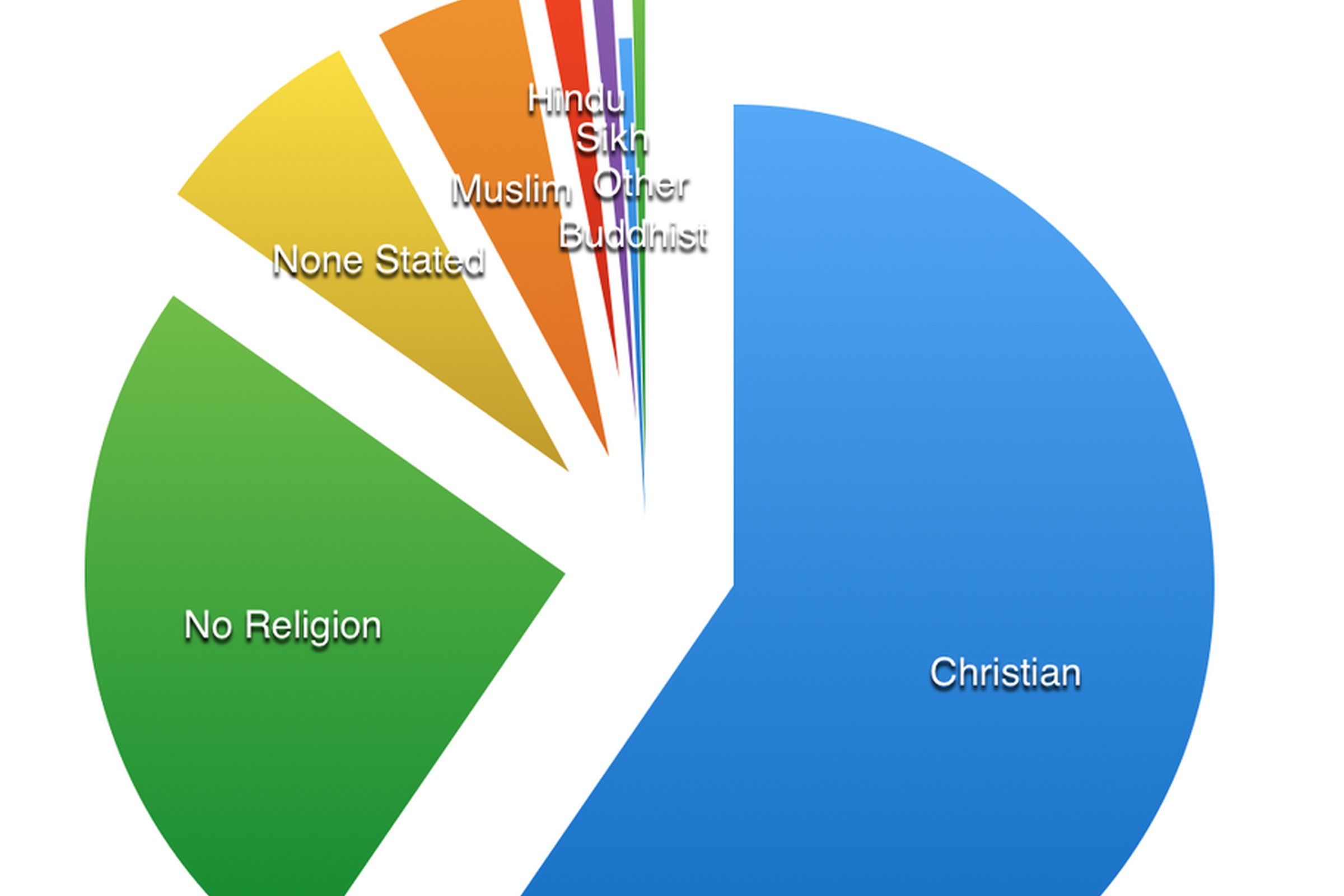
When asking “what religion is England,” the traditional answer points toward the Church of England. However, from a financial and economic perspective, the answer is far more complex. While census data suggests a shift toward a more secular society, the economic footprint of religion in England remains a multi-billion-pound powerhouse. From the massive investment portfolios of the Church Commissioners to the burgeoning Islamic finance sector in London, religion in England functions as a sophisticated financial ecosystem. Understanding the “religion” of England today requires looking past pews and steeples to analyze the balance sheets, real estate holdings, and market influences that define the nation’s spiritual and fiscal landscape.
The Multi-Billion Pound Endowment: Inside the Church Commissioners’ Portfolio
The Church of England is not merely a religious institution; it is one of the most sophisticated institutional investors in the United Kingdom. At the heart of this financial operation are the Church Commissioners, who manage a target endowment fund valued at over £10 billion. This fund is designed to support the ministry of the Church in perpetuity, covering clergy pensions, mission work, and the upkeep of historic cathedrals.
Ethical Investing and the ESG Framework
The Church of England has positioned itself as a global leader in ethical investing. Long before “Environmental, Social, and Governance” (ESG) became a buzzword in the City of London, the Church was practicing exclusionary screening—refusing to invest in arms, tobacco, or high-interest lending. Today, their financial strategy has evolved into active engagement. By using their massive equity stakes, they influence corporate behavior in multinational giants, particularly regarding climate change. For investors and financial analysts, the Church’s portfolio serves as a case study in how to balance high-yield returns with moral mandates. Their 20-year investment returns have consistently outperformed many commercial benchmarks, proving that “faith-based” finance is a formidable competitor in the open market.
Real Estate Assets and Land Ownership
One cannot discuss the wealth of the Church without addressing its status as one of England’s largest landowners. The Church Commissioners manage approximately 105,000 acres of agricultural land, alongside significant commercial property holdings in London’s most prestigious postcodes. This real estate portfolio provides a steady stream of rental income and development opportunities. In recent years, the Church has pivoted toward “social impact” real estate, exploring how to use its land for affordable housing projects while still maintaining its fiduciary duty to the endowment. This intersection of property development and social mission represents a unique niche in the British real estate market.
The Economics of Secularization: Shifts in the Religious Marketplace
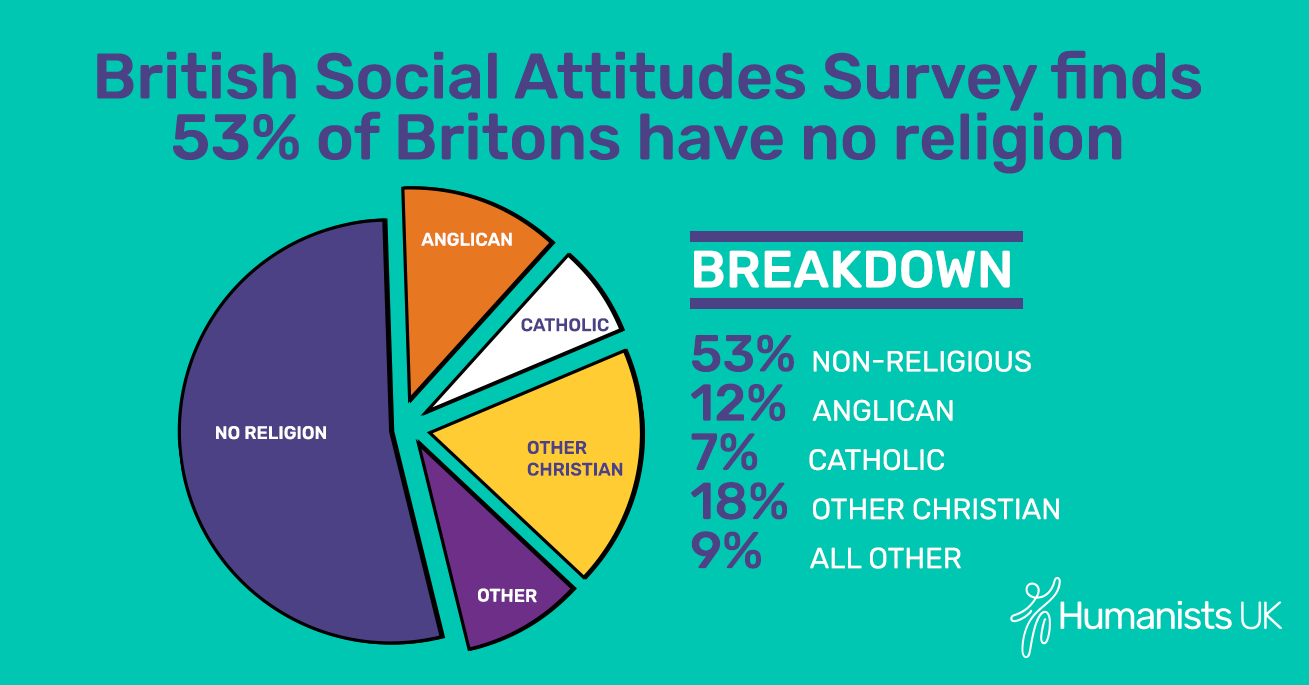
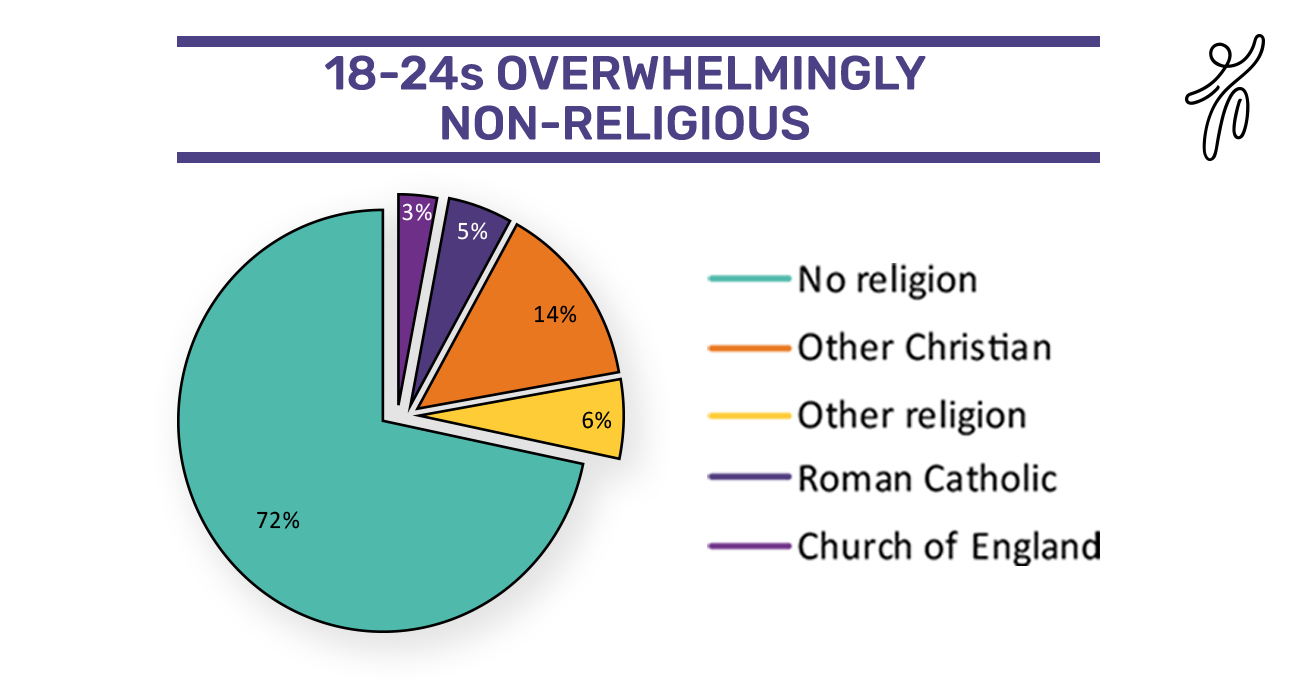
As the percentage of the population identifying as “Christian” in the census drops below 50%, the economic model of religion in England is undergoing a radical transformation. The traditional model of “the collection plate” is no longer sufficient to maintain the nation’s vast religious infrastructure. This has led to the emergence of a more commercial, entrepreneurial approach to religious finance.
The Cost of Maintaining Grade I Listed Heritage
England is home to thousands of Grade I and II listed church buildings. These are not just places of worship; they are significant national assets that require millions of pounds in annual maintenance. The financial burden of this heritage is immense. With dwindling congregations, many parishes are looking toward innovative revenue models. This includes “Cathedral Economics,” where historic sites like St Paul’s or York Minster operate as high-revenue tourist attractions, charging entry fees that fund both the preservation of the building and the religious activities within.
Diversifying Income Streams: Beyond the Collection Plate
Modern churches and religious organizations in England are increasingly operating like social enterprises. Many have repurposed their halls into co-working spaces, cafes, or venues for hire. In urban centers, religious buildings are being utilized as “community hubs” that secure government contracts for social services, such as debt counseling or food bank management. This shift from a donation-based model to a service-provider model is a critical trend in the business of faith. For financial planners in the non-profit sector, the English religious landscape offers a preview of how traditional institutions can survive in an increasingly secular economy through asset diversification.
Faith as a Driver of the Experience Economy
Religion in England contributes significantly to the “Experience Economy.” Tourism, pilgrimages, and cultural events centered around religious heritage generate hundreds of millions of pounds for the UK economy every year. Even for those who do not identify as religious, the aesthetic and cultural value of England’s religious infrastructure is a major draw.
Religious Tourism and Pilgrimage Revenue
The “pilgrimage” has seen a commercial revival. Modern routes, such as the various paths to Canterbury, attract hikers and tourists who spend money on accommodation, equipment, and local services. According to data from the Association of Leading Visitor Attractions (ALVA), religious sites consistently rank among the most visited landmarks in the country. This influx of visitors creates a “halo effect” for local economies, supporting small businesses in rural towns that would otherwise struggle. The economic value of these visitors extends far beyond the religious site itself, impacting the broader hospitality and transport sectors.
The Halo Effect on Local Businesses
A study by the National Churches Trust suggested that for every £1 invested in church buildings, there is a significant return in social and economic value to the local community. This is known as “The House of Good” effect. By providing spaces for playgroups, blood donation drives, and cultural festivals, religious buildings act as economic anchors. In many English villages, the church is the only remaining communal asset after the closure of pubs and post offices. Its financial viability, therefore, is intrinsically linked to the economic health of the local micro-economy.
Emerging Faith Markets: The Financial Impact of Minority Religions
While the Church of England holds the historical wealth, the most dynamic growth in the “religion market” in England is occurring within minority faiths, particularly Islam. This has profound implications for the UK’s financial services sector and retail markets.
Islamic Finance and the Growth of Halal Ecosystems
London has established itself as the Western capital of Islamic finance. The city is a hub for Sukuk (Islamic bonds) and Sharia-compliant banking services. This sector caters not only to the UK’s domestic Muslim population—which has significant and growing purchasing power—but also attracts massive foreign direct investment from the Gulf states. The integration of Islamic finance into the City of London’s infrastructure is a testament to how religion shapes national fiscal policy. Furthermore, the “Halal Economy” in England, spanning food, pharmaceuticals, and lifestyle products, is a multi-billion-pound industry that continues to see double-digit year-on-year growth.
The Philanthropic Power of the Diaspora
Religions such as Hinduism and Sikhism also play a vital role in the English economy, particularly through the lens of entrepreneurship and philanthropy. The “British Asian” wealth, often rooted in strong community and religious networks, contributes billions to the GDP. Religious festivals like Diwali or Vaisakhi have become significant commercial events, driving retail sales and event management revenue. The financial interconnectedness of these religious communities creates a robust network of “informal” finance and community-led investment that bypasses traditional banking, providing a unique model of economic resilience.
Future Outlook: The Privatization of Spiritual Capital
The future of religion in England is increasingly tied to the concept of “spiritual capital”—the idea that religious beliefs and networks provide tangible economic benefits. As the state retreats from certain social welfare roles, religious organizations are stepping in, backed by private funding and sophisticated financial management.
Social Enterprise and the Modern Parish
The next decade will likely see an increase in the “privatization” of religious assets. We are seeing the rise of “Church Planting” networks that operate with the efficiency and branding of a tech startup. These organizations often target affluent urban professionals, leveraging modern marketing and digital tools to build high-net-worth congregations. From a business perspective, these are highly efficient models that minimize overhead while maximizing engagement and “customer loyalty.”
The Digital Transformation of Religious Finance
Finally, the “fintech” revolution is hitting the religious sector. From contactless giving stations in 12th-century chapels to apps that manage tithing and charitable gift aid, the way money moves within the religious economy is becoming entirely digital. This data-rich environment allows religious organizations to manage their finances with more precision than ever before. For those looking to understand the “religion of England,” the answer is increasingly found in the digital ledger—a blend of ancient tradition and cutting-edge financial technology that ensures faith remains a central, and profitable, pillar of British life.
aViewFromTheCave is a participant in the Amazon Services LLC Associates Program, an affiliate advertising program designed to provide a means for sites to earn advertising fees by advertising and linking to Amazon.com. Amazon, the Amazon logo, AmazonSupply, and the AmazonSupply logo are trademarks of Amazon.com, Inc. or its affiliates. As an Amazon Associate we earn affiliate commissions from qualifying purchases.