
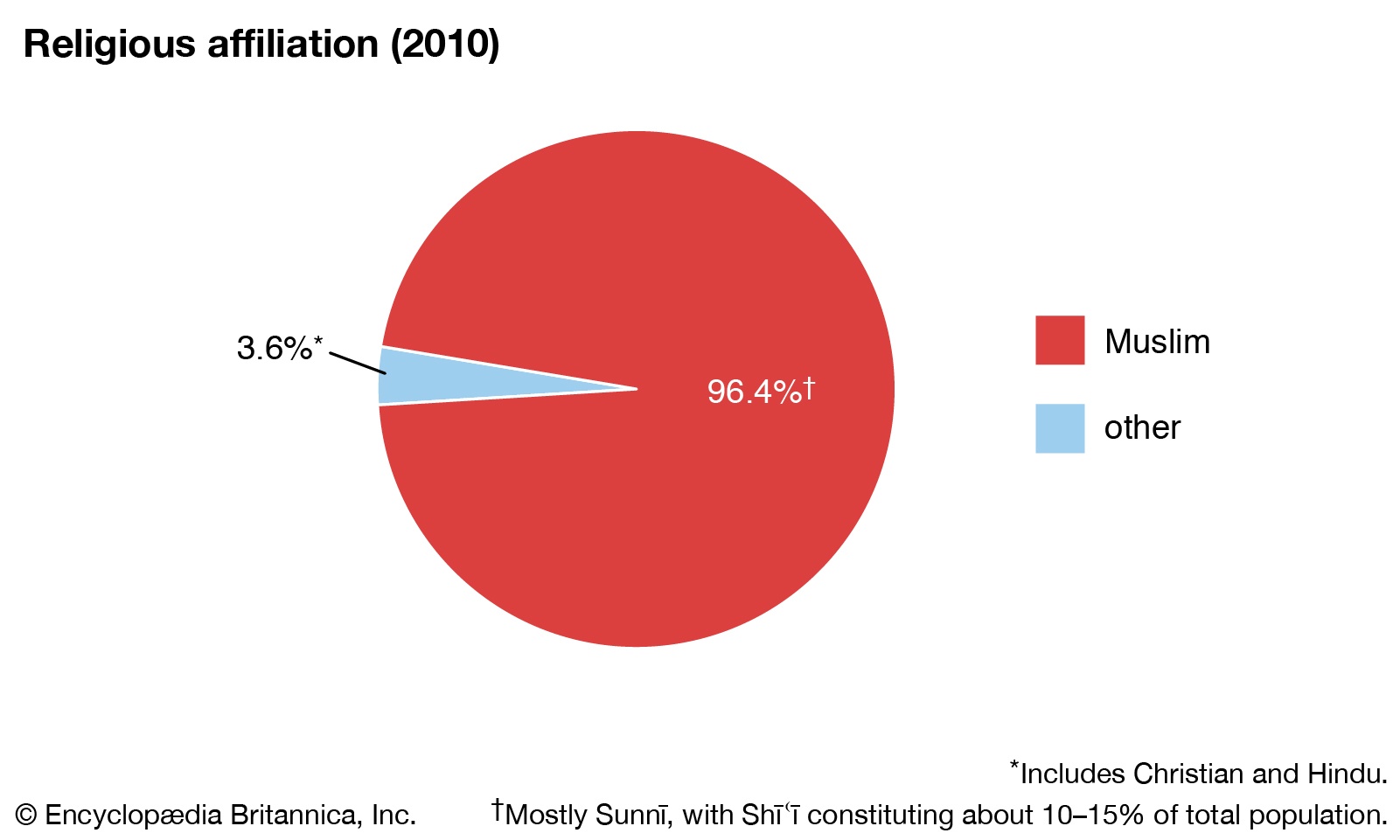
In the global financial ecosystem, few nations demonstrate as profound a connection between faith and finance as Pakistan. As an Islamic Republic where approximately 96% of the population identifies as Muslim, the question of “what religion in Pakistan” is not merely a demographic statistic; it is the fundamental architect of the country’s economic policies, banking regulations, and consumer behavior. The integration of Islamic principles into the financial sector has transformed Pakistan into a burgeoning hub for Sharia-compliant investing and a pivotal player in the multi-trillion-dollar global halal economy.

To understand the Pakistani market, one must look beyond traditional economic indicators and examine how religious tenets dictate the flow of capital. From the prohibition of Riba (usury or interest) to the mandatory collection of Zakat (almsgiving), religion is the invisible hand that guides both micro-level household savings and macro-level state budgeting.
The Rise of Sharia-Compliant Banking and the Elimination of Riba
The most significant manifestation of religion in Pakistan’s financial sector is the systematic shift toward Islamic banking. For decades, the country has navigated a dual banking system, where conventional interest-based banks coexist with Sharia-compliant institutions. However, the tide is turning decisively toward the latter.
The Constitutional Mandate for Islamic Finance
Pakistan’s commitment to an interest-free economy is not just a preference but a constitutional obligation. The State Bank of Pakistan (SBP) has been under a long-standing mandate to transform the financial system in accordance with Islamic jurisprudence. A landmark ruling by the Federal Shariat Court in 2022 directed the government to transition the entire banking sector to an Islamic model within five years. This shift represents one of the most ambitious financial re-engineering projects in the world, requiring the conversion of trillions of Rupees in assets.
Market Share and Consumer Preference
The growth of Islamic banking in Pakistan has consistently outpaced the conventional sector. Institutions like Meezan Bank, Faysal Bank, and BankIslami have seen exponential growth in their deposit bases. This is driven by a deep-seated religious preference among the public; many Pakistanis previously remained unbanked due to the religious prohibition of interest. By offering products based on profit-and-loss sharing (Mudarabah) and cost-plus financing (Murabaha), these banks have successfully integrated a large segment of the population into the formal economy.
Innovations in Sharia-Compliant Instruments
The government of Pakistan frequently utilizes Sukuk (Islamic bonds) to manage its fiscal deficit and fund infrastructure projects. Unlike conventional bonds, Sukuk represent ownership in a tangible asset, such as an airport or a highway, making them an attractive and religiously permissible investment for both domestic and international Islamic funds. This reliance on Sukuk highlights how religious compliance has become a prerequisite for mobilizing large-scale capital in the country.
The Halal Economy: A Multi-Billion Dollar Opportunity
While finance is the skeleton of the economy, the “Halal” designation is its lifeblood. In Pakistan, “Halal” is not just a dietary requirement; it is a comprehensive lifestyle brand that encompasses food, pharmaceuticals, cosmetics, and logistics.
Food and Agriculture: The Export Engine
Pakistan possesses a natural competitive advantage in the global halal food market. With a vast livestock population and an agrarian base, the country is well-positioned to be a leading exporter of halal-certified meat and dairy. The government has established the Pakistan Halal Authority (PHA) to standardize certification processes, ensuring that products meet rigorous international Sharia standards. For investors, this sector offers high growth potential as the global demand for traceable, ethically sourced halal food increases in Europe, Southeast Asia, and the Middle East.
Beyond the Plate: Cosmetics and Pharmaceuticals
The scope of the halal market in Pakistan is expanding into non-food sectors. There is a rising consumer awareness regarding the ingredients in personal care products and medicines. Brands that can guarantee the absence of alcohol and porcine-derived ingredients are capturing significant market share. This has led to a surge in local manufacturing firms seeking halal certification to gain a “trust premium” from the domestic population and to penetrate export markets in the OIC (Organization of Islamic Cooperation) countries.
The Ethics of Sharia-Compliant Supply Chains
In the context of modern business finance, “Halal” is increasingly synonymous with ethical and ESG (Environmental, Social, and Governance) investing. Sharia-compliant businesses are prohibited from engaging in activities deemed harmful to society, such as gambling, tobacco, or excessive speculation. This alignment between religious values and global ethical standards is making Pakistani businesses more attractive to a new generation of socially conscious investors.
Wealth Redistribution and the Institutionalization of Zakat
Religion in Pakistan dictates a unique form of social safety net and wealth redistribution through Zakat. As one of the five pillars of Islam, Zakat is a mandatory charitable contribution (typically 2.5% of one’s qualifying wealth) intended to support the poor and needy.
The State-Administered Zakat System
Pakistan is one of the few countries with a centralized, state-run Zakat collection and distribution system. Under the Zakat and Ushr Ordinance, the state automatically deducts Zakat from certain types of bank accounts and financial instruments on the first day of Ramadan. These funds are then distributed through a network of local Zakat committees to hospitals, schools, and individuals. This system injects billions of Rupees into the social sector annually, acting as a crucial buffer against poverty.
Private Philanthropy and Social Impact Bonds
Beyond state-mandated Zakat, Pakistanis are among the most philanthropic people in the world. Much of this giving is religiously motivated (Sadaqah). High-net-worth individuals and corporate entities often channel their charitable contributions into sophisticated foundations and trusts. This has paved the way for “Social Impact Investing,” where capital is deployed to solve societal issues while adhering to Sharia principles. The emergence of Islamic microfinance institutions, such as Akhuwat, which provides interest-free loans to the underprivileged, demonstrates how religious principles can foster sustainable financial inclusion.
Fintech and the Digital Transformation of Faith-Based Finance
As Pakistan undergoes a digital revolution, the intersection of religion and technology is creating new frontiers in the “Money” niche. Fintech startups are leveraging the country’s religious demographics to create specialized tools for a digital-first generation.
Sharia-Compliant Wealth Management Apps
The rise of retail investing in Pakistan has been hampered by a lack of awareness regarding which stocks are Sharia-compliant. New fintech platforms are solving this by offering real-time screening of the Pakistan Stock Exchange (PSX). These apps allow users to invest in Sharia-compliant mutual funds and equities with the tap of a button, ensuring their earnings remain “Halal.” This is democratizing access to wealth-building tools for the religiously conscious middle class.
Digitizing Almsgiving
The digitalization of Zakat and Sadaqah has streamlined the way capital flows into the non-profit sector. Digital wallets like JazzCash and EasyPaisa, along with dedicated donation platforms, have made it easier for the diaspora and local citizens to fulfill their religious obligations. For the economy, this means a more transparent and traceable flow of charitable funds, reducing the risks of money laundering and ensuring that capital reaches its intended beneficiaries.
Takaful: The Digital Frontier of Islamic Insurance
The insurance sector in Pakistan has historically seen low penetration due to religious concerns regarding conventional insurance (seen as involving uncertainty or Gharar). However, the growth of Takaful (Islamic insurance based on mutual assistance) is changing the narrative. Insurtech companies are now offering digital Takaful products for health, life, and motor vehicles, tapping into a massive underserved market.
Future Outlook: Challenges and Strategic Potential
The influence of religion on Pakistan’s financial landscape offers both immense opportunities and significant challenges. For international investors and domestic businesses, navigating this environment requires a nuanced understanding of Islamic commercial law.
Standardization and Global Integration
One of the primary challenges for Pakistan is aligning its domestic Sharia standards with global benchmarks, such as those set by AAOIFI (Accounting and Auditing Organization for Islamic Financial Institutions). Achieving this alignment is essential for attracting foreign direct investment (FDI) from the affluent GCC (Gulf Cooperation Council) region. As Pakistan refines its regulatory framework, it stands to become a bridge between the Western financial world and the Islamic East.
The Role of Education in Financial Literacy
To fully realize the potential of an Islamic economy, there is a pressing need for human capital development. Universities and professional bodies in Pakistan are increasingly offering specialized degrees in Islamic Finance. This educational push ensures that the next generation of bankers, accountants, and entrepreneurs can innovate within the boundaries of Sharia, creating products that are both religiously sound and economically competitive.

Conclusion: A Faith-Driven Economic Future
In Pakistan, the question “what religion” finds its answer in every bank transaction, every certified product, and every charitable donation. The country’s financial trajectory is inextricably linked to its Islamic identity. By embracing Sharia-compliant banking, fostering a robust halal economy, and leveraging technology to institutionalize religious giving, Pakistan is carving out a unique niche in the global financial landscape. For those looking to understand the “Money” niche in this region, the religious lens is not just helpful—it is mandatory. The fusion of ancient values with modern financial tools is defining the future of Pakistan’s prosperity.
aViewFromTheCave is a participant in the Amazon Services LLC Associates Program, an affiliate advertising program designed to provide a means for sites to earn advertising fees by advertising and linking to Amazon.com. Amazon, the Amazon logo, AmazonSupply, and the AmazonSupply logo are trademarks of Amazon.com, Inc. or its affiliates. As an Amazon Associate we earn affiliate commissions from qualifying purchases.