
The United States military is often described as the backbone of national security, but from a financial and demographic perspective, it represents a highly specialized segment of the American labor force. When asking “what percent of the US is in the military,” the answer reveals a striking reality about modern human capital: less than 1% of the American population is currently serving on active duty. This small fraction of the population manages a significant portion of the federal budget and serves as a primary driver for specific sectors of the national economy.

Understanding this percentage is not merely an exercise in demographics; it is a critical look at how the U.S. allocates its financial resources, manages its labor market, and prepares for future economic shifts. As the military transitions toward a more technology-centric and leaner force, the financial implications for recruitment, retention, and post-service wealth building become increasingly complex.
The Macroeconomic Scale of the US Military Population
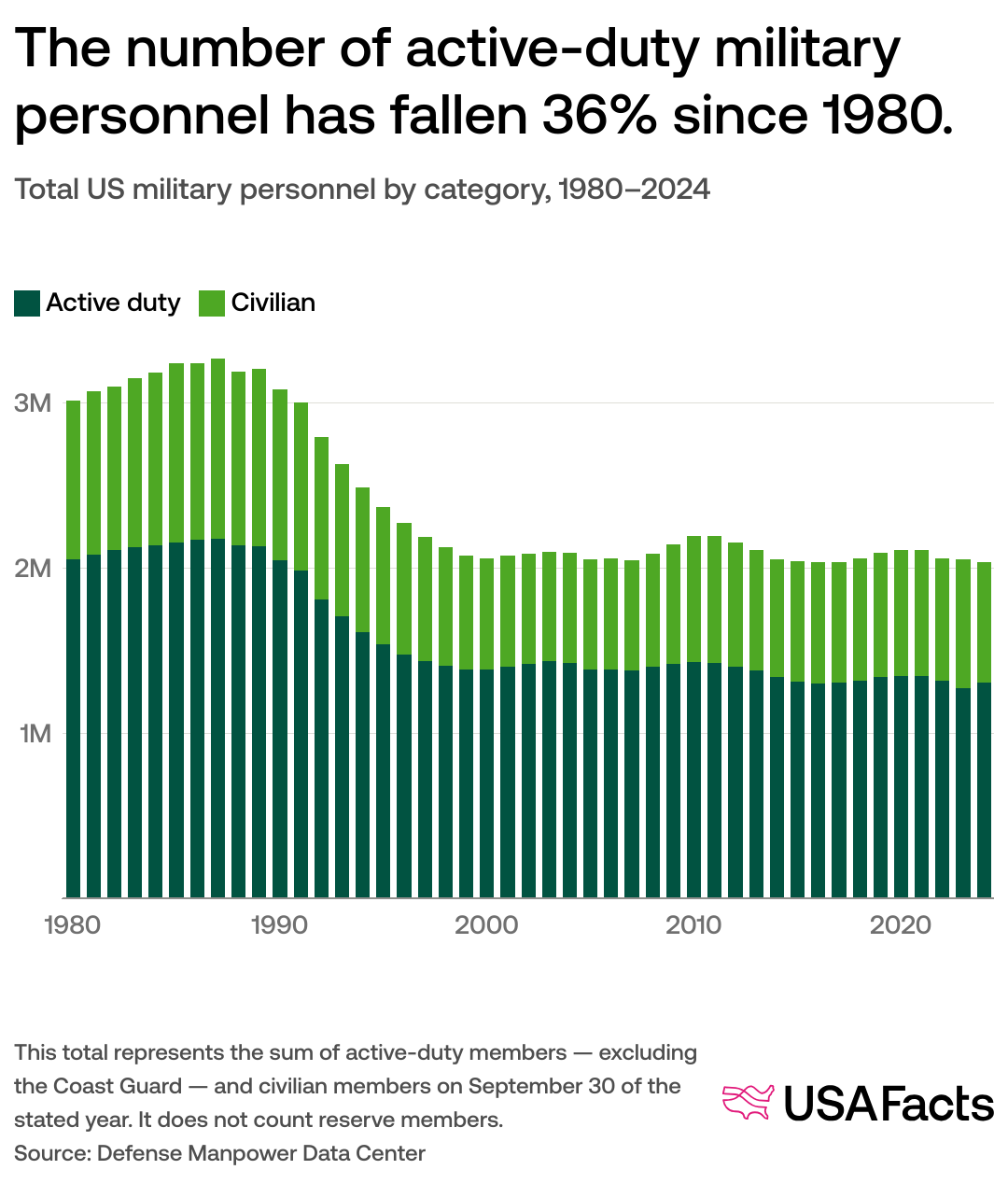
To put the numbers in perspective, as of the most recent census and Department of Defense (DoD) reports, there are approximately 1.3 to 1.4 million active-duty service members. In a nation of over 335 million people, this equates to roughly 0.4% of the total population. When you include the National Guard and Reserves, the figure climbs to about 2.1 million, or roughly 0.6%.
This is a significant departure from previous eras. During World War II, nearly 9% of the population was in uniform. The shift to an All-Volunteer Force (AVF) in 1973 fundamentally changed the military from a universal civic obligation into a specialized career path with profound financial incentives.
The Cost of the All-Volunteer Force
Maintaining a force that represents less than 1% of the population requires a competitive financial package to attract talent from the private sector. Unlike a conscripted military, the AVF must compete with corporate America for software engineers, pilots, mechanics, and administrators. Consequently, personnel costs—including pay, allowances, and healthcare—now consume nearly one-quarter of the total defense budget. From a fiscal policy standpoint, the “cost per troop” has risen significantly, making the efficiency of this small percentage a top priority for congressional budget hawks.
Impact on the National Labor Market
The military functions as one of the largest employers in the world. By taking 1.3 million young, able-bodied individuals out of the traditional civilian labor market, the military influences unemployment rates and wage competition. In regions with high concentrations of military bases, such as North Carolina, Texas, and Virginia, the military is often the primary economic engine. The flow of federal “money” into these local economies through service member salaries and local contracts creates a unique micro-economy that is often shielded from traditional market volatility.
The Financial Landscape of Military Service: Compensation and Wealth Building
For the individuals who make up that 0.4% of the population, military service is often a strategic financial move. While base pay for junior enlisted members may appear modest on paper, the “Total Compensation” model of the military is designed to provide high levels of disposable income and long-term financial security.
Tax Advantages and Non-Taxable Allowances
A significant portion of a service member’s income is non-taxable. The Basic Allowance for Housing (BAH) and Basic Allowance for Subsistence (BAS) are provided to cover living expenses and are not subject to federal or state income tax. For a service member stationed in a high-cost-of-living area like San Diego or DC, the BAH can represent upwards of $3,000 to $4,000 a month in tax-free “income.” From a personal finance perspective, this allows service members to maintain a standard of living that would require a much higher gross salary in the corporate world.
The Blended Retirement System (BRS)
In recent years, the military updated its financial structure to mirror private-sector investing through the Blended Retirement System. This system includes a defined contribution element—the Thrift Savings Plan (TSP)—which is the government’s version of a 401(k). With government matching of up to 5%, service members are now able to build portable wealth that they can take with them even if they do not serve the full 20 years required for a traditional pension. This shift has democratized wealth building within the military, ensuring that the 0.4% of the population in service can enter the civilian world with a significant financial head start.
Post-Service Wealth: The Veteran Labor Market and the GI Bill
The economic story of the military does not end when a service member hangs up the uniform. There are approximately 18 million veterans in the United States, representing a much larger portion of the population (about 7%) than those currently serving. The transition of these individuals into the civilian economy is a major factor in national productivity and personal finance.
The GI Bill as a Financial Asset
Perhaps the greatest wealth-generation tool provided to the military population is the Post-9/11 GI Bill. By covering the full cost of tuition at public universities and providing a monthly housing stipend, the GI Bill functions as a massive injection of human capital into the economy. It allows veterans to obtain high-value degrees in STEM, business, and law without the burden of student debt. In an era where the national student loan debt exceeds $1.7 trillion, the ability of veterans to enter the high-earning workforce debt-free is a massive competitive advantage.
VA Loans and Homeownership
The VA Home Loan program is another pillar of veteran financial strategy. By allowing veterans to purchase homes with 0% down payments and no private mortgage insurance (PMI), the program has historically been a primary driver of middle-class wealth. Homeownership is the number one way Americans build net worth, and the military population has a significantly higher rate of homeownership compared to their civilian peers in the same age brackets. This program effectively lowers the barrier to entry for real estate investing, often allowing veterans to turn their first homes into rental properties as they move through their careers.
Corporate Strategy: The Value of the Veteran Workforce
From a brand and business perspective, the small percentage of Americans who serve in the military are highly sought after by Fortune 500 companies. This is not just a matter of corporate social responsibility; it is a calculated business strategy based on the ROI of hiring veteran talent.
Technical Proficiency and Leadership ROI
The modern military is a high-tech environment. Service members are frequently trained in cybersecurity, logistics, advanced electronics, and nuclear energy—skills that carry a high market value. Businesses have found that veterans often possess a “soft skill” set—leadership under pressure, discipline, and cross-functional teamwork—that is difficult to cultivate in traditional entry-level hires. This makes the “veteran brand” a powerful asset in the labor market, leading to higher median earnings for veterans compared to non-veterans in many sectors.
Veteran Entrepreneurship and Small Business Impact
The military-to-entrepreneur pipeline is a vital component of the US economy. According to the Small Business Administration (SBA), veterans are 45% more likely to be self-employed than people with no military experience. Veteran-owned businesses employ nearly 4 million people and generate over $1 trillion in annual receipts. This entrepreneurial spirit turns the 0.4% of the population into a powerhouse of job creation and economic stability, proving that the financial impact of the military extends far beyond the defense budget.
Future Trends: Technology, Downsizing, and Fiscal Responsibility
As we look toward the future, the percentage of the US population in the military is likely to remain low or even decrease as technology plays a larger role in defense strategy. The shift toward AI, autonomous systems, and long-range precision fires means that the DoD may prioritize “quality over quantity,” seeking a smaller number of highly specialized, highly compensated professionals.
The Cost-Benefit of Automation
From a business finance perspective, the military is increasingly weighing the “manpower vs. machine” cost. Maintaining a human service member involves rising healthcare costs, housing, and long-term pension liabilities. Investing in unmanned systems, while expensive upfront in R&D, offers lower long-term “maintenance” costs. This trend will likely keep the percentage of the population in the military at its current historic lows, even as the defense budget remains high to account for advanced technological development.
Preparing for a Leaner Military-to-Civilian Ratio
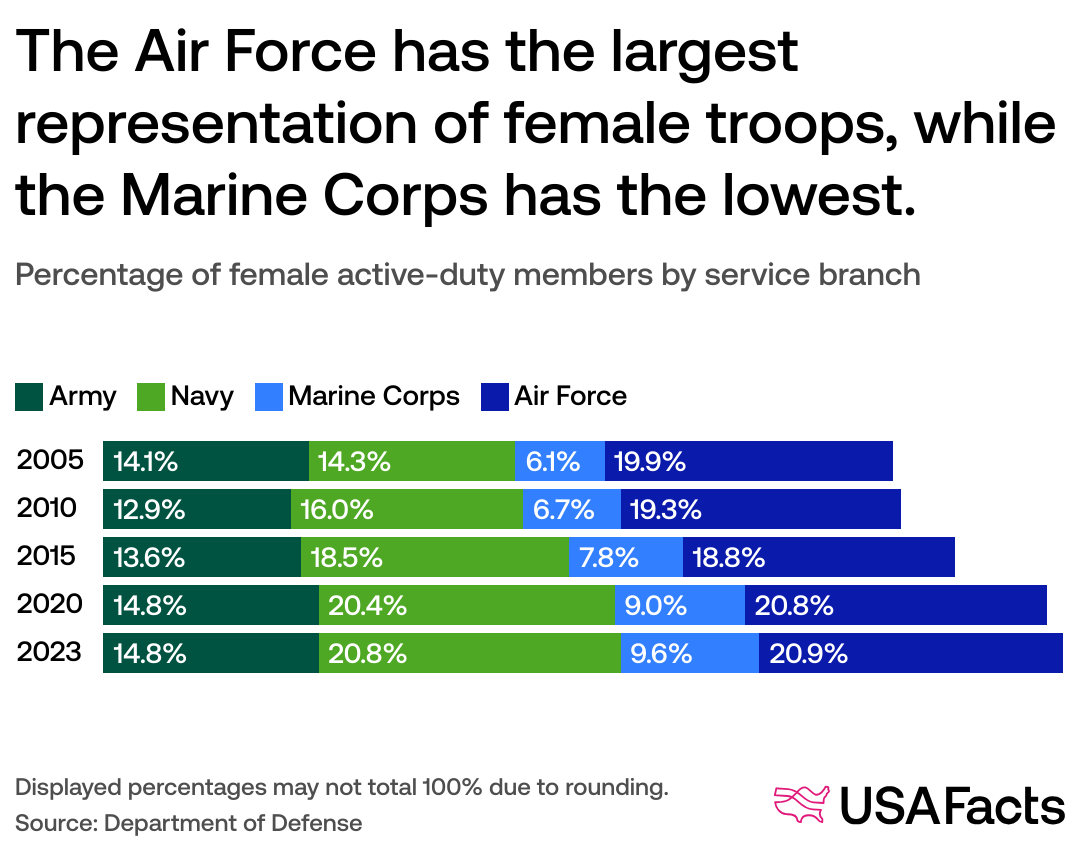
For the individual, the increased competitiveness of military service means that the financial rewards will likely grow for those who can meet the rising technical standards. As the military becomes a smaller, more elite segment of the workforce, the “brand” of having served will only increase in value. For investors and financial planners, understanding the unique cash flow patterns and benefit structures of this 0.4% of the population remains essential for tapping into a stable and high-earning demographic.
In conclusion, while only a tiny fraction of the United States population is currently in the military, their influence on the national economy, the labor market, and the landscape of personal finance is disproportionately large. From the massive scale of the defense budget to the individual wealth-building power of VA loans and the GI Bill, the military remains a central pillar of American financial life. Whether through direct service or the ripple effects of veteran-led business and innovation, the economic footprint of those who serve continues to shape the prosperity of the nation at large.
aViewFromTheCave is a participant in the Amazon Services LLC Associates Program, an affiliate advertising program designed to provide a means for sites to earn advertising fees by advertising and linking to Amazon.com. Amazon, the Amazon logo, AmazonSupply, and the AmazonSupply logo are trademarks of Amazon.com, Inc. or its affiliates. As an Amazon Associate we earn affiliate commissions from qualifying purchases.