
The intersection of immigration enforcement and modern technology has sparked a significant wave of digital advocacy across the United States. As Immigration and Customs Enforcement (ICE) increasingly relies on sophisticated data analytics, cloud computing, and biometric surveillance, several major tech hubs and metropolitan areas have become the front lines for a different kind of protest. These are not just physical demonstrations in the streets; they are organized movements focused on digital security, software ethics, and the termination of high-stakes technology contracts.
In cities where the tech industry defines the local economy, the “No Tech for ICE” movement has gained substantial momentum. From San Francisco to Seattle and New York, developers, data scientists, and privacy advocates are scrutinizing how enterprise software and data-mining tools are utilized in federal enforcement actions. This shift represents a broader trend in the technology sector where the ethical implications of code are prioritized alongside its functionality.

The Intersection of Digital Surveillance and Urban Activism
The modern protest against ICE is inextricably linked to the evolution of surveillance technology. Cities that are home to major research universities and tech startups are often the first to recognize the potential for digital overreach. The primary concern in these urban centers revolves around the “surveillance stack”—the layers of technology used to identify, track, and locate individuals.
Facial Recognition and Biometric Data Policies
Several cities have taken a hard stance against the use of facial recognition software, a tool frequently integrated into ICE’s investigative processes. San Francisco was a pioneer in this regard, becoming one of the first major U.S. cities to ban the use of facial recognition technology by city agencies. This legislative move was a direct response to concerns about how local data could be fed into federal databases.
In Boston and Oakland, similar bans have been enacted. These cities recognize that the technology—often prone to algorithmic bias—creates a digital dragnet. By protesting the implementation of these tools, these cities are effectively creating “digital sanctuaries.” They are limiting the ability of federal agencies to scrape local law enforcement databases or utilize municipal camera networks for biometric identification.
Predictive Analytics in Border Enforcement
Beyond physical identification, the protest extends to the use of predictive analytics and “big data” mining. Cities like Denver and Austin, which boast growing tech sectors, have seen intense advocacy against the procurement of software that automates the profiling of immigrant communities. The focus here is on transparency: understanding how algorithms weigh variables like social media activity, utility bills, and address history to flag individuals for enforcement.
Tech-focused activists in these cities argue that when software is used to predict human behavior or residency status, the lack of an “audit trail” constitutes a violation of digital rights. This has led to municipal-level debates about “algorithmic accountability,” where cities are pressured to disclose the software tools used by local police that might share data with federal entities.
Silicon Valley and the San Francisco Tech Response
As the global epicenter of innovation, the San Francisco Bay Area is at the heart of the “No Tech for ICE” movement. The protests here are unique because they are often internal, driven by the very engineers who build the tools in question. The focus is on the corporate responsibility of software giants and the ethics of cloud infrastructure.
Employee Activism within Big Tech
In recent years, employees at major tech firms headquartered in the Bay Area have organized walkouts and signed open letters demanding that their employers cancel contracts with ICE and Customs and Border Protection (CBP). These protests target specific services, such as database management, data processing, and cloud hosting.
The argument from the tech workforce is clear: the software they develop for commercial purposes should not be repurposed for surveillance or deportation logistics. This internal pressure has forced several high-profile companies to reconsider their government sales strategies. It has also led to the development of “ethical tech” frameworks, where companies are pushed to include “human rights clauses” in their software licenses to prevent the misuse of their technology.
Open Source Tools for Rights Defenders
While some are protesting through corporate channels, others in San Francisco’s developer community are building defensive technology. There is a burgeoning movement to create open-source tools that help individuals protect their digital footprints. This includes encrypted communication platforms and tools that help users “scrub” metadata from photos and documents that could be used for geolocating.
Hackathons centered on “Social Justice Tech” have become common in the city. These events focus on building decentralized databases and peer-to-peer networks that operate outside the reach of traditional surveillance. By creating these tools, the tech community in San Francisco is providing a digital shield for vulnerable populations, effectively protesting ICE through the medium of code.
Seattle: Navigating Cloud Infrastructure and Privacy
Seattle, home to some of the world’s largest cloud service providers, has become a focal point for protests regarding the backend infrastructure of immigration enforcement. The city’s tech culture is deeply rooted in systems architecture and data storage, making it a critical battleground for digital privacy.
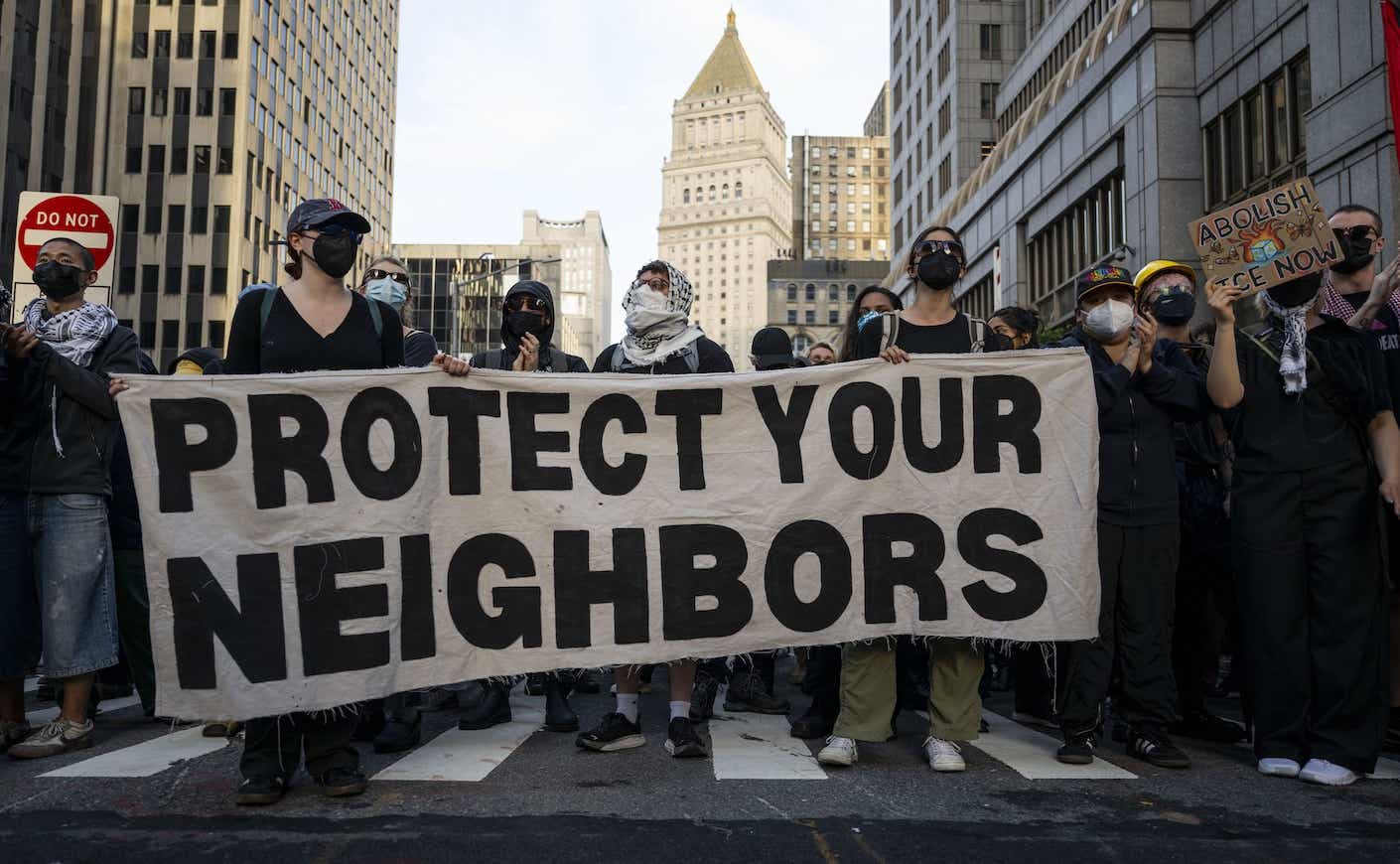
The Ethics of Cloud Hosting Contracts
The “No Tech for ICE” movement in Seattle has specifically targeted the massive cloud contracts that provide the storage capacity for ICE’s data-intensive operations. Activists argue that without the storage and processing power provided by these local giants, the federal government’s ability to run large-scale biometric databases would be significantly hampered.
Protests in Seattle often take the form of shareholder activism and public demonstrations at corporate campuses. The goal is to make the “invisible” work of cloud hosting a public issue. By highlighting how cloud credits and server space are utilized by federal agencies, Seattle-based activists are redefining what it means to be a “complicit” tech company. This has sparked a nationwide conversation about whether infrastructure providers should be held responsible for the activities of their clients.
Local Legislation on Surveillance Technology
Seattle’s city council has been active in passing ordinances that require a high degree of transparency for any surveillance technology used by the city. This is a strategic move to ensure that no “backdoor” access is granted to federal agencies. The city’s Surveillance Ordinance requires a thorough review of any technology that can collect or store data on individuals, including license plate readers and cell-site simulators (often called “Stingrays”).
By implementing these hurdles, Seattle serves as a model for how a city can use administrative tech policy as a form of protest. The objective is to create a digital environment where data sharing is the exception rather than the rule, thereby making it more difficult for federal agencies to aggregate local data for enforcement purposes.
New York City: The Fintech and Data Privacy Frontier
New York City occupies a unique position where finance meets technology. The protests here often revolve around “Fintech” and the vast amounts of financial data that can be used to track individuals’ movements and associations.
Protecting Financial Data from Federal Overreach
In NYC, tech advocates are increasingly concerned with the intersection of banking data and immigration enforcement. Protests have emerged against companies that sell “alternative data”—such as remittance records or small-dollar loan history—to government agencies. NYC-based privacy groups are pushing for stronger data-sharing protections within the fintech sector.
The protest in this context is about “data sovereignty.” Activists are working with local legislators to ensure that financial technology startups operating in New York are not coerced into providing bulk data to federal authorities without specific, individualized warrants. This effort aims to protect the “financial digital identity” of residents, which is often a trail used by enforcement agencies to locate individuals.
Mesh Networks and Encrypted Communication in Protests
New York is also a leader in the deployment of community mesh networks. These decentralized internet infrastructures allow neighborhoods to stay connected without relying on traditional Internet Service Providers (ISPs), which are subject to federal data requests and subpoenas.
In boroughs like Brooklyn and Queens, tech-savvy residents have built mesh networks that prioritize anonymity and local traffic. During physical protests against ICE facilities, these networks provide a secure way for organizers to communicate without their metadata being harvested by commercial carriers or intercepted by federal surveillance towers. This use of “off-grid” technology is a direct digital protest against the centralized surveillance state.
Future Trends: The Evolution of Pro-Privacy Tech in Smart Cities
As cities continue to evolve into “Smart Cities” with integrated IoT (Internet of Things) devices, the nature of these protests will likely shift toward the governance of urban data. The next frontier for cities like Austin, Chicago, and Portland involves the implementation of decentralized identity solutions and the ethical use of AI.
Decentralized Identity Solutions
To combat the risks of centralized government databases, some tech hubs are exploring “Self-Sovereign Identity” (SSI). This technology allows individuals to control their own digital credentials—such as work permits or residency documents—on a blockchain or distributed ledger. By removing the need for a centralized federal database, this technology offers a way to “protest” the data-gathering capabilities of agencies like ICE.
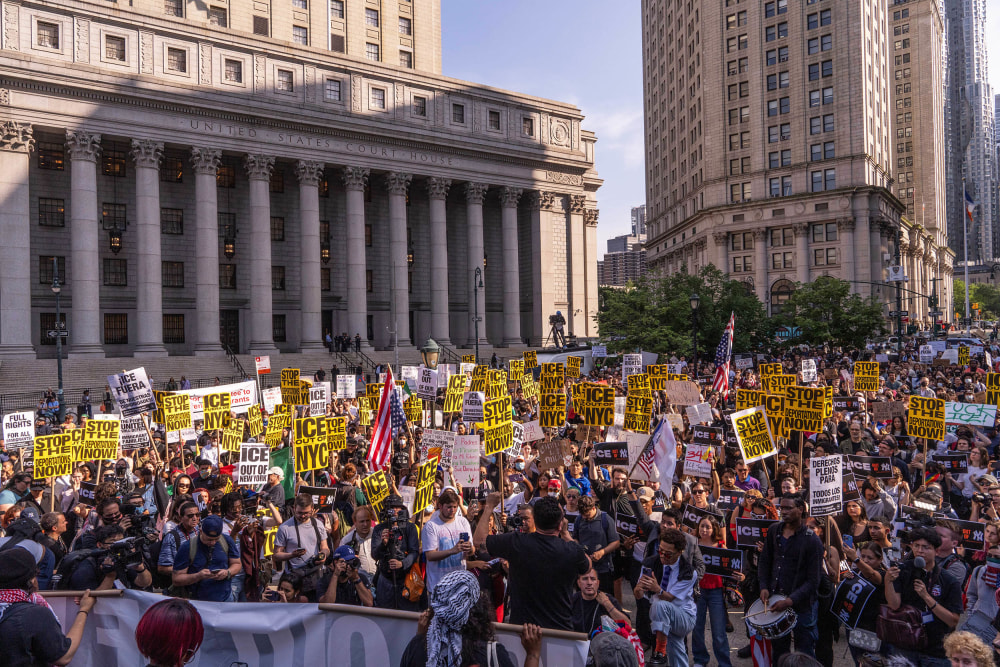
The Role of AI in Legal Aid and Documentation
Finally, the protest is moving into the realm of legal tech. In cities across the country, developers are building AI tools designed to assist immigration lawyers. These tools can parse through thousands of pages of federal regulations, automate the filing of stay-of-removal orders, and help document encounters with enforcement officers in real-time.
By leveraging AI for defense rather than surveillance, the tech community is flipping the script on federal enforcement. This “Defensive AI” represents the latest iteration of the protest, where technology is used to level the playing field and ensure that digital tools are used to protect civil liberties rather than infringe upon them. As more cities adopt these tech-forward strategies, the movement against ICE continues to evolve from simple street demonstrations into a sophisticated, multi-layered digital resistance.
aViewFromTheCave is a participant in the Amazon Services LLC Associates Program, an affiliate advertising program designed to provide a means for sites to earn advertising fees by advertising and linking to Amazon.com. Amazon, the Amazon logo, AmazonSupply, and the AmazonSupply logo are trademarks of Amazon.com, Inc. or its affiliates. As an Amazon Associate we earn affiliate commissions from qualifying purchases.