
In the landscape of modern media, few intellectual properties (IP) present as daunting a barrier to entry—or as rewarding a brand experience—as the Fate franchise. Originally conceived by Type-Moon as a visual novel, Fate has evolved into a multi-billion-dollar global brand encompassing anime, cinema, mobile gaming, and merchandising. For the modern consumer, the question “what order to watch Fate” is more than a simple query about chronological sequence; it is a case study in navigating a fragmented brand ecosystem.
Understanding how to engage with this franchise requires an analysis of brand architecture. How does a company maintain a cohesive identity when its narrative is spread across multiple timelines, studios, and media formats? For strategists and brand managers, the “Fate” watch order offers profound insights into audience onboarding, product lifecycle management, and the preservation of brand equity in a saturated market.

The Complexity of Fate’s Brand Ecosystem
The primary challenge of the Fate brand lies in its non-linear development. Unlike traditional franchises that follow a single, contiguous timeline—such as Star Wars or the Marvel Cinematic Universe—Fate operates on a “multiverse” or “route-based” logic. This structure is a direct carry-over from its origins in visual novels, where a single premise branches into three distinct narrative paths: Fate, Unlimited Blade Works, and Heaven’s Feel.
From Niche Visual Novel to Global Powerhouse
The transition from a niche interactive medium to a global media brand required a radical rethinking of consumer touchpoints. Type-Moon, alongside animation partners like Ufotable, had to decide which “product” to lead with. If a brand introduces its most complex offering first, it risks alienating the general public. If it leads with an outdated version, it fails to capture the modern aesthetic demand. This tension defines the “Fate” watch order debate.
The Narrative Fragmentation Challenge
From a brand perspective, fragmentation is usually a liability. It creates “choice paralysis” in the consumer. When a potential viewer asks where to start, they are met with a chorus of conflicting opinions. However, Type-Moon has turned this fragmentation into a strength by creating “entry tiers.” By offering different starting points, they cater to different consumer personas: the casual viewer seeking high-octane action, the “lore-hound” seeking deep world-building, and the veteran fan seeking emotional payoff.
Strategy 1: The Chronological Entry Point (Fate/Zero)
The most common recommendation for newcomers is to begin with Fate/Zero. In terms of brand strategy, this represents the “Prestige Entry.” Produced by the studio Ufotable, Fate/Zero served as a prequel to the original story but was released later in the franchise’s lifecycle. It successfully repositioned the brand from a youth-oriented fantasy to a mature, high-stakes psychological thriller.
Building Brand Authority through Prequels
Fate/Zero functions as a high-authority brand anchor. By delivering exceptional production values and a sophisticated narrative, it establishes the “premium” nature of the franchise. For a brand, starting with a prequel is a gamble; it provides context but relies on the viewer eventually moving toward the core products. In the case of Fate, Zero acts as a powerful marketing tool that builds the “lore-equity” necessary for the viewer to invest in the longer, more complex installments.
Risk Management in Historical Context
The risk of starting with Fate/Zero is the “spoiler effect.” In marketing, this is equivalent to revealing the “hook” of a product before the consumer has experienced the journey. Because Zero was written with the assumption that the audience knew the ending of the original series, it inadvertently devalues certain mystery elements of subsequent watches. However, from a modern brand perspective, the trade-off—high initial engagement versus long-term mystery—is often worth it to ensure consumer retention in the first five hours of engagement.
Strategy 2: The Core Release Path (Unlimited Blade Works)
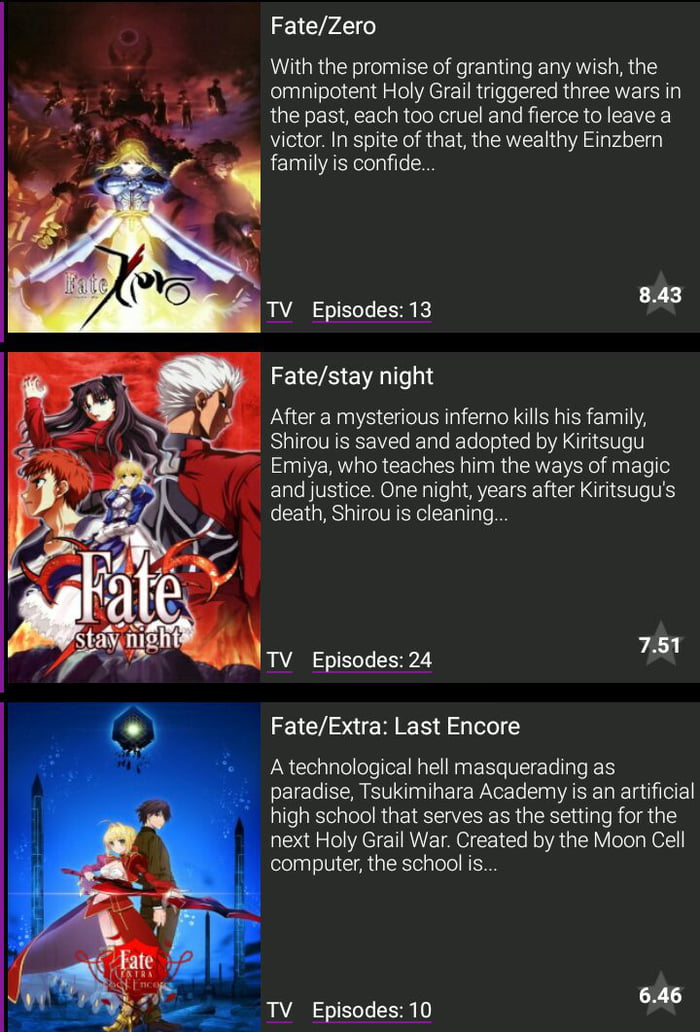
If Fate/Zero is the prestige entry, Fate/stay night: Unlimited Blade Works (the TV series) is the “Flagship Product.” This is the path that most closely aligns with the brand’s original identity while updating the “packaging” for a modern audience.
Defining the Brand Identity through Modern Aesthetics
The Unlimited Blade Works series solidified the visual language of the Fate brand. High-contrast lighting, digital particle effects, and cinematic framing became the “brand guidelines” for all future adaptations. When a brand maintains a consistent visual identity across different products, it reduces the cognitive load on the consumer. A viewer can recognize a “Fate” property instantly by its aesthetic polish, a strategy that has been instrumental in the franchise’s global expansion.
Strategic Onboarding for New Users
For many brand purists, the core release path is the only “correct” way to experience the IP. This is because it follows the intentional “information drip” designed by the creators. From a consumer psychology standpoint, this path builds a deeper emotional connection to the protagonist, which in turn increases the “lifetime value” of the fan. A fan who begins with the flagship product is more likely to purchase secondary products, such as merchandise or mobile game microtransactions, because they have undergone the intended brand journey.
The Multi-Platform Brand Expansion
Beyond the primary TV series, the Fate brand extends into cinematic releases and “alternate universe” spin-offs. This is where the brand architecture becomes truly sophisticated, utilizing different products to target specific market segments.
The Heaven’s Feel Cinematic Pivot
The Heaven’s Feel movie trilogy represents the “Expert Tier” of the brand. It is the darkest and most complex route, designed for consumers who have already “bought into” the ecosystem through the previous series. By releasing this as a high-budget theatrical trilogy, Type-Moon signaled that this was a premium experience for the core demographic. It served to reward brand loyalty while providing a spectacle that maintained the franchise’s relevance in the competitive cinematic landscape.
Spin-offs and Secondary Brand Portfolios (Fate/Grand Order)
Perhaps the most significant financial engine of the franchise is Fate/Grand Order (FGO). This mobile game operates on a “Gacha” model, which is a form of monetization that relies on character collection. The various anime spin-offs—such as Fate/Apocrypha or Fate/Grand Order: Absolute Demonic Front: Babylonia—serve as high-budget advertisements for this ecosystem. In this model, the “watch order” becomes a funnel. Every hour spent watching the anime increases the likelihood of the consumer downloading the app and contributing to the brand’s massive revenue stream.
Lessons in Brand Longevity and Audience Retention
The enduring success of the Fate series, despite its convoluted watch order, provides a blueprint for managing complex IP. It demonstrates that a brand does not necessarily need a linear path if it has a strong “Core Value Proposition”—in this case, the “Holy Grail War” concept and a roster of iconic, reimagined historical figures.
Sustaining Value Through Continuity
One of the key lessons from Fate is the power of “Interconnected Continuity.” Even when a spin-off takes place in an alternate reality, it utilizes the same brand rules, terminology, and characters. This allows the consumer to transfer their “brand knowledge” from one product to another. Once a user understands the “Saber” or “Archer” class system, they can navigate any Fate product with ease. This reduces the friction of new product adoption and encourages the consumer to “collect” experiences across the entire portfolio.

Final Recommendations for Brand Engagement
For the professional seeking to understand or enter this ecosystem, the recommended path is a balance of aesthetic appeal and narrative logic:
- Unlimited Blade Works (2014 Series): The Flagship. It establishes the brand’s visual and narrative foundation.
- Fate/Zero: The Prestige Prequel. It adds depth, stakes, and mature themes to the established foundation.
- Heaven’s Feel: The Premium Conclusion. It provides the final, high-impact payoff for the invested consumer.
- Spin-offs (Case Files, Apocrypha, etc.): The Ecosystem Expansion. These provide continued engagement once the core brand journey is complete.
In conclusion, the “Fate” watch order is a masterclass in how a brand can thrive in a state of organized chaos. By providing multiple entry points, maintaining a high standard of visual excellence, and leveraging a diverse product portfolio, Type-Moon has created a resilient brand that turns the complexity of its narrative into an asset for long-term consumer engagement. In the modern attention economy, the ability to turn a confusing “order” into a compelling “journey” is the ultimate brand strategy.
aViewFromTheCave is a participant in the Amazon Services LLC Associates Program, an affiliate advertising program designed to provide a means for sites to earn advertising fees by advertising and linking to Amazon.com. Amazon, the Amazon logo, AmazonSupply, and the AmazonSupply logo are trademarks of Amazon.com, Inc. or its affiliates. As an Amazon Associate we earn affiliate commissions from qualifying purchases.