
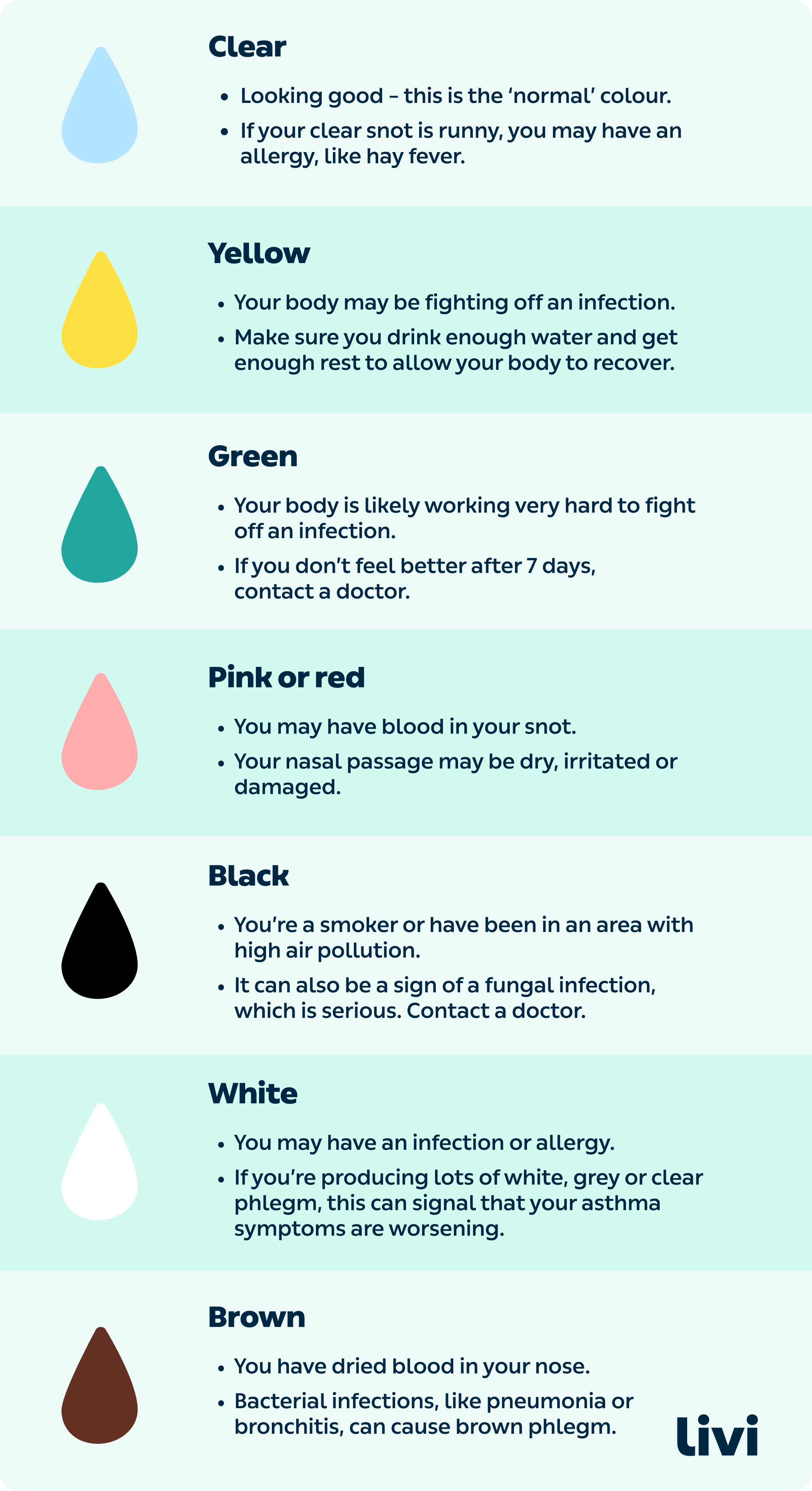
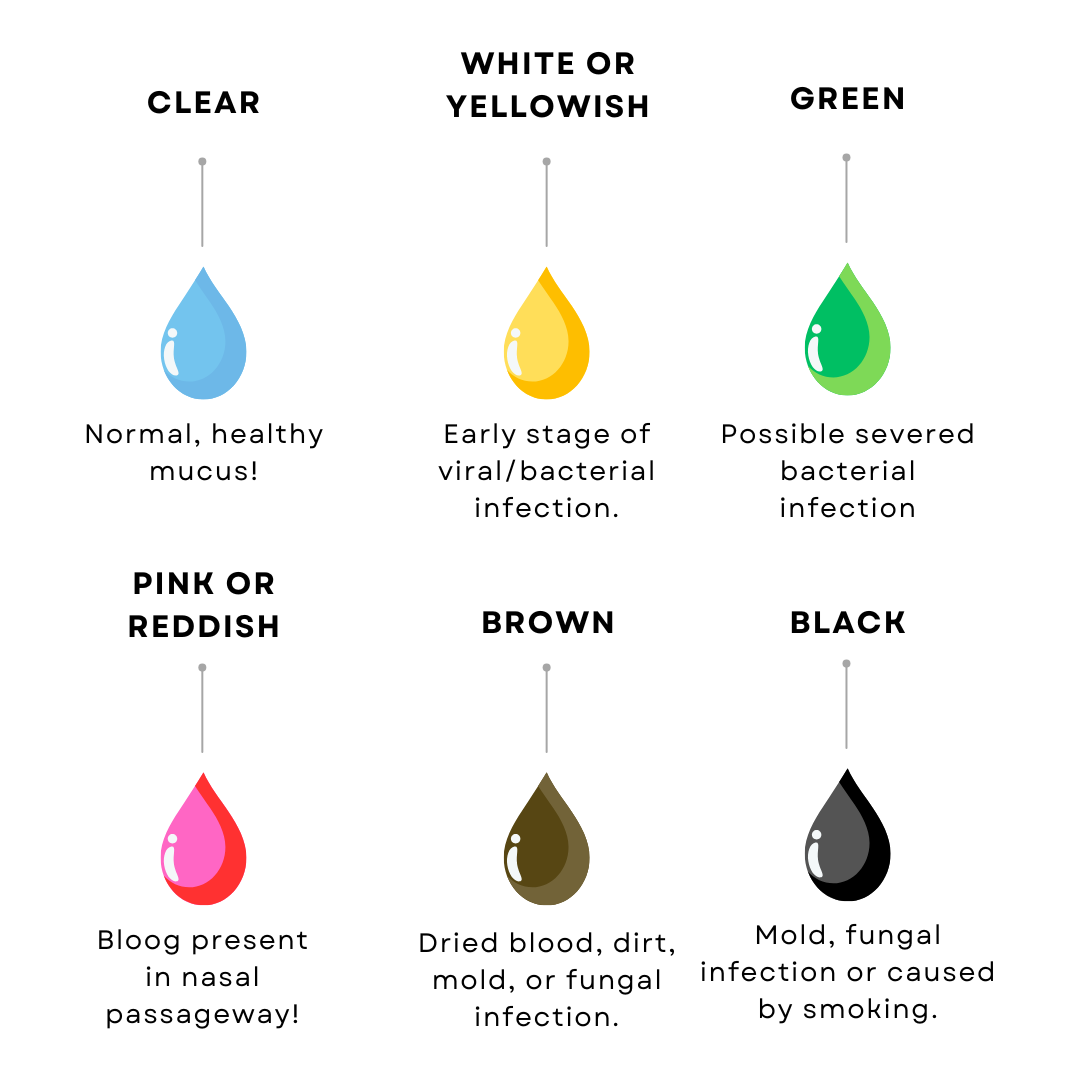
The digital health revolution has transitioned from simple step-counting wearables to sophisticated diagnostic tools capable of interpreting complex biological data. Among the most promising developments in this space is the use of artificial intelligence and computer vision to analyze physical symptoms that were previously left to subjective human observation. When we discuss “what mucus color means” in a modern technological context, we are not merely talking about traditional medical charts; we are discussing the integration of machine learning, multispectral imaging, and cloud-based diagnostic software designed to provide real-time health insights.
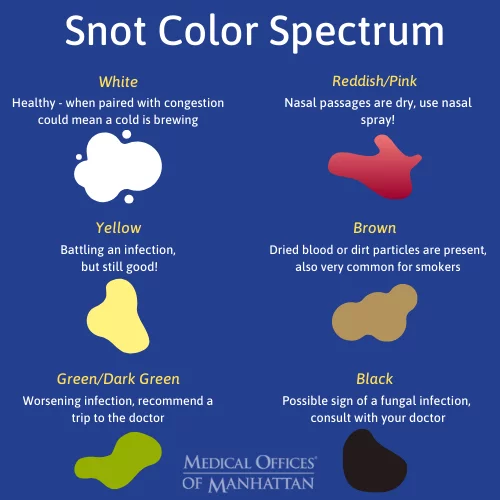
This intersection of biology and technology represents a massive shift in how software interfaces with the human body. By leveraging advanced image processing algorithms, developers are creating tools that can categorize biological markers with a level of precision that exceeds the naked eye. This technological evolution is redefining the first point of contact in the patient journey, moving it from the clinic to the smartphone.
The Algorithmic Interpretation of Biological Data
The core of digital diagnostic technology lies in the ability of software to transform visual input into actionable data. For a machine to understand what mucus color means, it must first be trained on massive datasets that account for a wide range of variables, including lighting conditions, camera sensor quality, and the physiological nuances of the sample itself.
Computer Vision and Chromatic Analysis
Computer vision, a subset of artificial intelligence, is the primary driver behind modern symptom-checking apps. To analyze biological samples, these apps utilize Convolutional Neural Networks (CNNs). A CNN is specifically designed to process pixel data, allowing the software to identify patterns in color and texture. When a user captures an image, the software performs a chromatic analysis, breaking down the image into its RGB (Red, Green, Blue) or HEX values.
The challenge for tech developers is “color constancy.” A sample of mucus might appear yellow under an incandescent bulb but green under a fluorescent light. To solve this, developers implement white-balance correction algorithms and reference cards—physical markers that the user includes in the photo—to calibrate the software against the environment. This ensures that the AI correctly identifies whether a sample indicates a viral infection, an allergic reaction, or a healthy baseline.
Training Models on Pathogenic Indicators
The “intelligence” in AI-driven diagnostics comes from supervised learning. Tech companies collaborate with medical institutions to feed millions of labeled images into their models. For instance, a model is shown thousands of images labeled as “clear,” “yellow/green,” or “reddish-brown.” Over time, the AI learns to associate specific hues and viscosities with specific health states.
This technological approach moves beyond simple color matching. Advanced models are now being trained to detect subtle changes in opacity and the presence of specific debris within the sample. By identifying these microscopic markers through high-resolution mobile camera sensors, the software can provide a much more nuanced interpretation than a traditional text-based symptom checker.
Software Architectures in Modern Symptom Checkers
Developing an application that can accurately interpret biological data requires a robust software architecture that prioritizes speed, accuracy, and user accessibility. The “What Mucus Color Means” diagnostic pipeline typically involves a mix of on-device processing and cloud-based analysis.
Real-Time Processing and Edge Computing
One of the biggest trends in HealthTech is edge computing—processing data directly on the user’s device rather than sending it to a central server. This is crucial for diagnostic tools for two reasons: privacy and latency. By using frameworks like TensorFlow Lite or Core ML, developers can run complex neural networks locally on a smartphone’s NPU (Neural Processing Unit).
When a user opens a diagnostic app, the software performs real-time edge processing to guide the user in capturing the perfect image. The UI might provide a “bounding box” that only turns green when the lighting and focus are optimal. This immediate feedback loop is made possible by the high-performance hardware found in modern flagship gadgets, which are now capable of trillions of operations per second.
The Integration of Large Language Models (LLMs)
While computer vision identifies the color, Large Language Models (LLMs) are being used to provide the context. Once the visual data is processed, the app’s backend integrates this with the user’s reported symptoms (such as fever, duration, or cough type) using natural language processing (NLP).
The software doesn’t just output a color name; it generates a comprehensive digital report. This report uses generative AI to explain the findings in a professional, empathetic tone, while simultaneously flagging potential red-flag symptoms that require immediate human intervention. This synthesis of visual AI and linguistic AI represents the current gold standard in diagnostic software.
Security Protocols for Sensitive Biological Telemetry
As with any technology that handles biological or medical data, security is the paramount concern. The transition of “what mucus color means” from a private health concern to a data point in a software ecosystem necessitates rigorous digital security measures.
End-to-End Encryption in HealthTech
When biological images or diagnostic results are transmitted to the cloud for deeper analysis or storage in a Personal Health Record (PHR), they must be protected by end-to-end encryption (E2EE). This ensures that only the user and their authorized healthcare provider can access the data. In the tech industry, this is often implemented using AES-256 encryption standards, which are virtually impenetrable to current brute-force hacking methods.
Furthermore, developers must ensure that the software is compliant with international regulations such as HIPAA in the United States or GDPR in the European Union. Compliance isn’t just about legal adherence; it’s a technical challenge that involves implementing strict access controls, audit logs, and data de-identification processes so that the images used for AI training cannot be traced back to an individual user.
Decentralized Data Storage and Privacy
A burgeoning trend in the tech space is the use of decentralized storage and “zero-knowledge proofs” for health data. Instead of storing all diagnostic images on a single corporate server—which creates a “honeypot” for hackers—some innovative apps are exploring blockchain-based solutions. In this model, the data is encrypted and fragmented across a network, or the analysis is performed using “Federated Learning.”
In Federated Learning, the AI model travels to the user’s device, learns from the data locally, and then sends only the “learning” back to the central server without ever touching the actual image of the biological sample. This allows the tech to get smarter and better at identifying what mucus color means without ever compromising the user’s visual privacy.
The Hardware Revolution: From Smartphones to Specialized Sensors
While software is the brain of the operation, hardware is the eyes. The evolution of mobile camera technology has been the single greatest enabler of at-home digital diagnostics.
Multispectral Imaging in Consumer Gadgets
Standard smartphone cameras work in the visible light spectrum. However, some tech companies are developing clip-on peripherals or specialized sensors that utilize multispectral imaging. This technology looks at wavelengths of light beyond what the human eye can see, such as infrared or ultraviolet.
By analyzing how different biological components reflect these wavelengths, the hardware can detect chemical compositions within a sample. For instance, the presence of specific enzymes or proteins can change the light-reflective properties of mucus, allowing a smartphone-connected sensor to differentiate between a common cold and a bacterial infection with a high degree of sensitivity.
The Rise of Bio-Sensing Wearables
Beyond the smartphone camera, we are seeing the rise of dedicated bio-sensors. Some startups are working on “smart tissues” or disposable diagnostic kits that interface with a smartphone via NFC (Near Field Communication) or Bluetooth. These gadgets use chemical reagents that change color when they react with specific pathogens. The user then uses the app to “scan” the result. This combines the reliability of traditional lab chemistry with the speed and data-tracking capabilities of modern software, providing a clear digital record of health trends over time.
Navigating the Ethical Landscape of Automated Diagnosis
The ability of an AI tool to tell a user what mucus color means brings significant ethical and technical responsibilities. The “black box” nature of AI—where the reasoning behind a decision isn’t always clear to the user—is a major hurdle in the tech sector.
To address this, developers are moving toward “Explainable AI” (XAI). Instead of a simple “Your mucus is green, you likely have an infection” output, the software provides the data points it used to reach that conclusion, such as the specific hue detected and how it compares to the baseline. This transparency builds trust and helps users understand that while the tool is a powerful assistant, it is part of a broader health ecosystem.
As AI continues to advance, the focus will shift toward predictive analytics. By analyzing historical data of symptom patterns across a population, these tech tools will eventually be able to predict local outbreaks of flu or other respiratory illnesses before they reach a peak. In this way, a single data point—the color of a sample—becomes part of a massive, global network of digital health intelligence, showcasing the true power of modern technology to transform our understanding of the human body.
aViewFromTheCave is a participant in the Amazon Services LLC Associates Program, an affiliate advertising program designed to provide a means for sites to earn advertising fees by advertising and linking to Amazon.com. Amazon, the Amazon logo, AmazonSupply, and the AmazonSupply logo are trademarks of Amazon.com, Inc. or its affiliates. As an Amazon Associate we earn affiliate commissions from qualifying purchases.