
South Carolina’s identity is inextricably linked to its military presence. From the coastal marshes of Beaufort to the heart of the Midlands in Columbia, the state hosts several of the nation’s most vital strategic installations. However, for investors, business owners, and financial planners, these bases represent more than just national security; they are the primary engines of a $34 billion annual economic impact. Understanding which military bases are in South Carolina—and the specific financial ecosystems they support—is essential for anyone looking to capitalize on the stability and growth of the Palmetto State’s economy.
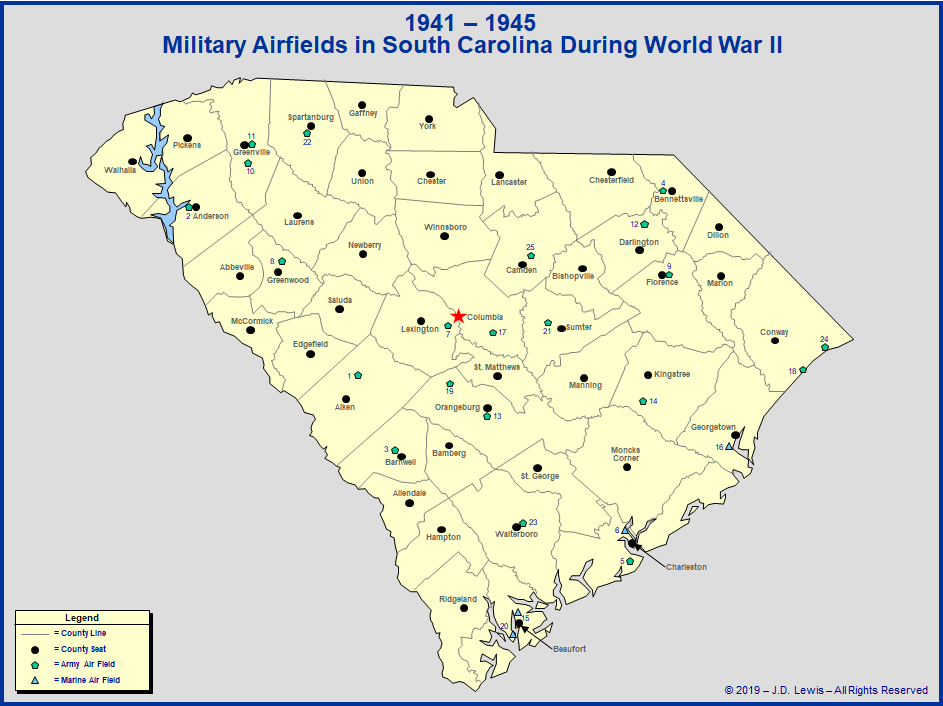
The military sector is the state’s largest employer, supporting over 250,000 jobs directly and indirectly. This creates a unique financial landscape characterized by recession-resistant real estate markets, a robust government contracting sector, and a steady influx of federal capital that fuels local small businesses.
The Financial Powerhouse: Major Installations and Their Local Impact
South Carolina is home to eight major military installations, each serving as a cornerstone for local and regional financial health. These bases act as “anchor institutions,” providing a level of fiscal stability that few other industries can match.
Fort Jackson: The Midlands’ Economic Cornerstone
Located in Columbia, Fort Jackson is the U.S. Army’s largest and most active Initial Entry Training center. It trains roughly 50% of all soldiers entering the Army and about 60% of all women entering the service each year. From a financial perspective, Fort Jackson is a “graduation economy.” Every week, thousands of family members fly into Columbia, stay in local hotels, dine in restaurants, and shop in retail centers. This consistent churn of visitor spending provides a reliable revenue stream for the hospitality and service sectors in the Midlands.
Joint Base Charleston: A Multi-Modal Financial Engine
Joint Base Charleston (JBC) is perhaps the most economically diverse installation in the state. Comprising the Charleston Air Force Base and the Naval Support Activity, JBC supports over 60,000 jobs. Its proximity to the Port of Charleston and the Boeing 787 Dreamliner assembly plant creates a synergistic financial environment where defense, aerospace, and global logistics converge. For investors, JBC represents a nexus of high-wage federal employment and private-sector industrial growth, driving up property values and demand for professional services.
Shaw Air Force Base and the Sumter Economy
Located in Sumter, Shaw Air Force Base is home to the 20th Fighter Wing and U.S. Army Central (ARCENT). The base is the lifeblood of Sumter County, contributing over $2 billion annually to the regional economy. The financial stability of the area is heavily tied to the Department of Defense (DoD) payroll. For small business owners in the region, the predictable spending power of active-duty personnel and federal civilian employees offers a protective hedge against broader market downturns.
Marine Corps Recruit Depot Parris Island and MCAS Beaufort
In the Lowcountry, the Marine Corps presence is the primary driver of economic activity outside of tourism. Parris Island is legendary for making Marines, but it also makes a significant financial mark, attracting hundreds of thousands of visitors annually for graduation ceremonies. Nearby, Marine Corps Air Station (MCAS) Beaufort houses the F-35B Lightning II training squadrons. The high-tech nature of modern aviation brings specialized contractors and high-income technical roles to the Beaufort area, bolstering the local tax base and luxury real estate market.
Real Estate Opportunities: Investing in Military Communities
For real estate investors and personal finance enthusiasts, the presence of a military base in a South Carolina town is often a green light for acquisition. Military towns offer unique advantages that are highly sought after in a wealth-building strategy.
The Stability of Rental Markets and the BAH Factor
The primary financial driver in military real estate is the Basic Allowance for Housing (BAH). This is a tax-free stipend provided to service members to cover their housing costs. For a landlord, the BAH represents a guaranteed, government-backed source of rent. Because South Carolina bases like Fort Jackson and Joint Base Charleston have a constant rotation of personnel, the vacancy rates in surrounding neighborhoods tend to stay significantly lower than the national average. Investors often target “entry-level” homes that align with the BAH rates of mid-level enlisted personnel (E-5 to E-7), ensuring a steady stream of qualified tenants.

Appreciation and the Defense Growth Nexus
Properties located near South Carolina’s military installations often see steady appreciation. As the DoD continues to invest in infrastructure—such as the massive upgrades currently underway at MCAS Beaufort for the F-35 program—the surrounding land becomes more valuable. Furthermore, the “buffer zones” required for flight paths and training ranges often limit the supply of new housing, creating a natural scarcity that pushes property values upward over the long term.
Short-Term vs. Long-Term Gains
While long-term rentals are the standard, the “graduation economy” mentioned earlier presents a lucrative opportunity for short-term rental (STR) investors. In Columbia and Beaufort, savvy investors utilize platforms like Airbnb to cater to families visiting for military graduations. These visitors often prefer the comfort of a home over a hotel, allowing property owners to command premium nightly rates that far exceed traditional monthly rent.
Business and Procurement: Tapping into Federal Spending
The financial impact of South Carolina’s military bases extends far beyond the payroll of the soldiers and airmen. The Department of Defense spends billions of dollars annually on contracts for goods and services, ranging from construction and IT support to landscaping and catering.
Government Contracting for South Carolina Entrepreneurs
Small businesses in South Carolina have a distinct advantage when it comes to federal procurement. The government often sets aside a percentage of contracts specifically for small businesses, veteran-owned businesses, and women-owned businesses. By registering in the System for Award Management (SAM.gov), local entrepreneurs can bid on “set-aside” contracts that provide long-term, stable revenue. Whether it’s a roofing company in Sumter or a cybersecurity firm in Charleston, the military bases provide a massive, reliable customer base that is immune to local retail trends.
The Defense Industrial Base and Innovation
South Carolina has successfully positioned itself as a hub for the “Defense Industrial Base.” This refers to the network of private companies that design, produce, and maintain military equipment. The state government offers various financial incentives for defense contractors to relocate or expand within its borders. This has led to a clustering of high-tech firms in the “Silicon Harbor” of Charleston and near the research facilities in the Upstate and Midlands. For investors, these companies represent a sector of the equity market that is buoyed by federal defense appropriations, providing a “defensive” posture for an investment portfolio.
Financial Resources and Wealth Building for Service Members and Veterans
South Carolina is widely recognized as one of the most military-friendly states in the union from a tax and financial planning perspective. This reputation makes the state a magnet for military retirees, who bring their pensions and expertise back into the local economy.
Tax Advantages and Incentives
In a significant move for personal finance, South Carolina recently passed legislation to exempt all military retirement pay from state income tax. This policy change has made the state an incredibly attractive destination for veterans looking to maximize their net worth in retirement. For a retiree, this can mean thousands of dollars in annual tax savings, which can then be reinvested into local businesses, real estate, or the stock market.
Leveraging the VA Loan in the SC Market
The VA Loan is one of the most powerful financial tools available to those stationed at South Carolina bases. With zero down payment requirements and no private mortgage insurance (PMI), service members can enter the South Carolina real estate market with very little capital. Many savvy service members use a strategy known as “house hacking,” where they purchase a multi-family property or a home with extra rooms, live in one part, and rent out the others. In high-growth areas like North Charleston or Lexington, this allows them to build equity and cash flow while their primary housing expense is covered by the government.

The Ecosystem of Veteran-Owned Businesses
The transition from military service to entrepreneurship is a common path in South Carolina. The state offers numerous financial resources, such as the South Carolina Veteran Business Outreach Center (VBOC), which provides access to capital, business mentoring, and financial planning. These businesses often form a tight-knit network, trading with one another and the bases they once served, creating a self-sustaining cycle of wealth within the veteran community.
In conclusion, when asking “what military base is in South Carolina,” the answer is a roadmap to the state’s most stable and prosperous financial sectors. From the massive federal payrolls that sustain local retail to the sophisticated defense contracts that drive technological innovation, these installations are the bedrock of the Palmetto State’s economy. Whether you are an investor looking for stable rental yields, a business owner seeking government contracts, or a veteran looking to maximize retirement wealth, the military presence in South Carolina offers a wealth of opportunities that are as diverse as they are resilient.
aViewFromTheCave is a participant in the Amazon Services LLC Associates Program, an affiliate advertising program designed to provide a means for sites to earn advertising fees by advertising and linking to Amazon.com. Amazon, the Amazon logo, AmazonSupply, and the AmazonSupply logo are trademarks of Amazon.com, Inc. or its affiliates. As an Amazon Associate we earn affiliate commissions from qualifying purchases.