
In the mid-1990s, the computing landscape was undergoing a seismic shift. Software was becoming more complex, digital photography was in its infancy, and the early internet was beginning to introduce users to larger file downloads. However, the standard method for moving data between computers remained the humble 3.5-inch floppy disk. With a capacity of just 1.44 megabytes, the floppy disk was rapidly becoming an obsolete bottleneck. Into this vacuum stepped Iomega with the Zip disk—a revolutionary storage solution that would define an era of computing before eventually succumbing to the relentless pace of technological advancement.
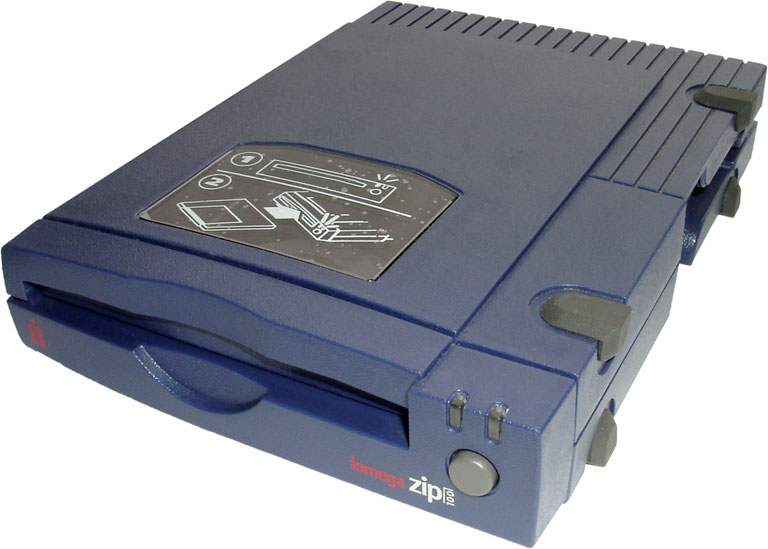
The Evolution of Personal Data Storage: Enter the Zip Disk
To understand what a Zip disk is, one must first understand the limitations of the era in which it was born. In 1994, when Iomega launched the Zip system, a single high-resolution image or a short audio clip could easily exceed the capacity of a standard floppy. Users were forced to use “disk spanning” software to split large files across a dozen or more floppies, a process that was both tedious and prone to data corruption.
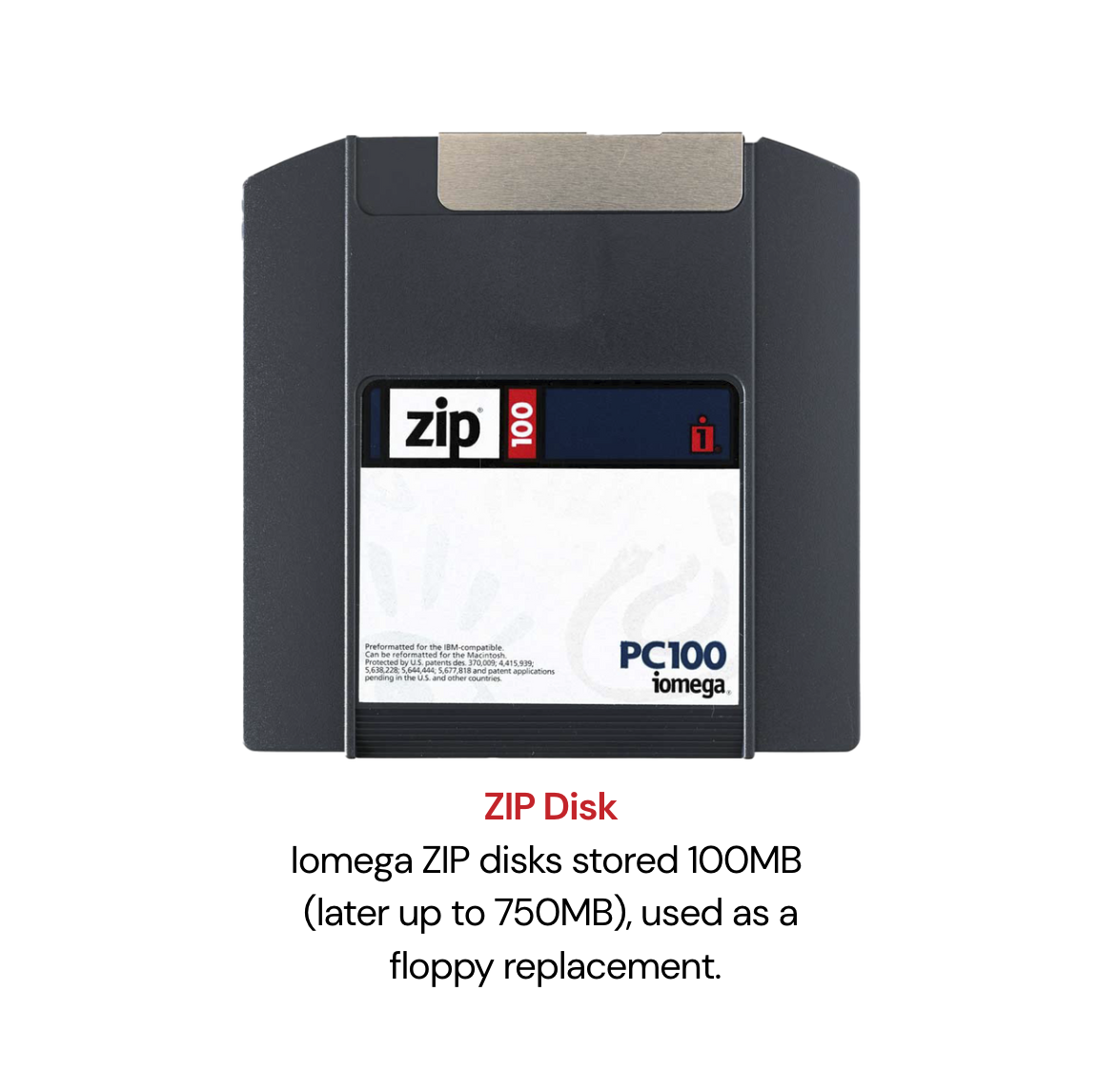
The Zip disk was a high-capacity, removable floppy disk storage system. While it looked like a slightly thicker, sturdier version of a 3.5-inch floppy, its internal mechanics were far more sophisticated. Unlike the standard floppy, which spun at a relatively slow speed, the Zip disk utilized a combination of advanced magnetic coating and high-speed rotational mechanics borrowed from hard drive technology.
Bridging the Gap from the Floppy
The primary appeal of the Zip disk was its massive leap in capacity. The initial version launched with 100 megabytes of storage. At the time, this was a staggering amount of space—the equivalent of approximately 70 standard floppy disks. For the first time, users could back up entire directories, store large graphic design files, and transport meaningful amounts of data in their pockets.
Iomega positioned the Zip drive as the “super-floppy.” It was designed to be user-friendly, with external drives that could be plugged into a computer’s parallel or SCSI port. The disks themselves were housed in a rugged plastic shell, available in various colors, which helped give the product a “cool” factor that was rare for computer peripherals in the 90s.
The Engineering Behind the Disk
The technology inside a Zip disk was a hybrid of floppy and hard disk principles. The “media” inside was a flexible Mylar disk, similar to a floppy, but it was coated with a high-coercivity magnetic material. The drive heads were much smaller and flew closer to the surface of the disk than those in a standard floppy drive.
To achieve high stability at high speeds, Iomega utilized the Bernoulli principle. As the disk spun, the airflow created a localized vacuum that pulled the flexible media toward the read/write head. This allowed for much higher data density and faster seek times. When the disk stopped spinning, the media would fall away from the head, reducing the risk of a “head crash,” which was a common failure point for traditional hard drives of the time.
Why the Zip Disk Redefined Productivity in the 90s
The Zip disk did not just provide more space; it changed how professionals worked. In the creative industries—graphic design, desktop publishing, and audio engineering—the Zip disk became the industry standard.
High Capacity for the Multimedia Age
As Adobe Photoshop and QuarkXPress became staples of the creative workflow, file sizes ballooned. A single project with multiple layers and high-resolution assets could easily reach 50MB. Before the Zip disk, moving these files to a service bureau for printing meant lugging a heavy external hard drive or using expensive SyQuest cartridges. The Zip disk offered a portable, relatively inexpensive alternative.
Furthermore, the Zip disk played a crucial role in the early days of digital audio. Musicians using digital multi-track recorders found that Zip disks were perfect for storing song takes and samples. The 100MB capacity was enough to hold several minutes of high-quality uncompressed audio, making it a favorite for home studio enthusiasts and professional producers alike.
Portability and Professional Adoption
The success of the Zip drive was largely due to Iomega’s aggressive marketing and the drive’s portability. The external Zip drive was small enough to fit in a briefcase, allowing workers to take their digital lives between the office and home. By the late 90s, many computer manufacturers, including Apple and Dell, began offering internal Zip drives as optional or even standard equipment. For a brief window, it appeared that the Zip disk would officially replace the 1.44MB floppy as the universal standard for data exchange.
Technical Specifications and Drive Variants
As the needs of users grew, Iomega evolved the Zip platform. The technology went through several iterations, each attempting to keep pace with the increasing size of hard drives and the demands of modern software.
The 100MB, 250MB, and 750MB Generations
The original 100MB Zip disk remained the most popular throughout the product’s lifecycle. However, in 1998, Iomega introduced the 250MB Zip drive. This new version was backward compatible, meaning it could read and write to the older 100MB disks, although writing to them was significantly slower.
In 2002, the final evolution arrived: the 750MB Zip drive. By this point, the Zip disk was competing with the CD-R, which offered 700MB of storage. While the 750MB Zip drive was technically superior in terms of rewriteability and speed, it arrived just as the market was shifting toward optical media and early USB flash storage.
Connectivity: From SCSI to USB
One of the Zip drive’s strengths was its versatility in connectivity. Early models relied on SCSI (Small Computer System Interface), which was fast but required specialized cards for PCs. The most common consumer version used the Parallel port (the printer port), which was notoriously slow but present on almost every PC. Later, as USB technology emerged, Iomega released USB versions of the Zip drive, which finally provided the “plug-and-play” convenience that users had long desired.
The “Click of Death” and the Beginning of the End
Despite its dominance, the Zip disk’s reputation was dealt a severe blow by a hardware failure that became known in the tech community as the “Click of Death.”
Understanding the Mechanical Failure
The Click of Death was a phenomenon where the Zip drive would make a repeated clicking sound, often followed by the total loss of data on the disk. The sound was caused by the read/write heads misaligning and snapping back to their home position. In some cases, a misaligned head in a “sick” drive would physically damage the magnetic media of a disk. If that damaged disk was then inserted into a “healthy” drive, it could catch and misalign the heads of the new drive, effectively spreading the failure like a virus.
The resulting backlash and a high-profile class-action lawsuit significantly tarnished Iomega’s brand. While the company eventually addressed the manufacturing flaws, the era of unquestioned trust in the Zip disk had ended.
Market Competition and the Rise of the CD-R
Even without the Click of Death, the Zip disk faced a mounting threat: the falling price of CD-R (Compact Disc-Recordable) technology. While a Zip disk cost between $10 and $15, a blank CD-R eventually dropped to less than a dollar. CDs offered 700MB of storage and could be read by almost any computer with a standard CD-ROM drive, eliminating the need for everyone to own a specialized Iomega drive.
By the early 2000s, the arrival of the USB flash drive (or “thumb drive”) provided the final blow. Flash drives were smaller, had no moving parts, required no special drivers, and quickly surpassed Zip disks in both capacity and speed.
The Legacy of the Zip Disk in Modern Computing
Today, the Zip disk is a piece of “retro-tech,” a nostalgic relic for those who grew up during the transition from the analog to the digital world. However, its impact on the history of technology remains significant.
Retro-Computing and Data Preservation
For many vintage computer enthusiasts, the Zip drive remains a vital tool. It is often the easiest way to move files onto “bridge” machines—older computers that are being restored but lack modern internet connectivity or USB support. Digital archivists also frequently encounter Zip disks when recovering data from the 1990s, requiring specialized knowledge to safely extract data before the aging magnetic media degrades.

Lessons for Modern Cloud and SSD Technology
The story of the Zip disk serves as a case study in the lifecycle of proprietary technology. It demonstrated the massive demand for portable, high-capacity storage, a demand that is now met by cloud services like Google Drive and physical hardware like NVMe SSDs.
The Zip disk proved that users were willing to pay for convenience and capacity, but it also highlighted the dangers of proprietary formats. When a storage solution requires a specific, expensive drive that is prone to mechanical failure, it is always vulnerable to more open or robust standards.
In the grand timeline of technology, the Zip disk was a bright flash—a crucial bridge that helped the world move beyond the floppy disk. While it may no longer be a part of our daily workflows, its role in enabling the multimedia revolution of the 1990s ensures its place in the hall of fame of computing history.
aViewFromTheCave is a participant in the Amazon Services LLC Associates Program, an affiliate advertising program designed to provide a means for sites to earn advertising fees by advertising and linking to Amazon.com. Amazon, the Amazon logo, AmazonSupply, and the AmazonSupply logo are trademarks of Amazon.com, Inc. or its affiliates. As an Amazon Associate we earn affiliate commissions from qualifying purchases.