
In the hyper-competitive landscape of athletic apparel, few names have ascended as rapidly or as distinctively as YoungLA. While industry giants like Nike and Adidas rely on multi-decade legacies and massive retail footprints, YoungLA has carved out a dominant position through a masterful blend of influencer integration, scarcity-based marketing, and a raw, authentic brand identity. To understand “what is YoungLA” is to understand the modern blueprint for a successful direct-to-consumer (DTC) brand in the digital age. It is not merely a clothing line; it is a case study in how personal branding and community-centric marketing can disrupt a market saturated by corporate giants.

The Genesis and Identity of YoungLA: Beyond Traditional Activewear
YoungLA was founded in Los Angeles by brothers Dashmeet and Gurmer Singh. The brand’s origin story is rooted in a specific observation of the fitness market: there was a gap between high-end, overpriced performance gear and generic, ill-fitting gym clothes. The founders sought to create apparel that mirrored the lifestyle of the modern bodybuilder and fitness enthusiast—clothing that was functional for high-intensity training but stylish enough for “lifestyle” wear.
From Niche Start to Industry Mainstay
Initially, the brand focused on small-batch production, catering almost exclusively to the bodybuilding subculture. This narrow focus allowed the brand to perfect its “fit.” In the fitness world, “fit” is the primary currency. YoungLA understood that their target demographic wanted clothing that accentuated their physique—tapered waists, hugged sleeves, and specific inseams that highlighted leg development. By solving these specific aesthetic problems, the brand built a foundation of trust before ever attempting to scale.
Defining the “YoungLA Aesthetic”
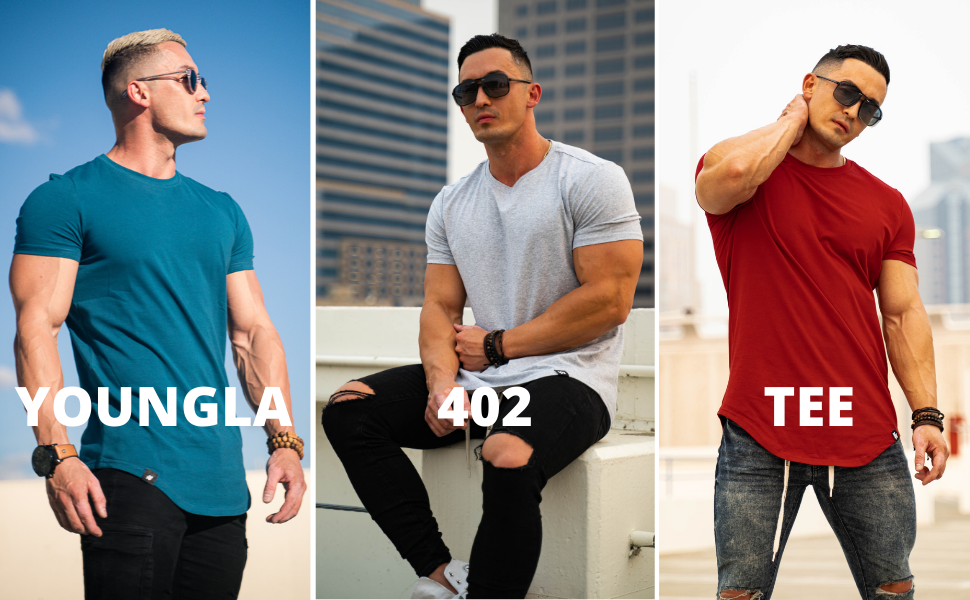
The brand identity of YoungLA is defined by its “raw” and “edgy” aesthetic. Unlike the polished, clean-cut imagery of Lululemon or the high-performance technicality of Under Armour, YoungLA leans into the grit of the gym. Their design language often incorporates vintage washes, oversized silhouettes, and bold, streetwear-inspired graphics. This pivot toward “athleisure-meets-streetwear” allowed the brand to transcend the walls of the weight room. Today, the brand is recognizable by its minimalist “LA” block logo, which has become a badge of membership in a global fitness community.
The Influencer Engine: Redefining Fitness Marketing
If brand identity is the soul of YoungLA, influencer marketing is the engine. YoungLA did not invent influencer marketing, but they arguably perfected the “roster” model. Rather than engaging in one-off sponsored posts, YoungLA builds long-term, symbiotic relationships with athletes who possess high engagement and distinct personalities.
The Roster Strategy: Cultivating Brand Ambassadors
The “YoungLA Athlete” is a specific archetype. They aren’t just people with impressive physiques; they are content creators with loyal, often fanatical, fanbases. Icons such as Noel Deyzel, Jerdani Kraja, and many others provide the brand with more than just a face; they provide a narrative. By signing these athletes to long-term contracts and involving them in the design process, YoungLA ensures that the marketing feels organic. When an athlete promotes a new “drop,” it isn’t perceived as a commercial; it is seen as a recommendation from a trusted mentor or peer.
The Power of Authenticity in Social Proof
The brand’s marketing strategy excels because it leverages the “parasocial” relationships between creators and their audiences. In an era where consumers are increasingly cynical about traditional advertising, YoungLA relies on the authenticity of its athletes. These influencers document their lives, their struggles, and their training—all while wearing the brand. This creates a powerful form of social proof. The consumer isn’t just buying a pair of “Perfect Joggers”; they are buying into the lifestyle and values represented by the athletes who wear them.
Operational Excellence and the “Drop” Culture Model
A critical component of YoungLA’s brand strategy is the use of “drops.” Instead of maintaining a static inventory that is always available, the brand releases new collections in highly publicized, synchronized events. This strategy, borrowed from high-fashion and streetwear brands like Supreme, has been revolutionary for the fitness apparel sector.
Scarcity as a Psychological Lever
The drop model creates an environment of artificial scarcity. By announcing the exact time and date of a release, YoungLA builds immense anticipation. This generates a “gold rush” effect where items often sell out within minutes of going live. From a brand strategy perspective, this accomplishes two things: it maintains high demand and it ensures that inventory turnover is incredibly rapid. It also elevates the perceived value of the products; owning a piece from a limited drop becomes a status symbol within the community.
Navigating Rapid Scaling and Inventory Management
While the drop model is effective for marketing, it presents significant operational challenges. YoungLA has had to scale its logistics and supply chain at an unprecedented rate. The brand’s ability to manage frequent releases—often consisting of dozens of new SKUs—requires a highly agile design and manufacturing process. Their success in this area is a testament to their corporate identity as a fast-moving, digitally-native entity that can pivot based on real-time data and customer feedback.
Brand Community: Turning Customers into Advocates
The ultimate goal of any brand strategy is to move a customer from a single purchase to long-term advocacy. YoungLA has achieved this by fostering a sense of belonging that extends far beyond the transaction. They have successfully created a “tribe.”
Engagement Beyond the Transaction
YoungLA utilizes social media platforms—specifically Instagram, TikTok, and YouTube—not just as broadcasting tools, but as engagement hubs. They frequently interact with comments, share user-generated content, and host giveaways. This two-way communication makes the customer feel seen and valued. Furthermore, the brand often hosts “meet and greets” and pop-up events at major fitness expos like the Arnold Classic or the Olympia. These physical touchpoints allow the digital community to manifest in the real world, solidifying the emotional connection to the brand.
The Role of Event Marketing and Pop-ups
In 2022 and 2023, YoungLA’s presence at fitness conventions became a spectacle of brand power. Their booths often saw the longest lines in the venue, with fans waiting hours just to meet the athletes and buy exclusive merchandise. This level of dedication is rare in the corporate world. It demonstrates that YoungLA has transitioned from a vendor of gym clothes to a cultural curator. They are selling an identity, and the apparel is the uniform of that identity.
Strategic Diversification: Vertical and Horizontal Growth
As YoungLA matures, its brand strategy is shifting toward diversification. To maintain its growth trajectory, the brand must expand its reach without diluting the core identity that made it successful in the first place.
Expanding the Product Ecosystem
YoungLA has moved aggressively into various sub-niches. This includes “YoungLA For Her,” a women’s line designed to capture a market previously dominated by brands like Gymshark and Alphalete. They have also expanded into accessories, lifting gear, and even footwear. By becoming a “one-stop shop” for the fitness lifestyle, they increase the lifetime value of each customer. Each new product line is marketed with the same influencer-led, drop-based strategy, ensuring a consistent brand experience across all verticals.
Professionalism and Corporate Maturity
As the brand scales toward a multi-hundred-million-dollar valuation, there is an evident shift toward greater professionalization. While they maintain their “disruptor” spirit, their marketing assets, website user experience, and customer service operations have become increasingly sophisticated. This evolution is necessary to compete with established legacy brands. YoungLA is currently in a transition phase, moving from a “scrappy startup” to a “corporate powerhouse,” all while attempting to keep its “cool” factor—a notoriously difficult balance to strike in brand management.

Future Outlook: Sustaining Momentum in a Saturated Market
The future of YoungLA will depend on its ability to innovate and stay ahead of rapidly changing fashion trends. The “influencer-led DTC” model is being adopted by many competitors, meaning YoungLA must continue to find new ways to differentiate itself.
One potential path is deeper integration into the lifestyle and wellness space. As fitness becomes more holistic, incorporating recovery, mental health, and nutrition, YoungLA has the opportunity to expand its brand promise. Whether through technological integration in their apparel or expanding into physical spaces like branded gyms or recovery centers, the potential for brand extension is significant.
In conclusion, YoungLA is much more than a successful apparel brand; it is a masterclass in modern brand building. By prioritizing community over traditional advertising, leveraging the power of personal branding through influencers, and utilizing psychological triggers like scarcity and exclusivity, they have rewritten the rules of the fitness industry. For entrepreneurs and marketers, YoungLA serves as a reminder that in the digital age, the most valuable currency a brand can possess is a genuine, unfiltered connection with its audience. YoungLA didn’t just build a company; they built a movement, and in doing so, they have defined what it means to be a powerhouse brand in the 21st century.
aViewFromTheCave is a participant in the Amazon Services LLC Associates Program, an affiliate advertising program designed to provide a means for sites to earn advertising fees by advertising and linking to Amazon.com. Amazon, the Amazon logo, AmazonSupply, and the AmazonSupply logo are trademarks of Amazon.com, Inc. or its affiliates. As an Amazon Associate we earn affiliate commissions from qualifying purchases.