
In the hyper-competitive landscape of global fast food, few products command the same level of brand equity and consumer recognition as the Wendy’s Frosty. To the casual observer, a Frosty is a simple frozen dessert—a cross between a milkshake and soft-serve ice cream. However, from a strategic brand perspective, the Frosty is a foundational asset that has defined Wendy’s market position for over half a century. It is a case study in how a single, well-executed product can become synonymous with a corporate identity, driving customer loyalty and providing a sustainable competitive advantage.

Understanding what a Frosty is requires looking beyond the ingredients. It is a lesson in product differentiation, strategic consistency, and the power of sensory branding.
The Architecture of an Iconic Brand Asset
When Dave Thomas opened the first Wendy’s Old Fashioned Hamburgers in 1969, he envisioned a menu that focused on quality and simplicity. The Frosty was one of the five original menu items, alongside hamburgers, chili, french fries, and soft drinks. This inclusion was not accidental; it was a calculated move to offer a signature item that no other competitor could easily replicate.
Consistency as a Competitive Advantage
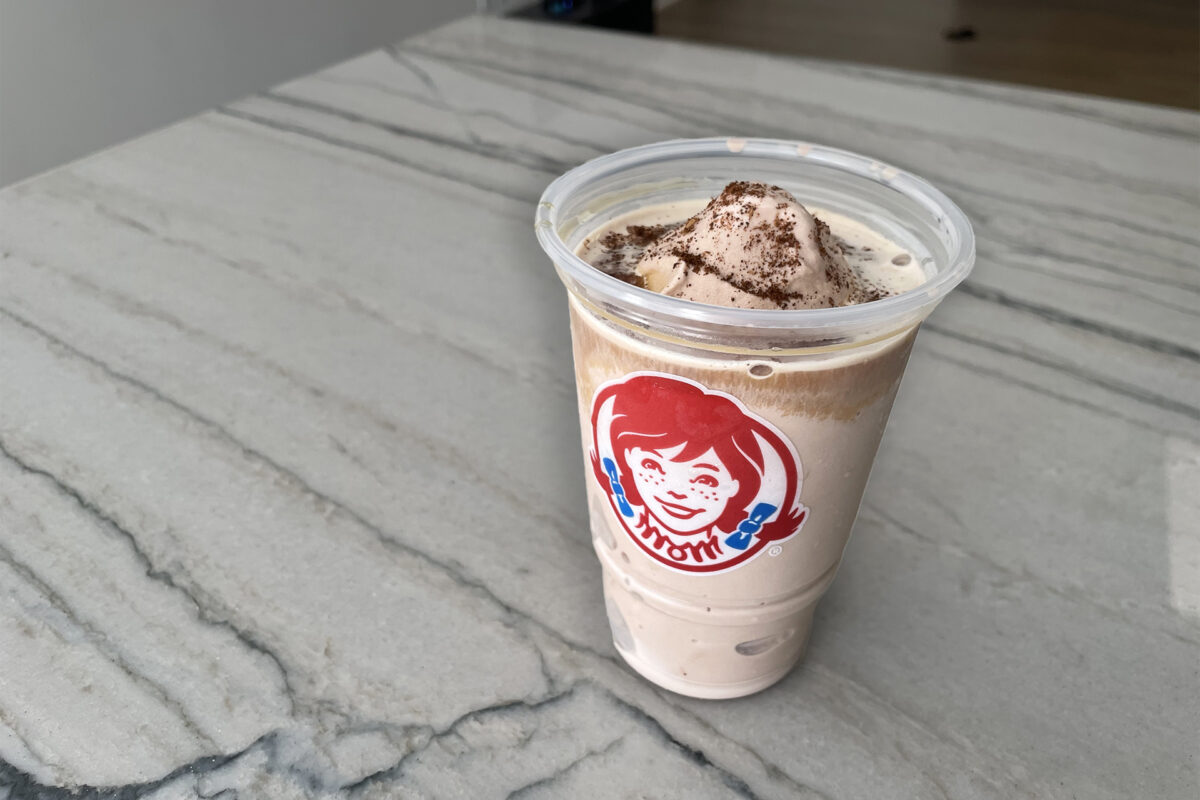
The hallmark of the Frosty brand is its unwavering consistency. For decades, Wendy’s offered only one flavor: the original “Light Chocolate.” This was a strategic choice. By limiting the variety, Wendy’s ensured that every Frosty served across thousands of locations met an exacting standard of texture and taste. In branding, consistency builds trust. Consumers return to Wendy’s specifically because the Frosty experience is predictable—a stark contrast to the often-varying quality of milkshakes at other quick-service restaurants (QSRs).
This consistency extends to the product’s physical properties. A Frosty is served at a precise temperature—typically between 19 and 21 degrees Fahrenheit—to maintain its signature “spoonable but sippable” viscosity. From a brand management standpoint, this technical precision is what transforms a generic frozen treat into a proprietary brand experience.
The Sensory Signature: Texture, Temperature, and Taste
The “Light Chocolate” flavor itself is a stroke of branding genius. Dave Thomas reportedly wanted a chocolate flavor that wasn’t overwhelming, as he felt a deep, dark chocolate would mask the taste of the burgers. By blending chocolate with vanilla, Wendy’s created a unique flavor profile that complemented the savory side of the menu.
This sensory alignment is a critical component of brand synergy. The Frosty isn’t just a dessert; it is an accompaniment designed to enhance the core meal. This creates a “halo effect” where the positive associations of the Frosty bleed into the perception of the burgers and fries, reinforcing the overall brand value.
Strategic Positioning: The “Middle Ground” Product
In marketing strategy, positioning is the act of designing a company’s offering to occupy a distinctive place in the minds of the target market. The Frosty is a masterclass in the “middle ground” positioning. It exists in a category of its own, neither a traditional milkshake nor a standard soft-serve cone.
Bridging the Gap Between Beverage and Dessert
One of the most significant challenges for fast-food brands is maximizing “daypart” traffic—getting customers to visit outside of the traditional lunch and dinner rushes. The Frosty’s unique texture allows it to serve multiple roles. It is thick enough to be eaten with a spoon as a dessert, yet liquid enough to be categorized as a treat that can be consumed on the go.
This versatility expands the Frosty’s market reach. It appeals to the parent looking for a small reward for a child, the office worker seeking a mid-afternoon pick-me-up, and the late-night diner looking for a sweet finish. By refusing to fit into a traditional category, the Frosty creates its own market niche, making it difficult for competitors to attack its market share directly.
The Psychology of Choice in Fast Food Branding
By maintaining a limited selection of Frosty flavors for the majority of its history, Wendy’s leveraged the “paradox of choice.” While competitors often cycle through dozens of seasonal shake flavors, Wendy’s stood firm with its core offering. This simplified the customer’s decision-making process and strengthened the brand’s association with the Frosty name.
In recent years, the brand has introduced seasonal variations—such as Strawberry, Peppermint, and Pumpkin Spice—but these are treated as limited-time extensions rather than permanent shifts. This strategy protects the “Light Chocolate” and “Vanilla” core while using novelty to drive short-term foot traffic and social media engagement.
Marketing the Frosty: From Tradition to Digital Virality
The way Wendy’s markets the Frosty has evolved from traditional television spots to cutting-edge digital engagement, yet the underlying message remains the same: the Frosty is an inimitable classic.
Leveraging Social Media and the “Sassy” Brand Voice
Wendy’s has gained significant brand fame for its “sassy” persona on social media platforms like X (formerly Twitter). The Frosty often plays a central role in this digital strategy. Whether the brand is “roasting” competitors for their broken shake machines or engaging in playful banter with fans about the proper way to eat a Frosty, the product serves as a catalyst for brand personality.
This digital approach does more than just entertain; it builds a community. When customers post photos of themselves dipping Wendy’s fries into a Frosty, the brand doesn’t just watch—it participates. By validating this “off-label” use of the product, Wendy’s has turned a quirky consumer habit into a celebrated part of its brand culture. This is a prime example of “co-creation,” where the brand and the consumer together define what the product means.
Seasonal Scarcity and Product Line Extensions
The introduction of seasonal Frosty flavors represents a shift toward a more aggressive “scarcity marketing” strategy. By making the Strawberry Frosty available only during the summer, Wendy’s creates a “now or never” urgency. This drives incremental sales from existing customers and attracts “flavor seekers” who might not otherwise visit the restaurant.
From a brand perspective, these extensions are carefully managed to ensure they do not dilute the core identity. The base formula remains the same; only the flavor profile changes. This ensures that even a Pumpkin Spice Frosty still feels like a Wendy’s Frosty, maintaining brand continuity across different product iterations.
The Frosty as a Growth Engine: Revenue and Customer Loyalty
Beyond its role as a brand icon, the Frosty is a powerful driver of financial performance. It is a high-margin item that encourages “add-on” purchasing, significantly increasing the average check size.
The Frosty Key Tag: A Lesson in Subscription Marketing
One of the most successful loyalty programs in the QSR industry is the Wendy’s Frosty Key Tag. For a small annual fee (usually $2 or $3), customers receive a physical or digital key tag that entitles them to a free junior Frosty with any purchase for an entire year.
This program is a masterstroke of brand strategy for several reasons:
- Lowering the Barrier to Entry: It provides an incredible perceived value to the customer.
- Driving Frequency: It incentivizes the customer to choose Wendy’s over competitors because they have a “pre-paid” benefit waiting for them.
- Ensuring Add-on Sales: The “with any purchase” clause ensures that the free Frosty is almost always accompanied by a high-margin sandwich or fry order.
- Philanthropic Alignment: A portion of the proceeds often goes to the Dave Thomas Foundation for Adoption, aligning the product with a positive social cause and enhancing the brand’s corporate social responsibility (CSR) profile.
Co-Branding and Partnerships
The Frosty brand has also proven to be a versatile platform for partnerships. Whether through cereal tie-ins or promotional appearances in video games and movies, the Frosty serves as a recognizable ambassador for the Wendy’s brand. These partnerships allow Wendy’s to reach new demographics and reinforce the Frosty’s status as a cultural icon, rather than just a menu item.
Lessons for Modern Brand Managers
The story of the Wendy’s Frosty offers several vital lessons for anyone involved in brand strategy or corporate identity.
Protecting the Core While Innovating at the Edges
The most successful brands are those that understand what must never change. Wendy’s has protected the Frosty’s core identity—its texture, its specific temperature, and its primary flavor—for over 50 years. When they do innovate, they do so at the edges, through seasonal flavors or promotional campaigns. This prevents “brand drift,” where a product becomes so many things to so many people that it eventually stands for nothing.
The Power of Proprietary Formats
If Wendy’s had simply served a standard chocolate milkshake, the product would have been easily commoditized. By creating a proprietary format (the “frozen dairy dessert” that is neither liquid nor solid), they built a defensive moat around the product. Competitors can make milkshakes, but they cannot easily make a “Frosty.”

Brand Longevity Through Simplicity
In an era of complex menus and “over-engineered” food products, the Frosty remains remarkably simple. This simplicity is its strength. It makes the brand accessible, memorable, and timeless. As Wendy’s continues to expand globally, the Frosty remains the vanguard of its brand identity—a sweet, chilled reminder that in the world of branding, consistency is the ultimate form of sophistication.
Ultimately, what is a Wendy’s Frosty? It is more than a dessert. It is a 50-year-old promise kept. It is a tool for customer acquisition, a pillar of brand loyalty, and a physical manifestation of the Wendy’s corporate identity. In the fast-moving world of marketing, the Frosty stands as a cold, delicious testament to the power of a well-defined brand.
aViewFromTheCave is a participant in the Amazon Services LLC Associates Program, an affiliate advertising program designed to provide a means for sites to earn advertising fees by advertising and linking to Amazon.com. Amazon, the Amazon logo, AmazonSupply, and the AmazonSupply logo are trademarks of Amazon.com, Inc. or its affiliates. As an Amazon Associate we earn affiliate commissions from qualifying purchases.