
In the world of brand strategy and corporate identity, visual consistency is the currency of trust. For a brand to project a professional image, its visual assets must remain crisp, clear, and perfectly rendered across every possible touchpoint—from a tiny favicon on a smartphone screen to a massive vinyl wrap on a commercial aircraft. At the heart of this visual flexibility is the vector art format.
Unlike traditional photography or digital paintings that rely on fixed grids of colored squares, vector art is a mathematical approach to design. For brand managers, marketers, and business owners, understanding what vector art is—and why it is non-negotiable for professional identity—is the difference between a brand that looks amateurish and one that commands authority.

Understanding Vector Art in the Context of Brand Scalability
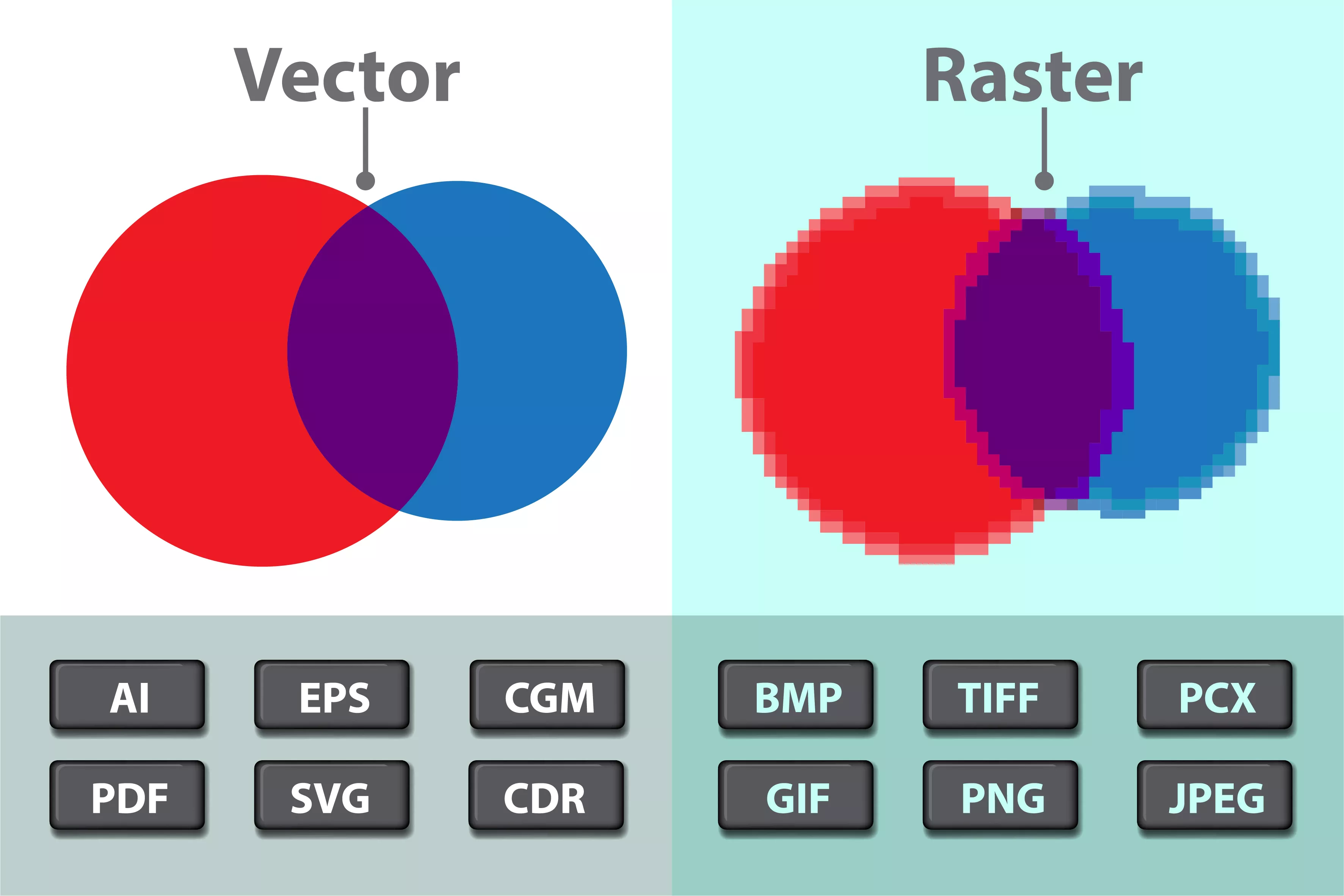
To appreciate the value of vector art, one must first understand how it differs from the most common type of digital imagery: raster graphics. Most people are familiar with raster formats like JPEGs or PNGs. These images are composed of pixels—small blocks of color arranged in a specific grid. When you enlarge a raster image, the computer simply makes those blocks bigger, leading to “pixelation” or a blurry, jagged appearance.
The Mathematical Logic Behind Vector Graphics
Vector art operates on an entirely different principle. Instead of pixels, vector graphics are composed of paths. These paths are defined by mathematical equations that dictate the relationship between points, lines, and curves. When a designer creates a logo in a vector format, they are essentially writing a set of instructions for the computer: “Draw a curve from Point A to Point B with a specific radius and fill it with this specific color value.”
Because these graphics are based on math rather than a fixed grid, they are “resolution-independent.” You can scale a vector file to the size of a skyscraper or shrink it to the size of a postage stamp, and the computer simply recalculates the math. The result is a perfect, razor-sharp image every single time. For a brand, this means the integrity of the logo is never compromised by the medium it is placed upon.
Vector vs. Raster: Why Your Brand Can’t Settle for Pixels
In brand design, using a raster file for a primary logo is a strategic error. If a company only possesses a PNG version of its logo, they are trapped within the dimensions of that specific file. If a marketing team needs to print that logo on a large-scale trade show banner, the lack of data in the raster file will result in a grainy, unprofessional appearance.
Vector art removes these limitations. It provides the “master source” from which all other files are born. A professional brand identity kit always begins with vector files, ensuring that the marketing team can generate any size of JPEG, PNG, or GIF needed for social media while maintaining the original vector file for high-stakes print and manufacturing needs.
The Strategic Role of Vector Formats in Corporate Identity
Brand identity is more than just a pretty picture; it is a functional tool used to communicate values and ensure recognition. Vector formats are the backbone of this functionality. They allow for a level of versatility that is required in the modern, multi-channel marketing landscape.
Logo Versatility Across Physical and Digital Touchpoints
Modern brands do not exist in a vacuum. A single corporate logo must work on a translucent website header, an embroidered polo shirt, a stainless steel water bottle, and a digital billboard. Each of these applications requires different technical specifications.
For example, specialized manufacturing processes like CNC machining, laser engraving, and commercial embroidery machines cannot “read” pixels. They require the coordinate-based paths found in vector files to guide the needle, laser, or blade. Without a vector format, a brand is effectively locked out of high-end physical branding opportunities. By maintaining a vector-first approach, a brand ensures it is ready for any physical manifestation of its identity.
Maintaining Color Consistency with Pantone Integration
One of the most overlooked aspects of brand strategy is color fidelity. A brand’s signature blue must look the same on a business card as it does on a website. Vector art formats are uniquely designed to handle “Spot Colors” or Pantone Matching System (PMS) codes.
Unlike raster files, which often convert colors into a mix of Red, Green, and Blue (RGB) for screens, vector files allow designers to embed specific ink formulas. This ensures that when a file is sent to a professional printer, the output matches the brand’s global standards exactly. This level of precision is vital for corporate identity, where even a slight shift in hue can weaken brand recognition and perceived quality.
Standard Vector File Formats Every Brand Manager Should Know
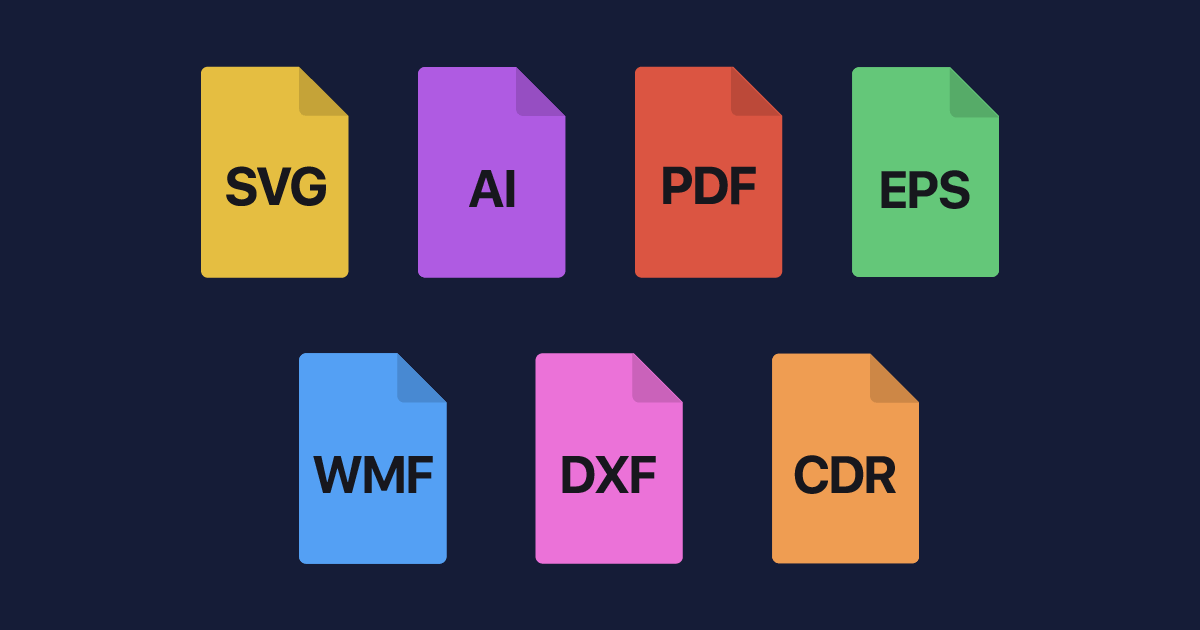
Not all vector files are created equal. Depending on the stage of the design process or the intended use of the asset, different formats are required. Understanding these extensions is crucial for anyone managing a brand’s asset library.
AI and EPS: The Industry Standards for Print and Large Format
The .AI format is the proprietary file type for Adobe Illustrator, the industry-standard software for vector design. These are “working files” that contain all the layers, paths, and editable elements of a design. For a brand, the .AI file is the crown jewel; it is the original source from which all other versions are derived.
The .EPS (Encapsulated PostScript) format is the more universal sibling of the .AI file. While .AI is specific to Adobe, .EPS can be opened by a wide variety of professional design and printing software. If you are sending a logo to a billboard company or a specialized printer, they will almost always request an .EPS file to ensure they can scale the artwork without any loss of quality.
SVG: Optimizing Brand Assets for Modern Web Experiences
The .SVG (Scalable Vector Graphics) format has revolutionized digital branding. Unlike JPEGs, SVGs are written in XML code, meaning they are readable by both search engines and web browsers. Using SVGs for logos and icons on a website offers three distinct advantages:
- Crispness on Retina Displays: As mobile and laptop screens reach higher resolutions, raster images often look blurry. SVGs remain perfectly sharp on any screen.
- Performance: SVG files are often much smaller in file size than high-resolution PNGs, leading to faster website load times.
- SEO Benefits: Because SVGs contain text-based code, search engines can sometimes index the information within the file, providing a minor but useful boost to a brand’s search visibility.
PDF: The Universal Bridge for Client Delivery
While people often think of .PDFs as documents, they are also highly effective containers for vector data. A “Press Quality” PDF can hold vector paths while remaining viewable by anyone with a basic web browser or PDF reader. This makes it the ideal format for sharing brand style guides and final logo packages with stakeholders who may not have specialized design software installed.
Best Practices for Building a Scalable Brand Asset Library
A brand is only as strong as its organization. To ensure long-term sustainability, a company must manage its vector assets with rigor. This prevents the “brand drift” that occurs when employees begin using low-quality screenshots of logos because they cannot find the original source files.
Organizing Source Files for Long-term Sustainability
Every professional brand identity project should culminate in a “Brand Kit.” This kit should be organized hierarchically, with the vector source files at the top of the pyramid. A standard organizational structure might include:
- Source Files: The original .AI files for logos, icons, and custom typography.
- Print Assets: .EPS and .PDF files set in CMYK or Pantone color modes.
- Digital Assets: .SVG files for web use and high-resolution .PNGs for internal presentations.
By centralizing these files in a cloud-based DAM (Digital Asset Management) system, a brand ensures that every department—from marketing to HR—is pulling from the same high-quality vector source.
Working with Professional Designers: Why Vectors Matter
When hiring a design agency or a freelance consultant, the “deliverables” section of the contract is the most important part of the agreement. A brand must insist on receiving all final marks in vector format.
If a designer only provides JPEGs or PNGs, they are effectively holding the brand’s future scalability hostage. Professional designers understand that their job is to provide the client with the tools to grow, and that starts with high-quality vector art. These files allow future designers to update the brand, adjust colors for special campaigns, or create new collateral without having to “re-draw” the logo from scratch, saving the company thousands of dollars in labor costs over time.
Future-Proofing Your Visual Assets through Vector Technology
In an era of rapid technological change, vector art is remarkably future-proof. While screen resolutions will continue to increase and new printing technologies will emerge, the mathematical foundations of vector paths will remain constant.
Investing in vector art is an investment in the longevity of a brand’s visual identity. It moves a brand away from the disposable nature of pixels and into the realm of permanent, scalable design. Whether you are a startup building your first identity or a legacy corporation undergoing a rebrand, the vector format is the only way to ensure that your visual presence remains as sharp and professional in twenty years as it is today.
By prioritizing vector art, you are not just choosing a file format; you are choosing a standard of excellence that communicates quality to your customers and provides your team with the ultimate tool for creative expression.
aViewFromTheCave is a participant in the Amazon Services LLC Associates Program, an affiliate advertising program designed to provide a means for sites to earn advertising fees by advertising and linking to Amazon.com. Amazon, the Amazon logo, AmazonSupply, and the AmazonSupply logo are trademarks of Amazon.com, Inc. or its affiliates. As an Amazon Associate we earn affiliate commissions from qualifying purchases.