
In the landscape of modern intellectual property, few figures are as polarizing or as strategically significant as Tom Nook. To the casual observer, he is a tanuki—a Japanese raccoon dog—who manages a series of retail and real estate ventures within Nintendo’s Animal Crossing universe. However, from a brand strategy and corporate identity perspective, Tom Nook is much more than a digital shopkeeper. He is a sophisticated exercise in character branding, representing a masterclass in how a corporate entity can evolve, diversify, and maintain market dominance through consistent visual storytelling and a unique psychological relationship with its consumer base.
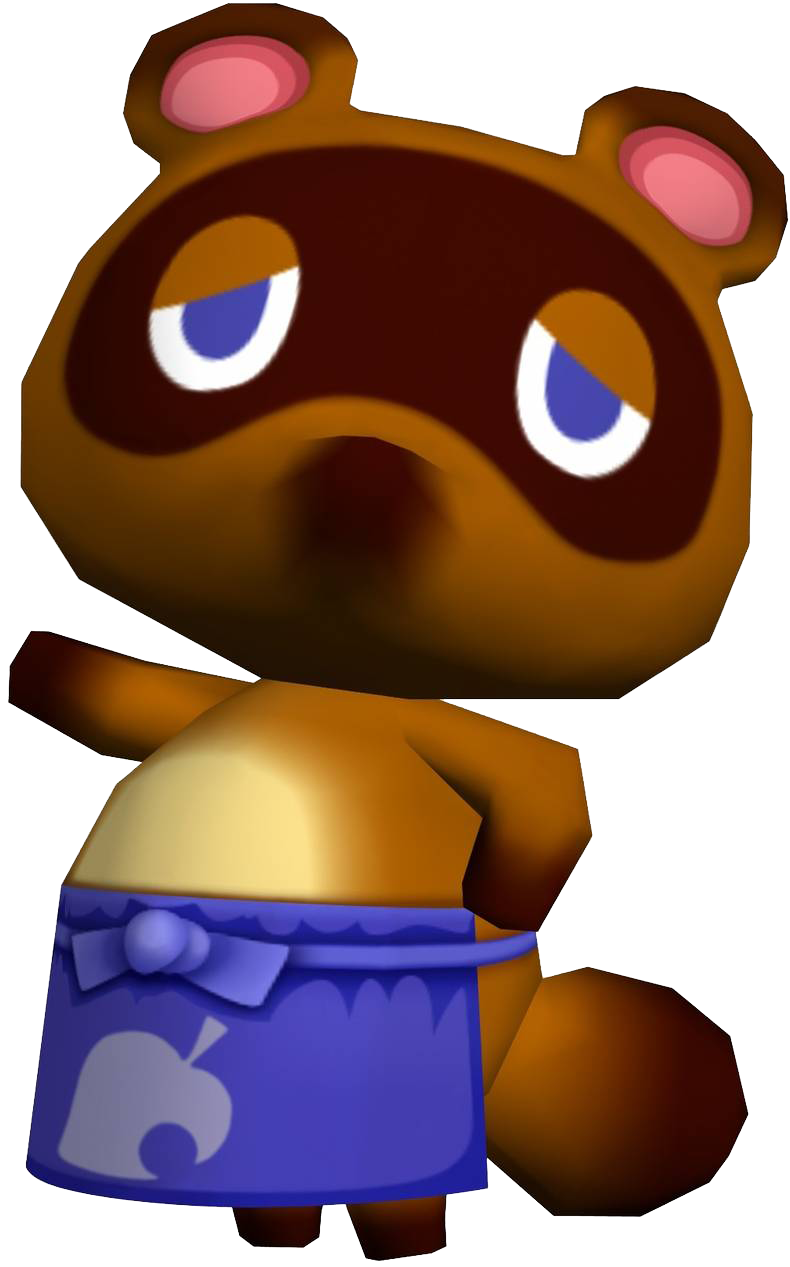
Understanding “what” Tom Nook is requires looking past the pixels and into the mechanics of Nook Inc., the fictional conglomerate he heads. He serves as the primary touchpoint for the franchise’s brand identity, embodying the bridge between the consumer’s aspirations and the platform’s commercial ecosystem.
The Evolution of a Global IP: From Local Shopkeeper to Corporate Mogul
The journey of the Tom Nook brand is a textbook example of vertical integration and brand scaling. In the early iterations of the Animal Crossing series, Nook was presented as a small-business owner—a humble shopkeeper operating a modest corner store. As the franchise grew, so did Nook’s corporate reach. This evolution mirrors the real-world trajectory of successful tech and lifestyle brands that move from niche service providers to all-encompassing ecosystems.
Visual Consistency and Brand Recognition
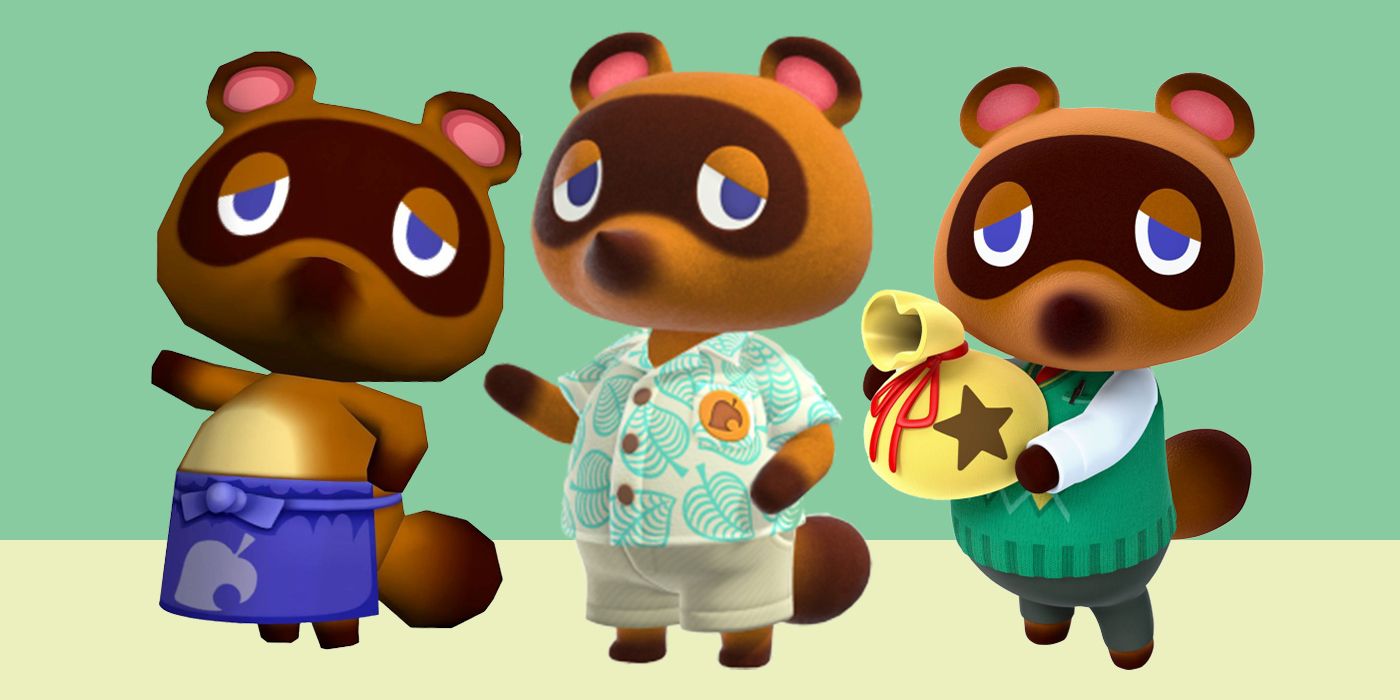
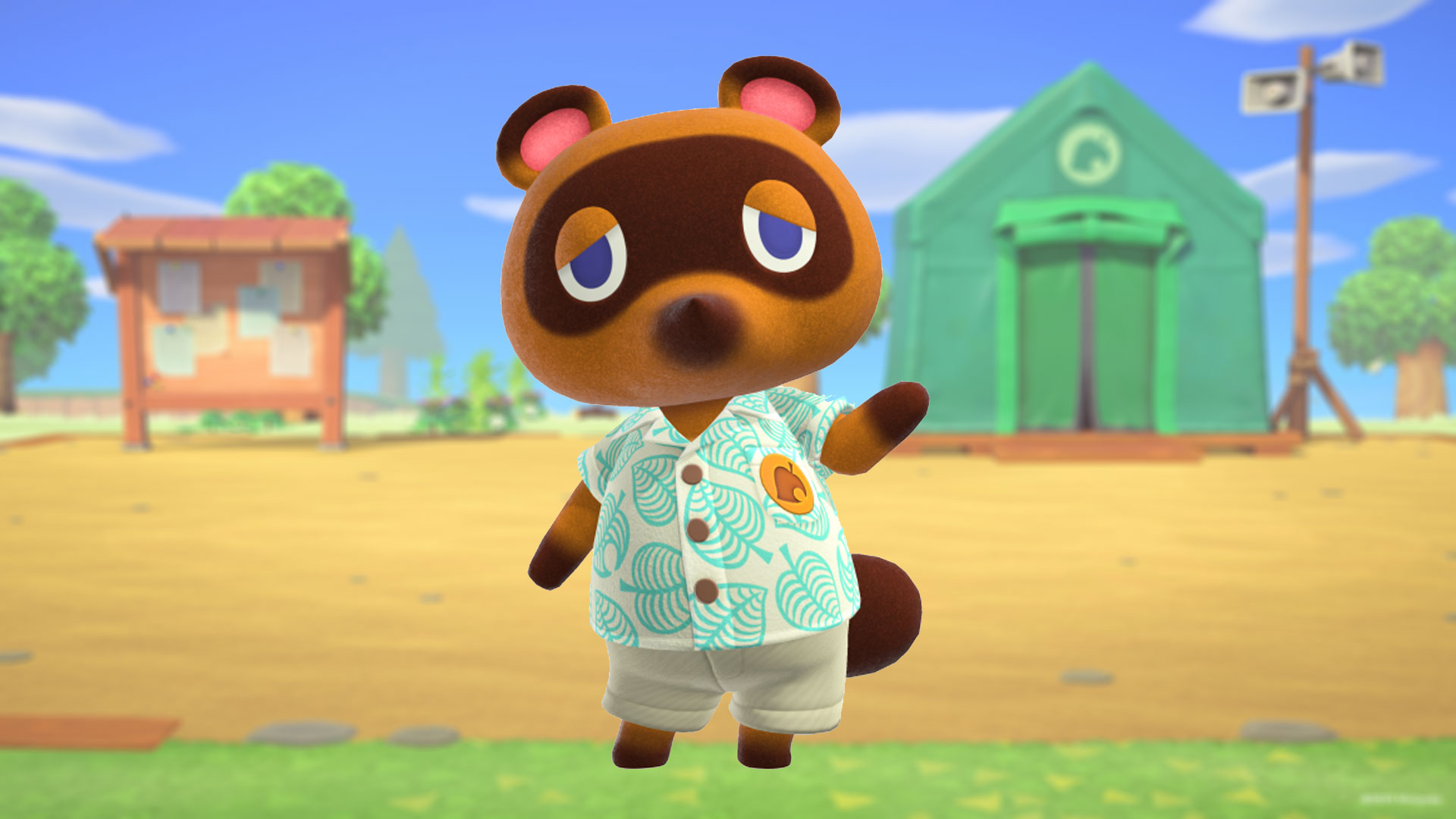
One of the pillars of effective branding is visual consistency, and Tom Nook is a triumph of character design. His aesthetic has undergone subtle but strategic shifts to reflect his rising status. In early games, his apron signified a “hands-on” retail approach. By the time Animal Crossing: New Horizons launched, he had transitioned into a professional, tropical-themed corporate uniform, complete with the “Nook Inc.” logo prominently displayed on his apparel.
This logo—a stylized green leaf—is one of the most recognizable icons in the gaming industry. It serves as a shorthand for the entire Nook Inc. brand experience: organic growth, peaceful industry, and environmental harmony. By keeping the core silhouette of the character stable while updating his attire to match the “corporate getaway” theme, Nintendo ensured that the brand remained fresh yet instantly familiar to long-term fans.
The Psychology of the Nook Inc. Aesthetic
Nook Inc. utilizes a specific color palette—predominantly “Nook Green” and warm earth tones—to evoke feelings of stability and approachability. In brand psychology, green is often associated with growth, wealth, and the natural world. By wrapping a debt-based economic system in these soothing tones, the brand mitigates the potential for consumer friction. Tom Nook doesn’t just sell houses; he sells a lifestyle of organized, peaceful progression. This alignment of visual identity with the core product (a relaxing life simulation) is why the character has become an inextricable part of the Nintendo brand portfolio.
Nook Inc. as a Masterclass in Corporate Identity
If we analyze Tom Nook as a corporate identity, we see a character who excels at diversification and consumer lifecycle management. Nook Inc. is not just a real estate agency; it is a travel agency, a retail giant, a construction firm, and a financial institution. This multi-faceted approach allows the brand to capture every stage of the user’s journey within the game.
Diversification of Services and Market Capture
In the business world, “market capture” refers to the extent to which a company dominates its sector. Tom Nook’s brand identity is built on being the sole provider of essential services. When players land on a deserted island, they are immediately introduced to the Nook Inc. Getaway Package. This is a brilliant example of a “barrier to entry” strategy. By providing the initial infrastructure (the tent, the phone, the map), Nook Inc. ensures that the consumer is locked into their ecosystem from the very first minute.
This strategy extends to the “Nook Miles” program, a fictional loyalty scheme that mirrors real-world airline and credit card reward systems. This program gamifies brand loyalty, encouraging users to engage with Nook Inc. services to earn digital currency that can only be spent back within the same ecosystem. This circular economy is a dream for any brand strategist, as it creates a self-sustaining loop of engagement and consumption.
Vertical Integration within the Ecosystem
Tom Nook’s brand power is amplified by his control over the supply chain. He owns the store (Nook’s Cranny), the development firm (Nook Inc. Construction), and the financial services (the interest-free loan system). This vertical integration makes him the ultimate “platform” brand. Much like Amazon or Apple, Nook Inc. controls the hardware (the island), the software (the rules of development), and the marketplace (the buying and selling of goods). This makes Tom Nook less of a character and more of a decentralized infrastructure that facilitates the player’s entire experience.
The Controversial Brand: Managing Public Perception and Polarizing Archetypes
Perhaps the most fascinating aspect of “what” Tom Nook is lies in the public’s perception of his brand. In the world of marketing, few things are as valuable as a brand that sparks conversation, even if that conversation is polarized. Tom Nook has been labeled everything from a “benevolent mentor” to a “ruthless capitalist.”
The “Capitalist Villain” vs. “Benevolent Facilitator”
The discourse surrounding Tom Nook is a case study in brand sentiment analysis. On one hand, critics view him as an exploitative figure who saddles the player with massive debt the moment they arrive. On the other hand, defenders point out that his loans are interest-free, have no deadlines, and require no collateral. He is, in many ways, the most ethical lender in fiction.
This tension is actually a strength of the brand. By occupying a gray area between profit-driven mogul and community-building mentor, Tom Nook remains a figure of constant relevance. Brands that are too “perfect” often become boring and lose their cultural edge. By leaning into his role as a business-minded raccoon, the Nook brand maintains a level of grit and realism that makes the Animal Crossing world feel grounded. He represents the necessity of industry and commerce in the pursuit of a better life.
Brand Resilience in the Face of Online Discourse
The “Evil Tom Nook” meme is a prime example of how a brand can thrive through subversion. Nintendo has largely embraced this discourse, occasionally winking at the character’s wealth in promotional materials. This shows a high level of brand resilience. Instead of fighting the public’s perception, the creators allow the community to co-author the character’s narrative. This participatory branding ensures that Tom Nook remains at the center of the cultural conversation, driving engagement through memes, fan art, and social media debate.
Strategic Integration: How Nook Influences Nintendo’s Market Dominance
Tom Nook is a vital asset in Nintendo’s broader brand strategy. He serves as a secondary mascot, one who appeals to an older, more financially literate demographic while still remaining accessible to children. He bridges the gap between the whimsical world of Mario and the more complex, systems-based gameplay of modern simulations.
Cross-Media Synergy and Merchandising
The “Nook” brand extends far beyond the console. The character’s likeness is a cornerstone of Nintendo’s merchandising strategy. From plush toys and apparel to stationery and home goods, the Nook Inc. aesthetic has been successfully translated into the physical world. This is a key component of brand strategy: the ability to take a digital identity and turn it into a lifestyle brand that consumers want to integrate into their real-world environments.
When a consumer buys a Nook Inc. branded mug, they aren’t just buying a piece of gaming merchandise; they are signaling their affinity for the values the brand represents: organization, incremental progress, and cozy productivity. This synergy between the character’s in-game role and his real-world products is what makes him a powerhouse of corporate identity.
Future-Proofing the Persona
As Nintendo moves into the future, Tom Nook is positioned as a character who can easily adapt to new technological frontiers. Whether it’s appearing in mobile apps (Pocket Camp) or potentially serving as the face of a Nintendo-themed digital storefront, the infrastructure of the “Nook” brand is infinitely scalable. Because his identity is tied to the concept of “service” and “development” rather than a specific gameplay mechanic (like jumping or racing), he can be inserted into almost any context that requires a managerial or facilitator figure.
Lessons for Modern Marketers from the Tom Nook Playbook
What can real-world brand managers learn from Tom Nook? First, the importance of a clear, recognizable visual identity that evolves with the product. Second, the power of creating an ecosystem rather than just a single service. Third, the value of a polarizing brand persona that drives engagement and discussion.
Tom Nook is a reminder that a brand is not just a logo or a product; it is a relationship. For millions of players, Nook is the most consistent presence in their digital lives—a figure who provides the tools for their creativity and the loans for their dreams. He is the personification of the “helpful corporate entity,” a brand archetype that is increasingly relevant in an age of platform-based economies.
In conclusion, when we ask “What is Tom Nook?” the answer is clear: he is the ultimate brand ambassador for the 21st century. He is a sophisticated blend of corporate identity, psychological anchoring, and market flexibility. By mastering the art of the “soft sell” and building a world where progress is synonymous with his name, Tom Nook has secured his place as one of the most successful and strategically brilliant icons in the history of global branding.
aViewFromTheCave is a participant in the Amazon Services LLC Associates Program, an affiliate advertising program designed to provide a means for sites to earn advertising fees by advertising and linking to Amazon.com. Amazon, the Amazon logo, AmazonSupply, and the AmazonSupply logo are trademarks of Amazon.com, Inc. or its affiliates. As an Amazon Associate we earn affiliate commissions from qualifying purchases.