
The traditional approach to treating a torn rotator cuff has long been a binary choice between conservative physical therapy and invasive open surgery. However, the landscape of orthopedic medicine is currently undergoing a radical transformation driven by the integration of advanced technology. Today, “treatment” is no longer just a biological process; it is a technological one. From the application of artificial intelligence in diagnostics to the use of robotics in the operating room and wearable sensors in rehabilitation, the treatment for a torn rotator cuff is now defined by a sophisticated tech stack designed to optimize patient outcomes and accelerate recovery times.
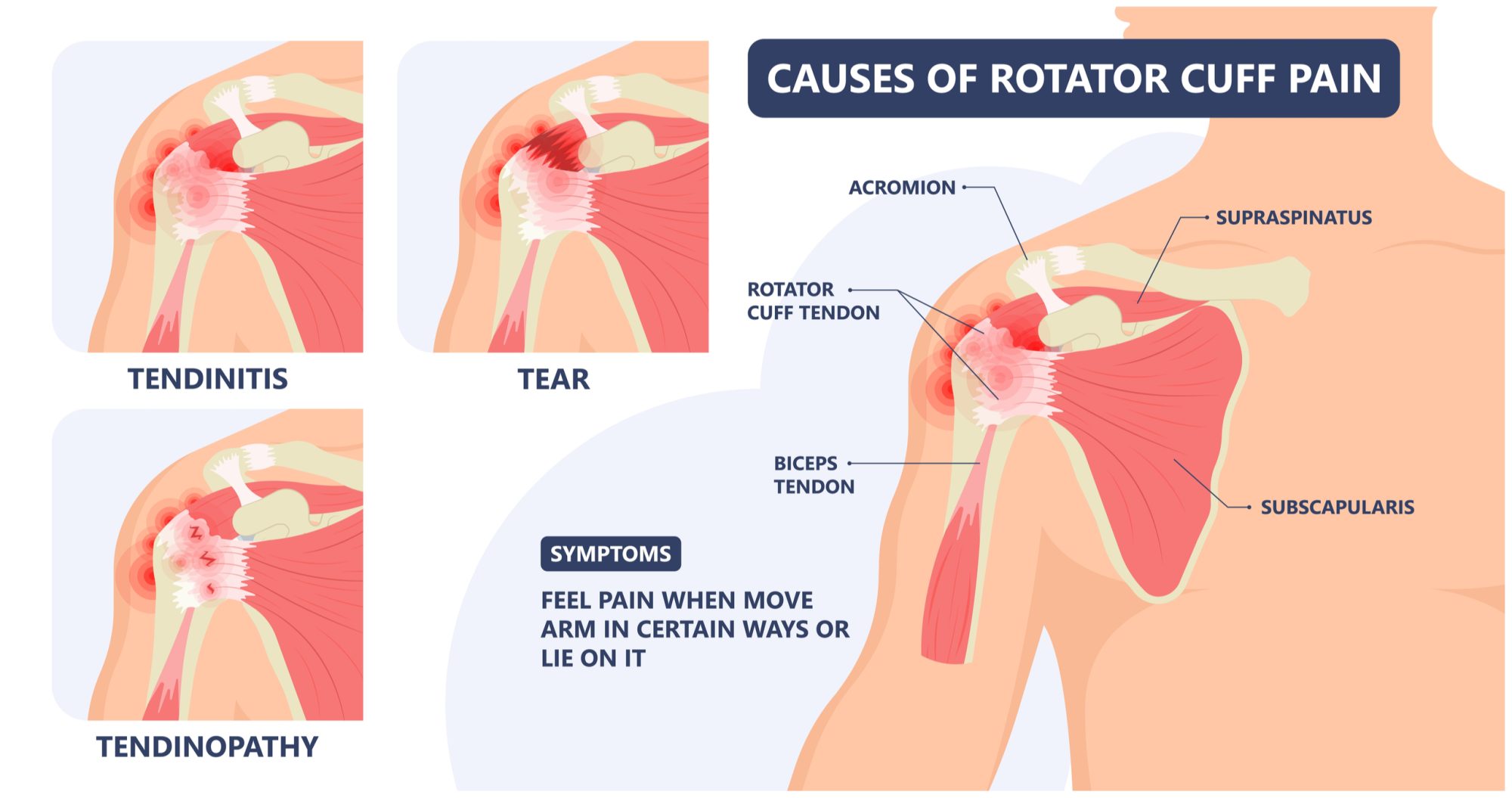
AI-Driven Diagnostics and Precision Imaging
The first step in treating a torn rotator cuff is accurate identification and classification. Historically, radiologists relied solely on manual interpretation of Magnetic Resonance Imaging (MRI) and ultrasound scans. While effective, human error and subtle nuances in imaging can lead to misdiagnosis or an underestimation of the tear’s complexity. The integration of AI and machine learning is fundamentally changing this diagnostic phase.
Machine Learning in MRI Interpretation
Modern diagnostic software utilizes deep learning algorithms trained on millions of orthopedic images. These AI tools can highlight micro-tears and structural weaknesses that might be invisible to the naked eye. By analyzing pixel-level variations in tissue density, computer vision software provides a quantitative assessment of the tendon’s health. This allows surgeons to categorize a tear not just as “partial” or “full,” but as a specific percentage of degradation, enabling a more personalized treatment roadmap.
Predictive Analytics for Injury Severity
Beyond static imaging, predictive analytics platforms are being used to correlate imaging data with patient demographics and lifestyle metrics. By processing data from electronic health records (EHRs), AI can predict the likelihood of a tear progressing or the probability of a successful non-surgical intervention. This data-driven approach moves treatment from a reactive model to a proactive one, where technology dictates whether a patient should skip directly to advanced interventions or if they are a prime candidate for high-tech conservative management.
Minimally Invasive Surgical Innovations and Robotics
When conservative treatments fail, the surgical intervention for a torn rotator cuff has evolved from “open” procedures to sophisticated arthroscopic techniques, and now, to robotic-assisted precision. The goal of modern surgical technology is to minimize trauma to the surrounding tissue, which is the primary factor in post-operative pain and recovery duration.
Robotic-Assisted Rotator Cuff Repair
While robotics have been staples in knee and hip replacements for years, their application in shoulder surgery is the new frontier. Robotic platforms provide surgeons with sub-millimeter precision when placing anchors and sutures. These systems use a “digital twin” of the patient’s shoulder, created from pre-operative scans, to guide the robotic arm. This ensures that the tension applied to the repaired tendon is mathematically optimized, reducing the risk of “re-tear”—a common failure point in traditional manual surgeries.
Bio-Inductive Scaffolds and 3D Printing
Perhaps the most significant technological leap in treatment is the use of bio-inductive scaffolds. For patients with “massive” or “irreparable” tears, surgeons are now using 3D-printed biological grafts. These scaffolds are not just passive patches; they are engineered platforms infused with growth factors. Once implanted via arthroscopic tools, the scaffold acts as a “smart” framework that encourages the body’s own cells to migrate and regenerate new tendon tissue. This intersection of biotech and hardware allows for the treatment of injuries that were previously considered permanent disabilities.
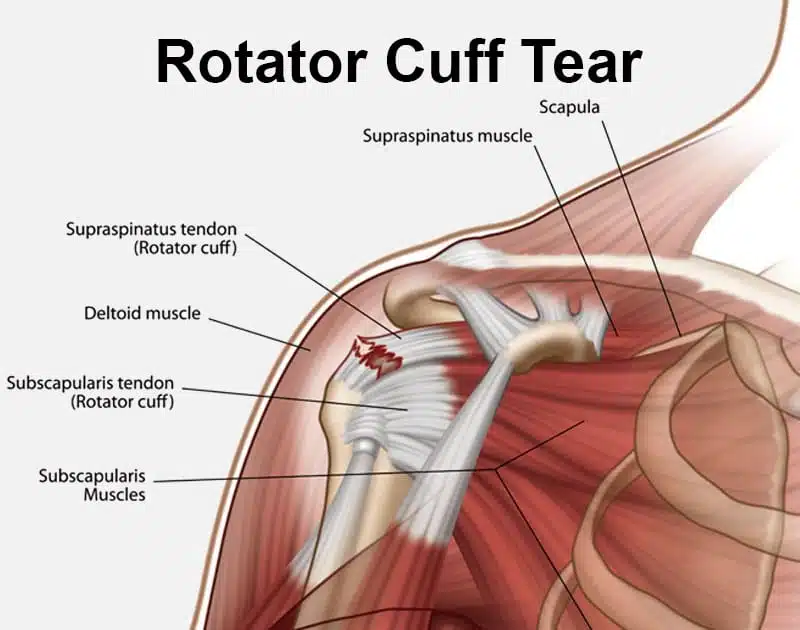
The Digitalization of Rehabilitation: Wearables and Virtual Reality
The treatment for a torn rotator cuff does not end in the operating room; the success of the procedure is heavily dependent on the “rehab tech” used during the six months following surgery. The shift toward digital health and remote patient monitoring has birthed a new category of tools designed to ensure compliance and precision in physical therapy.
Biofeedback Sensors for Home Physical Therapy
The most significant challenge in rotator cuff recovery is the “home exercise program.” Patients often perform exercises incorrectly, either overstraining the repair or failing to engage the correct muscle groups. Wearable technology, such as inertial measurement units (IMUs), addresses this by providing real-time biofeedback. These small sensors, strapped to the arm and shoulder, sync with a smartphone app to track the exact range of motion (ROM) and velocity of movements. If a patient deviates from the prescribed path, the software provides an immediate haptic or visual alert, acting as a “digital therapist” available 24/7.
Gamified Recovery Through Virtual Reality (VR)
Virtual Reality is being deployed to tackle the psychological and neurological components of recovery. Pain management is a critical hurdle; VR “distraction therapy” uses immersive environments to lower the brain’s perception of pain during difficult stretching routines. Furthermore, VR “exergames” turn repetitive, boring movements into interactive challenges. By reaching for virtual objects or navigating digital spaces, patients perform the necessary rehabilitative movements more frequently and with higher engagement. This gamification of treatment has shown to significantly improve adherence rates compared to traditional paper-based instruction sets.
Regenerative Medicine and the Biotech Frontier
As we look toward the future of rotator cuff treatment, the focus is shifting from “repairing” to “regenerating.” This transition is powered by breakthroughs in biotechnology and data science, aiming to eliminate the need for mechanical anchors and sutures altogether.
Platelet-Rich Plasma (PRP) Optimization Software
While PRP therapy—using a patient’s own blood to accelerate healing—has been around for years, its efficacy has been inconsistent. The new tech-driven approach involves “Precision PRP.” Software-controlled centrifuges and diagnostic kits now allow clinicians to analyze the exact cellular composition of the plasma before injection. By using data to determine the optimal concentration of platelets and leukocytes for a specific patient’s tear profile, technology is turning a “hit-or-miss” biological treatment into a standardized, high-performance medical protocol.
The Role of 5G and Tele-Surgery
In the near future, the treatment for a torn rotator cuff may not even require the surgeon and patient to be in the same city. The low latency of 5G networks is enabling the development of tele-surgery, where a specialist can operate a robotic system from a remote location. This democratization of high-tech treatment means that a patient in a rural area can receive the same level of care from a world-leading orthopedic technologist as someone in a major medical hub.

IoT Integration in Post-Operative Bracing
Even the humble shoulder brace is getting a digital makeover. Internet of Things (IoT) enabled braces are now being equipped with sensors that monitor temperature, swelling (via pressure sensors), and movement. This data is streamed directly to the clinical team’s dashboard. If the sensors detect an unusual spike in heat (indicating potential infection) or excessive movement (indicating a risk to the repair), the system can trigger an automated alert. This level of continuous, tech-enabled surveillance represents the new gold standard in post-surgical treatment.
In conclusion, the answer to “what is the treatment for a torn rotator cuff” is increasingly found in the realm of high technology. While the biological goal remains the same—restoring function to the shoulder—the methods have become a symphony of AI, robotics, and digital interfaces. For the patient, this means more accurate diagnoses, more precise surgeries, and a more engaging, data-backed recovery process. The future of orthopedics is no longer just about the scalpel; it is about the software and hardware that empower it.
aViewFromTheCave is a participant in the Amazon Services LLC Associates Program, an affiliate advertising program designed to provide a means for sites to earn advertising fees by advertising and linking to Amazon.com. Amazon, the Amazon logo, AmazonSupply, and the AmazonSupply logo are trademarks of Amazon.com, Inc. or its affiliates. As an Amazon Associate we earn affiliate commissions from qualifying purchases.