
In the modern digital economy, the distribution of high-demand event tickets has evolved from a physical queue at a box office into a sophisticated technological battleground. At the center of this ecosystem is the Ticketmaster presale, a specialized window of access that occurs before the general public sale. While it may appear to be a simple marketing tactic, the Ticketmaster presale is actually a complex orchestration of database management, identity verification algorithms, and cloud-based infrastructure designed to manage extreme surges in web traffic. Understanding what a presale is requires looking beneath the surface of the user interface to explore the software and security protocols that govern who gets to the front of the virtual line.
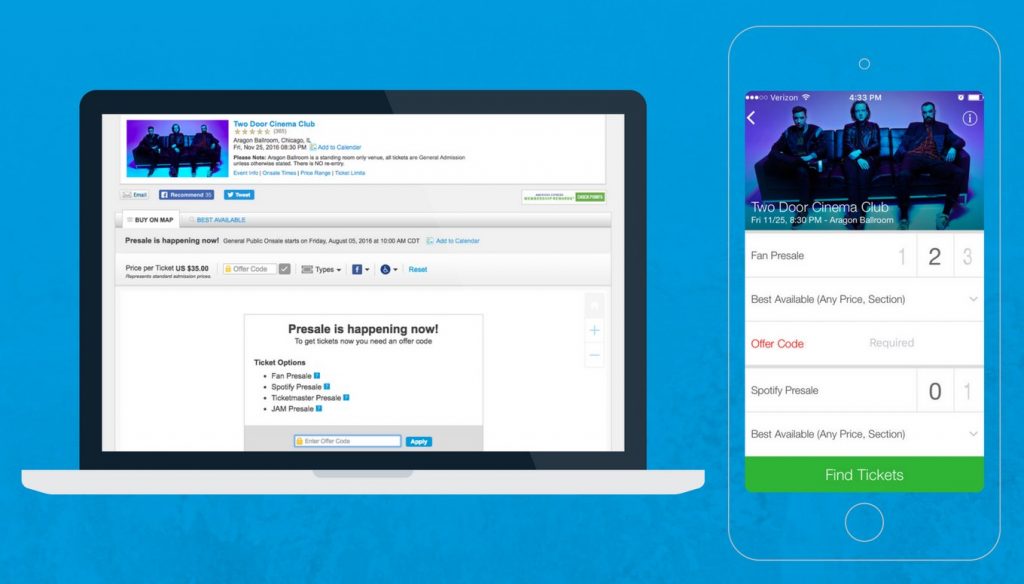
A Ticketmaster presale is a period during which a specific subset of fans is granted early access to purchase tickets. This window is typically guarded by an authentication layer—usually a unique alphanumeric code or a verified account status. From a technical perspective, these presales serve as a method of “load balancing” for the platform’s servers. By staggering the release of tickets across different groups—such as fan club members, credit card holders, or “Verified Fans”—Ticketmaster can prevent the catastrophic system failures that often occur when millions of users attempt to access a single database simultaneously.
The Architecture of the Virtual Queue: Managing Massive Concurrent Traffic
The most visible component of any Ticketmaster presale is the “Virtual Queue.” When a high-profile tour is announced, the influx of traffic can reach millions of hits per second. Managing this requires a robust software architecture that goes beyond standard web hosting. Ticketmaster utilizes advanced load-balancing technologies and content delivery networks (CDNs) to distribute the traffic across a global network of servers.
The Logic of the Waiting Room
Before a presale begins, users are often placed in a “Waiting Room.” This is a pre-queue staging area designed to manage the “thundering herd” problem in computer science, where a sudden burst of requests overwhelms a system. The Waiting Room acts as a buffer, allowing the system to authenticate users and check for bot-like behavior before the actual sale goes live. When the clock strikes the designated time, the system uses a randomized assignment algorithm to move users from the Waiting Room into the actual Queue. This randomization is crucial for fairness, as it negates the advantage of ultra-fast internet connections that might otherwise dominate a first-come, first-served system.
Database Locking and Inventory Management
One of the most difficult technical challenges in ticketing is ensuring that no two people buy the same seat. During a presale, when thousands of users are clicking on the same interactive seat map, the backend database must execute “atomic transactions.” This means that when a user selects a seat, that specific data row in the database is “locked” for a set period (usually ten minutes). The system must handle these locks with microsecond precision. If the user completes the purchase, the row is updated to “Sold.” If the timer expires, the lock is released, and the seat is returned to the pool of available inventory.
The Verified Fan Algorithm: AI-Driven Identity Verification
In recent years, the most prominent form of presale has been the “Verified Fan” program. This is not just a registration list; it is a sophisticated data-processing engine designed to differentiate human fans from automated scalping software (bots). The technology behind Verified Fan represents a shift toward predictive analytics in the ticketing space.
Data Scrubbing and Scoring
When a user registers for a Verified Fan presale, Ticketmaster’s proprietary algorithms begin a process of data scrubbing. The system analyzes the account’s history, looking for patterns that suggest professional reselling or bot activity. Factors such as the age of the account, previous purchase history, and even the physical location of the user are cross-referenced. The algorithm assigns a “trust score” to the account. Those with high trust scores are sent a unique, one-time-use code via SMS or email, which serves as a cryptographic key to enter the presale.
Combatting the Bot War
The primary goal of the Verified Fan technology is to secure the “edge” of the network. Professional scalpers use “spinning” bots that can create thousands of accounts and attempt to scrape ticket inventory in milliseconds. Ticketmaster employs advanced behavioral analysis and fingerprinting to stop this. By requiring a unique code tied to a verified mobile number and account, the system creates a high-cost barrier to entry for bot operators. Each code is linked to a specific account ID in the backend, meaning even if a code is leaked or sold, it will not function unless the user is logged into the specific account that was granted access.
API Integrations and Strategic Partnerships
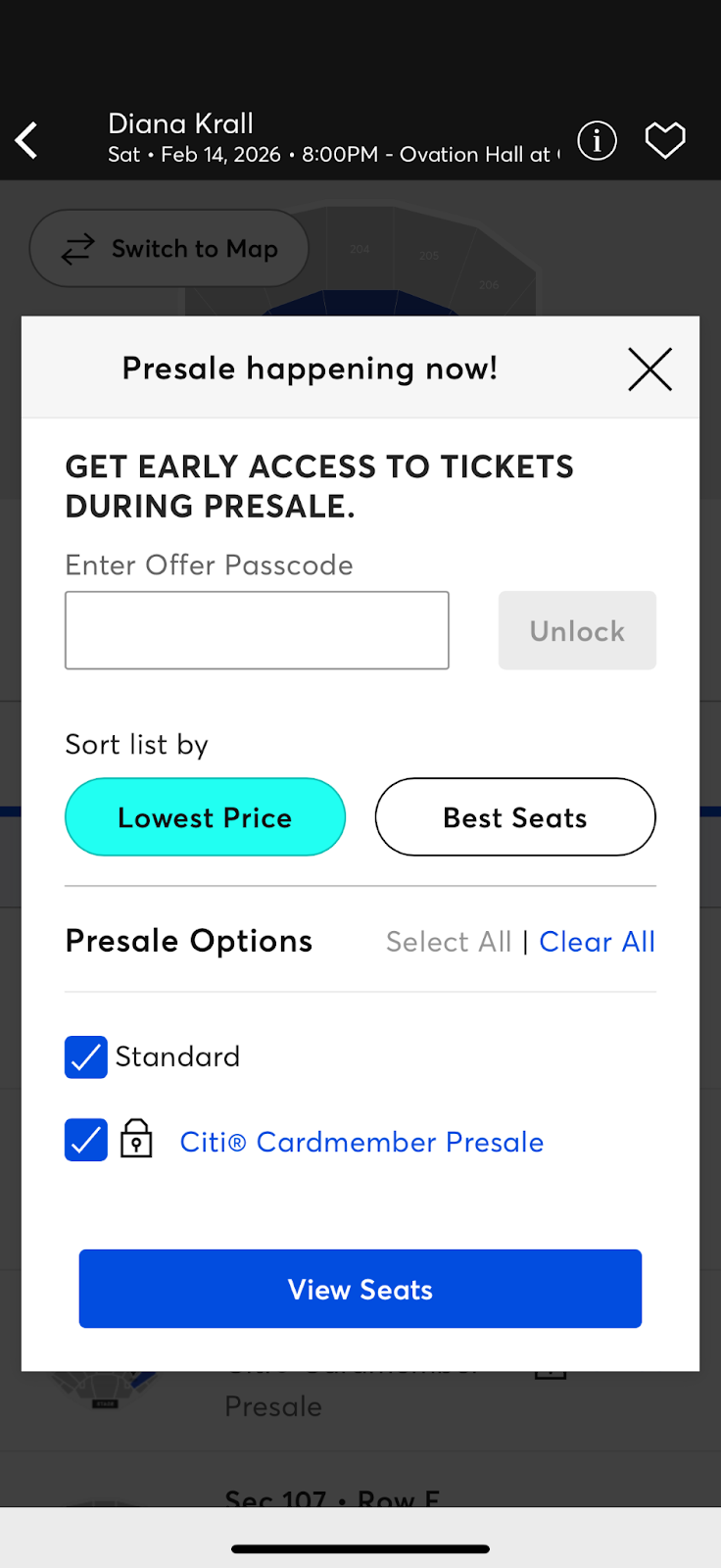
Ticketmaster presales are frequently hosted in partnership with third-party organizations, most notably major financial institutions like American Express or Citi. These partnerships rely on seamless API (Application Programming Interface) integrations to verify eligibility in real-time.
Financial Institution Handshakes
In a credit-card-exclusive presale, the user must typically enter the first six digits of their card (the BIN, or Bank Identification Number) to gain access. However, for the actual purchase, the system often requires the transaction to be completed using a card from that specific issuer. This requires a secure handshake between Ticketmaster’s payment gateway and the bank’s authorization servers. This integration ensures that the marketing promise of “exclusive access” is enforced by the software’s logic.
Fan Club and Artist Portal Integration
Many artists offer presale codes as a reward for joining a fan club or pre-ordering an album. This requires Ticketmaster to ingest large datasets from external sources—often the artist’s own e-commerce platform. These integrations must be handled with extreme care regarding data privacy and security. The use of OAuth (Open Authorization) protocols allows fans to link their fan club accounts to their Ticketmaster accounts without sharing their passwords, creating a secure bridge for the transfer of presale eligibility status.
Digital Security: Protecting the Integrity of the Sale
Beyond the queue and the algorithms, the Ticketmaster presale environment is a constant target for cybersecurity threats. Maintaining the integrity of a presale involves multi-layered defense mechanisms that operate silently in the background.
Advanced CAPTCHA and Human Verification
We have moved far beyond simple “type the words” CAPTCHA systems. Modern presales utilize “invisible” CAPTCHAs that analyze mouse movements, typing speed, and browser headers to determine if a user is human. If the system detects mechanical or superhuman precision, it will trigger a challenge-response test or simply block the IP address entirely. This is an ongoing arms race between ticketing platforms and bot developers who use machine learning to try and bypass these hurdles.
Rate Limiting and IP Intelligence
To prevent Distributed Denial of Service (DDoS) attacks and bulk scraping, Ticketmaster implements strict rate limiting. If a single IP address or a cluster of related IPs makes an excessive number of requests to the seat map API, the system will automatically throttle or “blackhole” that traffic. This is coupled with IP intelligence databases that flag known proxy servers and VPNs often used by scalpers to hide their true location.
The Future of Presale Technology: Blockchain and Dynamic Pricing
As technology evolves, the nature of the Ticketmaster presale is likely to shift toward even more secure and data-driven models. We are already seeing the integration of dynamic pricing engines and the exploration of blockchain technology.
Dynamic Pricing Algorithms
Many presales now utilize “Platinum” or “Dynamic” pricing. This is a software-driven model where the price of a ticket fluctuates in real-time based on supply and demand data gathered during the presale itself. If the system sees a massive spike in concurrent users for a specific section, the algorithm may automatically increase the price. This mimics the “surge pricing” seen in ride-sharing apps and is powered by real-time data analytics engines.
Decentralized Identifiers and NFTs
While still in its infancy for mainstream concerts, the use of blockchain technology offers a potential future for presale access. By issuing presale “tokens” or NFTs (Non-Fungible Tokens), a platform could create a truly unforgeable proof of eligibility. This would allow for a transparent and immutable record of who was granted access, potentially eliminating the issues of code-sharing and unauthorized reselling of access rights.
The Ticketmaster presale is far more than a simple early-access window; it is a high-performance digital event that pushes the boundaries of web architecture and cybersecurity. For the user, it is a stressful few minutes of watching a progress bar. For the engineers behind the scenes, it is a massive exercise in data integrity, server scalability, and algorithmic fairness. As long as the demand for live experiences exceeds the supply of seats, the technology of the presale will continue to be the primary arbiter of access in the digital age.
aViewFromTheCave is a participant in the Amazon Services LLC Associates Program, an affiliate advertising program designed to provide a means for sites to earn advertising fees by advertising and linking to Amazon.com. Amazon, the Amazon logo, AmazonSupply, and the AmazonSupply logo are trademarks of Amazon.com, Inc. or its affiliates. As an Amazon Associate we earn affiliate commissions from qualifying purchases.