
In the era of big data, the question of when people are born has shifted from a matter of mere curiosity to a complex exercise in demographic analytics and predictive modeling. For decades, researchers, statisticians, and data scientists have pored over millions of birth records to identify patterns that govern human arrival. While many assume that births are distributed evenly across the 365 days of the year, the reality is a fascinating study in seasonal variance, cultural influences, and the technological systems we use to track vital statistics.
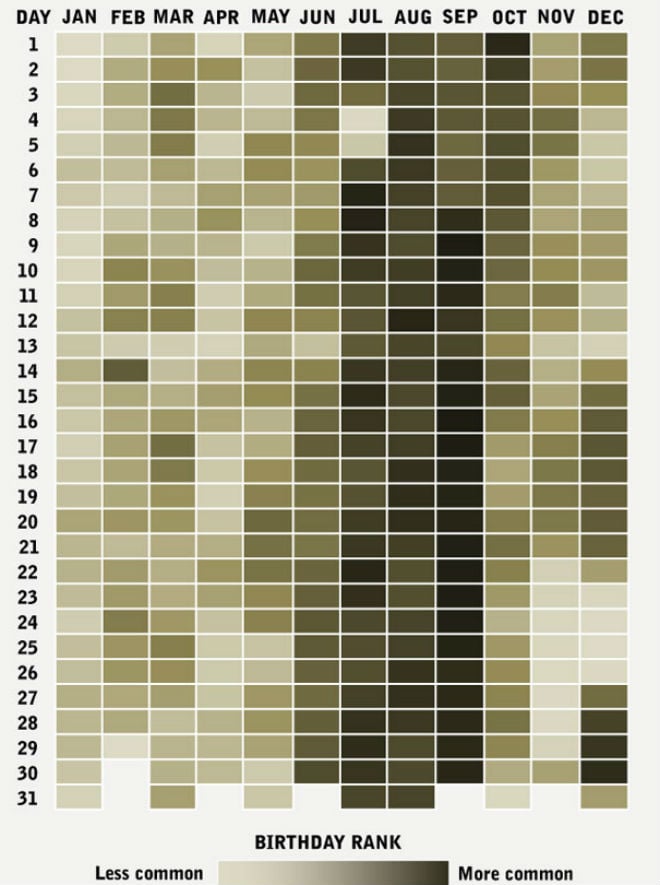
According to data compiled from the U.S. Social Security Administration and the National Center for Health Statistics, the most common birthdays consistently fall in the month of September. Specifically, September 9th, September 12th, and September 19th frequently compete for the top spot. However, understanding why these dates dominate the charts requires an exploration into the intersection of biology, data science, and the evolving infrastructure of digital record-keeping.
The Algorithmic Reality: Deciphering the Peak Birthday Data
To determine the most common birthday, data scientists utilize longitudinal datasets that span decades. By applying normalization techniques to these datasets, analysts can filter out anomalies—such as the surge of births following a natural disaster or the artificial dip seen on holidays—to find the true frequency distribution of human birth dates.
The Statistics of September: A Global Data Trend
In the Northern Hemisphere, the concentration of birthdays in mid-to-late September is a statistically significant phenomenon. Data analysis suggests that this peak is not a random occurrence but a reflection of a conception surge during the winter months. From a data visualization perspective, a heat map of birthdays shows a distinct “warm” zone between September 9th and September 20th.
During this window, hospitals and healthcare systems often see their highest throughput. For technology leaders in the healthcare sector, this predictability is vital. Modern Electronic Health Record (EHR) systems use these historical trends to forecast staffing needs and resource allocation. If the data indicates a 15% increase in births during the third week of September, predictive algorithms allow hospital administrators to ensure that both the human capital and the technical infrastructure—such as neonatal monitoring software—are prepared for the influx.
How Data Scientists Normalize Seasonal Variances
One of the challenges in identifying the most common birthday is “noise” in the data. For example, Leap Year (February 29th) is statistically the rarest birthday, but other dates like December 25th and January 1st also show significant dips. These dips aren’t biological; they are logistical.
In the modern medical landscape, a high percentage of births are scheduled via cesarean section or induction. Data shows that these procedures are rarely scheduled on major holidays or weekends. Consequently, the “most common” dates are almost always mid-week workdays in September. Data scientists must use smoothing algorithms to account for these artificial variances, ensuring that the resulting insights reflect actual population trends rather than the scheduling preferences of medical facilities.
The Tech Stack Behind Demographic Record Keeping
The transition from paper-based ledgers to high-availability digital databases has revolutionized how we track and analyze birth data. This technological evolution allows for real-time demographic monitoring that was impossible thirty years ago.
From Paper Records to Distributed Ledgers
Historically, birth records were siloed in local government offices, making national or global analysis a slow, manual process. Today, vital statistics are integrated into centralized government databases. In many jurisdictions, the moment a birth certificate is filed, the data is pushed through an API to social security systems, healthcare registries, and census databases.
The future of this data may lie in blockchain or distributed ledger technology (DLT). By using DLT, governments could create immutable, encrypted records of birth dates that are instantly verifiable while maintaining the highest levels of privacy. This would eliminate the lag time in demographic reporting, allowing researchers to identify shifts in birth patterns as they happen, rather than waiting for annual reports to be compiled and published.
Big Data and the Digitalization of Vital Statistics
The sheer volume of data involved in global birth tracking is staggering. With approximately 140 million births occurring annually worldwide, the storage and processing requirements are immense. Cloud-based data warehouses like Snowflake or Amazon Redshift allow demographic researchers to query massive datasets in seconds.
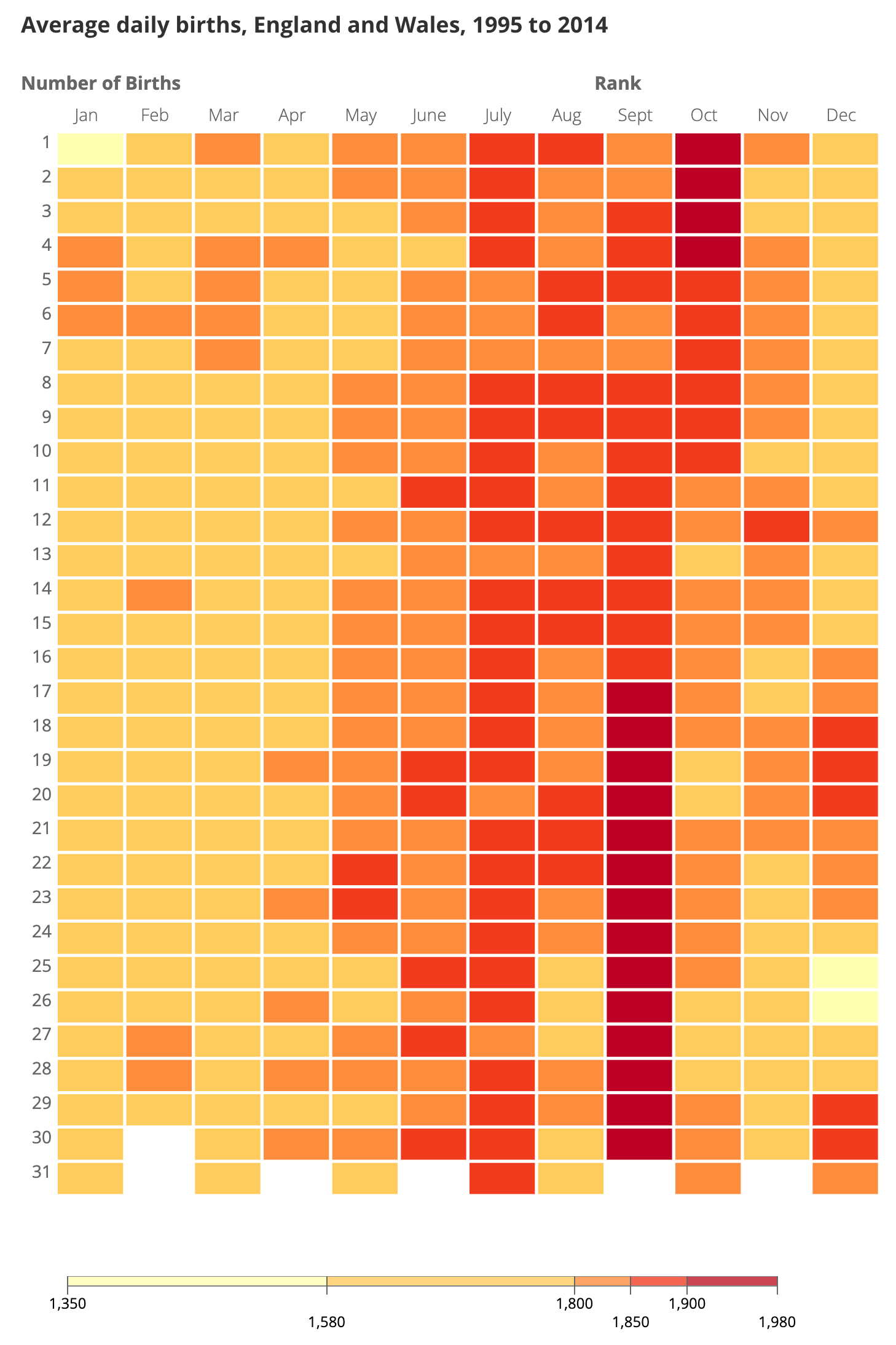
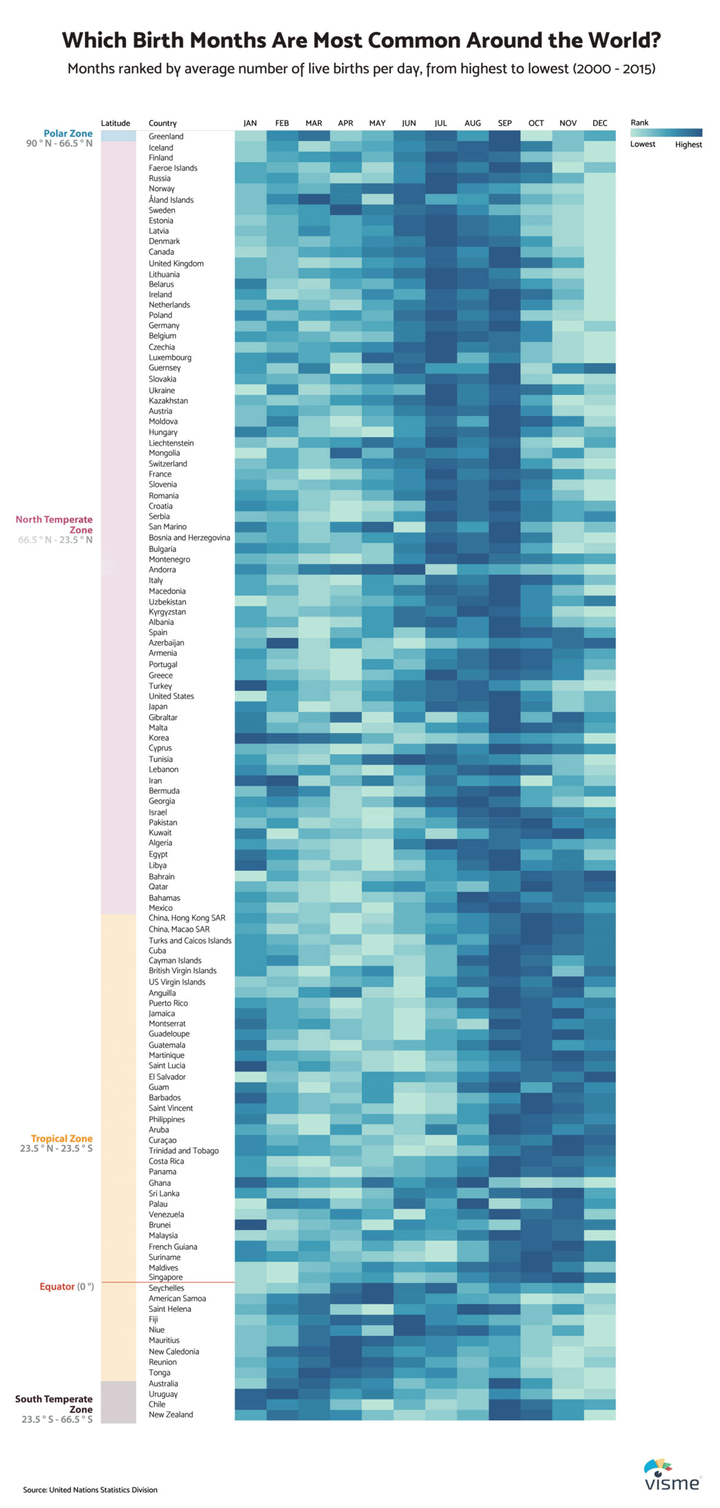
By leveraging these big data tools, analysts can correlate birthday peaks with other variables, such as climate data, economic indicators, or local cultural events. This multi-dimensional analysis provides a more granular view of why certain dates become “common.” For instance, tech-driven demographic studies have shown that as urbanization increases and climate-controlled environments become the norm, the “September peak” has begun to flatten slightly in some developed regions, a trend only detectable through high-resolution data analysis.
Predictive Analytics and the Business of Birthdays
The knowledge of when the most common birthdays occur is not just an academic pursuit; it is a critical data point for the global economy. From supply chain management to targeted digital marketing, the “September spike” triggers a series of automated technological responses.
Supply Chain Optimization for “Peak Birthday” Demand
Retailers and e-commerce platforms use predictive analytics to prepare for the surge in birthday-related spending. If September 9th is the most common birthday, the demand for celebration-related goods—electronics, toys, and apparel—peaks in the weeks leading up to that date.
Sophisticated inventory management software uses historical birthday data to trigger automatic reorder points. AI-driven logistics platforms optimize shipping routes and warehouse stocking levels to ensure that “just-in-time” delivery remains functional during high-volume periods. Without this data-driven foresight, the retail tech stack would struggle to handle the seasonal pressure caused by millions of people celebrating milestones simultaneously.
Machine Learning in Healthcare Resource Allocation
In the healthcare sector, machine learning models are trained on birth date frequencies to improve patient outcomes. By identifying the specific dates and weeks where birth rates are highest, AI models can predict potential shortages in NICU beds or specialized nursing staff.
Furthermore, pharmaceutical companies use this data to manage the distribution of vaccines and pediatric medications. If a significant percentage of the population is born within a specific sixty-day window, the “tech-enabled” supply chain must ensure that infant-specific medical supplies are geographically distributed to match that demographic reality.
Cybersecurity and the Vulnerability of Birth Dates
While the most common birthday is a fascinating statistic, it also poses a significant challenge in the realm of digital security. Birth dates serve as a primary piece of Personally Identifiable Information (PII), and their non-random distribution can, theoretically, be exploited.
PII and the Risk of “Static” Identifiers
In cybersecurity, a birth date is considered a “static” identifier—it cannot be changed. Because certain dates are significantly more common than others, they become higher-probability targets for brute-force attacks or identity theft schemes that use social engineering.
If an attacker knows that a target was born in September (the most common month), they have a statistically higher chance of guessing or “scraping” the exact date compared to other months. This highlights a fundamental flaw in using birth dates as a security layer. Security architects are increasingly moving toward multi-factor authentication (MFA) and biometric verification to move away from a reliance on birth dates, which are often easily discoverable via public records or social media.
The Future of Biometric Authentication vs. Traditional DOB
As we look toward the future of digital identity, the tech industry is shifting its focus. While your birthday will always be a part of your legal identity, its role in digital security is diminishing. The rise of FIDO2 standards and “passkeys” represents a move toward hardware-based security that doesn’t rely on the user remembering a date or a password.
Technologists argue that because birth dates are public and semi-predictable (thanks to data regarding common birthdays), they should never be used as a standalone security gate. Instead, modern systems use birth dates only as a secondary verification tool, often obscured through hashing algorithms to ensure that the actual date is never stored in plain text on a server.
The Evolution of Data Collection Methodologies
The way we define the “most common birthday” continues to evolve as our data collection methods become more sophisticated. In the past, we relied on decennial censuses; today, we have near-constant streams of data.
Digital transformation has allowed for the creation of “living datasets.” These are databases that update in real-time as hospitals log new arrivals. This shift from batch processing to stream processing means that we no longer have to wait years to see if the “September 9th” trend is holding steady. We can observe shifts in real-time, allowing for a more dynamic understanding of human demographics.
As we continue to integrate AI and machine learning into our social infrastructure, the most common birthday serves as a reminder of the patterns that exist within human life. Whether it is a hospital preparing for a busy week in September or an e-commerce giant optimizing its servers for a surge in gift-buying, the data behind our birth dates remains a cornerstone of modern technological planning and demographic insight. By understanding these peaks through the lens of data science, we can better build the systems that support our society from the very first day of life.
aViewFromTheCave is a participant in the Amazon Services LLC Associates Program, an affiliate advertising program designed to provide a means for sites to earn advertising fees by advertising and linking to Amazon.com. Amazon, the Amazon logo, AmazonSupply, and the AmazonSupply logo are trademarks of Amazon.com, Inc. or its affiliates. As an Amazon Associate we earn affiliate commissions from qualifying purchases.