
Navigating the landscape of compensation in the service industry is one of the most complex challenges for both business owners and workers. At the heart of this complexity is the concept of the tipped minimum wage—a legal framework that allows employers to pay certain staff members a lower direct hourly rate, provided that their tips bridge the gap to the standard minimum wage. Understanding these regulations is not merely a matter of legal compliance; it is a fundamental aspect of financial planning, payroll management, and personal wealth building.
For the business owner, miscalculating these figures can lead to devastating Department of Labor audits and back-pay settlements. For the employee, understanding these rights is the first step toward ensuring fair compensation and accurate tax reporting. To fully grasp what the minimum wage for a tipped employee is, one must examine the federal baseline, the significant variations across state lines, and the rigorous record-keeping requirements that govern the “tip credit.”
Understanding the Federal Landscape and the Tip Credit
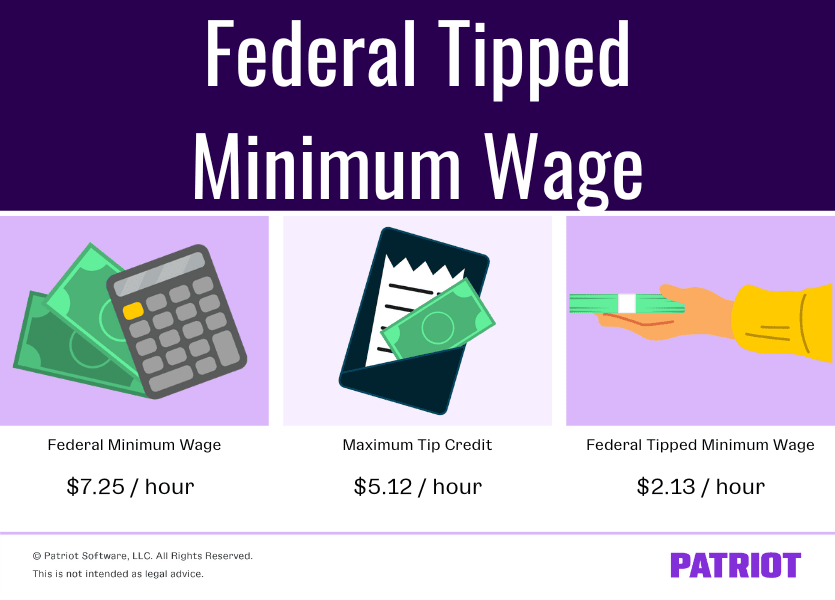
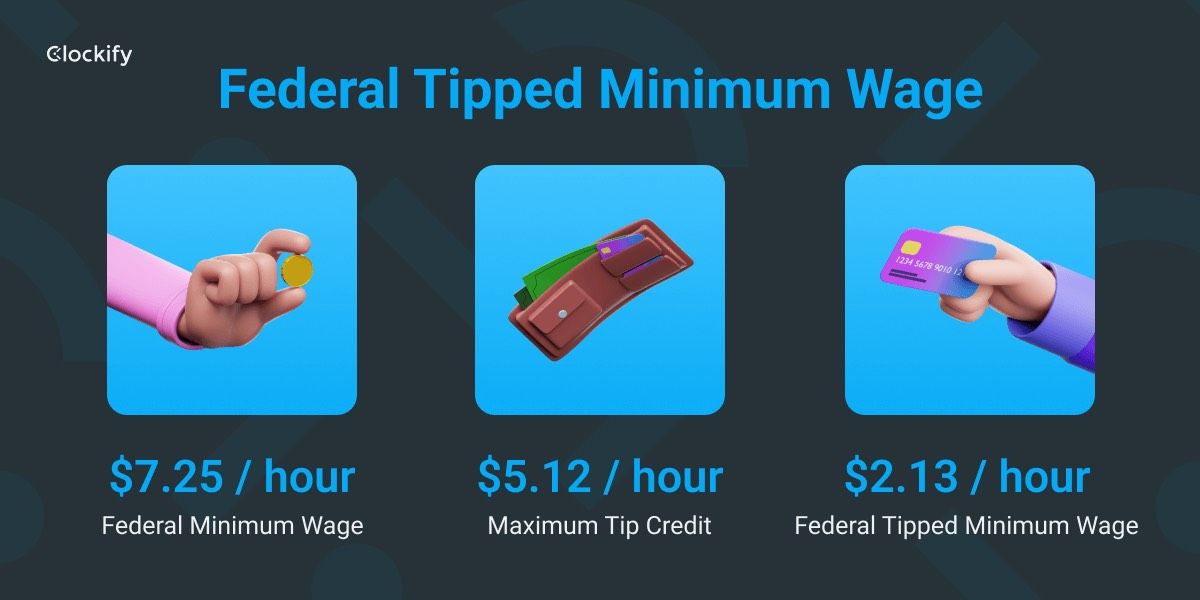
The federal guidelines for tipped employees are established by the Fair Labor Standards Act (FLSA). Under federal law, the minimum wage for a tipped employee is currently set at $2.13 per hour. This figure often surprises those outside the service industry, as it sits significantly lower than the standard federal minimum wage of $7.25 per hour. The difference between these two figures—$5.12—is known as the “tip credit.”
The Mechanics of the Tip Credit
The tip credit is a legal provision that allows an employer to count a portion of an employee’s tips toward the employer’s obligation to pay the standard minimum wage. However, this is not an unconditional discount for the business. For an employer to claim the tip credit, several criteria must be met:
- The employee must be informed of the tip credit provisions before it is applied.
- The employee must receive at least $30 per month in tips (the federal threshold for being considered a “tipped employee”).
- The employee must retain all tips received, except in cases of valid tip-pooling arrangements.
- The combination of the $2.13 direct wage and the tips received must equal at least the federal minimum wage of $7.25 per hour.
The Employer’s Liability
The most critical financial protection for the worker is the “make-up” requirement. If an employee’s tips, when added to their direct hourly wage of $2.13, do not reach the $7.25 hourly threshold during a workweek, the employer is legally obligated to pay the difference. This ensures that no tipped worker ever earns less than the standard minimum wage. From a business finance perspective, this means that labor costs in a slow week can unexpectedly spike, as the employer must subsidize the shortfall out of the company’s operating budget.
Identifying the Tipped Employee
Not every worker in a service environment qualifies for the tipped minimum wage. The Department of Labor defines a tipped employee as someone engaged in an occupation in which they customarily and regularly receive more than $30 a month in tips. This generally includes servers, bartenders, bellhops, and hair stylists. Back-of-house staff, such as dishwashers or cooks, usually do not meet this definition, which has significant implications for how tip pools are structured and how payroll is processed.
State Variations and the Erosion of the Tip Credit
While federal law provides a floor, it does not set a ceiling. Perhaps the most confusing aspect of tipped wages is the patchwork of state and municipal laws that often override federal standards. In the realm of personal finance and business strategy, knowing the specific geography of these laws is paramount.
States with Higher Direct Wages
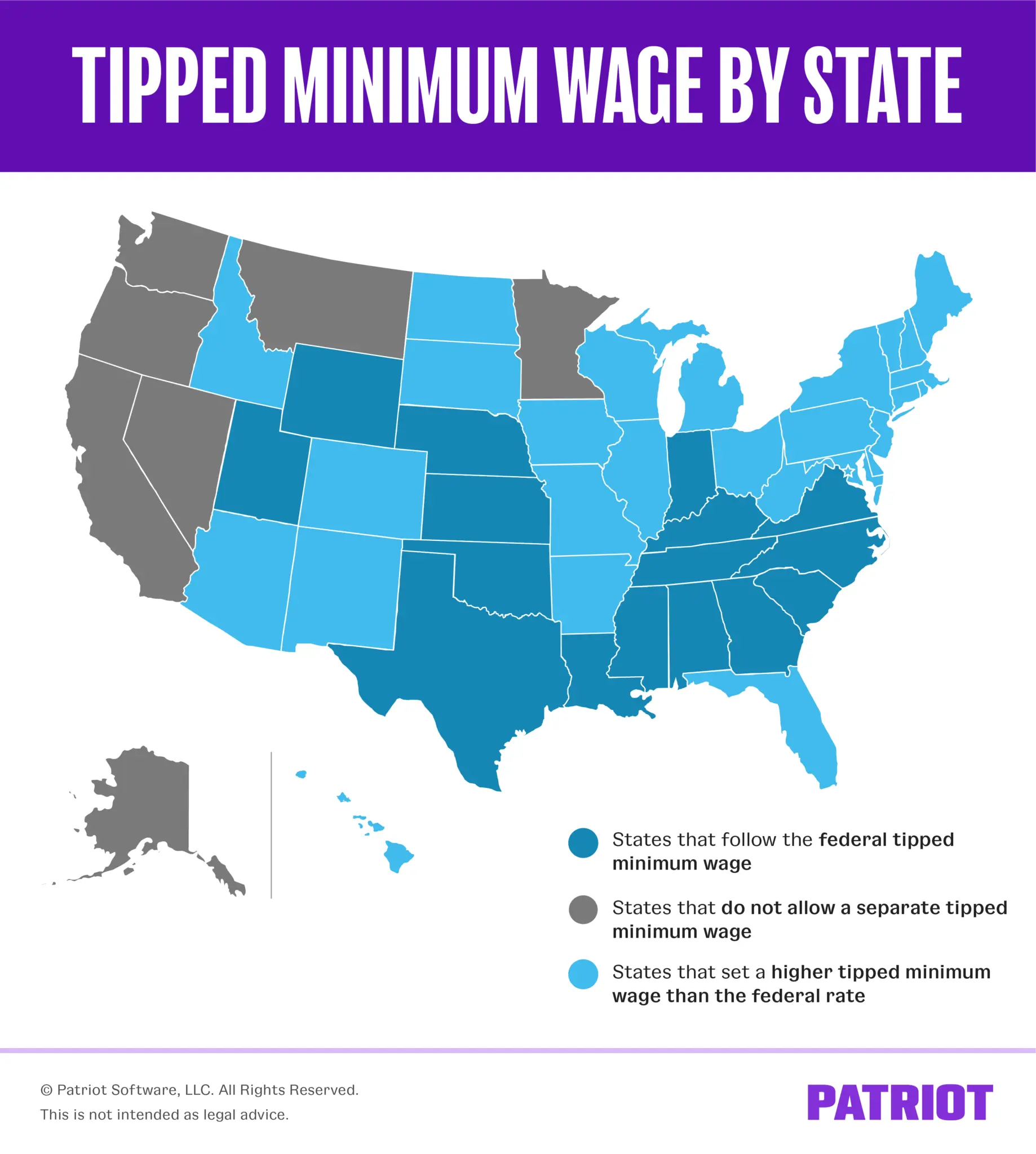
Many states have decided that the federal $2.13 rate is insufficient. For example, in states like Arizona, Colorado, and Florida, the tipped minimum wage is adjusted annually for inflation and sits significantly higher than the federal requirement. In these jurisdictions, the “tip credit” still exists, but the base pay the employer must provide is much closer to the standard minimum wage. This reduces the “gap” that tips must cover, providing a more stable income floor for the worker but increasing the fixed labor costs for the business.
The “One Fair Wage” Movement
The most significant shift in the financial landscape of the service industry is the move toward “One Fair Wage.” Currently, several states—including California, Oregon, Washington, Nevada, Montana, Alaska, and Minnesota—have completely abolished the tip credit. In these states, employers are required to pay the full state minimum wage to all employees, regardless of how much they earn in tips.
In a city like Seattle or San Francisco, a server might earn upwards of $16 or $19 per hour as a base wage while still collecting 15-25% in tips. This creates a vastly different financial profile for these workers compared to their counterparts in states like Texas or Georgia, where the $2.13 rate still prevails. For business owners in “One Fair Wage” states, the financial model often requires higher menu prices or “service charges” to offset the substantially higher payroll expenses.
Regional Economic Impact
The divergence between state laws creates a competitive environment for talent. In regions where neighboring states have different wage laws, we often see a migration of skilled service staff toward jurisdictions with higher base wages. For the savvy service professional, relocating to a state without a tip credit can be a strategic move to increase their baseline financial security without sacrificing the upside potential of gratuities.
Compliance, Regulation, and the 80/20/30 Rule
In recent years, the Department of Labor has tightened the rules regarding when an employer can actually apply the tip credit. This is a critical area for business finance management, as non-compliance can lead to “liquidated damages,” where an employer is forced to pay double the amount of back wages owed.
Distinguishing Between Tipped and Non-Tipped Tasks
The most important regulation to understand is the “80/20/30” rule. A tipped employee often performs duties that do not directly generate tips, such as rolling silverware, cleaning tables, or prepping a garnish station. The DOL dictates that an employer can only take a tip credit for the time an employee spends performing “tip-producing work” or “directly supporting work.”
The Specifics of the 80/20/30 Rule
- The 20% Threshold: If an employee spends more than 20% of their workweek on “supporting” tasks (like side-work), the employer cannot claim the tip credit for the time exceeding that 20%. They must pay the full minimum wage for that excess time.
- The 30-Minute Rule: If an employee performs supporting work for more than 30 consecutive minutes, the employer must pay the full minimum wage for any time beyond that 30-minute mark.
This rule requires meticulous time-tracking. From a business operations standpoint, it means that managers must be highly disciplined about how they schedule staff and when they ask them to perform non-service duties.
Record-Keeping and Transparency
To protect against legal challenges, businesses must maintain transparent records of tip income. Many modern Point of Sale (POS) systems now include features that prompt employees to declare their cash tips at the end of every shift. For the employee, accurate reporting is equally important; while it may be tempting to under-report cash tips to reduce tax liability, doing so can negatively impact their ability to qualify for mortgages, car loans, or unemployment benefits, all of which rely on documented income.
The Financial Implications for Business Owners and Staff
The tipped minimum wage is more than just a number; it is a pivot point for the entire financial health of a service-based enterprise.
Payroll Budgeting and Taxes
For an employer, the tip credit is a double-edged sword. While it lowers the immediate hourly wage expense, it complicates tax calculations. Employers are responsible for paying their share of FICA (Social Security and Medicare) taxes on the full amount of wages and tips reported. To alleviate this burden, the federal government offers the “FICA Tip Credit” (Section 45B of the Internal Revenue Code). This allows businesses to claim a tax credit for the Social Security and Medicare taxes they pay on tips in excess of those used to meet the minimum wage. Managing this credit is a vital part of a restaurant’s tax strategy and can save a medium-sized establishment tens of thousands of dollars annually.
Tip Pooling and Sharing Agreements
Another layer of financial complexity involves how tips are distributed. “Tip pooling” is a common practice where tips are collected and redistributed among a group of employees. Under federal law, if an employer takes a tip credit, they can only include “traditionally tipped” employees in the pool. However, if the employer pays the full minimum wage (taking no tip credit), they can legally include back-of-house staff like cooks and dishwashers in the pool. This decision significantly impacts the “take-home pay” of different departments and is a major lever in balancing internal pay equity.
Attracting Talent in a Competitive Market
In the modern economy, simply paying the legal minimum is often insufficient to attract and retain high-quality staff. Many businesses are choosing to move away from the $2.13 model voluntarily to compete for labor. When a worker evaluates a job offer, they are looking at the “effective hourly rate”—the base wage plus expected tips divided by hours worked. In high-volume establishments, this can exceed $40 or $50 per hour. Businesses must be financially literate enough to communicate these “total compensation” figures to prospective hires.
The Future of Tipped Compensation in a Modern Economy
The debate over the tipped minimum wage is reaching a boiling point in the United States. Economic shifts and changing consumer behaviors are forcing a re-evaluation of how service workers are paid.
The Trend Toward Automation and Surcharges
As the cost of labor increases due to rising state minimums and the phasing out of the tip credit, many businesses are turning to technology. Tableside tablets and QR code ordering reduce the need for a large floor staff, allowing businesses to pay a smaller number of employees a higher base wage. Additionally, “automatic gratuities” or “wellness fees” are becoming more common. These are technically service charges, not tips, meaning they belong to the house and can be used to pay higher base wages across the board.
Long-term Financial Planning for Tipped Workers
For the employee, the tipped wage model creates a “variable income” scenario. Unlike a salaried position, a tipped worker’s income can fluctuate wildly based on the season, the weather, or the economy. This necessitates a more sophisticated approach to personal finance. Tipped workers must build larger emergency funds to weather slow periods and be diligent about retirement contributions (like an IRA), as they often lack the employer-sponsored 401(k) plans common in other industries.
Conclusion: A Dynamic Financial Metric
What is the minimum wage for a tipped employee? The answer is $2.13 at the federal level, but it is effectively much higher in most of the country. For the business owner, it is a calculation of credits, tax incentives, and compliance risks. For the employee, it is the floor upon which their livelihood is built. As the “One Fair Wage” movement gains momentum and federal legislation like the Raise the Wage Act remains a topic of national conversation, the financial strategies surrounding tipped wages will continue to evolve, requiring constant vigilance and adaptability from everyone in the service economy.
aViewFromTheCave is a participant in the Amazon Services LLC Associates Program, an affiliate advertising program designed to provide a means for sites to earn advertising fees by advertising and linking to Amazon.com. Amazon, the Amazon logo, AmazonSupply, and the AmazonSupply logo are trademarks of Amazon.com, Inc. or its affiliates. As an Amazon Associate we earn affiliate commissions from qualifying purchases.