
In the lexicon of wealth management, few words carry as much weight—or are as frequently misunderstood—as “prudent.” While the general dictionary definition suggests simple caution or wisdom, its application within the financial sector is far more rigorous. To be prudent in a financial context is to exercise sound judgment, disciplined foresight, and a meticulous balance between risk and reward. It is the cornerstone of fiduciary responsibility and the primary differentiator between a speculator and a true investor.
Understanding the meaning of prudent is essential for anyone looking to navigate the complexities of personal finance, corporate accounting, or institutional investing. It is not merely about avoiding risk; it is about the intelligent management of risk to ensure long-term sustainability and growth.
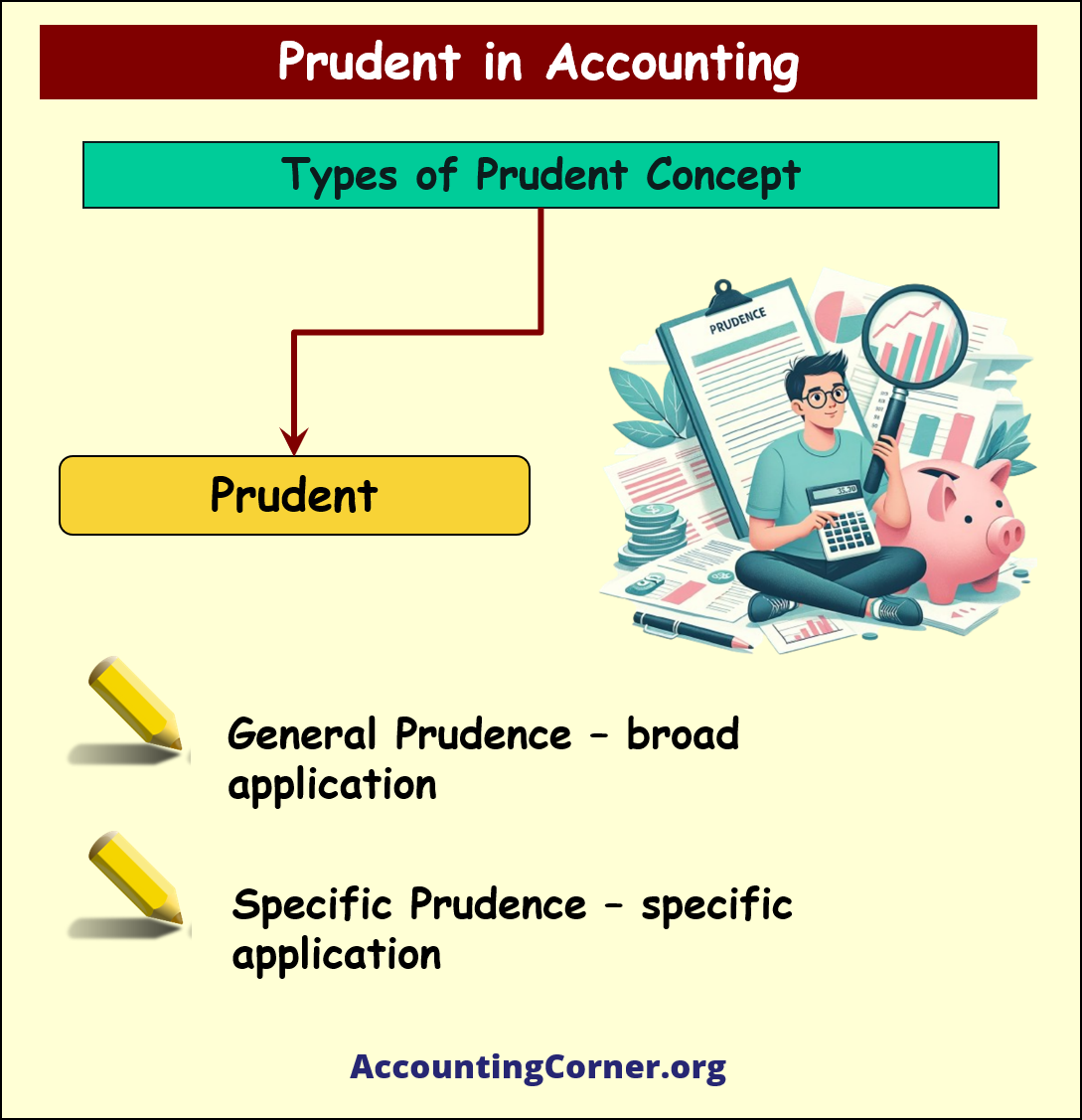
The Prudent Investor Rule: Foundations of Wealth Management
The financial definition of prudence is deeply rooted in legal history, specifically through the “Prudent Investor Rule.” This doctrine serves as a guideline for trustees and investment professionals, dictating how they must manage assets on behalf of others.
The Historical Shift from Static to Modern Prudence
Historically, prudence was often interpreted as extreme conservatism. In the 19th century, following the landmark 1830 Massachusetts court case Harvard College v. Amory, the “Prudent Man Rule” was established. It stated that a trustee must observe how men of “prudence, discretion, and intelligence” manage their own affairs, not in regard to speculation, but in regard to the permanent disposition of their funds.
For many years, this was interpreted as a requirement to avoid “risky” individual stocks in favor of government bonds or blue-chip equities. However, the modern interpretation has evolved. Today, the Uniform Prudent Investor Act (UPIA) shifts the focus from the riskiness of a single investment to the behavior of the portfolio as a whole. Prudence now means achieving diversification. An investment that seems risky in isolation may be perfectly prudent when it serves as a hedge within a broader, well-balanced strategy.
Fiduciary Duty and Professional Prudence
For financial advisors and institutional managers, being prudent is a legal mandate. This fiduciary duty requires them to put the client’s interests above their own. A prudent advisor does not chase the latest meme stock or high-volatility crypto asset simply because of market hype. Instead, they conduct deep due diligence, assessing the underlying value, liquidity, and fit of an asset within the client’s specific financial timeline and risk tolerance.
Prudence in Personal Finance: Beyond Saving Pennies
While institutional prudence is governed by law, personal prudence is governed by discipline. In personal finance, the meaning of prudent manifests as the ability to make choices today that protect and enhance one’s future financial self. It is the antithesis of the “get rich quick” mentality.
The Strategic Emergency Fund
A prudent individual recognizes that the economy is cyclical and life is unpredictable. Therefore, the first act of financial prudence is the establishment of a robust emergency fund. This isn’t just “saving for a rainy day”; it is a strategic liquidity reserve. By maintaining three to six months of expenses in a highly liquid account, a person gains the “optionality” to avoid high-interest debt when emergencies arise. Prudence, in this case, is the purchase of peace of mind and financial autonomy.
Debt Management: Distinguishing Utility from Destruction
Prudence is not a blanket ban on borrowing money. Rather, it is the sophisticated understanding of the difference between “good debt” and “bad debt.” A prudent financial actor may use a mortgage to acquire an appreciating asset or take out a low-interest business loan to scale a profitable enterprise. Conversely, using high-interest credit cards to fund a lifestyle beyond one’s means is the peak of imprudence. Prudence requires evaluating the cost of capital against the expected return of the expenditure.
The Power of Delayed Gratification
At its core, personal financial prudence is the practice of delayed gratification. It involves the conscious decision to allocate current income toward assets (stocks, real estate, retirement accounts) rather than liabilities (depreciating luxury goods). This “wise stewardship” of capital allows for the miracle of compound interest to work effectively over decades. To be prudent is to value the freedom of tomorrow more than the fleeting status symbols of today.

Strategic Prudence in Business and Corporate Finance
In the corporate world, prudence is often reflected in a company’s balance sheet and its approach to capital allocation. A prudent corporation is one that balances the need for aggressive growth with the necessity of maintaining a “margin of safety.”
Capital Allocation and the Margin of Safety
The concept of a “margin of safety,” popularized by Benjamin Graham, is the ultimate expression of corporate prudence. It suggests that one should only invest in a business or project when the price is significantly below the intrinsic value, providing a buffer against errors in judgment or market downturns.
A prudent CEO does not overleverage the company during boom times. Instead, they maintain a healthy debt-to-equity ratio and ensure that the company has enough cash flow to survive a “black swan” event. We see this in companies like Berkshire Hathaway, which maintains massive cash reserves. While critics might call this “drag” on returns during a bull market, it is the definition of prudence, allowing the firm to buy distressed assets at a discount when the market eventually crashes.
Conservative Accounting Practices
Prudence also dictates how a company reports its earnings. Under various accounting frameworks, the “Prudence Concept” (also known as the Conservatism Principle) suggests that a company should record expenses and liabilities as soon as they are possible, but only record revenues and assets when they are certain. This prevents the artificial inflation of a company’s financial health, ensuring that investors and stakeholders have a realistic view of the firm’s solvency.
Psychological Barriers to Prudent Financial Decision Making
If being prudent is so clearly beneficial, why is it so difficult to practice? The answer lies in human psychology. Our brains are hardwired for immediate rewards and social signaling, both of which are enemies of financial prudence.
Overcoming FOMO and Herd Mentality
The “Fear of Missing Out” (FOMO) is perhaps the greatest driver of imprudent financial behavior. When neighbors, friends, or social media influencers are making rapid gains in a speculative bubble, the pressure to join in is immense. Prudence requires the emotional intelligence to stay the course when the crowd is running toward a cliff. It is the ability to say “no” to an opportunity that one does not fully understand, regardless of how much others seem to be profiting.
The Dangers of Over-Caution
Interestingly, there is such a thing as being “imprudently cautious.” In an inflationary environment, holding 100% of one’s net worth in cash is not prudent; it is a guaranteed loss of purchasing power. True prudence involves identifying the “middle path.” It is the recognition that while volatility is a risk, the failure to grow one’s wealth to meet future needs is an even greater risk. Therefore, a prudent person accepts a calculated amount of market volatility in exchange for the long-term growth necessary to outpace inflation.
Implementing a Prudent Financial Framework Today
Transitioning from a reactive financial life to a prudent one requires a systematic approach. It is not an overnight transformation but a shift in the framework through which you view every dollar.
Leveraging Financial Tools for Foresight
In the modern era, prudence is aided by technology. Utilizing automated savings tools, portfolio trackers, and tax-optimization software allows an individual to maintain a prudent strategy with minimal friction. Automation removes the “decision fatigue” that often leads to impulsive spending. A prudent modern investor sets up automatic contributions to diversified index funds, ensuring that their investment strategy is executed consistently, regardless of market sentiment.

Building a Legacy through Generational Prudence
Finally, the meaning of prudent extends beyond the individual’s lifespan. It involves estate planning, the use of trusts, and the education of the next generation. A prudent person views wealth not just as a tool for personal consumption, but as a legacy to be managed and passed on. This involves creating structures that protect assets from excessive taxation and legal vulnerabilities, ensuring that the fruits of one’s labor benefit future generations.
In conclusion, to be prudent is to be the master of one’s financial destiny rather than a servant to market whims. It is a philosophy of moderation, an exercise in analytical rigor, and a commitment to long-term stability. Whether you are managing a household budget or a multi-billion dollar pension fund, the meaning of prudent remains the same: it is the wise and careful management of resources to ensure that the future is never sacrificed for the sake of the present.
aViewFromTheCave is a participant in the Amazon Services LLC Associates Program, an affiliate advertising program designed to provide a means for sites to earn advertising fees by advertising and linking to Amazon.com. Amazon, the Amazon logo, AmazonSupply, and the AmazonSupply logo are trademarks of Amazon.com, Inc. or its affiliates. As an Amazon Associate we earn affiliate commissions from qualifying purchases.