
Understanding the Martian atmosphere is no longer just a pursuit for planetary scientists; it has become the fundamental challenge for the next generation of aerospace engineers, software developers, and hardware designers. Often described as a “near-vacuum,” the atmosphere of Mars presents a unique set of technical hurdles that dictate everything from the software logic of landing sequences to the material science of protective shielding. To ask “what is the Mars atmosphere” is to ask what constraints we must overcome to make humanity a multi-planetary species.
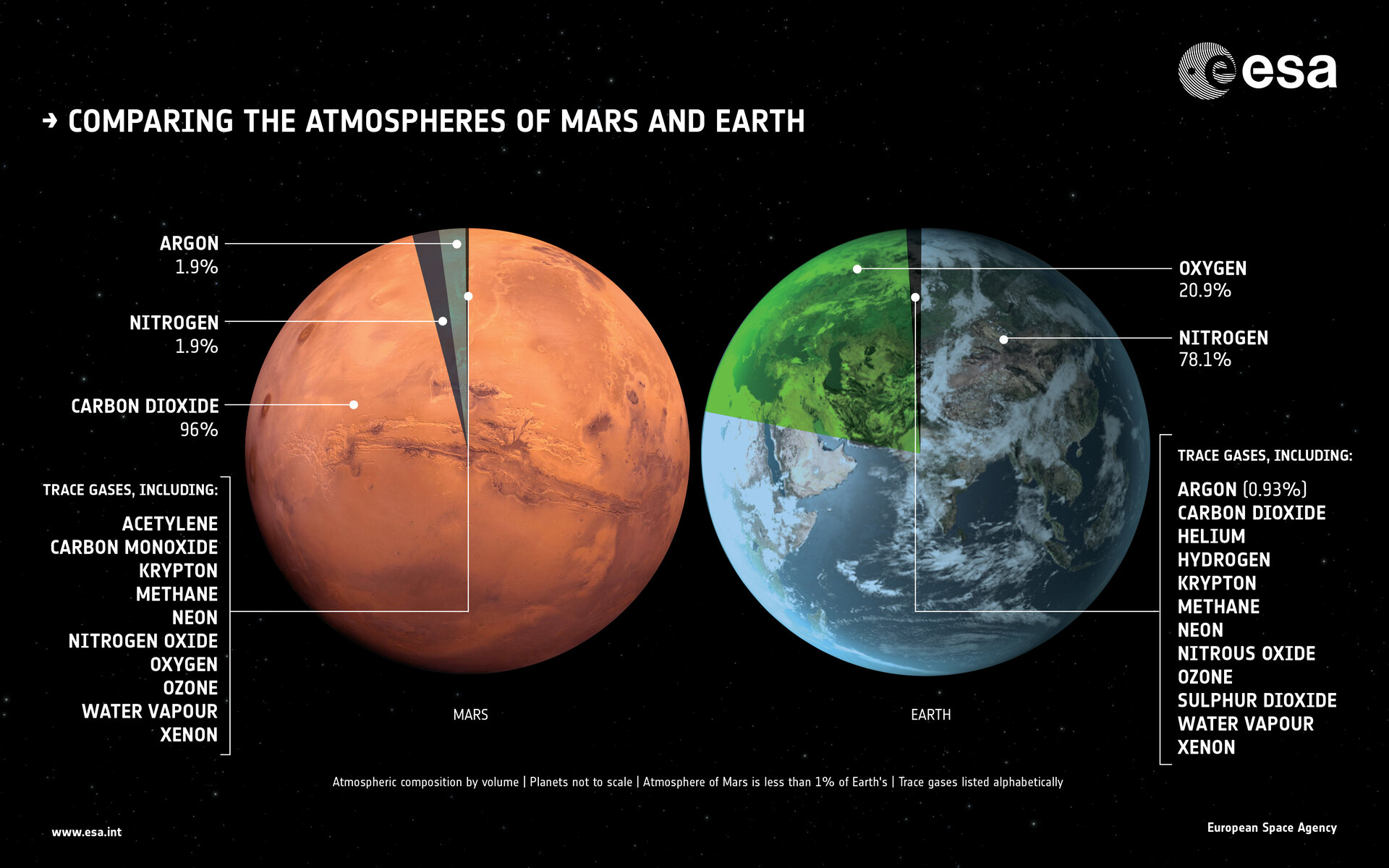
The Martian atmosphere is approximately 100 times thinner than Earth’s, composed of 95% carbon dioxide, 3% nitrogen, and 1.6% argon, with trace amounts of oxygen and water vapor. For technology to function in this environment, it must account for a surface pressure that averages only 0.6% of Earth’s mean sea-level pressure. This article explores the technological innovations required to navigate, survive, and eventually manipulate the thin, cold, and dusty veil that surrounds the Red Planet.
The Composition Challenge: Sensor Tech and Chemical Analysis
To understand the Martian atmosphere, we first had to build the tools capable of “tasting” it. The evolution of sensor technology over the last four decades—from the Viking landers to the Perseverance rover—represents a massive leap in digital spectrometry and remote sensing.
Advanced Spectrometry and Gas Chromatography
The Sample Analysis at Mars (SAM) instrument suite on the Curiosity rover and the SHERLOC (Scanning Habitable Environments with Raman & Luminescence for Organics & Chemicals) instrument on Perseverance are masterpieces of miniaturized tech. These devices use tunable laser spectrometers to identify the chemical fingerprints of the atmosphere.
Engineering these sensors requires overcoming “outgassing”—the tendency of materials to release trapped gases in a low-pressure environment—which can contaminate readings. The hardware must be hermetically sealed and utilize specialized lubricants that don’t vaporize in the thin Martian air. This level of precision engineering is now being applied to Earth-based industrial sensors used in high-vacuum manufacturing and semiconductor fabrication.
Telemetry and Data Transmission Across the Void
Measuring the atmosphere is useless if the data cannot reach Earth. The Mars Reconnaissance Orbiter (MRO) acts as a high-speed data relay, utilizing X-band and Ka-band radio frequencies to transmit atmospheric profiles back to the Deep Space Network. The software protocols managing this data must account for extreme latency (anywhere from 4 to 24 minutes) and use sophisticated error-correction algorithms to ensure that the “packets” of atmospheric data remain intact across millions of miles of solar radiation.
Life Support Systems: Harvesting the Atmosphere
The most significant technological shift in recent years is the move from observing the atmosphere to utilizing it. This is known as In-Situ Resource Utilization (ISRU), and it is the cornerstone of future human colonization.
MOXIE: The Proof of Concept
The Mars Oxygen In-Situ Resource Utilization Experiment (MOXIE) is a gadget currently on Mars that has successfully demonstrated the ability to turn Martian CO2 into breathable oxygen. From a tech perspective, MOXIE is a solid oxide electrolysis unit. It heats Martian air to approximately 800 degrees Celsius and uses electricity to strip oxygen atoms from the CO2 molecules.
The software controlling MOXIE must manage thermal expansion and power distribution with extreme care. Because the Martian atmosphere is so thin, heat dissipation is difficult; there isn’t enough air to carry heat away via convection. This requires sophisticated thermal management software and hardware insulation that would be considered overkill for any terrestrial application.
Pressurization and Seal Integrity
In a 95% carbon dioxide environment, a breach in a habitat’s seal is catastrophic. Modern aerospace engineering is focusing on “self-healing” polymers and digital twin monitoring systems. Sensors embedded within the walls of a habitat use AI to detect pressure fluctuations and identify microscopic structural fatigue long before a leak occurs. These digital security measures for physical structures are the “firewalls” of the Martian frontier.
Flight and Entry: The Physics of Thin Air
Perhaps the greatest technical feat in relation to the Mars atmosphere is the ability to fly through it. The density of the air is so low that it behaves differently than the air we navigate on Earth, requiring a complete rethink of aerodynamics and autonomous software.
The Ingenuity Helicopter: A Masterclass in High-RPM Engineering
The Ingenuity Mars Helicopter proved that powered, controlled flight is possible on Mars. However, to achieve lift in an atmosphere that is only 1% as dense as Earth’s, the blades had to spin at 2,400 to 2,700 RPM—roughly eight times faster than a standard helicopter on Earth.
The tech stack for Ingenuity included a Qualcomm Snapdragon processor and a Linux-based operating system. Because the atmosphere is too thin for real-time human piloting from Earth, the helicopter’s flight software had to be entirely autonomous, making thousands of micro-adjustments per second to account for wind gusts and thermal pockets. This represents a massive milestone for AI-driven edge computing in extreme environments.
The “Seven Minutes of Terror”
Landing a rover requires navigating the Mars atmosphere at hypersonic speeds. The Entry, Descent, and Landing (EDL) sequence relies on a synergy of hardware and software. The supersonic parachutes used for Perseverance were tested using advanced fluid dynamics simulations on some of the world’s most powerful supercomputers.
The “Sky Crane” maneuver—where a rocket-powered platform lowers the rover via nylon tethers—is a response to the fact that the atmosphere is too thin to slow a heavy rover down with parachutes alone, but thick enough to cause significant frictional heat. The heat shields use PICA (Phenolic-Impregnated Carbon Ablator), a material that slowly burns away to carry heat away from the payload. The transition from parachute to rockets is handled by the “Terrain-Relative Navigation” (TRN) system, a computer vision tool that matches real-time photos of the surface to pre-loaded orbital maps.
Digital Twins and Predictive Modeling: AI in the Martian Sky
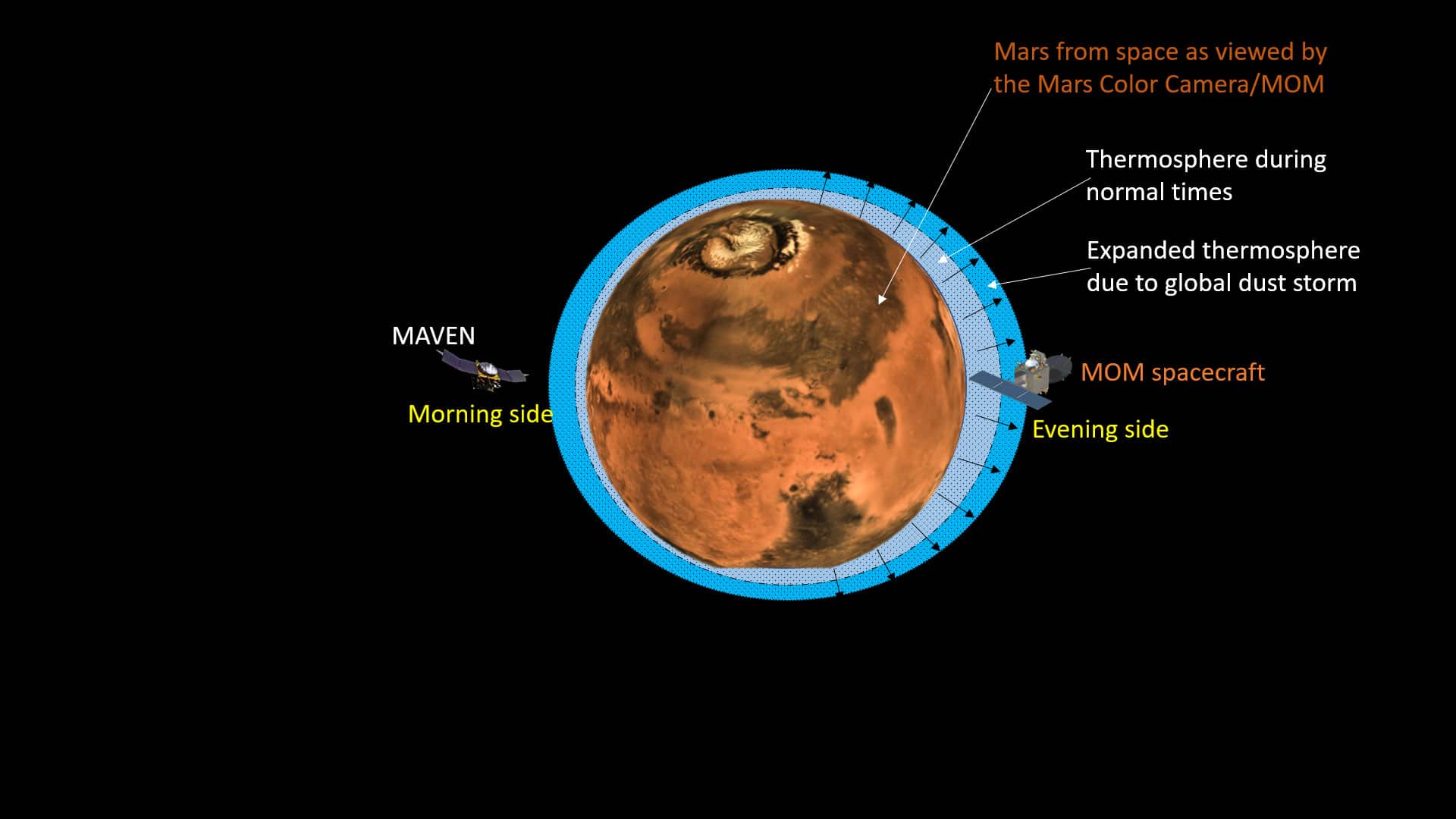
Predicting the weather on Mars is vital for the safety of solar-powered robots and future human missions. Global dust storms can blanket the planet for months, blocking the sun and choking machinery.
High-Performance Computing (HPC) and Weather AI
NASA and private space firms use “Digital Twins”—virtual replicas of the Martian environment—to run simulations of atmospheric behavior. These models utilize machine learning algorithms to predict the onset of dust devils and regional storms. By analyzing historical data from orbiters, the AI identifies patterns in temperature shifts and pressure drops that precede a storm.
This predictive tech is increasingly relevant on Earth. The same climate modeling software used to understand the Martian CO2 cycle is being adapted to track carbon sequestration and atmospheric changes on our home planet, proving that the tech built for Mars has immediate terrestrial value.
Machine Learning in Navigation
Rovers now use autonomous navigation (AutoNav) software to plot paths around obstacles. Part of this logic includes “atmospheric awareness,” where the rover evaluates the clarity of the air to determine if its solar panels will receive enough charge or if the visual sensors will be obscured by “lofting” dust. This level of environmental AI is the precursor to the fully autonomous systems we expect to see in self-driving vehicles and smart cities.
The Future of Atmospheric Manipulation
While we are currently focused on surviving the Martian atmosphere, the long-term tech roadmap includes changing it. Terraforming is no longer relegated to science fiction; it is a subject of serious engineering debate.
Orbital Mirrors and Greenhouse Gas Synthesis
One proposed tech solution to thicken the atmosphere involves launching massive orbital mirrors to reflect sunlight onto the Martian polar caps. This would sublimate the frozen CO2, increasing the atmospheric pressure through a positive feedback loop.
Another approach involves the automated synthesis of “super-greenhouse” gases like sulfur hexafluoride. Engineering the chemical plants required to run autonomously on a distant planet for decades is a monumental task. It would require a level of robotics and industrial AI that surpasses anything currently in operation, involving “swarm” robots capable of self-repair and resource extraction.
Magnetic Shielding
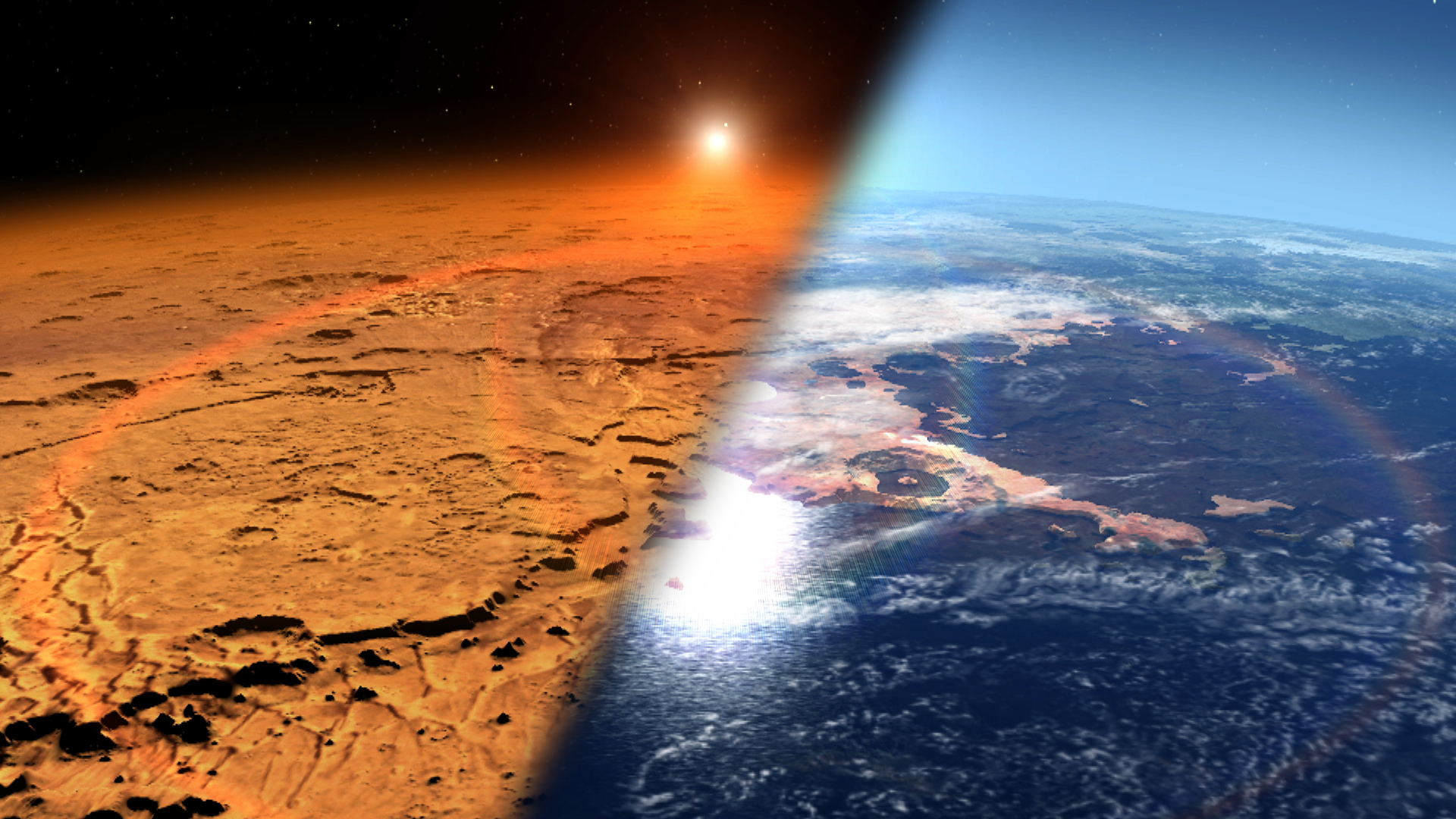
A major reason the Mars atmosphere is so thin is that it lacks a global magnetic field to protect it from solar wind. Technology concepts are now being drafted for a “magnetic shield” at the Mars L1 Lagrange point. This would involve a high-power superconducting magnet that creates an artificial magnetosphere, allowing the atmosphere to naturally thicken over time without being “stripped” away by the sun. The power requirements for such a device are immense, likely requiring a new generation of compact nuclear fusion reactors—a tech trend that would revolutionize energy production on Earth as well.
The Mars atmosphere is a harsh master, but it is also the ultimate laboratory for 21st-century technology. Every hurdle it presents—from the low pressure and CO2 levels to the pervasive dust—forces us to innovate in fields like AI, robotics, material science, and chemical engineering. As we continue to develop the gadgets and software necessary to navigate this thin red veil, we are not just learning about another planet; we are upgrading the technological capabilities of our own civilization.
aViewFromTheCave is a participant in the Amazon Services LLC Associates Program, an affiliate advertising program designed to provide a means for sites to earn advertising fees by advertising and linking to Amazon.com. Amazon, the Amazon logo, AmazonSupply, and the AmazonSupply logo are trademarks of Amazon.com, Inc. or its affiliates. As an Amazon Associate we earn affiliate commissions from qualifying purchases.