
In the traditionalist world of professional tennis, where the four Grand Slams have reigned supreme for over a century, the emergence of the Laver Cup in 2017 represented a seismic shift in how sports properties are built, branded, and marketed. While it is ostensibly a three-day men’s tennis tournament between Team Europe and Team World, the Laver Cup is, at its core, a sophisticated brand case study. It is a product of high-level strategic alignment, leveraging the personal brand equity of icons like Roger Federer and Rod Laver to create a premium, high-stakes atmosphere in a sport often characterized by individual isolation.
To understand what the Laver Cup is, one must look beyond the scores on the scoreboard and examine the meticulous construction of its corporate identity. It is a boutique sports property that has successfully navigated the “white space” of the tennis calendar, transforming an exhibition-style format into a must-see commercial powerhouse that commands the attention of global broadcasters and luxury sponsors alike.
The Architecture of a Modern Sports Powerhouse
The Laver Cup was not born out of a vacuum; it was a calculated venture by Team8, the management agency co-founded by Roger Federer and Tony Godsick, in partnership with Tennis Australia and Brazilian businessman Jorge Paulo Lemann. From its inception, the brand was engineered to solve a specific problem in tennis: the lack of a “Ryder Cup” equivalent that could foster team-based drama and regional loyalty.
Bridging the Gap Between Tradition and Innovation
The decision to name the tournament after Rod Laver was a masterstroke in brand positioning. By honoring the only player to achieve two calendar-year Grand Slams, the founders anchored a brand-new event in the deep history and prestige of the sport. This gave the Laver Cup instant “legacy equity,” preventing it from being dismissed as a mere exhibition. The brand message was clear: this is an event for the greats, sanctioned by the legends of the past, and contested by the stars of the present.
This bridge between eras is further reinforced by the captains. By appointing Björn Borg and John McEnroe—one of the greatest rivalries in sports history—as the inaugural leaders of Team Europe and Team World, the brand tapped into a ready-made narrative of competition and mutual respect. This strategic casting ensured that the brand identity was rooted in high-performance competition rather than casual play.
Leveraging the Federer Brand Equity
The Laver Cup is perhaps the most significant extension of the Roger Federer brand. Federer’s involvement as a founder, player, and ambassador provided the event with a level of “halo effect” rarely seen in new sports ventures. His reputation for elegance, precision, and excellence became synonymous with the tournament. For fans and sponsors, the Laver Cup wasn’t just a new tournament; it was a Federer-endorsed experience. This association allowed the event to bypass the traditional decades-long build-up required to establish a premium sports brand, achieving a “top-tier” status within its first 48 hours of operation.
The Power of Identity: Visual Branding and Narrative Control
A brand is defined by its consistency and its ability to evoke a specific emotional response. The Laver Cup’s visual identity is one of the most distinctive in all of professional sports. While most tennis tournaments are played on traditional blue or green surfaces, the Laver Cup introduced the “black court.” This wasn’t merely an aesthetic choice; it was a strategic branding decision that redefined the viewing experience.
The Black Court: A Signature Visual Asset
The charcoal-gray/black hard court serves as a high-contrast stage that makes the players and the ball pop on television and digital screens. In terms of brand differentiation, the black court is the Laver Cup’s “Golden Arches.” It signals to the viewer immediately—within seconds of switching on a broadcast—exactly what they are watching. This visual signature creates a sense of exclusivity and modernity, distancing the event from the sun-bleached, dusty aesthetics of the clay-court season or the traditional whites of Wimbledon.
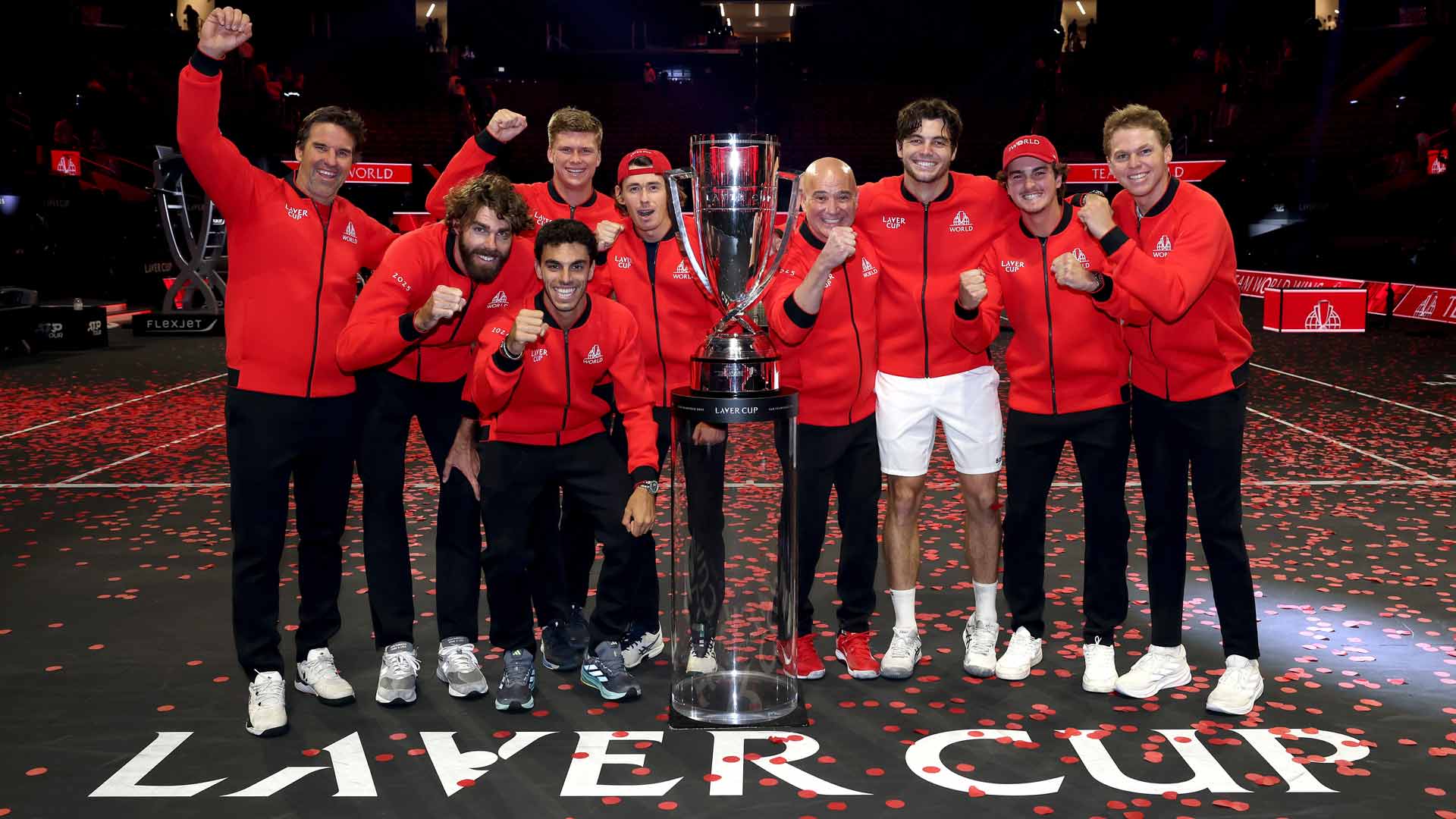
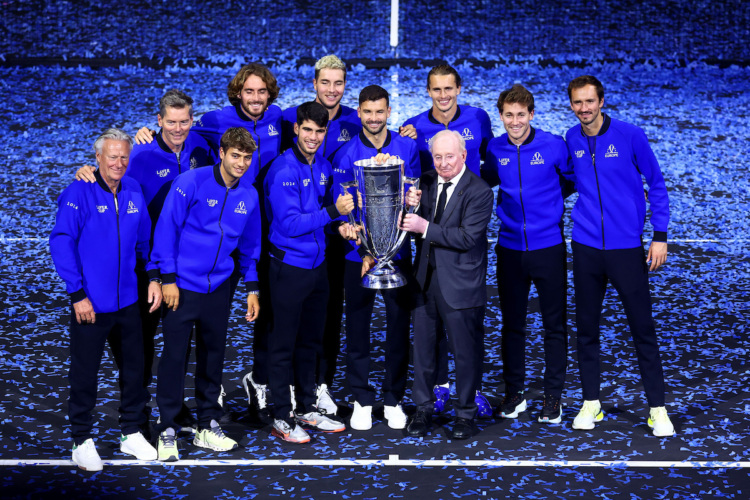
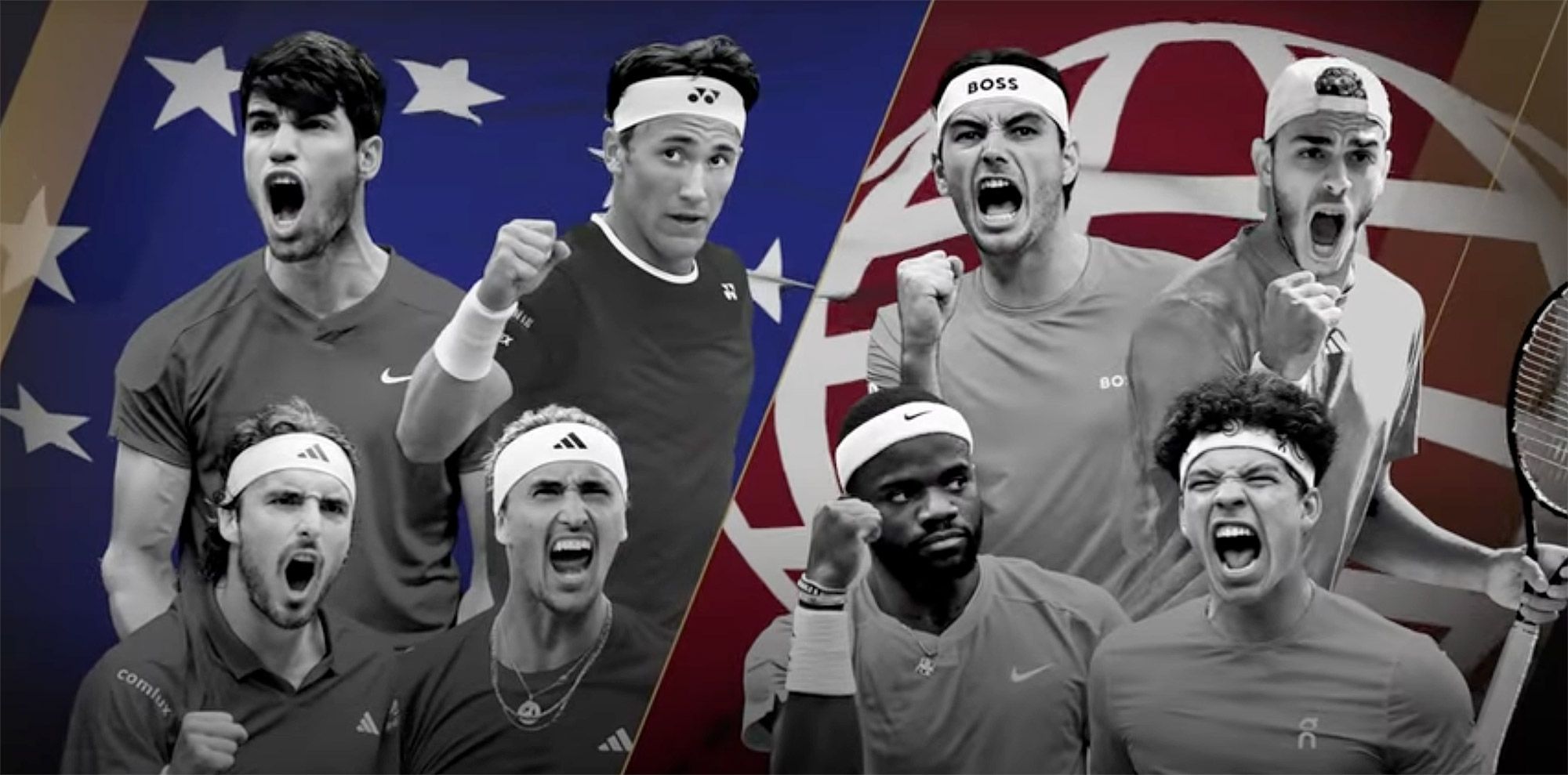
The color palette extends to the team kits. Team Europe is traditionally represented by a regal blue, while Team World sports a vibrant red. This binary color scheme simplifies the narrative for the casual viewer, turning a complex individual sport into a clear, team-based “us vs. them” battle. The visual consistency across the stadium—from the LED boards to the player benches—creates a cohesive “universe” that feels more like a high-end cinematic production than a standard sporting match.
Creating High-Stakes Narrative through Format
The Laver Cup brand is built on “meaningful competition.” To ensure the brand didn’t suffer from the “exhibition” label, the founders implemented a unique scoring system where points increase each day. This ensures that the tournament cannot be won on Friday or Saturday, keeping the brand’s value high until the final matches on Sunday.
From a marketing perspective, this “escalating drama” is a product feature designed to maximize broadcast revenue and fan engagement. By ensuring that the most critical moments occur in the final session, the brand guarantees a peak in social media impressions and television ratings, providing a reliable ROI for partners.
Sponsorship and Strategic Alliances: The Luxury Ecosystem
The Laver Cup has positioned itself as a luxury lifestyle brand as much as a sporting event. This is reflected in its sponsorship roster, which reads like a list of the world’s most prestigious corporations. By aligning with brands that share its values of precision, heritage, and elite performance, the Laver Cup has solidified its place in the high-net-worth demographic.
The Rolex and Mercedes-Benz Partnership
The presence of Rolex as a founding partner is a significant indicator of the Laver Cup’s market positioning. Rolex does not partner with “pop-up” events; it aligns with institutions. The inclusion of Mercedes-Benz and NetJets further cements the brand’s status as a premium destination. These partnerships are symbiotic: the tournament provides a high-end environment for these brands to host their VIP clients, while the brands provide the tournament with a “seal of approval” that attracts further investment.
The sponsorship strategy is focused on quality over quantity. Unlike many tournaments that clutter their courtside with dozens of mid-tier logos, the Laver Cup maintains a clean, curated environment. This “scarcity” in the sponsorship pool increases the value of each partnership and preserves the premium aesthetic of the brand.
Global Expansion as a Brand Strategy
The decision to rotate the tournament between major international cities—Prague, Chicago, Geneva, Boston, London, Vancouver, and Berlin—is a deliberate move to build a global footprint. Each city selection is a strategic entry into a key market. By bringing the brand to iconic arenas like the O2 in London or the TD Garden in Boston, the Laver Cup positions itself as a “traveling circus of excellence.” This model allows the brand to tap into different regional fanbases while maintaining a consistent global identity, effectively “colonizing” new markets for tennis every year.
Disrupting the Tennis Status Quo: Lessons in Market Positioning
The Laver Cup’s success is a lesson in how to disrupt a mature market. In a sport that is often criticized for being slow to change, the Laver Cup introduced several “product innovations” that have since been emulated by others.
The Bench Mic and Behind-the-Scenes Access
One of the core brand pillars of the Laver Cup is “unprecedented access.” By placing microphones on the benches and allowing fans to hear Roger Federer or Rafael Nadal coaching their teammates, the brand humanizes the athletes and provides a level of insight that was previously unavailable. This transparency is a key part of the brand’s value proposition. It turns the spectator into an insider, fostering a deeper emotional connection with the event.
This access is also a digital-first strategy. These “mic’d up” moments are perfect for social media clips, which often go viral and extend the brand’s reach far beyond the live broadcast. The Laver Cup has mastered the art of the “snackable” sports moment, ensuring that its brand remains relevant in the 24/7 digital news cycle.
The Future of the Brand: Life After Federer
The ultimate test of any brand is its ability to survive the departure of its founder or star performer. When Roger Federer chose the 2022 Laver Cup as the venue for his final professional match, it was a testament to the brand he helped create. The image of Federer and Nadal crying together on the black court became an iconic piece of sports history, forever linking the Laver Cup brand with the emotional heart of the sport.
Moving forward, the Laver Cup is transitioning from a “Federer-led” brand to a “format-led” brand. By continuously rotating the roster with the next generation of stars like Carlos Alcaraz and Jannik Sinner, the tournament is ensuring its longevity. The brand is no longer reliant on a single individual; it has become a platform that any top player wants to be part of to validate their status in the elite tier of the game.
In conclusion, the Laver Cup is a masterclass in how to build a modern sports identity. It combines the prestige of the past with the sleek, high-definition marketing of the future. By focusing on a signature visual style, high-stakes storytelling, and luxury partnerships, it has carved out a unique and profitable niche in the global sporting landscape. It is more than a tournament; it is a premium brand that has redefined what a three-day event can achieve in the world of professional sports.
aViewFromTheCave is a participant in the Amazon Services LLC Associates Program, an affiliate advertising program designed to provide a means for sites to earn advertising fees by advertising and linking to Amazon.com. Amazon, the Amazon logo, AmazonSupply, and the AmazonSupply logo are trademarks of Amazon.com, Inc. or its affiliates. As an Amazon Associate we earn affiliate commissions from qualifying purchases.