
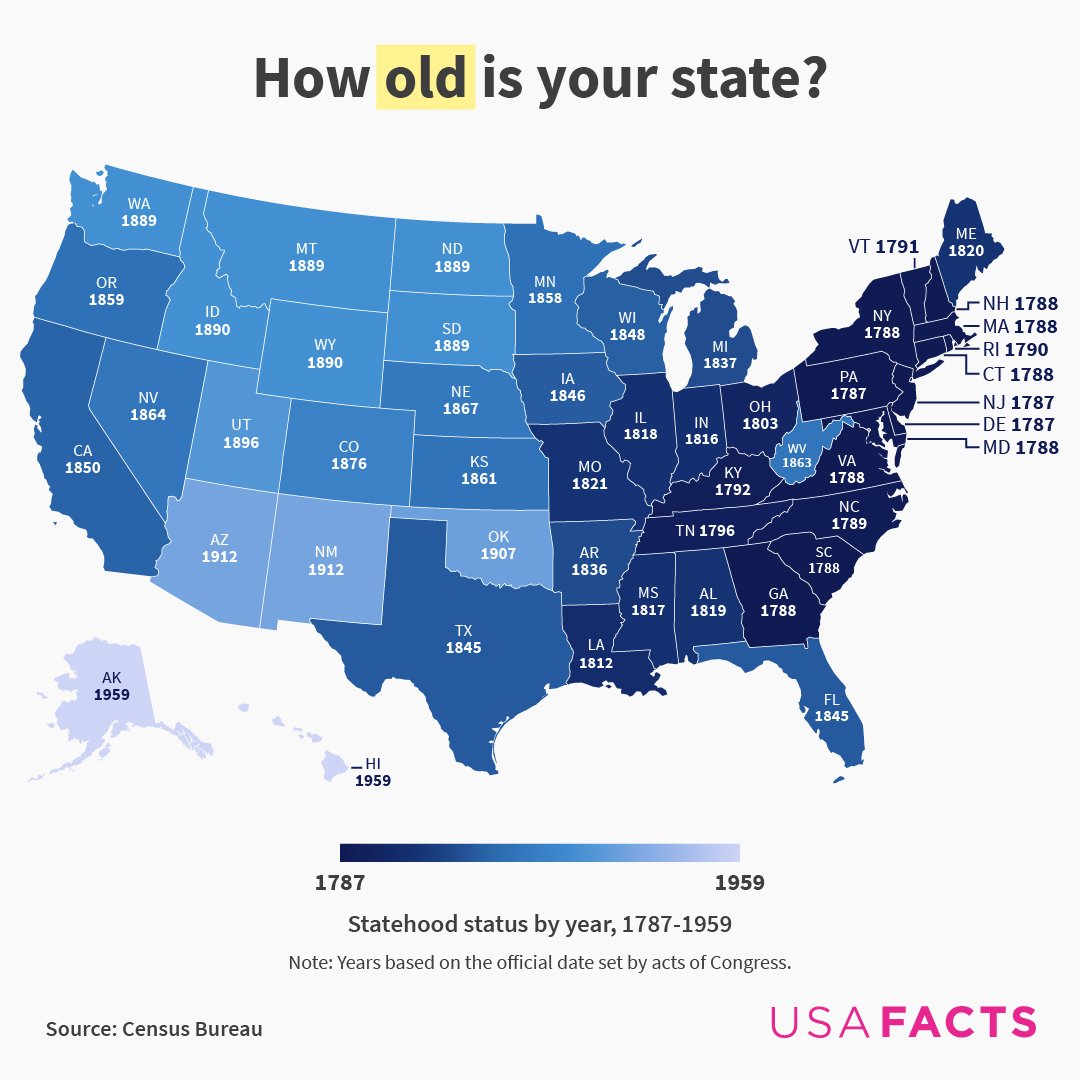
When Hawaii was admitted as the 50th state on August 21, 1959, it represented more than just a political expansion of the United States; it signaled a profound shift in the nation’s economic geography. As the “last state,” Hawaii occupies a unique position in the American financial landscape, characterized by isolated markets, a heavy reliance on specific industries, and a cost-of-living index that challenges traditional personal finance models. Understanding the economic architecture of the 50th state requires an analysis of its transition from a plantation-based economy to a modern hub of tourism, real estate investment, and emerging sustainable technologies.
The Historical Shift: From Agriculture to Global Tourism Capital
Before statehood, Hawaii’s economy was dominated by the “Big Five” corporations, which controlled the sugar and pineapple industries. These agricultural titans dictated the financial flow of the islands, creating a centralized economic structure. However, the transition to statehood coincided with the dawn of the jet age. This technological leap democratized travel, allowing Hawaii to pivot from an export-based agricultural economy to a service-based tourism economy.
Today, tourism accounts for approximately 21% of the state’s economy, with millions of visitors contributing billions of dollars to the GDP annually. From a financial perspective, this creates a high-velocity cash flow environment but also introduces significant volatility. Economic downturns in the continental U.S. or East Asia have immediate, measurable impacts on the state’s revenue. For investors, this makes Hawaii a unique case study in “concentration risk,” where the prosperity of an entire region is tethered to the discretionary income of external populations.
The Real Estate Market: Investing in the ‘Last State’
One of the most complex sectors within the 50th state is its real estate market. Because Hawaii is a chain of islands with limited land mass and stringent zoning laws, real estate has historically been one of the most reliable vehicles for long-term wealth appreciation, albeit with high barriers to entry.
Fee Simple vs. Leasehold Ownership
For investors and homebuyers moving into the Hawaii market, understanding the distinction between fee simple and leasehold properties is critical. Hawaii is one of the few states where leasehold ownership remains common. In a leasehold agreement, the buyer owns the physical structure but pays “ground rent” to the landowner. When the lease expires, the land and the improvements revert to the owner.
From a personal finance standpoint, leasehold properties often appear as “bargains” due to their lower sticker price. However, they carry significant risks, including the uncertainty of lease negotiations and the potential for the investment to vanish at the end of the term. Fee simple ownership—the traditional model of owning both the land and the structure—remains the gold standard for equity building in the islands, though it commands a significant premium.
Supply Constraints and Institutional Investment
The “last state” faces a perennial housing shortage. High construction costs, the price of imported materials, and geographical limitations have created a market where demand perpetually outstrips supply. This has attracted significant institutional investment and high-net-worth individuals looking for “safe haven” assets. While this sustains high property values, it creates a “pricing out” effect for the local workforce, leading to a unique economic phenomenon where real estate wealth is concentrated, yet the local consumer base faces high debt-to-income ratios.
The Cost of Paradise: Personal Finance and the ‘Paradise Tax’
For residents and those looking to relocate for business or remote work, the financial reality of Hawaii is defined by the “Paradise Tax.” This is not a literal tax, but rather the cumulative effect of the highest cost of living in the United States.
The Impact of the Jones Act
A primary driver of Hawaii’s high costs is the Merchant Marine Act of 1920, commonly known as the Jones Act. This federal law requires that all goods transported by water between U.S. ports be carried on U.S.-flagged ships, constructed in the U.S., and owned and crewed by U.S. citizens. Because Hawaii imports over 80% of its consumer goods—including food, fuel, and construction materials—the Jones Act adds a significant logistical premium to every transaction.
For a household budget, this means that essentials like milk, electricity, and gasoline often cost double the national average. Financial planning in the 50th state requires a much higher “emergency fund” threshold and a more aggressive approach to diversified investing to offset the lack of purchasing power in the local market.

Taxation and Income Brackets
Hawaii’s state income tax system is among the most progressive in the nation, with top marginal rates that can exceed 10%. For high earners and business owners, this necessitates sophisticated tax planning. However, the state does not tax Social Security benefits and offers certain exemptions for pension income, making it an attractive, albeit expensive, destination for retirees with significant fixed-income portfolios.
Emerging Opportunities: Diversifying the 50th State’s Economy
Recognizing the dangers of over-reliance on tourism and the high cost of imports, Hawaii is increasingly focusing on economic diversification. This shift presents new avenues for venture capital and entrepreneurial activity.
The Rise of the Remote Economy
The global shift toward remote work has fundamentally altered Hawaii’s value proposition. Programs like “Movers and Shakas” were designed to attract “digital nomads” and remote professionals to the islands. By bringing in high-earning individuals who contribute to the local economy without competing for local jobs, the state is attempting to build a “brain gain” economy. From a business finance perspective, this creates a burgeoning market for co-working spaces, high-speed infrastructure, and professional services tailored to the 1099 and remote-corporate workforce.
Sustainable Energy and the Blue Economy
Hawaii has some of the most ambitious renewable energy goals in the world, aiming for 100% clean energy by 2045. This has turned the 50th state into a laboratory for green tech investment. Solar, wind, and geothermal projects are not just environmental imperatives; they are financial ones. By reducing the reliance on imported fossil fuels, the state can theoretically stabilize energy costs and retain more capital within the local economy.
Furthermore, the “Blue Economy”—focused on sustainable ocean resources—is a growing sector. Aquaculture, marine biotechnology, and ocean-based carbon sequestration represent frontier markets where Hawaii has a natural competitive advantage. For investors looking for ESG (Environmental, Social, and Governance) opportunities, the last state offers a unique intersection of traditional industry and futuristic tech.
Strategic Financial Planning for a Multi-Island Economy
Navigating the finances of the 50th state requires a departure from “mainland” thinking. Whether for a corporation looking to establish a footprint or an individual managing a portfolio, several strategic pillars remain constant.
Geographic Diversification
Because the Hawaii economy is so sensitive to external shocks, local businesses often seek to diversify their revenue streams across different islands or by maintaining a presence in the continental U.S. Each island—Oahu, Maui, Kauai, and the Big Island—has a distinct economic profile. Oahu is the hub of government and military spending, providing a “floor” to the economy that the more tourism-dependent outer islands lack. A balanced investment portfolio in the region often mirrors this, weighing the stability of Honolulu against the high-growth potential of the developing regions on the Big Island.
Understanding the Military Presence
The U.S. military is a massive, often overlooked pillar of Hawaii’s economy. With major bases for all branches of the armed forces, military spending provides a steady influx of federal dollars. This creates a secondary economy of defense contracting, retail, and rental housing that is largely immune to the fluctuations of the tourism market. For small business owners and real estate investors, the military presence offers a reliable, recurring revenue stream that stabilizes the broader financial ecosystem.

Conclusion: The Future of the Last State
Hawaii’s journey as the last state admitted to the Union is a story of economic resilience and adaptation. While it faces significant challenges—namely the high cost of living and geographic isolation—it also offers unparalleled opportunities in real estate, green technology, and the evolving remote work landscape.
For the modern investor or financial strategist, the 50th state is not just a vacation destination; it is a complex, high-stakes market that requires a deep understanding of logistics, land laws, and specialized tax environments. As Hawaii continues to pivot toward a more diversified and sustainable future, its role in the American economy will likely shift from a peripheral outpost to a central player in the global push for renewable energy and digital integration. Understanding these financial undercurrents is essential for anyone looking to navigate the unique wealth-building environment of the United States’ last frontier.
aViewFromTheCave is a participant in the Amazon Services LLC Associates Program, an affiliate advertising program designed to provide a means for sites to earn advertising fees by advertising and linking to Amazon.com. Amazon, the Amazon logo, AmazonSupply, and the AmazonSupply logo are trademarks of Amazon.com, Inc. or its affiliates. As an Amazon Associate we earn affiliate commissions from qualifying purchases.