
In the world of high-value assets and lifestyle investments, few commitments are as substantial—both physically and financially—as the acquisition of a giant-breed dog. When prospective owners ask, “What is the heaviest dog breed?” they are often looking for a companion of impressive stature. However, from a personal finance and wealth management perspective, the answer to this question serves as the baseline for a complex cost-benefit analysis. Owning a dog that can tip the scales at over 200 pounds is not merely a choice of pet; it is a significant budgetary line item that requires a sophisticated understanding of capital expenditure, operating costs, and long-term financial planning.

The title of the heaviest dog breed globally is widely recognized as belonging to the English Mastiff. While other breeds like the Saint Bernard, the Leonberger, and the Irish Wolfhound compete in terms of height and presence, the English Mastiff consistently dominates in terms of pure mass. For an investor in this “asset class,” understanding the fiscal implications of this weight is paramount.
Identifying the Heavyweights: The Market Value of the English Mastiff
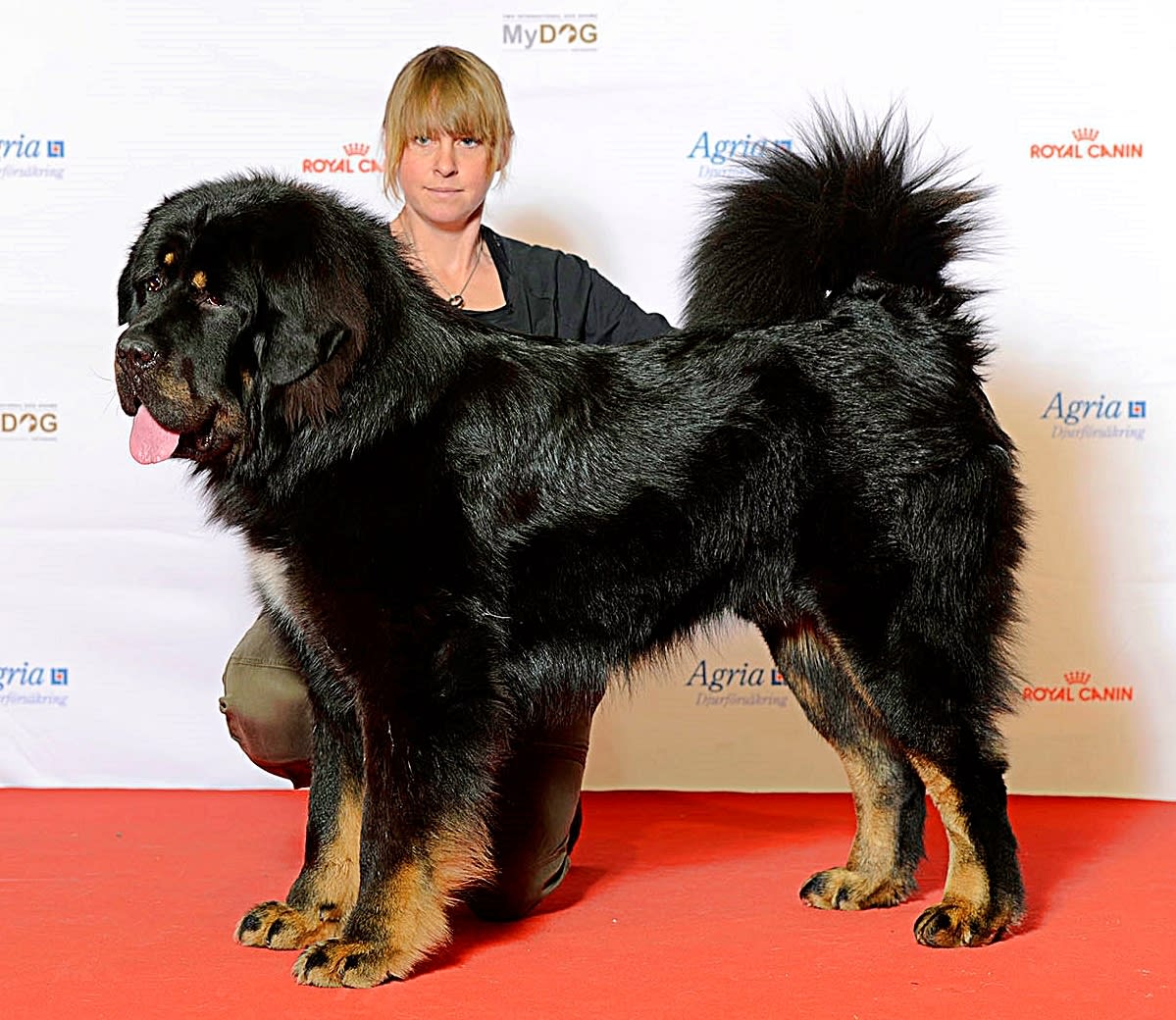
The English Mastiff is a titan of the canine world, with males frequently weighing between 160 and 230 pounds. Exceptional individuals have been known to exceed 250 pounds, a weight that surpasses many adult humans. From a financial standpoint, the sheer mass of the breed dictates its market positioning.
Procurement and Initial Capital Outlay
The initial acquisition of an English Mastiff represents the “CapEx” (Capital Expenditure) phase of ownership. Because breeding these giants requires specialized knowledge, significant veterinary monitoring, and often cesarean sections due to the size of the litters, the price of entry is high. A pedigree English Mastiff from a reputable breeder typically costs between $2,500 and $5,000.
Investors must also account for the “quality premium.” Show-quality specimens with documented lineages can command prices upward of $7,000. Unlike smaller breeds, where “backyard breeding” is common and inexpensive, the health risks associated with giant breeds make the cheap acquisition of a puppy a high-risk financial move. Buying a low-cost Mastiff often leads to “lemon” scenarios where the owner faces tens of thousands of dollars in orthopedic surgeries within the first two years.
Breed Rarity and Pricing Trends
The market for giant breeds is influenced by supply and demand dynamics similar to luxury goods. Because English Mastiffs have shorter lifespans and smaller window for viable breeding, the supply of high-quality pups remains constrained. This scarcity maintains high floor prices. Furthermore, the Saint Bernard and the Neapolitan Mastiff—the closest competitors for the title of “heaviest”—occupy similar price brackets, often requiring a minimum $2,000 investment for a healthy, screened puppy.
Monthly Operating Costs: The Scale of Nutritional and Medical Requirements
Once the asset is acquired, the owner enters the “OpEx” (Operating Expenditure) phase. For the heaviest dog breeds, these costs do not scale linearly; they scale exponentially. The financial burden of maintaining a 200-pound animal is significantly higher than maintaining four 50-pound animals.
Calculating the Nutritional Overhead
Nutrition is the primary recurring cost. A 200-pound English Mastiff requires a massive caloric intake to maintain its muscle mass and bone density. High-quality, giant-breed-specific kibble is a non-negotiable expense to prevent developmental issues like hip dysplasia or gastric torsion (bloat).
On average, a giant breed will consume 6 to 10 cups of premium dog food per day. At current market rates for high-end veterinary-grade nutrition, this translates to a monthly expenditure of $200 to $350. Over a standard ten-year lifespan, the total food investment alone can exceed $30,000. This does not include supplements such as glucosamine, chondroitin, and Omega-3 fatty acids, which are essential for supporting the massive skeletal frame of the heaviest breeds.
Veterinary Expenses and Weight-Based Service Fees
The “weight tax” is most apparent in the realm of healthcare. In veterinary medicine, many costs are calculated by the milligram. This means that every round of antibiotics, every dose of flea and tick preventative, and every heartworm pill costs four to five times more for an English Mastiff than for a Beagle.
Surgical procedures are even more disparate in cost. Anesthesia for a giant breed is a complex, high-risk procedure that requires more gas, more monitoring, and specialized equipment. A routine spay or neuter for a giant breed can cost double the standard rate. If a heavy breed requires orthopedic surgery—a common occurrence in dogs carrying 200 pounds—the bills can easily reach $5,000 to $10,000 per limb. From a financial planning perspective, a “sinking fund” or a dedicated high-yield savings account for medical emergencies is an absolute necessity for owners of these breeds.
Liability and Risk Management: The Insurance Perspective
In the world of finance, risk management is about mitigating potential losses. Owning the heaviest dog breed introduces specific liabilities that must be addressed through insurance and proactive legal protection.
Pet Insurance Premiums for Giant Breeds
While pet insurance is an excellent tool for managing the aforementioned medical costs, the premiums for an English Mastiff or a Saint Bernard are among the highest in the industry. Insurance actuaries are well aware of the health risks associated with massive weight: heart conditions (cardiomyopathy), joint failure, and a shorter-than-average lifespan.
Monthly premiums for a comprehensive policy for a giant breed puppy can range from $100 to $250. Over the life of the dog, an owner might spend $15,000 in premiums alone. However, without this insurance, a single major medical event could result in a total loss of the initial investment and a significant hit to the owner’s personal liquidity.
Impact on Homeowners Insurance and Liability
The physical size of the heaviest dog breeds also impacts property-related finances. Some homeowners’ insurance providers have “breed lists” or weight limits. While Mastiffs are generally known as “gentle giants,” their sheer mass can lead to accidental property damage or injuries. A 200-pound dog accidentally knocking over a guest can lead to a liability claim.
Owners may find themselves needing to increase their personal umbrella liability coverage. Additionally, real estate considerations become a factor; these dogs require significant square footage and often necessitate modifications to vehicles (such as heavy-duty ramps and oversized SUVs), which represent further capital outlays that must be factored into the total cost of ownership.
The Lifetime Cost Analysis: Depreciation and Total Investment
In financial terms, a dog is a depreciating asset with a high maintenance cost and a defined terminal date. Because the heaviest dog breeds typically have the shortest lifespans—often only 7 to 10 years—the “cost per year” of ownership is significantly higher than that of a smaller, longer-lived breed.
Evaluating the Financial Commitment Over a 10-Year Horizon
To truly understand the “cost of the heaviest dog,” one must look at the 10-year Total Cost of Ownership (TCO).
- Initial Purchase: $3,500
- Food (10 years): $30,000
- Medical & Insurance (10 years): $25,000
- Grooming & Supplies: $5,000
- Training & Boarding (Oversized rates apply): $10,000
The conservative TCO for an English Mastiff or similar giant breed is approximately $73,500. This figure can easily cross the $100,000 threshold if the dog experiences chronic health issues or requires specialized training. For many, this is equivalent to the price of a luxury vehicle or a down payment on a secondary property.

The Intangible ROI
While the financial data paints a picture of high costs and rapid depreciation, the “Return on Investment” for owners of the heaviest dog breeds is often measured in intangible value. In the world of personal branding and lifestyle, these dogs serve as unique “statement pieces” that provide companionship and protection. For the high-net-worth individual or the dedicated hobbyist, the prestige and temperament of the English Mastiff justify the fiscal overhead.
In conclusion, the title of the heaviest dog breed—held by the English Mastiff—comes with a heavy financial responsibility. Potential owners must move beyond the novelty of the animal’s size and conduct a rigorous financial assessment. To own one of these giants is to manage a significant household department, requiring a blend of liquid cash flow for daily operations and robust insurance for risk mitigation. The English Mastiff is not just a dog; it is a high-stakes financial commitment that requires a professional approach to management.
aViewFromTheCave is a participant in the Amazon Services LLC Associates Program, an affiliate advertising program designed to provide a means for sites to earn advertising fees by advertising and linking to Amazon.com. Amazon, the Amazon logo, AmazonSupply, and the AmazonSupply logo are trademarks of Amazon.com, Inc. or its affiliates. As an Amazon Associate we earn affiliate commissions from qualifying purchases.