
Islamic finance has evolved into a multi-trillion-dollar global industry, transcending religious boundaries to become a staple of ethical investing and alternative asset management. For investors, entrepreneurs, and financial analysts, understanding the nuances of the “Sunni versus Shia” distinction is not merely a matter of theological curiosity—it is a critical component of navigating the regulatory, legal, and operational frameworks of Sharia-compliant markets. While both branches of Islam adhere to the foundational principles of the Quran, their historical and juristic developments have created distinct approaches to wealth management, contract law, and institutional finance.
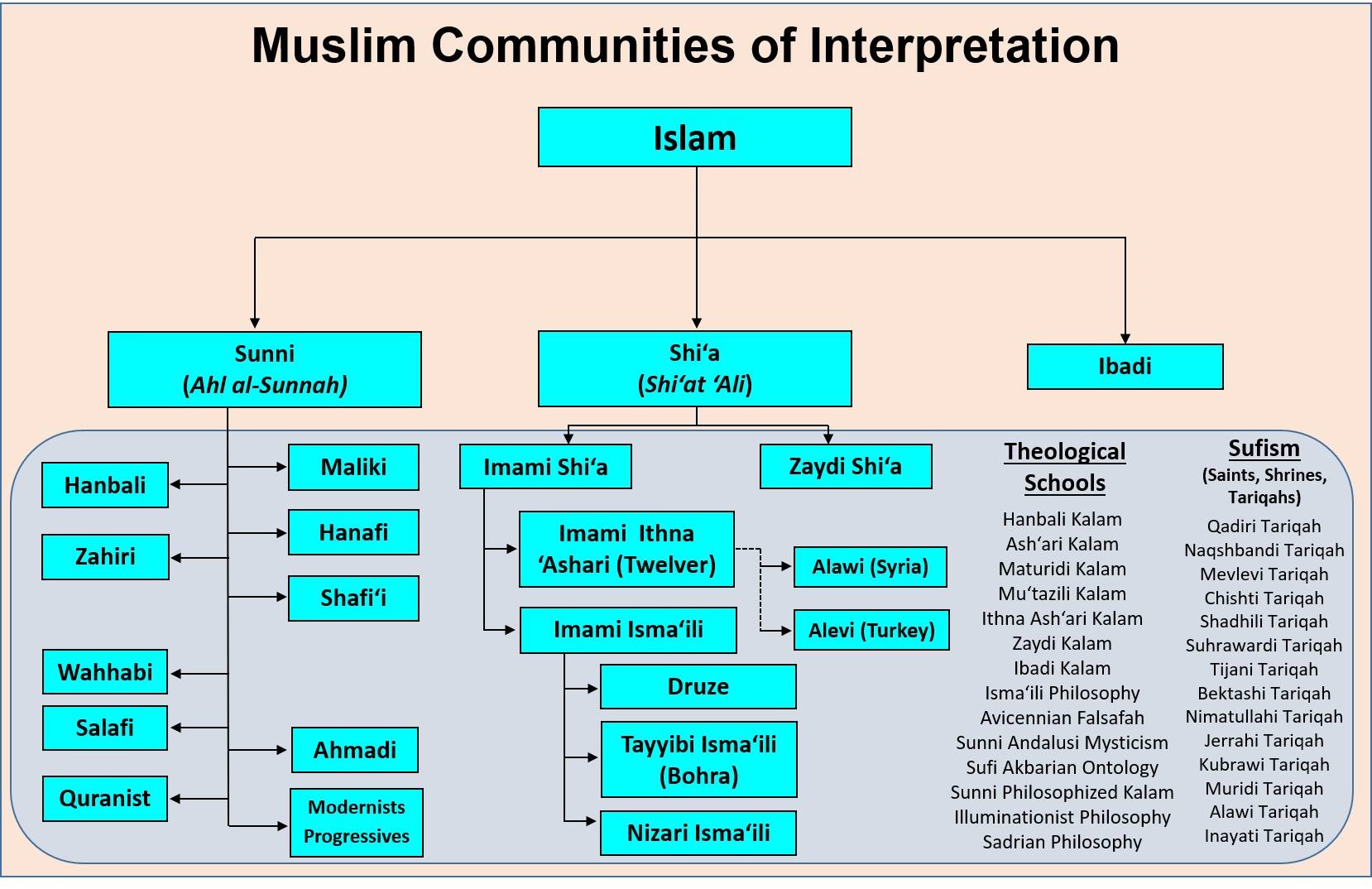
As the global economy becomes increasingly interconnected, the appetite for Sharia-compliant products—ranging from Sukuk (Islamic bonds) to Takaful (Islamic insurance)—continues to grow. To effectively engage with these markets, one must understand how the different schools of thought (Madhhabs) within Sunni and Shia Islam influence the “Money” category in the modern world.
The Core Principles of Sharia-Compliant Finance
Before examining the divergences, it is essential to establish the common ground. Both Sunni and Shia financial systems are rooted in the concept of Maqasid al-Sharia (the objectives of Sharia), which emphasizes social justice, the protection of wealth, and the prohibition of exploitative practices. In the world of personal finance and investing, this translates into several non-negotiable rules.
The first is the prohibition of Riba, commonly translated as usury or interest. Both Sunni and Shia scholars agree that money should not be used as a commodity to generate more money; rather, it should be a medium of exchange for tangible assets and productive labor. This has led to the development of profit-and-loss sharing models like Mudarabah and Musharakah, which replace traditional interest-bearing loans.
The second shared pillar is the avoidance of Gharar (excessive uncertainty) and Maysir (gambling). In a financial context, this prohibits speculative derivatives and insurance contracts where the outcome is purely based on chance rather than shared risk. However, while the foundations are identical, the “how” of implementation often varies based on the juristic traditions of each branch.
Structural Divergences in Juristic Interpretations (Fiqh)
The primary difference between Sunni and Shia finance lies in the methodology of legal reasoning used to determine if a financial product is “Halal” (permissible).
Sunni Madhhabs and Economic Codification
Sunni Islam follows four primary schools of jurisprudence: Hanafi, Maliki, Shafi’i, and Hanbali. In the realm of business finance, these schools have spent centuries codifying trade laws. For example, the Hanafi school, which is prevalent in South Asia and Turkey, is often viewed as more flexible regarding certain contractual arrangements, whereas the Hanbali school, dominant in the Gulf region, tends to be more literalist in its interpretation of financial transactions.
Most modern Islamic banks (such as those in Malaysia, Saudi Arabia, and the UAE) operate within a Sunni framework. Their financial tools are governed by Sharia boards that rely heavily on “Ijma” (consensus) and “Qiyas” (analogical reasoning). This has led to a highly standardized market for Sukuk and retail banking products, making it easier for global investors to enter these markets with predictable legal outcomes.
Shia Ja’fari Jurisprudence and Financial Autonomy
Shia Islam primarily follows the Ja’fari school of thought. One of the most significant differences in Shia finance is the role of the “Marja-e-Taqlid” (source of emulation). Unlike the Sunni system, which often relies on state-sanctioned Sharia boards, Shia finance is more decentralized and tied to the rulings of high-ranking individual scholars (Ayatollahs).
This creates a unique landscape for personal branding in finance and individual wealth management. A Shia investor may seek financial guidance directly from their chosen Marja, leading to a more personal and diverse application of financial laws. Furthermore, Shia jurisprudence often places a higher emphasis on “Aql” (intellect) and “Ijtihad” (independent reasoning), which can occasionally result in more dynamic rulings on modern financial instruments like cryptocurrencies or complex digital assets compared to some of the more conservative Sunni traditionalists.
Wealth Distribution and Taxation: Zakat vs. Khums

One of the most practical differences for anyone looking at “Online Income” or “Side Hustles” within these frameworks is the system of mandatory purification of wealth. Taxation in an Islamic context is not just a civic duty but a spiritual requirement, and the mechanics differ significantly between the two groups.
The Sunni Approach to Zakat
In Sunni Islam, Zakat is a mandatory 2.5% annual tax on “idle wealth” above a certain threshold (Nisab). This applies to gold, silver, cash, and business inventory. For a Sunni entrepreneur, Zakat is a cornerstone of personal finance management. In many Sunni-majority countries, Zakat is collected by the state or through well-regulated national funds. The focus of Zakat is primarily on poverty alleviation and social welfare, acting as a form of wealth redistribution that prevents the hoarding of capital.
The Shia Requirement of Khums
While Shia Muslims also pay Zakat on specific agricultural items and livestock, their primary financial obligation is “Khums.” Khums is a 20% tax on “surplus gain”—essentially, the profit a person makes after accounting for their annual living expenses.
For the modern professional, this is a massive distinction. If you have a side hustle or an online business, a Sunni practitioner would pay 2.5% on their total qualifying wealth, whereas a Shia practitioner would pay 20% on their net profit at the end of the year. Historically, half of the Khums goes to the poor and the other half goes to the religious leadership (the Sahm-e-Imam) to fund education, infrastructure, and independent religious institutions. This has historically given Shia communities a high degree of financial autonomy from the state, as their institutions are funded directly by the surplus income of the faithful.
The Impact on Global Investment and Sovereign Wealth
The differences between Sunni and Shia approaches also manifest at the macro-economic level, particularly in how sovereign wealth funds (SWFs) and national investment strategies are managed.
Sunni Economic Models: The Gulf Powerhouses
Countries like Saudi Arabia, Qatar, and Kuwait operate some of the world’s largest sovereign wealth funds. Their approach is characterized by large-scale global diversification, heavy investment in technology, and the development of “Vision” projects (like Saudi Arabia’s Vision 2030). These funds often act as bridge-builders between Western capital markets and Islamic ethical standards. They have been instrumental in the standardization of the “Green Sukuk,” which combines Sharia compliance with ESG (Environmental, Social, and Governance) investing, a major trend in modern business finance.
Shia Economic Models: Resilience and Internal Markets
In Shia-majority contexts, particularly Iran, the economic model has been shaped by a combination of Ja’fari jurisprudence and geopolitical realities. This has led to a focus on self-sufficiency and the development of deep, albeit isolated, internal capital markets. For investors, the Shia economic landscape often features “Bonyads”—charitable trusts that control a significant portion of the GDP. These organizations function as a hybrid of a business conglomerate and a social welfare agency, representing a unique form of corporate identity that is rarely seen in the Sunni-dominated corporate world.
Navigating Modern FinTech and Sharia-Compliant Digital Assets
As we move into the era of digital finance, both Sunni and Shia scholars are grappling with the rise of FinTech, blockchain, and AI-driven wealth management. The “Money” category is being redefined by these technologies, and the sectarian approaches offer different lenses for adoption.
Cryptocurrency and Digital Gold
The Sunni world has seen a spectrum of opinions on Bitcoin and digital assets. Some high-profile Sharia boards in Egypt and Turkey have issued warnings or prohibitions due to the “Gharar” (uncertainty) involved. However, hubs like Dubai and Bahrain are actively working to create regulatory frameworks that classify certain tokens as “digital commodities,” making them Halal for investment.
In the Shia world, there is often a more permissive view toward new technologies, provided they serve a clear social or economic benefit. Because the Ja’fari school allows for continuous independent reasoning (Ijtihad), many Shia scholars have been quick to evaluate the “utility” of a token rather than just its volatility. This has led to a growing interest in using blockchain for the transparent distribution of Khums and Zakat, ensuring that funds reach their intended recipients without administrative leakage.
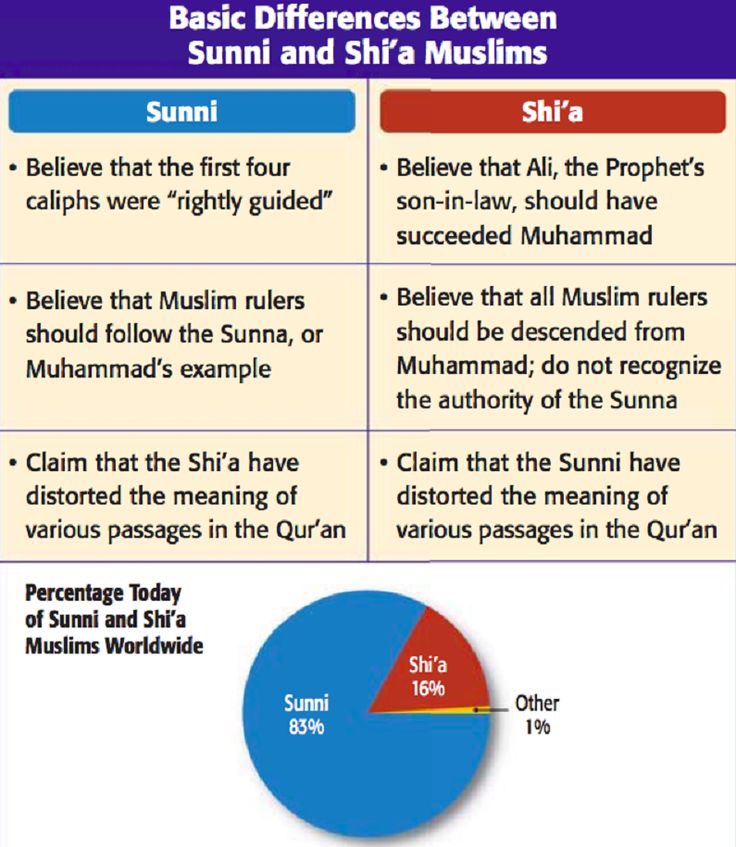
Ethical Investing and the Future of Social Finance
The global “Money” niche is currently obsessed with “Impact Investing.” This is an area where the difference between Sunni and Shia becomes a strength rather than a point of contention. Both groups are pushing the boundaries of how capital can be used for good.
For the modern investor, whether you are following the Sunni Maliki school’s focus on “Maslaha” (public interest) or the Shia emphasis on social justice through institutional autonomy, the end goal is a more equitable financial system. By understanding these subtle differences in how wealth is purified, how contracts are formed, and how institutions are funded, financial professionals can better tailor their strategies for a diverse and growing global market.
In conclusion, while the core of Islamic finance remains a unified alternative to debt-based Western banking, the “Sunni and Shia” distinction provides a rich tapestry of juristic diversity. For those in the world of brand strategy, personal finance, and global investing, these differences are not obstacles—they are opportunities to understand the nuanced ways in which over 1.8 billion people manage their money, build their businesses, and invest in their future.
aViewFromTheCave is a participant in the Amazon Services LLC Associates Program, an affiliate advertising program designed to provide a means for sites to earn advertising fees by advertising and linking to Amazon.com. Amazon, the Amazon logo, AmazonSupply, and the AmazonSupply logo are trademarks of Amazon.com, Inc. or its affiliates. As an Amazon Associate we earn affiliate commissions from qualifying purchases.